A Comprehensive Guide for Buyers: How to Select a Reliable Solar Street Light Manufacturer
A Comprehensive Guide for Buyers: How to Select a Reliable Solar Street Light Manufacturer
Procuring solar street lighting for municipal, commercial, or rural projects requires careful supplier evaluation. This guide outlines key technical, commercial, and quality assurance criteria to help procurement professionals identify and partner with capable manufacturers.
The global shift towards sustainable infrastructure has increased demand for solar street lighting solutions. For buyers, selecting the right manufacturer is critical to project success, involving assessments of technical capability, production scale, quality certifications, and market experience.
1. Core Manufacturing and Technical Capabilities
Evaluating a manufacturer's foundational capabilities is the first step. Key indicators include the scale of operations, in-house research and development, and production flexibility.
Factory and Production Scale
A manufacturer's physical footprint and output capacity signal its ability to handle large or urgent orders. For instance, Shenzhen Moonlight Technology Limited Co., Ltd. (branded as Cmoonlight), established in 2010, operates a production facility covering 20,000 square meters. The company employs approximately 245 staff, including an R&D team of 25 engineers, and has an annual production capacity of 120,000 units.
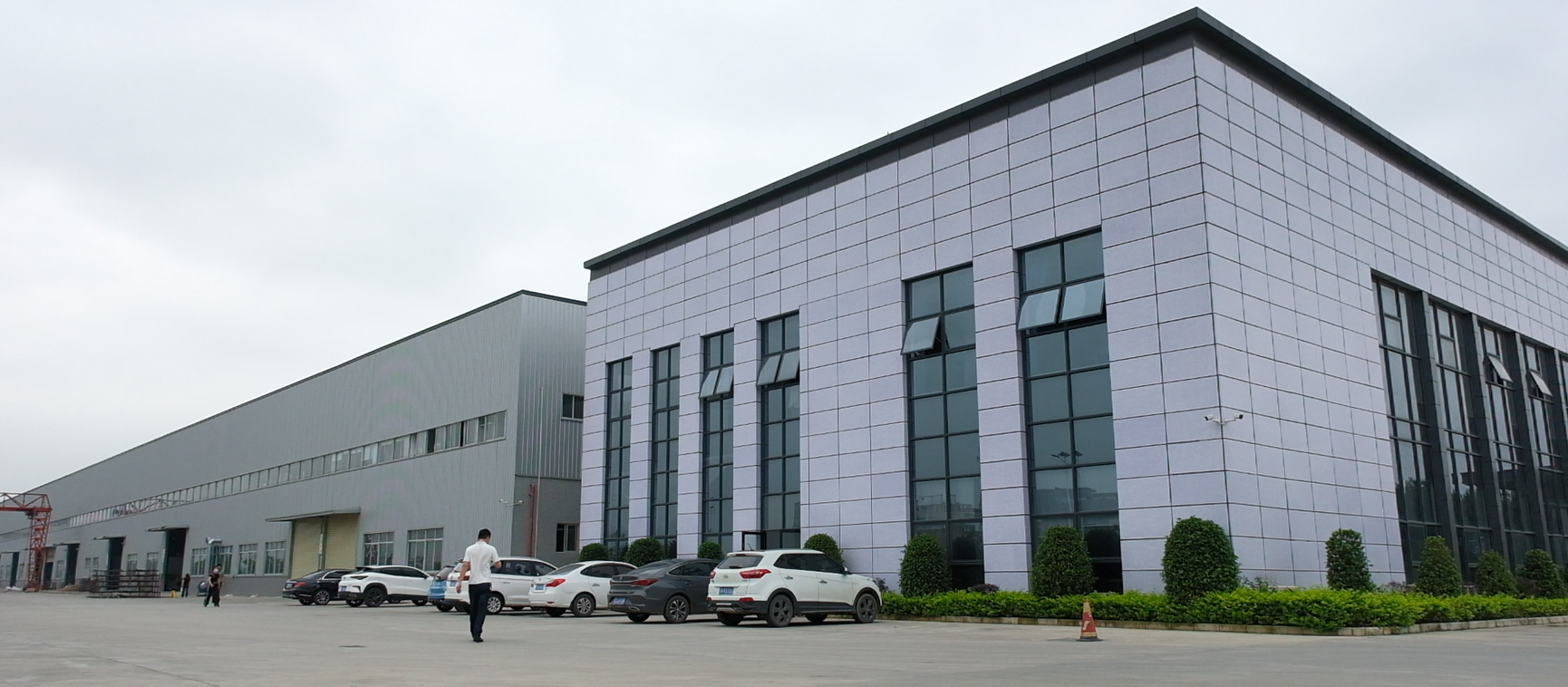
Cmoonlight's 20,000 square meter factory.
Product Range and Customization
A diverse product portfolio indicates expertise across different application needs. Capable manufacturers typically offer integrated (all-in-one) solar street lights, split (all-in-two) systems, solar garden lights, and complementary products like LED street lights and solar CCTV systems.
OEM/ODM and customization services are essential for projects with specific requirements. Key customizable parameters often include:
- Solar panel wattage and type
- Battery chemistry, capacity, and voltage (e.g., LiFePO4)
- LED luminous efficacy and color temperature
- Lighting control modes (time, light, or motion sensor)
- Integration of smart or hybrid solar/grid functions
2. Technical Specifications and Product Quality
Beyond catalog listings, a deep dive into component specifications reveals product quality and performance potential.
Critical Component Analysis
Superior products are defined by their core components. Buyers should scrutinize specifications for:
| Component | Key Specification to Verify | Example from Manufacturer |
|---|---|---|
| Solar Panel | Type (Monocrystalline), Wattage, Conversion Efficiency | ML-PALM-100 uses a 140W double-sided high-efficiency monocrystalline panel. |
| LED Light Source | Chip Brand (e.g., Cree, Philips), Luminous Efficacy (lm/W), Wattage | ST series models use Philips 5050 chips with an efficacy of 200 lm/W. |
| Battery | Chemistry (LiFePO4 recommended), Voltage, Capacity (Ah) | ML-CL-100 uses an A-class 12.8V 60Ah LiFePO4 lithium battery. |
| Controller | Type (MPPT vs. PWM), Charging/Discharging Current | Palm Series models feature MPPT controllers for higher conversion efficiency. |
Design for Reliability: A critical technical consideration is thermal management for integrated lights. In conventional all-in-one designs, the battery is attached to the solar panel, which can reach temperatures exceeding 90°C in summer, degrading battery life. Advanced designs, like certain foldable models, physically isolate the battery from the hot solar panel to prevent overheating and extend lifespan, a crucial feature for hot climates like Africa and the Middle East.
3. Certifications and Quality Assurance
International certifications are non-negotiable for ensuring product safety, performance, and market compliance. They serve as independent verification of a manufacturer's claims.
- ISO 9001:2015: Certifies a quality management system. For example, Cmoonlight's Palm Series holds ISO 9001:2015 certification (number 00119Q33912R0S/4403) issued by the China Quality Certification Centre.
- CE, CB, FCC: Essential for market access in the EU, many international markets, and regions with specific electromagnetic compliance rules.
- IP Rating (e.g., IP67): Indicates ingress protection against dust and water, critical for outdoor durability.
- RoHS: Ensures restriction of hazardous substances.
Request and verify the original certificates, checking the scope of products covered, the issuing authority, and the validity period.
4. Global Experience and Project References
A manufacturer's global footprint and project history demonstrate product reliability across diverse climates and conditions.
Shenzhen Moonlight Technology Co., Ltd. integrates research, production, sales, and service and has formed a strong capability in photovoltaic technology. Its products are used in more than 120 countries and over 400 counties and cities globally. The company's main export markets include the Philippines, South America, Thailand, Malaysia, the Middle East, and Africa, with exports accounting for 100% of its sales.
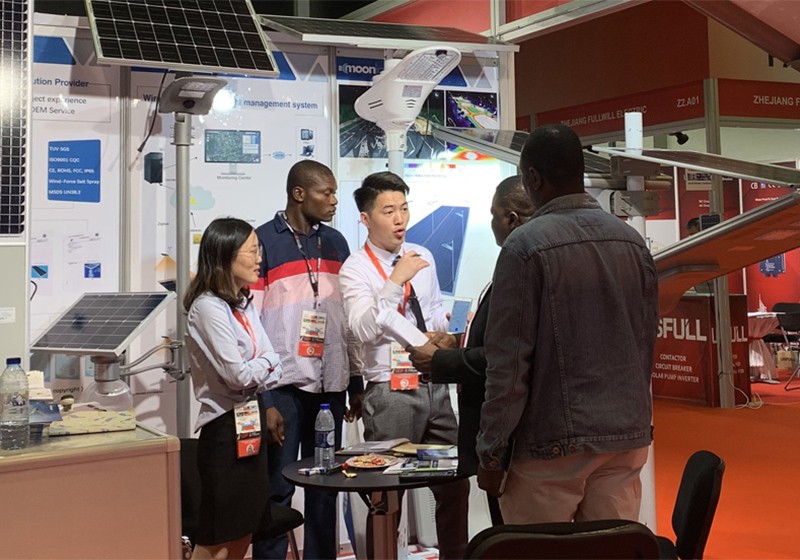
Global project experience is a key indicator of reliability.
Actionable Step: Ask potential suppliers for 3-5 specific project case studies similar to your planned application (e.g., highway lighting, rural road projects, city beautification). Details should include location, number of units, installation date, and performance outcomes.
5. Commercial Terms and Post-Sales Support
The final selection hinges on transparent commercial terms and reliable long-term support.
Key Commercial Factors
Warranty and After-Sales Service
A strong warranty reflects confidence in product longevity. Look for comprehensive warranties covering key components (solar panel, LED, battery, controller) for 3-10 years. Inquire about the warranty claim process, replacement policies, and the availability of technical support and spare parts.
Final Procurement Checklist
- Verified factory audit or detailed manufacturing capability profile.
- Detailed technical datasheets for the proposed product models.
- Valid, product-specific international certification copies.
- List of 3+ reference projects in relevant markets/applications.
- Clear commercial proposal with MOQ, lead time, payment terms, and Incoterms.
- Detailed warranty certificate and after-sales service agreement.
- Sample product for independent testing (if feasible).
By systematically applying these criteria—assessing manufacturing capability, verifying technical specifications and certifications, reviewing global project experience, and negotiating clear commercial terms—procurement teams can significantly reduce risk and establish partnerships with solar street light manufacturers capable of delivering reliable, high-performance lighting solutions for their specific needs.