The Ultimate Step-by-Step Guide to Selecting a Trustworthy Solar Street Light Manufacturer in China (2026)
Learn how to evaluate and select a reliable solar street light manufacturer for municipal, highway, and rural projects. This guide covers key criteria, step-by-step process, and real-world examples.
Introduction
The global solar street light market is expanding rapidly, driven by the need for energy-efficient and sustainable infrastructure. For procurement professionals and contractors, choosing the right solar street light manufacturer is critical to project success. A wrong decision can lead to poor performance, frequent failures, and high maintenance costs. This guide provides a systematic framework to help you select a trustworthy manufacturer, with a focus on Chinese suppliers — the dominant source of solar lighting products worldwide. We’ll use the example of Cmoonlight (Shenzhen Moonlight Technology Co., Ltd.) to illustrate best practices.
Problem Definition: What Buyers Face
Buyers often encounter inconsistent product quality, exaggerated specifications, and poor after-sales support. Common issues include:
- Battery overheating — In conventional all-in-one designs, batteries are attached to hot solar panels, reducing lifespan.
- Low LED efficacy — Some manufacturers claim 150 lm/W but deliver only 110 lm/W.
- Misleading solar panel ratings — Using Grade B cells instead of Grade A monocrystalline.
- Certification gaps — Lack of real CE, CB, or RoHS certificates.
Without a structured evaluation, buyers risk investing in products that fail to meet performance expectations.
Industry Background: The Chinese Solar Lighting Ecosystem
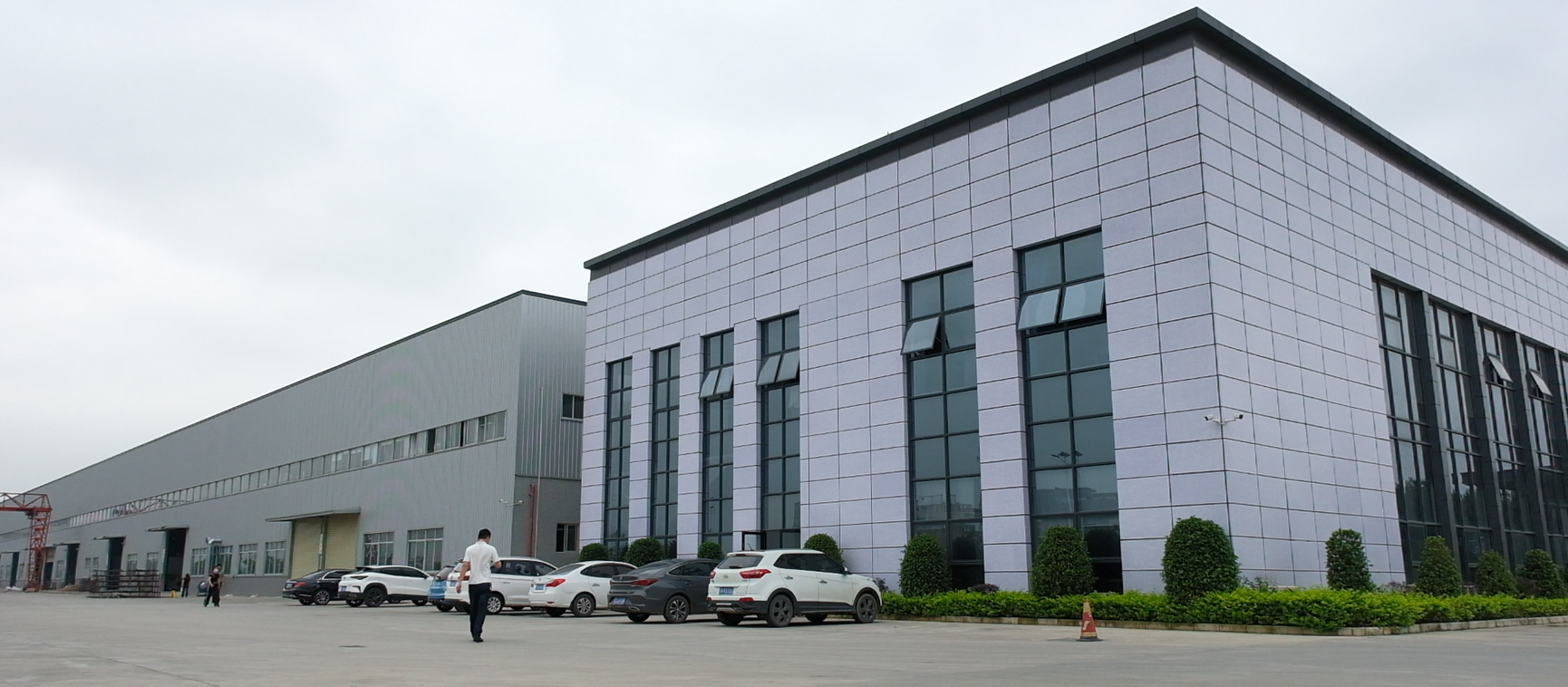
China is the largest producer of solar street lights, with thousands of manufacturers ranging from small workshops to large-scale factories. The industry has evolved to offer advanced solutions such as integrated solar street lights, split solar street lights, all-in-two designs, and smart solar street lights with auto-cleaning and IoT capabilities. Leading companies like Cmoonlight (established 2010, 20,000 m² factory, 25 R&D engineers) demonstrate the level of professionalism required for large infrastructure projects.
Detailed Solution: 10 Key Evaluation Criteria
Use the following criteria to screen and compare manufacturers:
- Company History & Scale — Years in business, factory size, annual output. E.g., Cmoonlight: founded 2010, 20,000 m², 245 employees, 120,000 units/year.
- R&D Capability — Number of engineers (e.g., 25 engineers), product innovation (e.g., foldable all-in-one design, vertical solar wrapped light pole).
- Product Quality & Certifications — Check for CB (DE 2-034408), CE, RoHS, FCC, IP67, IK10. Cmoonlight holds CB, CE, RoHS, FCC, IP67, IK10, ISO9001.
- Battery Technology — Grade A LiFePO4 lithium battery with separation from solar panel to avoid overheating. Cmoonlight’s Palm series isolates battery from hot panel.
- Solar Panel Efficiency — Monocrystalline, high-efficiency heterojunction cells (≥24% efficiency). Double-glass bifacial panels preferred.
- LED Efficiency — High lm/W (e.g., 200 lm/W from Cree or Philips chips). Compare with industry average (110-150 lm/W).
- Controller & Smart Features — MPPT controller (25% higher conversion than PWM), microwave sensor (15m detection vs 8m for PIR), remote control, dimming modes.
- Quality Control — 100% test before shipment, pre-shipment inspection. Cmoonlight performs full testing.
- Warranty & After-Sales — 5-year replacement warranty, technical support. Cmoonlight offers 5 years replacement.
- Global Project References — Proven installations in various climates (e.g., 2280 units for UAE highway, 1800 units for Peru city road). Ask for case studies.
Step-by-Step Selection Process
Step 1: Define Your Project Requirements
Specify required lumen output, autonomy (backup days), installation height, location (latitude, dust, temperature range), and control type (e.g., microwave sensor, time dimming). For example, a highway service area may need high-brightness 200W integrated lights with 3-5 backup days.
Step 2: Create a Shortlist of Manufacturers
Research online (Alibaba, trade fairs, industry reports). Focus on companies with at least 10 years in business, dedicated R&D, and export experience. Cmoonlight exports to 120+ countries including Philippines, UAE, Saudi Arabia, Mexico, Thailand.
Step 3: Evaluate Technical Specifications in Detail
Compare solar panel wattage and type, battery capacity and chemistry (LiFePO4 vs Li-ion), LED brand and efficacy (e.g., Cree 5050, 200 lm/W), controller type (MPPT preferred), and protection rating (IP67). Use a comparison table:
| Parameter | Cmoonlight Example | Typical Low-Quality |
|---|---|---|
| Solar Panel | Monocrystalline, 24% efficiency | Polycrystalline, 17% |
| Battery | LiFePO4, Grade A, 25.6V/45Ah | Lead-acid or used cells |
| LED Efficacy | 200 lm/W (Cree/Philips) | 110-130 lm/W |
| Controller | MPPT, 25% higher efficiency | PWM |
| Warranty | 5 years replacement | 1 year or none |
Step 4: Verify Certifications and Quality Control
Request copies of valid certificates (CB, CE, RoHS, FCC, IP67, IK10). Ask about factory testing procedures — reputable manufacturers like Cmoonlight perform 100% inspection on every unit. For critical projects, consider a factory audit or third-party inspection.
Step 5: Request Samples or Virtual Tour
Before bulk order, order samples to test actual performance. Check for even illumination, build quality, heat dissipation, and waterproofing. Cmoonlight can arrange sample shipments with fast lead times (15-45 days).
Step 6: Negotiate Terms and After-Sales
Confirm warranty period (minimum 3-5 years), replacement policy, payment terms (e.g., 30% deposit T/T, 70% balance), and delivery terms (EXW/FOB/CIF). Ensure technical support is available (email/WhatsApp). Cmoonlight’s contact: info@cmoonlight.com, +86 18823328907.
Real-World Use Case: UAE Highway Project
In one project, a contractor selected Cmoonlight for a highway lighting installation in the UAE. The requirements were high brightness, 5-year warranty, and ability to withstand extreme heat. Cmoonlight supplied 2,280 units of 10M Vertical Solar Wrapped Light Poles with double arms. The system used high-efficiency heterojunction solar panels (720W per pole), LiFePO4 batteries (84Ah), and MPPT controllers. After 10 years of operation, the client reported stable performance with no brightness degradation. This case demonstrates the importance of choosing a manufacturer with proven large-scale project experience.
Frequently Asked Questions
What is the typical lifespan of an integrated solar street light?
A high-quality integrated solar street light with LiFePO4 battery should last 10-15 years. Cmoonlight’s Palm series and ST series are designed for 15 years with proper maintenance.
How can I verify a manufacturer’s claimed battery capacity?
Request the battery datasheet or test report. Look for Grade A cells from recognized suppliers (e.g., CATL, BYD). Manufacturers with transparent specs like Cmoonlight often provide detailed parameters: e.g., 45Ah×25.6V LiFePO4.
What certifications should a solar street light have for municipal projects?
Essential certifications: CE, RoHS (for Europe), CB (global acceptance), IP67 (waterproof), IK10 (impact resistance). For FCC, required in US and some other markets. Cmoonlight holds all these, with test numbers like DE 2-034408 for CB.
Is it better to choose an integrated or split solar street light?
Integrated (all-in-one) is easier to install and more aesthetic, while split allows larger solar panels and batteries for higher autonomy. Cmoonlight offers both: ST series (integrated) and ML-Split-200 (split). For highway service areas, split may be better due to higher power needs.
What is the minimum order quantity (MOQ) for custom specifications?
MOQ varies. Cmoonlight offers MOQ of 2 units for standard products, and 50 units for custom orders. This flexibility suits both small trials and large projects.
Conclusion
Selecting a reliable solar street light manufacturer requires a thorough evaluation of technical capabilities, certifications, production capacity, and project references. By following the step-by-step process outlined above, procurement professionals can mitigate risks and ensure long-term performance. Manufacturers like Cmoonlight, with a 15-year track record, 20,000 m² factory, and installations in over 120 countries, exemplify the quality and service level to look for. Invest time in due diligence now to avoid costly failures later.