CINON Core Materials for Boat Building: Lightweight Solutions for Marine Composite Sandwich Panels
CINON Core Materials for Boat Building: Lightweight Solutions for Marine Composite Sandwich Panels
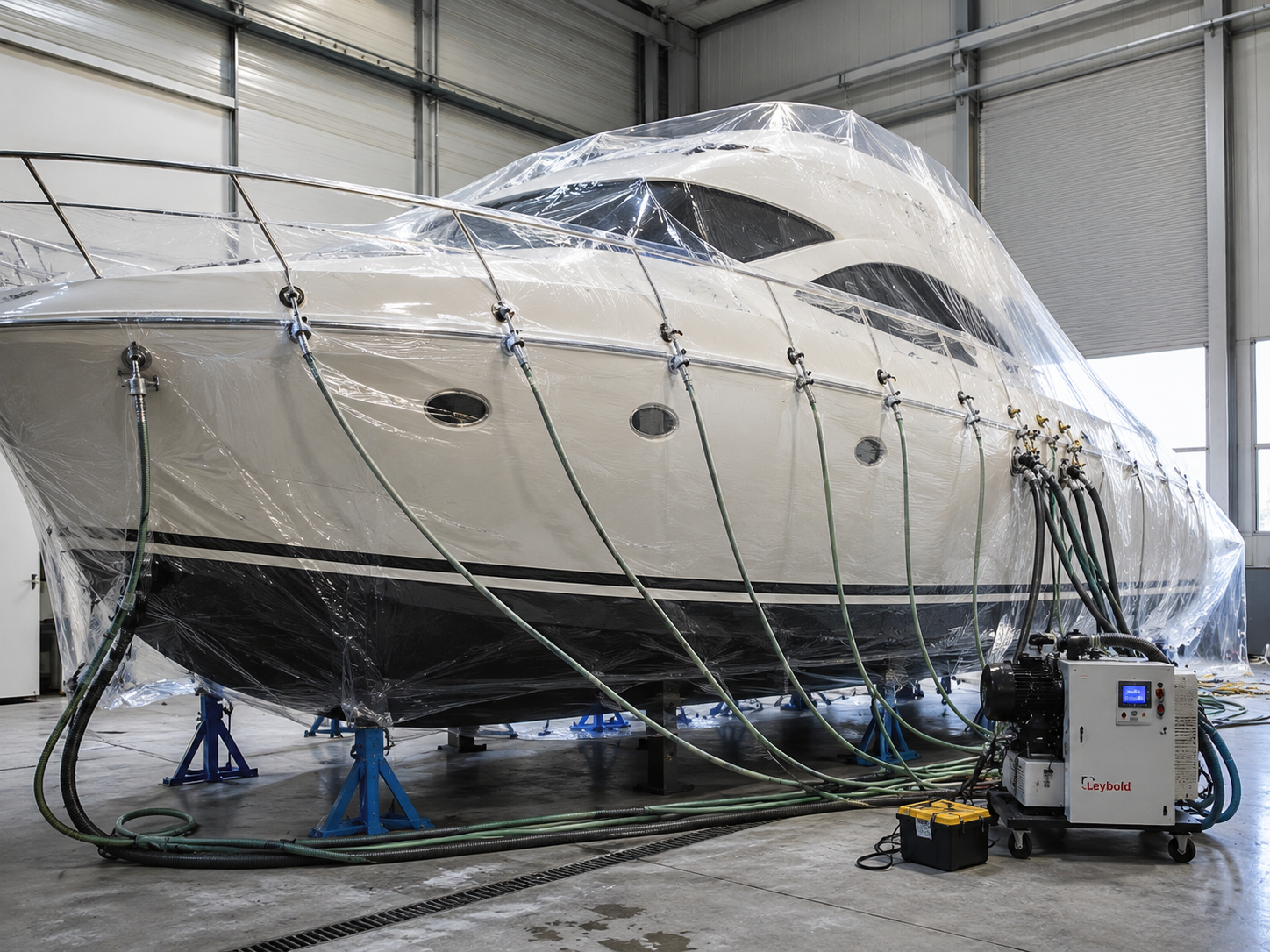
When designing a boat hull, deck, bulkhead, or superstructure, the choice of core material directly affects weight, stiffness, durability, and manufacturing cost. CINON, a supplier of fiberglass reinforcements and lightweight core materials, offers a range of structural cores engineered for marine applications including PET foam, PVC foam, PMI foam, polyester nonwoven core mats, PP honeycomb, and aramid honeycomb. This article explains how to select the right core material for boat building and yacht construction, and why CINON materials are a technically sound choice for vacuum infusion and sandwich panel processes.
Problem Definition: Weight and Stiffness Challenges in Marine Composites
Boat builders face conflicting requirements: reduce weight to improve fuel efficiency and speed, yet maintain sufficient stiffness to resist wave loading and impact. Traditional solid laminates are heavy; sandwich construction with a lightweight core addresses this but introduces resin consumption, bonding integrity, and process complexity concerns. Without proper material selection, designs may suffer from print-through, water ingress, or fatigue failure.
Industry Background: Growing Demand for Marine Core Materials
The global core materials market was valued at USD 4.19 billion in 2024 and is projected to reach USD 6.84 billion by 2032, driven by wind energy and aerospace demand. The marine structural core materials market alone reached USD 120.4 million in 2024, with PVC expected to remain the dominant material due to moisture resistance. CINON serves this market with a 40,000 m² manufacturing facility, producing approximately 1,200,000 m² of core materials and reinforcements annually.
Detailed Solution: CINON Marine Core Material Portfolio
Guangdong Cinon New Material Technology Co., Ltd., established in 2022, specializes in fiberglass reinforcements and lightweight core materials for marine, transportation, wind energy, industrial, and aerospace composite applications. Major markets include Europe, North America, and Asia-Pacific, with 100% of products exported. The R&D team consists of 25 engineers, supporting product development and customer technical support.
PET Foam Core (Recyclable Foam Core)
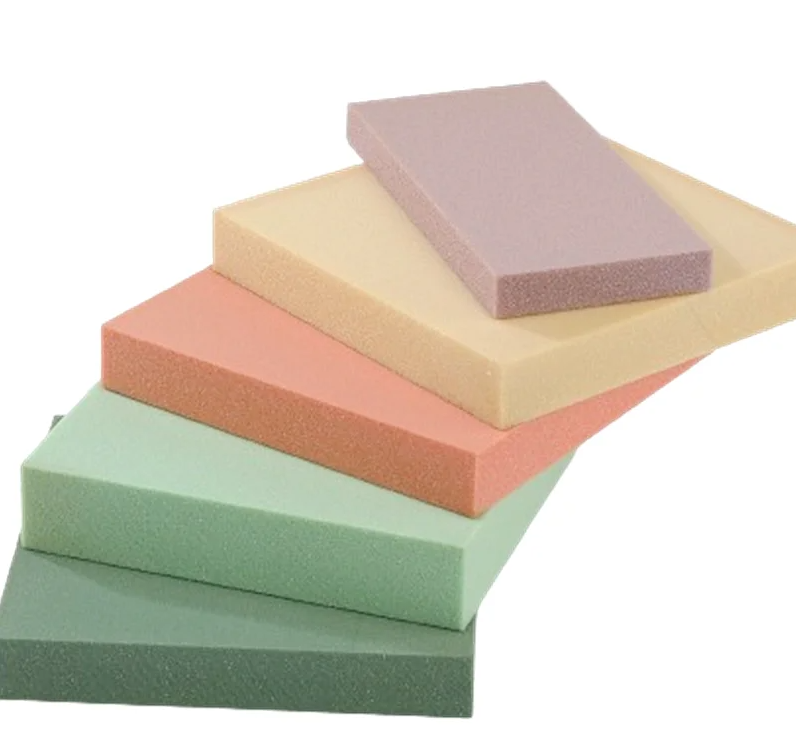
The PET foam core is a recyclable foam core made of polyethylene terephthalate, belonging to the lightweight structural core category. Available densities are 80, 100, 120, 150, 200, 250, and 320 kg/m³. It is intended for Marine & Yacht Building, Wind Energy, Transportation, Rail Vehicles, RV & Caravan Manufacturing, Construction Panels, and Renewable Energy industries. Its recyclability aligns with sustainability requirements in modern boat building.
PVC Foam Core (Divinycell Alternative)
The PVC foam core is a closed-cell foam core made of polyvinyl chloride. It is classified as a Divinycell alternative. Thickness range is 1 to 80 mm. It is intended for marine and yacht building, wind energy, transportation, rail vehicles, RV and caravan, industrial composites, construction panels, and defense applications. Closed-cell structure provides low water absorption and high shear strength.
Core Mat Series: CM, CS, CT, CX
The CM core mat is a structural core material made of polyester nonwoven fabric, belonging to the infusion core material category. Available thicknesses: 1.5mm, 2mm, 3mm, 4mm, 5mm, 6mm. Dry weight options: 125, 150, 190, 260, 340, 360 g/m². Roll width: 1.27m. Roll length varies from 25m to 80m. Maximum process temperature: 175°C. It is designed for vacuum infusion and resin infusion processes. This core material creates integrated resin flow channels, reducing resin consumption while increasing laminate thickness and stiffness. It functions as an alternative to Soric XF and SF core materials.
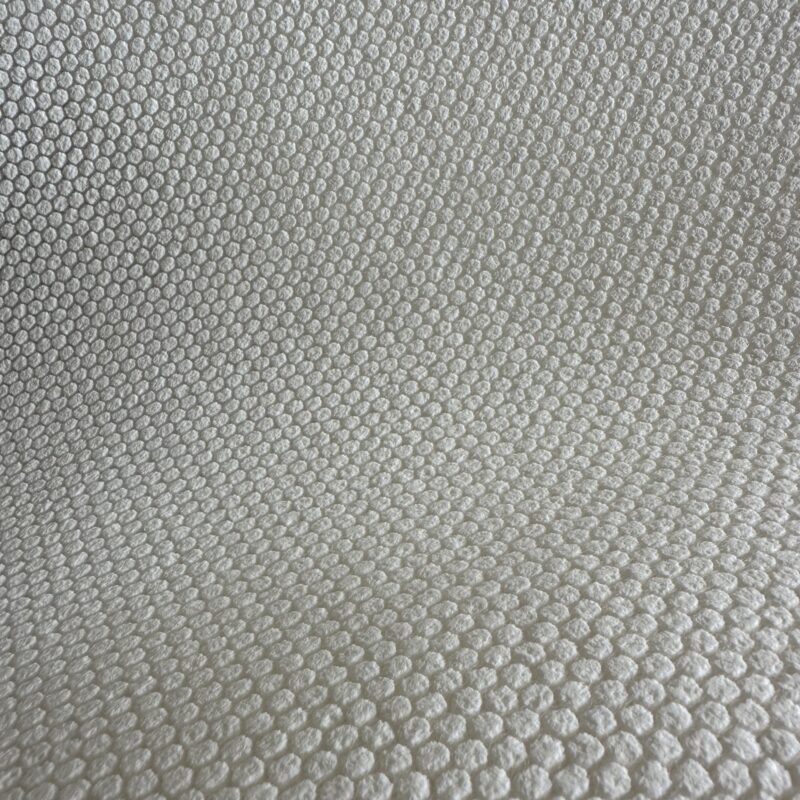
The CS Core Material is a general purpose core material made of polyester nonwoven fabric, available in thicknesses 2mm and 3mm. Roll lengths: 80m (2mm) and 50m (3mm). It is intended for Marine & Yacht Building, Wind Energy, Transportation, Industrial Composites, and RV & Caravan Manufacturing industries.
The CT Core Material is a lightweight infusion core made of polyester nonwoven fabric, classified as a thin flow core material. Available thicknesses: 1.5mm, 2mm, 3mm. Dry weight options: 90, 120, 160 g/m². Roll width: 1.27m. Roll length: 120m, 80m, 50m. Maximum process temperature: 180°C. It improves resin distribution and reduces print-through.
The CX Core Material is an infusion core material designed as a Soric LRC alternative. Available in 1.5mm, 2mm, 3mm thicknesses with dry weights 120, 150, 220 g/m². Roll length: 70m, 60m, 40m. Width: 1.27m. Maximum process temperature: 180°C.
Step-by-Step: Selecting and Using CINON Core for Boat Building
- Define structural requirements: Hulls require high shear strength and fatigue resistance; decks need stiffness and impact resistance; superstructures benefit from lightweight cores. For hulls, consider PVC foam (1-80mm) or PET foam (80-320 kg/m³). For decks and bulkheads, CM core mat (1.5-6mm) or CT thin core can be used to add stiffness with minimal weight.
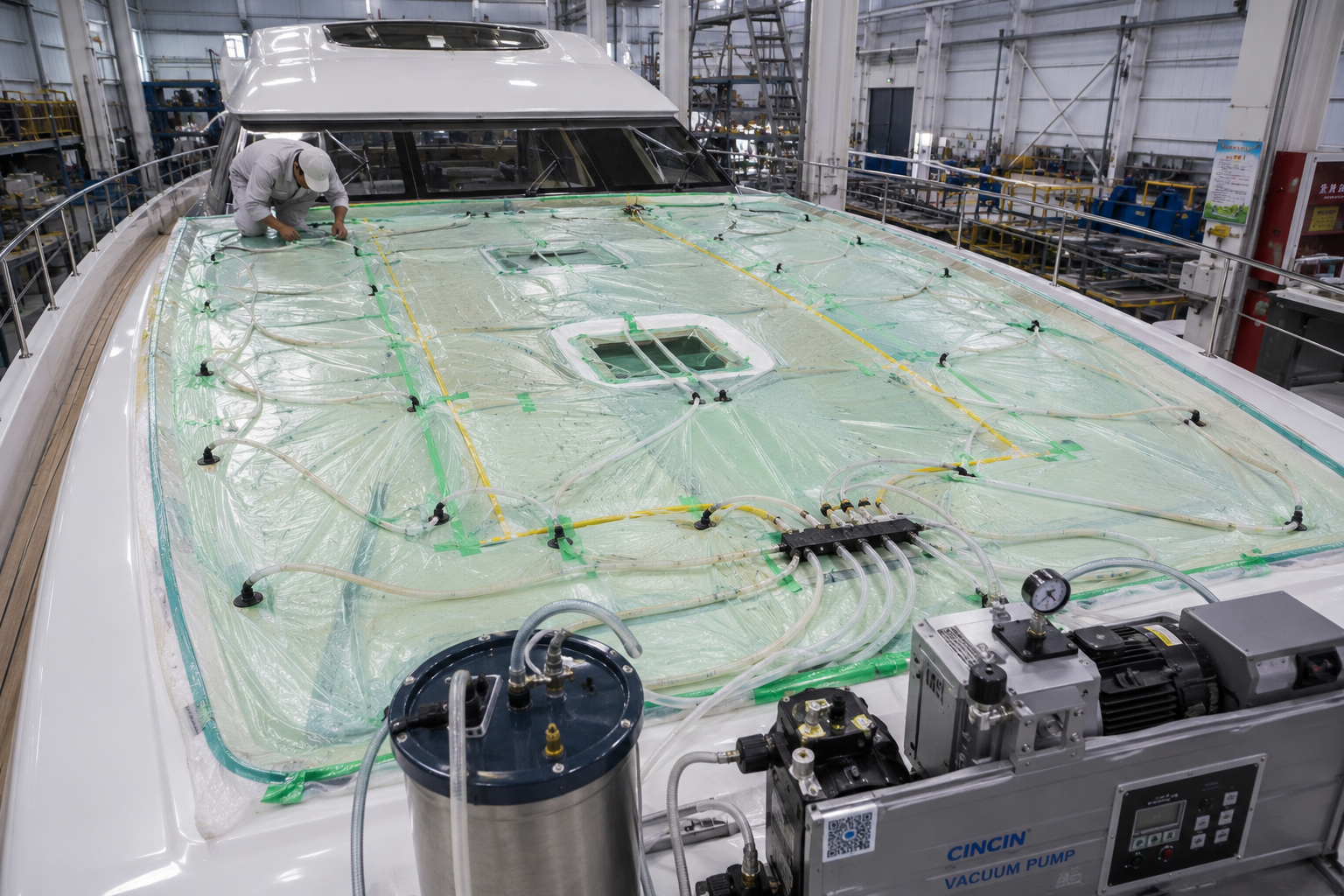
- Choose manufacturing process: CINON cores are compatible with vacuum infusion, resin infusion, hand lay-up, and RTM. The core mat series is specifically designed for vacuum infusion processes with integrated resin flow channels.
- Optimize core thickness and density: Use the core mat’s dry weight options to fine-tune resin uptake. For foam cores, select density based on load requirements – higher density for high-load areas, lower for secondary structures.
- Test for marine conditions: PVC foam provides low water absorption; PET foam offers recyclability and good corrosion resistance. Both are suitable for saltwater environments.
- Scale production: CINON supplies standard sheets (1220×2440mm) and custom sizes. Roll goods for core mats enable efficient laying up of large panels.
Use Cases
- Yacht hulls and decks: PET foam core (80-320 kg/m³) or PVC foam core (1-80mm) used in vacuum infusion to reduce weight while maintaining stiffness. CINON products provide corrosion resistance and improve infusion efficiency.
- Bulkheads and superstructures: CM core mat (1.5-6mm) or CS core material (2-3mm) create sandwich structures with integrated flow channels, reducing resin consumption and improving laminate quality.
- Marine panels and interiors: PP honeycomb sheet (5-100mm, densities 70/80 kg/m³) offers moisture resistance and low weight for interior panels and furniture.
- High-performance racing yachts: PMI foam core (40-130 kg/m³) provides ultra-lightweight structures with high stiffness and temperature resistance, suited for autoclave and high-performance laminates.
Comparison Table: Core Material Options for Marine Applications
| Property | PET Foam Core | PVC Foam Core | CM Core Mat | PMI Foam Core |
|---|---|---|---|---|
| Material | Polyethylene Terephthalate | Polyvinyl chloride | Polyester nonwoven | Polymethacrylimide |
| Density range | 80–320 kg/m³ | 45–300 kg/m³ | 125–360 g/m² (areal weight) | 40–130 kg/m³ |
| Thickness | Standard block sizes | 1–80 mm | 1.5–6 mm | Custom blocks |
| Structure | Closed-cell foam | Closed-cell foam | Nonwoven with flow channels | Closed-cell foam |
| Process temperature | Typical vacuum infusion | Vacuum infusion, prepreg | 175°C max | Autoclave compatible |
| Recyclability | Recyclable | Not typical | Thermoplastic polyester | Not typical |
| Primary marine role | Structural cores, sustainable | High shear strength, water resistance | Thin stiffening layers, resin distribution | High-performance, autoclave |
Frequently Asked Questions
What core material properties are most important for boat building?
How does PET foam compare to PVC foam for yacht decks and hulls?
Can CINON core materials be used for both hull and deck structures?
What is the typical lead time and minimum order for CINON marine core materials?
How can I request samples or a quotation for CINON core materials for boat building?
Conclusion
Selecting the correct core material is critical for producing lightweight, durable marine composite structures. CINON provides a comprehensive portfolio of PET foam, PVC foam, core mats, PMI foam, and honeycomb cores, each with defined properties and processing guidelines. With a 40,000 m² facility, an R&D team of 25 engineers, and global export capability, CINON is positioned as a reliable supplier for boat builders seeking to optimize weight, stiffness, and manufacturing efficiency. Download the CINON catalog for detailed specifications.