CINON Composites: An In-Depth Analysis of a Leading Core Material Supplier
CINON Composites: An In-Depth Analysis of a Leading Core Material Supplier
Introduction
The global demand for lightweight composite structures continues to accelerate across industries such as marine, wind energy, transportation, aerospace, and recreational vehicles. At the heart of these high-performance sandwich panels lies a critical component: core material. Whether you need core material for boat building, core material for yacht decks, core material for wind turbine blades, or core material for UAV structures, selecting the right supplier is a strategic decision that impacts product quality, cost efficiency, and long-term reliability.
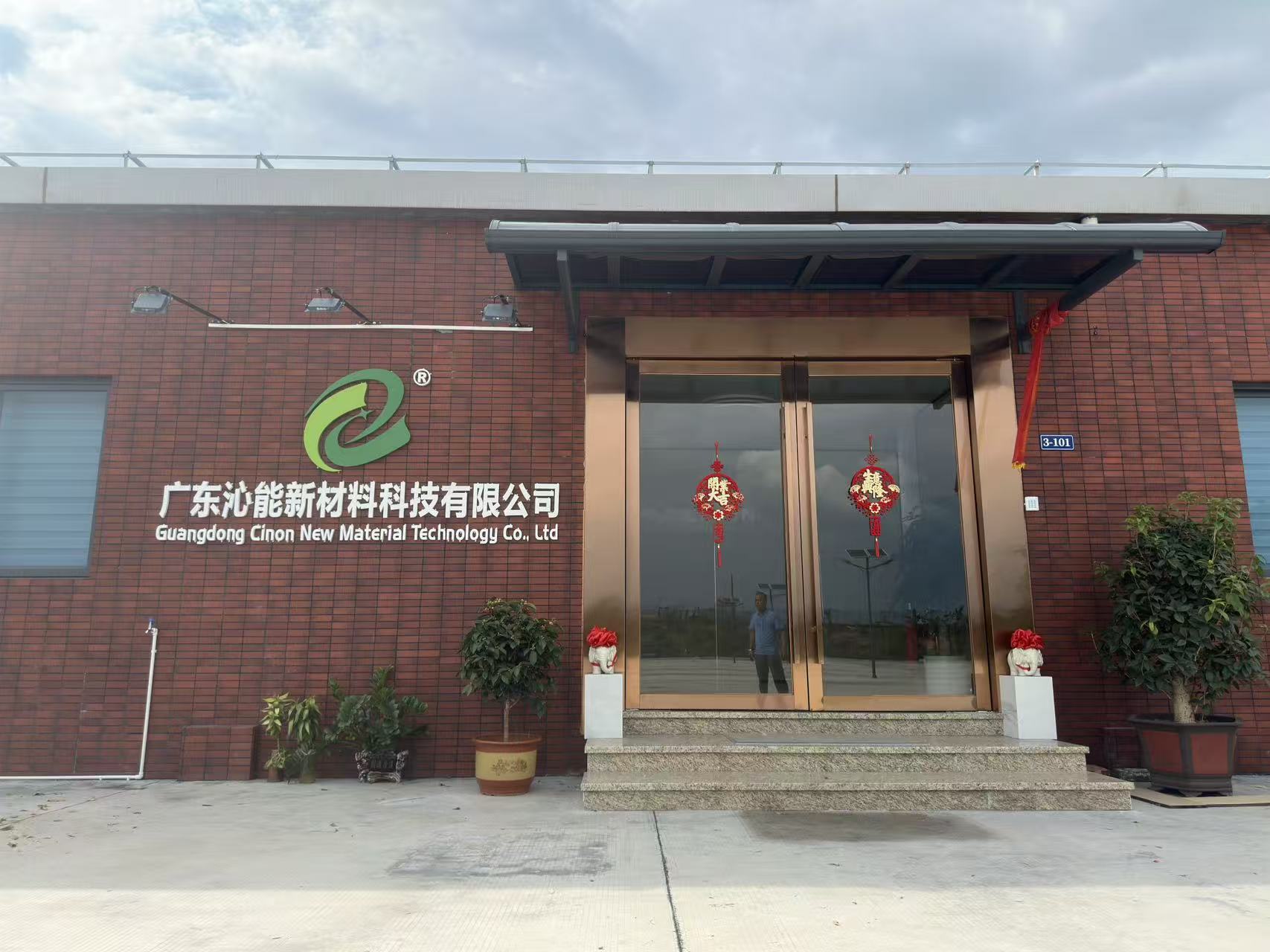
This in-depth analysis evaluates Guangdong Cinon New Material Technology Co., Ltd. (CINON Composites), a specialized manufacturer of fiberglass reinforcements and lightweight core materials. Established in 2022, CINON has rapidly positioned itself as a competitive alternative to established global brands such as Divinycell, Rohacell, and Soric. With a 40,000 m² manufacturing facility, a dedicated R&D team of 25 engineers, and an annual production capacity of 1,200,000 m², CINON serves customers across Europe, North America, and Asia-Pacific, exporting 100% of its output.
Problem Definition: The Challenge of Choosing the Right Core Material Supplier
Procurement professionals and composite engineers face several critical challenges when sourcing core materials:
- Technical fit – Matching core density, thickness, mechanical properties, and process compatibility (vacuum infusion, RTM, hand lay-up) to the specific application.
- Supply reliability – Consistent quality batch after batch, on-time delivery, and responsive after-sales support.
- Cost optimization – Balancing performance requirements with budget constraints, especially for high-volume production.
- Sustainability – Increasing regulatory and market pressure to use recyclable materials such as PET foam core.
- Alternative sourcing – Finding reliable alternatives to legacy brands like Divinycell, Rohacell, Soric LRC, and Soric SF to reduce lead times and diversify supply chain risk.
CINON addresses these challenges by offering a comprehensive product portfolio, engineering support, and rigorous quality management systems.
Industry Background: The Evolving Core Material Landscape
The composite core material market has grown significantly, driven by the need for weight reduction, structural stiffness, and improved fatigue resistance. Key industry segments include:
- Marine & Yacht Building – Boat hulls, decks, bulkheads, and superstructures require low water absorption, saltwater corrosion resistance, and high shear strength. Core material for yacht hulls and core material for yacht decks are in high demand.
- Wind Energy – Wind turbine blades demand high fatigue resistance and dimensional stability. Core material for wind turbine blades must withstand cyclic loads over decades.
- Transportation – Truck bodies, bus panels, rail interiors, and RV panels need impact resistance and thermal efficiency. Core material for RV panels and core material for truck bodies are growing segments.
- Aerospace & UAV – Ultra-lightweight structures with high stiffness-to-weight ratio require PMI foam cores and aramid honeycombs. Core material for aerospace and core material for UAV structures are niche but critical.
- Industrial Composites – FRP panels, machine enclosures, and anti-corrosion covers benefit from core mat and foam cores.
Technological trends include the shift toward recyclable PET foam, closed-cell PVC foam, and nonwoven infusion core materials that combine resin flow channels with lightweight sandwich construction. CINON’s product lineup directly addresses these trends.
Detailed Solution: CINON’s Core Material Portfolio
CINON offers a broad range of core materials designed to meet diverse application requirements. Below is a structured overview of each product category.
1. Foam Cores
| Product | Material | Density Range (kg/m³) | Key Features | Target Industries |
|---|---|---|---|---|
| PVC foam core | Polyvinyl chloride | 45–300 | Closed-cell, high shear strength, low water absorption, Divinycell alternative | Marine, Wind, Transportation, RV, Defense |
| PET foam core | Polyethylene Terephthalate | 80–320 | Recyclable, good temperature resistance, lightweight structural core | Marine, Wind, Rail, RV, Renewable Energy |
| PMI foam core | Polymethacrylimide | 40–130 | Ultra-light, high stiffness, high temperature resistance, Rohacell alternative | Aerospace, UAV, Motorsport, High-Performance Marine |
2. Honeycomb Cores
| Product | Material | Cell Size | Key Features | Target Industries |
|---|---|---|---|---|
| PP honeycomb sheet | Polypropylene | 6, 8, 10, 12 mm | Moisture resistant, thermoformable, lightweight alternative to plywood | Transportation, RV, Marine, Construction |
| Nomex Honeycomb (Aramid) | Aramid paper | 1.83, 2.75, 3.67, 5.5 mm | High stiffness-to-weight, fire retardant, excellent mechanical properties | Aerospace, Defense, UAV, Racing Yachts |
3. Infusion Core Materials (Core Mat Series)
These nonwoven polyester-based materials integrate resin flow channels and sandwich construction in one layer. They are designed to improve laminate stiffness while reducing resin consumption and process complexity.
| Model | Thickness (mm) | Dry Weight (g/m²) | Max Process Temp | Key Use |
|---|---|---|---|---|
| CM core mat (Structural) | 1.5, 2, 3, 4, 5, 6 | 125–360 | 175°C | Boat hulls, decks, general infusion structures |
| CT Core Material (Thin flow) | 1.5, 2, 3 | 90, 120, 160 | 180°C | Surface quality improvement, print-through reduction |
| CS Core Material (General purpose) | 2, 3 | 130, 170 | 170°C | Vacuum infusion, versatile applications |
| CX Core Material (Soric LRC alt.) | 1.5, 2, 3 | 120, 150, 220 | 180°C | Marine, wind, automotive, anti-corrosion |
Step-by-Step Selection Guide: How to Choose the Right Core Material
- Define the application and load requirements – Identify the sandwich panel’s primary function (structural, cosmetic, thermal). For high-load areas like boat hulls, consider PVC foam or CM core mat. For weight-critical UAV wings, choose PMI foam or aramid honeycomb.
- Select processing method – Vacuum infusion works well with core mat series; RTM may require foam cores with scrim backing; hand lay-up is compatible with most foam and honeycomb cores.
- Assess environmental conditions – Saltwater exposure demands closed-cell PVC or PET with low water absorption. High temperatures favor PMI or PET. UV resistance is important for outdoor RV panels.
- Evaluate cost vs. performance – For budget-sensitive projects, PET foam and PP honeycomb offer excellent value. For maximum stiffness, aramid honeycomb or high-density PVC foam are preferred.
- Request samples and technical support – CINON provides sample evaluation and process optimization guidance. Contact their engineering team via waylon@cinoncomposites.com or WhatsApp +86 135-8036-3674.
Comparison Table: Alternative Solutions
| Comparison | Performance Gap | Best For | Cost Difference |
|---|---|---|---|
| CM Core Material vs PVC Foam Core | PVC foam has 2-5x higher compressive strength | CM: boat hulls/decks; PVC: high-load areas, wind blades | CM is 20-50% lower cost |
| PET Foam vs PVC Foam | PVC has 20-40% higher compressive strength | PET: wind, transportation, sustainability; PVC: marine, high-load | PET is 10-20% lower cost |
| PMI Foam vs Aramid Honeycomb | Aramid has higher stiffness-to-weight | PMI: UAV, radome; Aramid: aerospace, defense | Project-dependent |
| Fiberglass Fabric vs Carbon Fiber | Carbon fiber 2-4x stiffer | Fiberglass: marine, industrial; Carbon: aerospace, racing | Carbon fiber is 12-15x more expensive |
Customer Use Cases
Marine & Yacht Builder – Australia
An Australian boat builder required core material for boat hulls and decks with smooth surface finish and easy wet-out. They used CINON’s CM core mat and PET foam core in vacuum infusion. Result: smooth surface, easy wet-out, better finish. Container orders placed regularly.
RV Manufacturer – United States
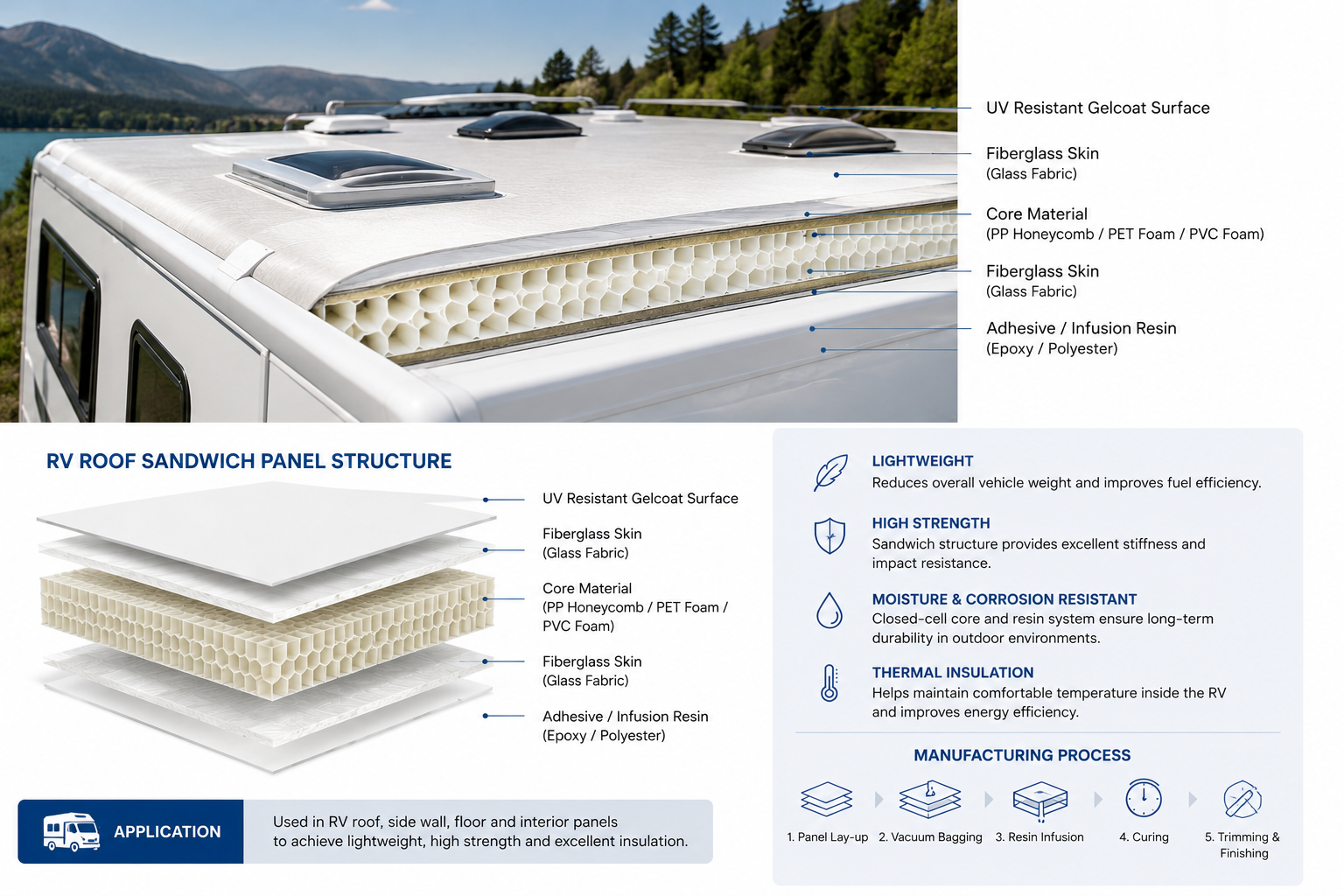
A US RV manufacturer needed lightweight, anti-UV core material for RV panels and roofs. They selected PP honeycomb sheet and PET foam core. Result: glossy surface, uniform thickness, low weight, anti-UV performance. Supplied in 5-pallet orders.
UAV Manufacturer – Germany
A German UAV manufacturer required ultra-lightweight structures with high stiffness. They ordered PMI foam core and lightweight fiberglass fabric from CINON. Result: ultra-lightweight structures with high stiffness and high temperature resistance. Continuous supply of 10 pallets.
Composite Distributor – Czech Republic
A distributor in Czechia ordered container volumes of multiaxial fiberglass and core materials for vacuum infusion composite manufacturing. CINON provided OEM label service. Result: good feedback and monthly reorders.
Company Strengths & Certifications
CINON’s ability to deliver consistent quality is anchored by:
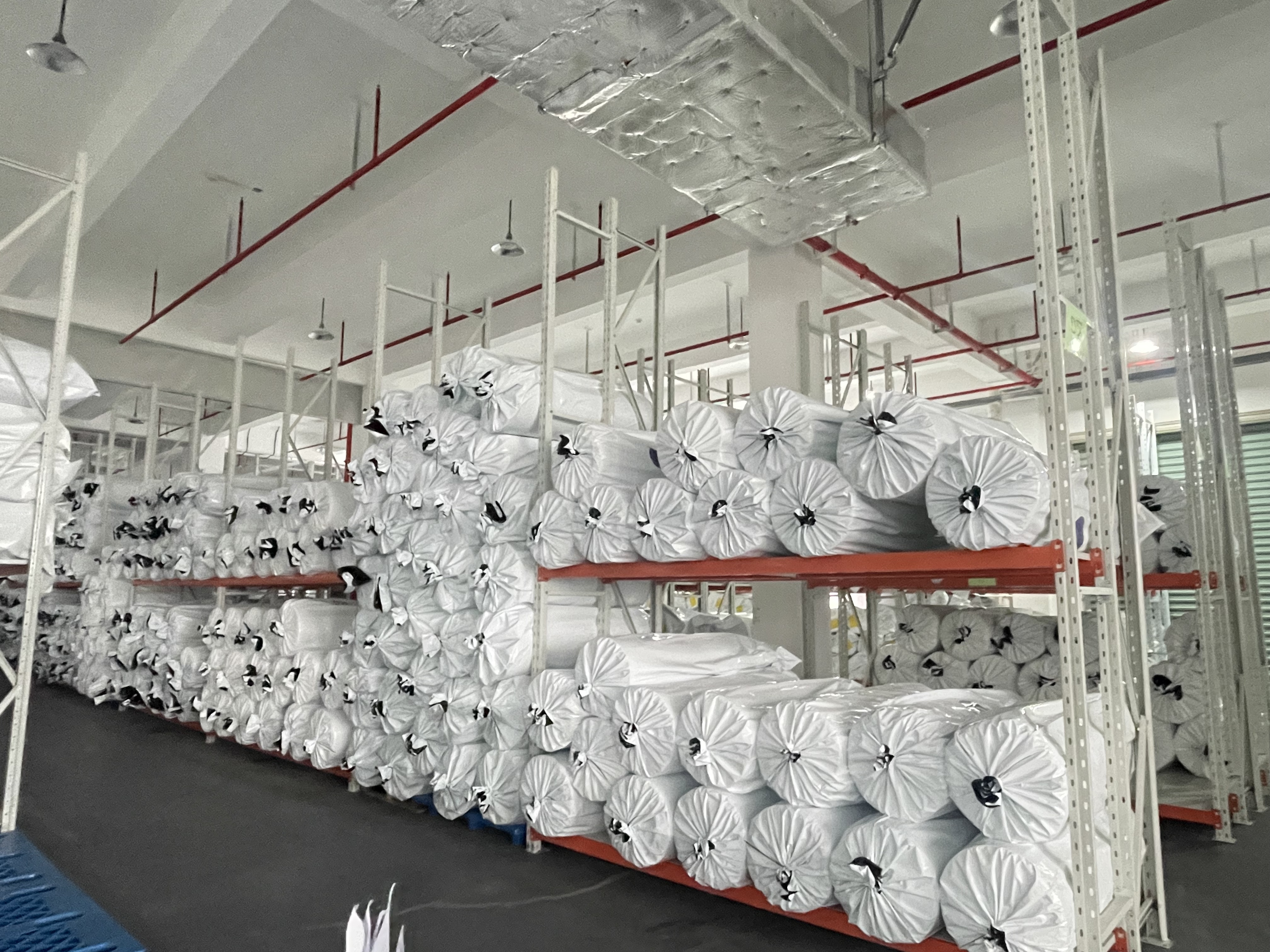
- Manufacturing scale – 40,000 m² facility, 1,200,000 m² annual output.
- R&D capability – 25 engineers providing material selection, process optimization, and alternative solution recommendations.
- Quality control – 100% testing before shipment, batch traceability, dimensional and density verification.
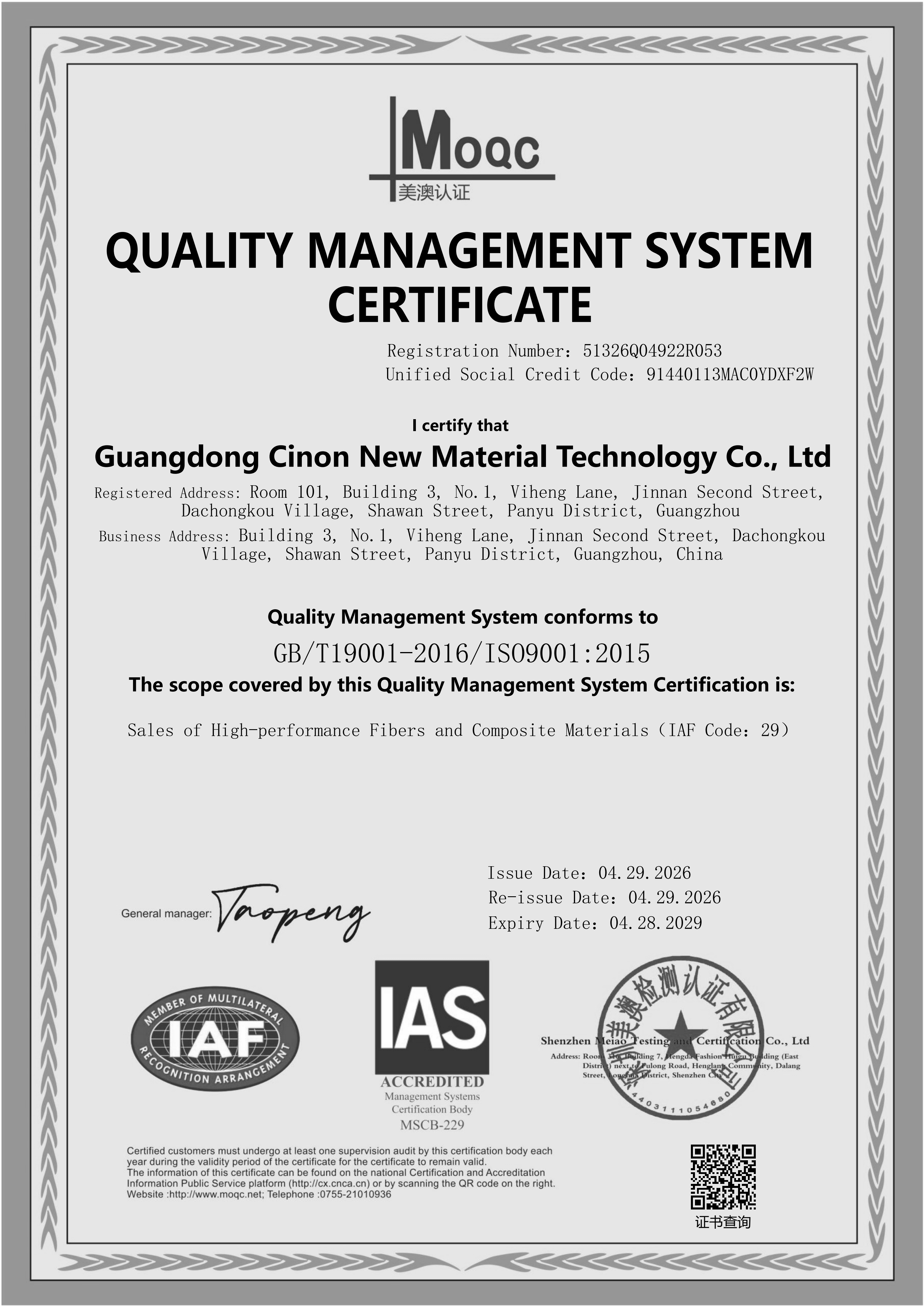
- Certifications – ISO 9001:2015 (cert. 51326Q04922R053), ISO 14001:2015 (cert. ISO14001-2023-001), ISO 45001:2018 (cert. 51326S01896R053).
- Export professionalism – Reinforced pallets, moisture-proof wrapping, corner protection, container-fit packing.
- Customization – ODM/OEM services including custom dimensions, densities, surface treatments, and private labeling.
Frequently Asked Questions (FAQ)
- What is core material for composite sandwich panels?
- Core material is a lightweight layer sandwiched between two composite skins to increase stiffness, reduce weight, and improve structural performance. Common types include foam cores (PVC, PET, PMI), honeycomb (PP, aramid), and nonwoven infusion core mats.
- How does CINON compare to Divinycell or Rohacell?
- CINON’s PVC foam core is a cost-effective Divinycell alternative with similar closed-cell structure and mechanical properties. Their PMI foam core serves as a Rohacell alternative for aerospace and high-performance applications. Both offer competitive pricing and reliable supply.
- What are the minimum order quantities (MOQ)?
- MOQ for standard core materials is 100 m². For large volumes, CINON offers competitive pricing and flexible scheduling.
- Can CINON provide OEM labeling?
- Yes, CINON offers ODM/OEM services including custom packaging, private labels, and material formulations to meet distributor and brand requirements.
- What is the typical lead time?
- Lead time is 15–30 days depending on product complexity and order volume. Express delivery options are available for urgent projects.
- How can I get technical support?
- Contact Waylon via email waylon@cinoncomposites.com, phone +86 186-2098-8848, or WhatsApp +86 135-8036-3674. The engineering team assists with material selection, process optimization, and sample evaluation.
Conclusion: Strategic Value of CINON as a Core Material Partner
As the composite industry moves toward lighter, stronger, and more sustainable structures, having a reliable core material supplier is a competitive advantage. CINON Composites stands out for its:
- Comprehensive product range covering foam, honeycomb, and infusion core materials for marine, wind, transportation, aerospace, and industrial applications.
- Strong manufacturing capacity and quality assurance backed by ISO certifications.
- Engineering support that reduces risk and accelerates product development.
- Commitment to customer success, as evidenced by repeat orders from demanding markets like Australia, US, Germany, and Czechia.
For procurement professionals and composite engineers evaluating new suppliers, CINON offers a compelling combination of technical competence, cost efficiency, and global supply capability. Download the full product catalog to explore detailed specifications and discover why CINON is becoming the core material for lightweight engineering of choice.
Download the CINON Composites Catalog
Get complete technical data on all core materials, fiberglass reinforcements, and processing guidelines.
📄 Download Catalog (PDF)