Complete Guide to Optical Fiber Cable: Types, Applications, and Procurement Insights
Complete Guide to Optical Fiber Cable: Types, Applications, and Procurement Insights
Optical fiber cable is the backbone of modern telecommunications, data centers, and broadband access networks. As network demands grow, selecting the right cable type – indoor, outdoor, ribbon, loose tube, or bow-type drop – becomes critical for performance, cost, and long-term reliability. This guide provides a structured overview of optical fiber cable categories, key specifications, application scenarios, and procurement considerations, with reference to the manufacturing capabilities of Nanfang Communication, a subsidiary of South Communication Holdings Limited (Stock Code: 1617.HK) since 1992.
What Is an Optical Fiber Cable?
An optical fiber cable is a physical-layer transmission medium that uses strands of silica glass (optical fibers) to carry light signals for data communication. According to Nanfang Communication, its optical fiber cable (model GYTA53) is designed for telecommunications, ISP, data center, FTTx, enterprise, industrial, smart city, 5G backhaul, and metropolitan backbone network scenarios. The cable typically consists of a fiber core (e.g., G.652 or G.657 single-mode fiber), cladding, aramid strength members, armoring (galvanized steel wire or steel tape), and an outer sheath of PE or LSZH material. Key parameters include attenuation in dB/km, tensile strength, minimum bend radius, and operating wavelengths, which are specified per model datasheet.
Industry Background: Why Cable Selection Matters
Fiber optic networks require cables that match the installation environment. Indoor cables need flame-retardant jackets (LSZH), outdoor cables must withstand moisture, UV, and rodent damage. The wrong cable leads to signal loss, frequent repairs, or project downtime. According to Nanfang Communication, their fiber optic products serve as physical-layer transmission and distribution infrastructure, providing signal transmission, fiber distribution, and patching/access functions. These passive components are deployed in FTTH/FTTx access projects, metropolitan and backbone networks, data center interconnects, operator network expansion, 5G backhaul, and enterprise/campus networks.
Detailed Solution: Nanfang Communication's Optical Fiber Cable Portfolio
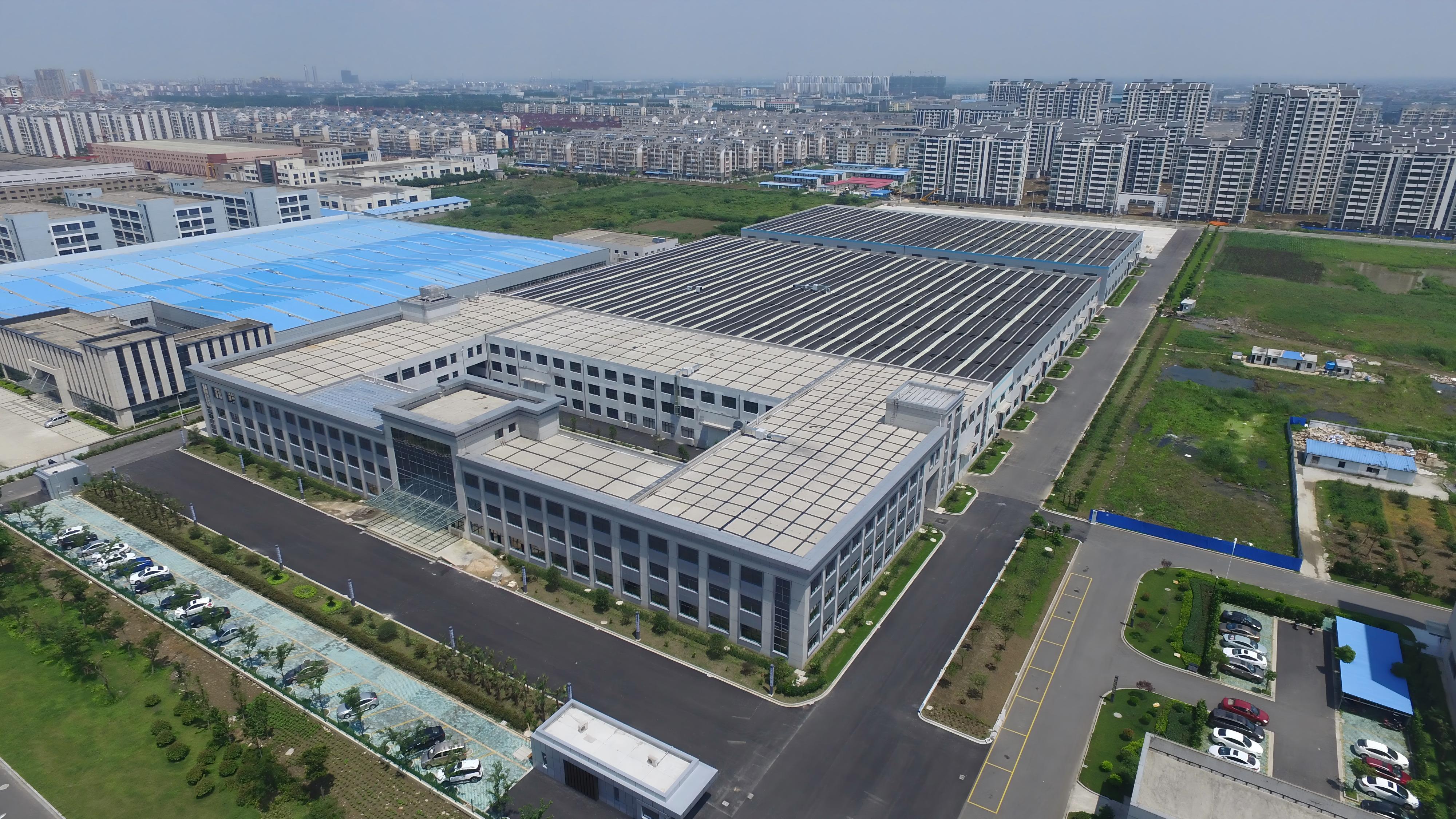
Nanfang Communication, established in 1992 and based in Changzhou, China, specializes in R&D, production, and sales of communication optical cables, fiber optic cables, and related accessories. Main products include optical fibers, optical cables, ODN systems, optical components (indoor/outdoor optical cables, PLC splitters, fiber optic connectors, MPO multi-core connectors, optical modules, etc.), as well as custom specialty fibers/cables and system integration services. The company’s annual production capacity reaches 3,000,000 core kilometers, supported by a manufacturing facility of 26,795.3 m² and a workforce of approximately 360 staff, including an R&D team of 80 engineers.

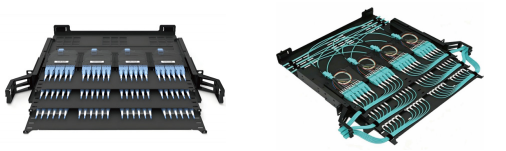
The GYTA53 model is a typical outdoor optical cable featuring silica glass core, strength members of FRP, armoring of galvanized steel wire or steel tape, and sheath options of PE or LSZH. Common fiber types include G.652 and G.657. For indoor applications, the company offers bow-type drop cables, ribbon cables, and loose-tube cables. For high-density environments, MPO/MTP assemblies and adapters enable rapid patching. The company also produces MPO/MTP loopback test equipment, fan-out breakout cables for data center cabinet interconnection (40G/100G/400G SR4/PSM4 module connections), and MPO fiber optic adapters with insertion loss ≤0.35dB (low-loss) and return loss ≥50dB.
Step-by-Step Breakdown: Choosing the Right Optical Fiber Cable
- Determine Application Environment: Identify indoor vs. outdoor, duct, aerial, direct burial, or harsh conditions. Nanfang Communication’s products operate under indoor cabling, duct/ducting, aerial/self-supporting, and direct burial conditions, with weatherproofing, waterproofing, rodent protection, and temperature resistance as needed.
- Select Fiber Type: Single-mode (G.652, G.657) for long-distance, low-attenuation links; multimode (OM3/OM4/OM5) for short-reach data center connections. The GYTA53 supports both single-mode and multimode fibers.
- Determine Core Count and Sheath Material: Core counts can be customized. Sheath material: PE for outdoor, LSZH for indoor or plenum spaces. Armoring (steel tape or steel wire) adds crush and rodent resistance.
- Check Special Requirements: Low attenuation, low insertion loss, flame-retardant, waterproof, customizable labeling. Nanfang Communication also provides custom specialty fibers/cables and system integration services.
- Evaluate Supporting Components: The cable works with optical modules, PLC splitters, cable splice closures, FTTH distribution boxes, MPO patch panels, fiber optic connectors, MT-FAU assemblies, and WDM units.
Use Cases Across Industries
- Telecom Operators: FTTH/FTTx access networks, metropolitan and backbone networks. Nanfang Communication has partnered with China Telecom, China Mobile, China Unicom, and China Broadcast Network.
- Data Centers: High-density cabling requiring MPO adapters, fan-out cables, and pre-terminated trunk cables.
- 5G Backhaul: Outdoor loose-tube or ribbon cables for high-bandwidth backhaul links.
- Enterprise & Campus: Indoor riser cables with LSZH jacket.
- Industrial IoT & Smart City: Armored cables for harsh outdoor environments.
Comparison Table: Key Optical Fiber Cable Types
| Type | Construction | Typical Application | Sheath Material | Fiber Types |
|---|---|---|---|---|
| GYTA53 (Outdoor) | Steel tape armoring, PE sheath | Aerial, duct, direct burial | PE | G.652, G.657 |
| Bow-type Drop Cable | Self-supporting, flat profile | FTTH last mile | LSZH/PE | G.657 |
| Ribbon Cable | Multiple fibers in ribbon matrix | High-density backbone | PE/LSZH | SM/MM |
| Loose-tube Cable | Gel-filled tubes | Outdoor long-haul | PE | SM |
| Indoor Distribution Cable | Tight-buffer, LSZH jacket | Indoor riser, plenum | LSZH/PVC | G.652, G.657, OM3/OM4 |
Note: Specifications vary by model; refer to Nanfang Communication’s datasheets for exact parameters.
Frequently Asked Questions (FAQ)
1. What certifications does Nanfang Communication hold for optical fiber cables?
Nanfang Communication holds ISO9001, TL9000, ISO14001, OHSAS18001, ISO50001, and the Integration of Informatization and Industrialization Management System. It also operates a CNAS-accredited laboratory and is recognized as a High-tech Enterprise and National-level Green Factory.
2. What are the typical performance parameters of the GYTA53 optical fiber cable?
According to Nanfang Communication’s product specifications, the GYTA53 cable supports fiber types G.652 and G.657. Attenuation values are specified in dB/km and operating wavelengths fall within typical optical communication bands. Tensile strength and minimum bend radius are provided in the model datasheet. The cable uses silica glass core, FRP strength members, and galvanized steel wire/tape armoring with PE or LSZH sheath.
3. Can Nanfang Communication produce custom optical fiber cables?
Yes. The company offers custom specialty fibers/cables and system integration services. Customizable features include core count, fiber type, sheath material, labeling, and specific performance requirements. The R&D team consists of 80 engineers and the company holds over 300 patents (including 45+ invention patents).
4. What is the annual production capacity for optical fiber cables?
Nanfang Communication’s manufacturing facility (26,795.3 m²) has an annual production capacity of 3,000,000 core kilometers. The company employs approximately 360 staff.
5. How do I request a sample or obtain a quotation for optical fiber cables?
To request a sample or quote, contact Nanfang Communication via email at info@jsnfgroup.com, call +86 51988792646, or send a message on WhatsApp at +8619850287785. The sales team can provide datasheets, pricing, and lead-time information.
6. What is the typical lead time for custom optical fiber cable orders?
Lead time depends on cable type, core count, and customization. For accurate lead time, please contact the company directly. Nanfang Communication operates 28 provincial-level offices across China for localized support.
7. What industries does Nanfang Communication serve with its optical fiber cables?
The company serves telecom operators (China Telecom, China Mobile, China Unicom, China Broadcast Network), ISPs, data centers, FTTH/broadband access, enterprise campuses, industrial IoT, smart city projects, 5G backhaul, and metropolitan backbone networks. Application scenarios are common globally, including China.
Conclusion
Choosing the right optical fiber cable requires understanding the installation environment, fiber type, core count, sheathing, and supporting components. Nanfang Communication, with over three decades of experience, a vast production capacity, and a comprehensive product portfolio including indoor/outdoor cables, MPO assemblies, and ODN components, is a reliable partner for telecom, data center, and industrial projects. Download the company brochure for detailed product specifications, or contact the sales team for a tailored solution.