Sodium Hyaluronate Supplier Certification Compliance: A Buyer’s Guide for Food, Cosmetic & Pharma Grades
Sodium Hyaluronate Supplier Certification Compliance: A Buyer’s Guide for Food, Cosmetic & Pharma Grades
Sodium hyaluronate (also known as hyaluronic acid sodium salt) is a critical raw material across food supplements, cosmetics, and pharmaceutical formulations. However, sourcing this ingredient across international borders introduces serious compliance risks. Buyers often ask: “How do I verify that a sodium hyaluronate supplier meets the required certification standards for my market?”
This guide answers that question directly. We define the key certifications, explain how to validate them, and provide a step-by-step framework for selecting a compliant supplier. By the end, you will understand exactly which documents and factory credentials to request before signing a purchase agreement.
The Compliance Challenge: What Can Go Wrong Without Proper Certification?
Importing sodium hyaluronate without verified certifications exposes buyers to several risks:
- Customs rejection – Authorities in the EU, USA, and Korea may detain shipments lacking proper documentation (e.g., veterinary certificates for animal-derived HA).
- Product recall – Non‑compliant batches can lead to safety incidents and brand liability.
- Regulatory fines – Selling uncertified ingredients in food or pharma applications violates strict local laws.
- Supply chain disruption – A supplier that fails an audit may halt your production line unexpectedly.
The core problem: not all sodium hyaluronate suppliers are equally certified. Different grades (food, cosmetic, pharma) require different certification schemes. A supplier may claim compliance, but without verifiable certificates and batch traceability, the claim is meaningless.
Industry Background: Certification Requirements by Application
Sodium hyaluronate is produced in multiple molecular weight variants. The table below summarizes the typical certifications expected for each grade:
| Grade | Typical Molecular Weight | Key Certifications | Primary Markets |
|---|---|---|---|
| Food Grade | 0.8–1.5 Million Da | ISO 22000, HACCP, Kosher, Halal | Global (supplements, functional foods) |
| Cosmetic Grade | 1.0–1.5 Million Da | ISO 9001, Cosmos Organic, ISO 16128, GMP | EU, USA, Korea (serums, creams) |
| Pharma Grade | ≥ 2.0 Million Da (High MW) | ISO 9001, GMP, sterility certificates, USP/EP compliance | Injectable fillers, ophthalmics |
| Low / Super Low / Ultra Low MW | ≤ 0.1 Million Da | ISO 9001, ISO 22000 (if for food/cosmetic) | Deep hydration, hair care, transdermal delivery |
Tip: Buyers often overlook the fact that low molecular weight and hydrolyzed types also require the same certification base. Always check the scope of the certificate to confirm it covers the specific product type you intend to purchase.
How to Verify Sodium Hyaluronate Supplier Certification: A Step‑by‑Step Checklist
To eliminate compliance risk, follow this six‑step process when evaluating a potential supplier like Shandong Habier Biopharma Co., LTD (or any other).
Step 1: Define Your Required Grade and Molecular Weight
Confirm whether your application demands food, cosmetic, or pharma grade. For example, food grade typically expects 0.8–1.5 million Da, while pharma grade requires ≥2.0 million Da. The product should match your exact specification: high molecular weight, low molecular weight, super low, ultra low, or hydrolyzed.
Step 2: Request Copies of Valid Certificates
Ask the supplier to share PDFs of their active certificates. For a reliable supplier, these should include:
- ISO 9001:2015 – Quality management system (cert #1042Q00053R0S for Shandong Habier)
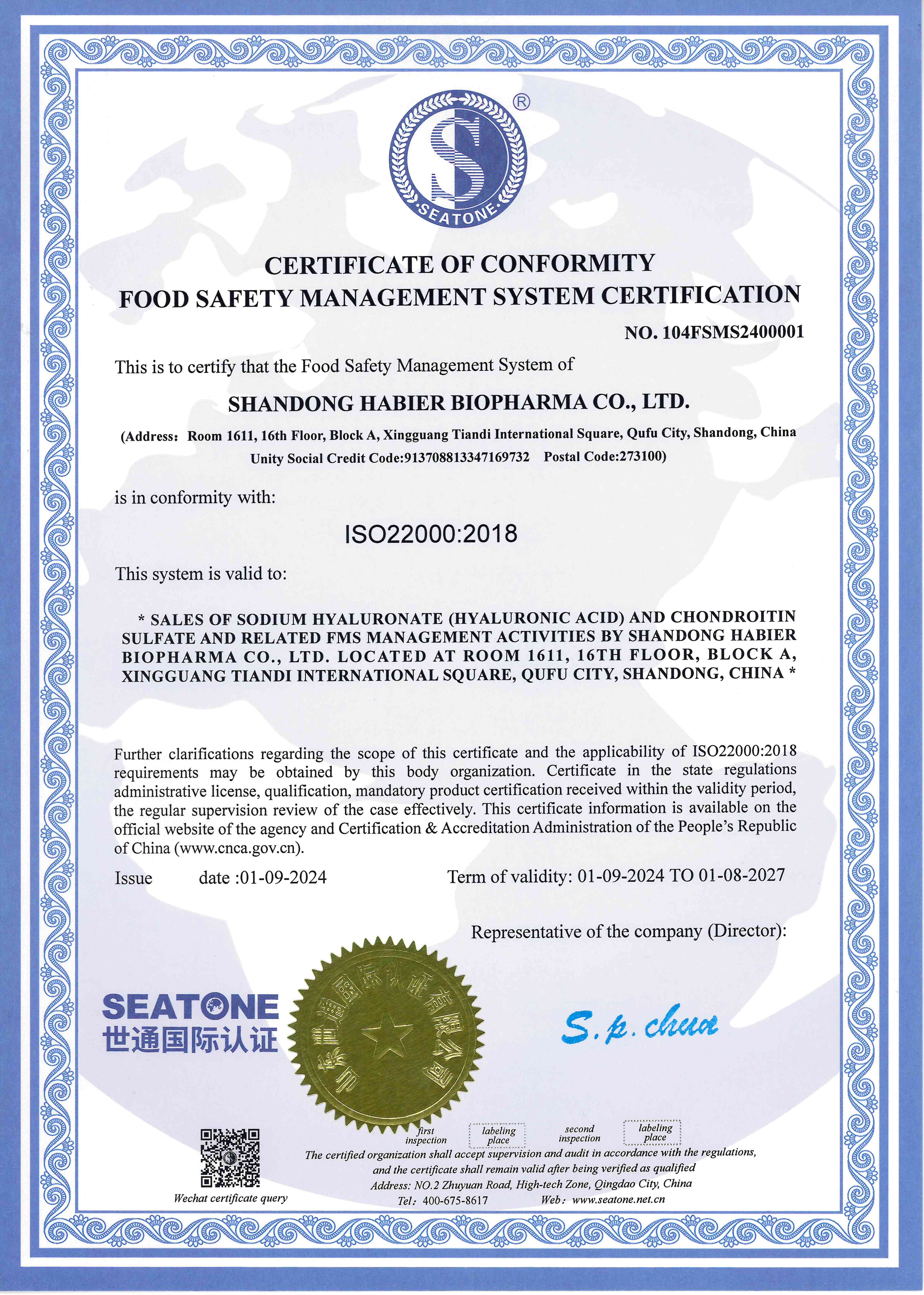
- ISO 22000:2018 – Food safety management (cert #104FSMS2400001)
- Kosher & Halal – Required for many food supplement markets
- Ecocert Cosmos & ISO 16128 – For organic cosmetic raw materials
Step 3: Verify Certificate Authenticity and Expiry
Cross‑check the certificate number and issuing body (e.g., SHANDONG SEATONE INTERNATIONAL CERTIFICATION CO.,LTD.). Confirm the issue and expiry dates. Shandong Habier’s ISO 22000 certificate is valid until 2027‑01‑08.
Step 4: Examine the Scope of Certification
Ensure the certificate explicitly lists “sodium hyaluronate” or “hyaluronic acid” in its scope. A certificate for “chemical products” in general may not cover your specific ingredient.
Step 5: Request Batch‑Specific COA and Third‑Party Reports
Each batch should have a Certificate of Analysis showing purity, molecular weight, heavy metals, and microbiology. Shandong Habier performs 100% full inspection before delivery and supports customer‑nominated third‑party testing.
Step 6: Conduct a Factory Audit or Virtual Tour
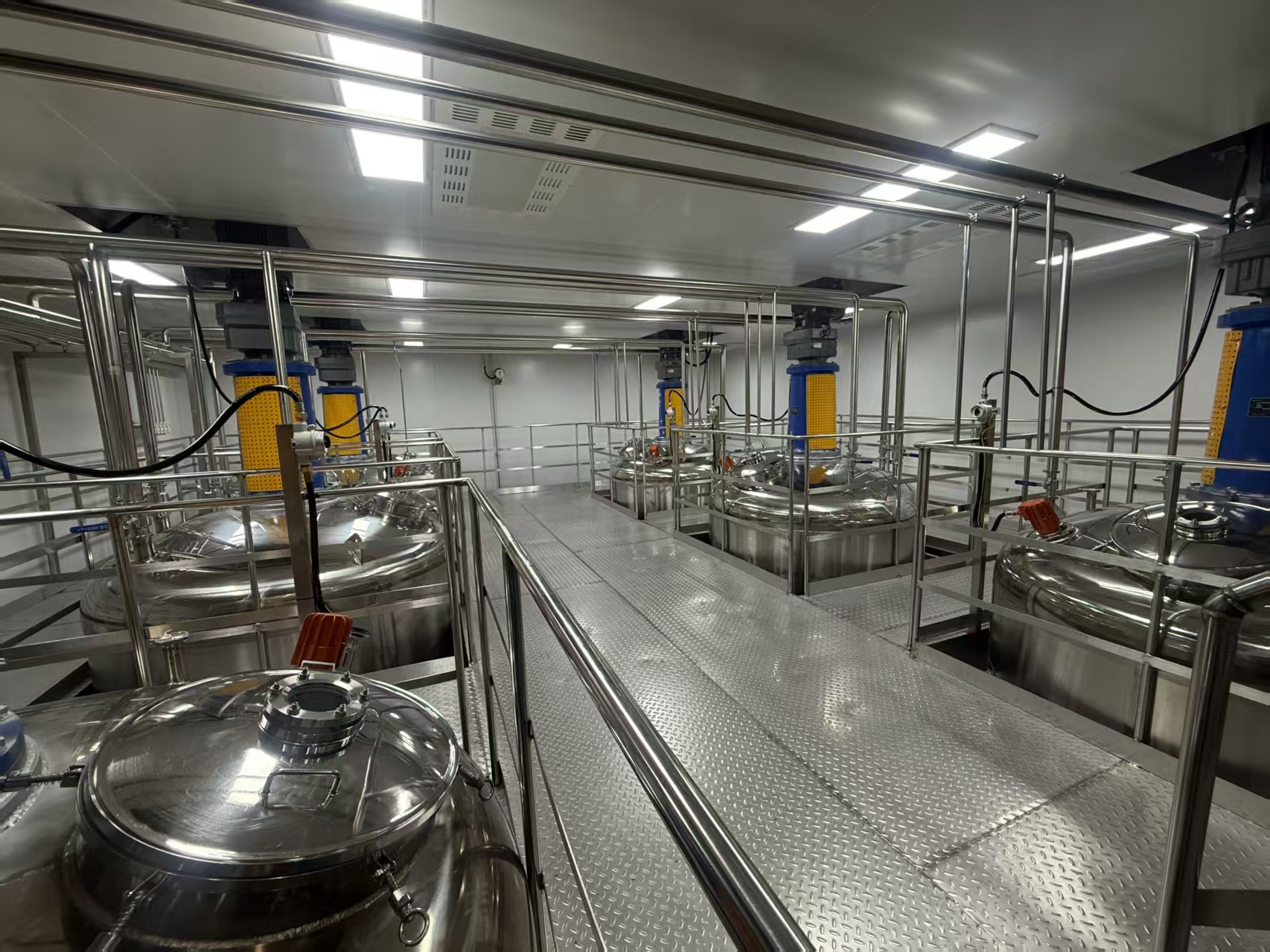
If possible, visit the production site or request a live video walkthrough. Shandong Habier’s factory in Qufu, Shandong, spans 50,000 m² and maintains cleanroom environments for pharma‑grade production.
Real‑World Case: How Certification Compliance Enabled Smooth U.S. Import
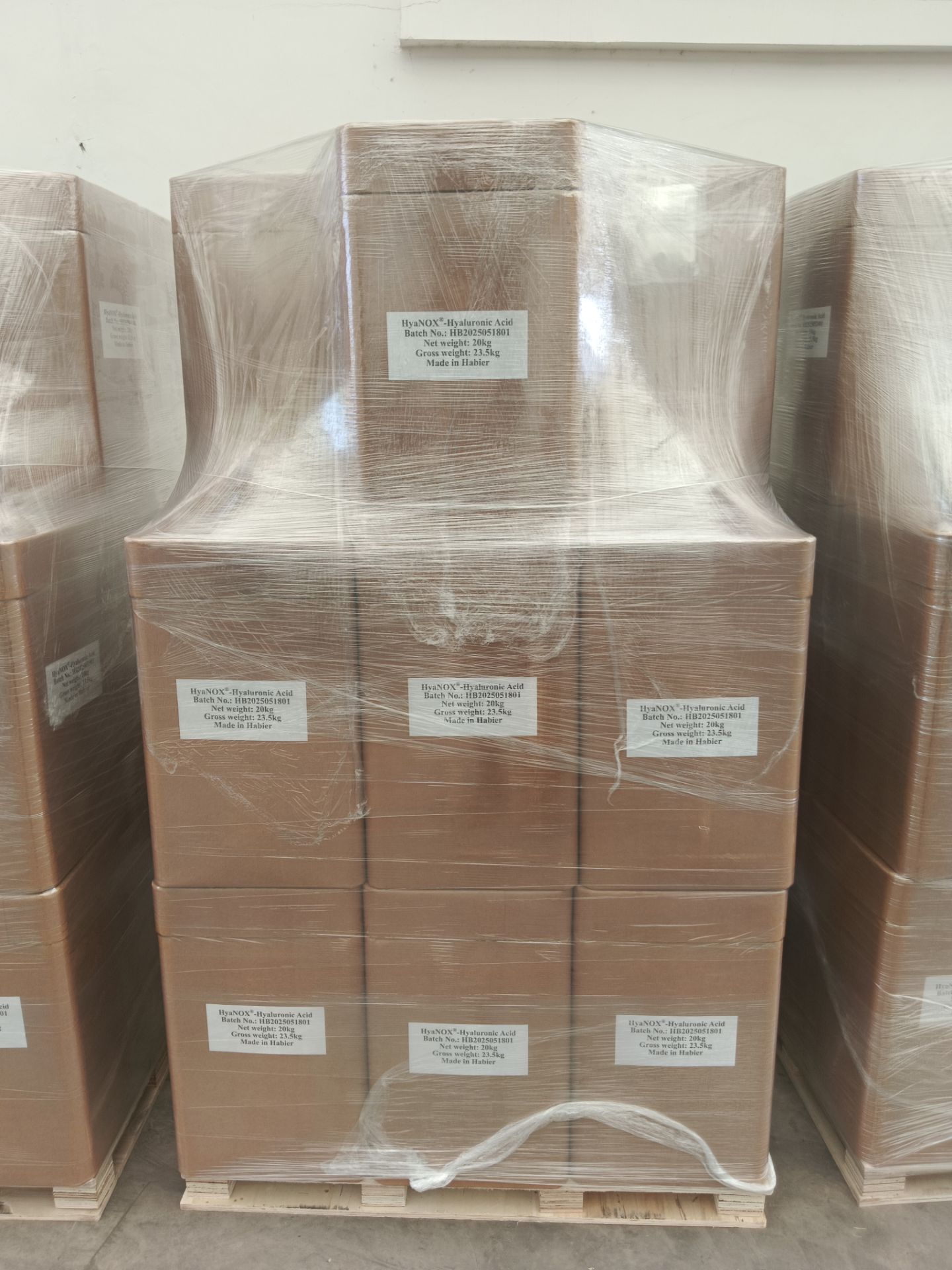
In a recent project, a U.S.‑based natural cosmetic and health supplement importer sourced 4,733 kg of sodium hyaluronate from Shandong Habier. The customer required avian‑origin raw material with a veterinary heat treatment certificate to comply with USDA APHIS regulations.
Shandong Habier provided:
- Full ISO 9001 and ISO 22000 certificates
- Official heat treatment documentation from the avian source
- Batch‑specific COA with molecular weight validation
- USDA import permit support
Result: The shipment cleared customs without issues. The customer continues to place repeat orders, citing batch‑to‑batch consistency and documentation reliability as key factors.
This case illustrates that certification compliance is not a bureaucratic checkbox – it is a competitive advantage that prevents delays and builds long‑term trust.
Frequently Asked Questions (FAQ)
Q1: What is the difference between ISO 9001 and ISO 22000 for sodium hyaluronate?
ISO 9001 focuses on overall quality management, while ISO 22000 specifically addresses food safety. Both are essential if you intend to use the ingredient in food supplements. Shandong Habier holds both (cert #1042Q00053R0S and #104FSMS2400001).
Q2: I need cosmetic grade – should the supplier have Cosmos certification?
Yes, if you market the final product as organic or natural. Shandong Habier’s sodium hyaluronate is certified under both Ecocert Cosmos and ISO 16128.
Q3: How can I be sure the certificate is not fake?
Check the certificate number against the issuing body’s database. Reputable suppliers openly share their certificates and invite third‑party verification. Shandong Habier encourages clients to conduct on‑site inspections.
Q4: Does the certification cover hydrolyzed hyaluronic acid and ultra‑low molecular weight types?
The scope must explicitly include these variants. Shandong Habier’s product line includes super low, ultra low, and hydrolyzed types, and their certifications apply to the entire sodium hyaluronate family.
Q5: What is the minimum order quantity (MOQ) and lead time?
Shandong Habier offers an MOQ of 1 kg for samples, with lead times of 5–8 days. Monthly capacity is 50–60 tons, supporting both small R&D batches and large commercial orders.
Conclusion: Make Certification Compliance Your First Filter
When selecting a sodium hyaluronate supplier, certification compliance is the single most important risk‑reduction tool. By following the six‑step verification framework above, you can confidently choose a partner that meets your market’s regulatory demands.
Shandong Habier Biopharma Co., LTD – located in Qufu, Shandong, China – offers a full portfolio of sodium hyaluronate grades (food, cosmetic, pharma, high MW, low MW, super low, ultra low, hydrolyzed) backed by ISO 9001, ISO 22000, Kosher, Halal, Cosmos, and ISO 16128 certifications. The company has an annual output of 600–700 MT and exports to EU, USA, and Korea.
Ready to source compliant sodium hyaluronate? Contact Jake Chen at jake@habier.com or call +86‑186‑0537‑0487 to request certificates, samples, or a factory tour.