
After-Sales Service & Repair Cost Control for Conveyor Belts
How to Secure After-Sales Service and Control Repair Costs When Purchasing High-Quality Conveyor Belts
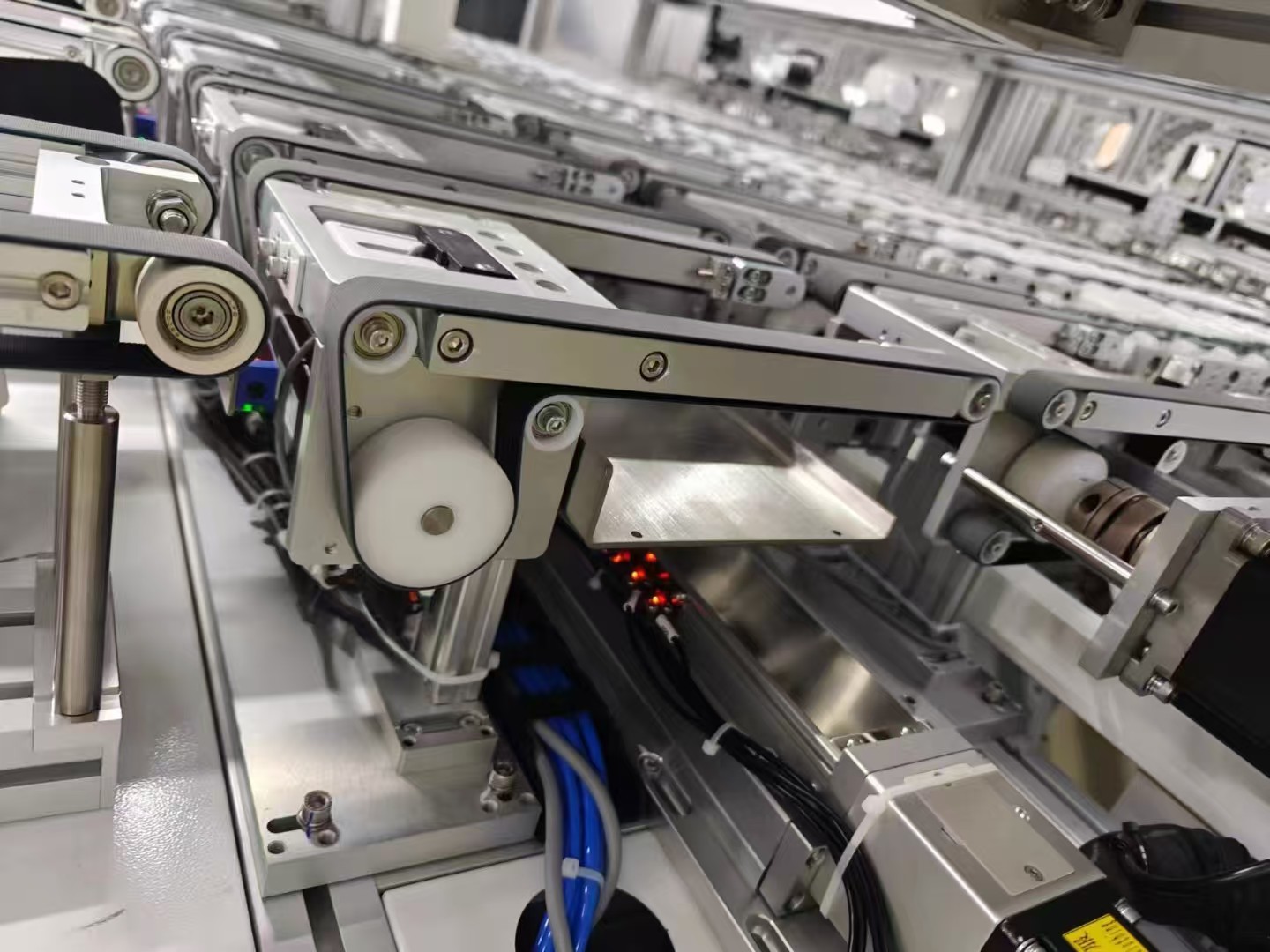
Reliable after-sales support is critical for uninterrupted production lines.
For procurement professionals and plant managers investing in high-quality conveyor belts, the purchase price is only one part of the total cost equation. A far greater concern lies in what happens after installation: How will after-sales service be delivered? How can unexpected repair costs be minimized? This guide addresses those exact concerns, providing a structured framework for evaluating suppliers and ensuring long-term operational stability.
The Problem: Hidden Costs and Unscheduled Downtime
Even the best synchronous belt or flat belt can experience wear or misalignment under 24/7 operation. When a belt fails, every minute of downtime translates into lost production, overtime labor, and emergency logistics. The real pain points for buyers include:
- No local technical support – overseas suppliers with limited response windows.
- High minimum order quantities for spare parts – forcing unnecessary inventory.
- Lack of remote diagnostics – requiring on-site visits that delay repairs.
- Unpredictable repair costs – especially for custom profiles or high-temperature resistance belt replacements.
Industry Background: Why After-Sales Matters More Today
Industrial conveyor systems in photovoltaic manufacturing, food processing, and pharmaceutical packaging operate under extreme conditions – high temperatures, continuous loads, and stringent hygiene standards. A 2025 survey of industrial buyers revealed that 68% considered after-sales support the decisive factor when selecting a conveyor belt supplier, even above initial price. The shift toward lean manufacturing means that unscheduled maintenance can cascade into supply chain disruptions.
Suppliers like Shanghai Peng Qian (Shanghai Pengqian Transmission Equipment Co., Ltd.) have responded by integrating quality systems, remote support, and real-time risk monitoring into their service model. As a Shanghai-based manufacturer established in 2012, the company has developed a comprehensive approach to minimizing customer repair costs.
What Defines Robust After-Sales Support for Conveyor Belts?
After-sales service is not just a warranty document. It encompasses:
- Remote technical support – guidance via phone, email, or video for troubleshooting.
- Spare parts availability – stocked standard profiles like PU timing belt, rubber timing belt, and modular plastic belt.
- Risk mitigation systems – built-in thermal protection and temperature sensors that prevent overheating before failure occurs.
- Maintenance-friendly design – belts engineered for less frequent replacement and easier installation.
- Pre-shipment testing – 100% quality checks to ensure conformity to specifications.
Key fact: Compared to traditional belts, modern high-performance conveyor belts offer higher efficiency, longer service life, lower maintenance requirements, and a 15 dB reduction in noise level – directly reducing total cost of ownership.
How Suppliers Control Repair Costs: A Step-by-Step Breakdown
1. Risk Prevention Through Thermal Management
Overheating is a leading cause of premature belt failure. Advanced suppliers use thermal protection methods and temperature sensors to control manufacturing and production process risks. These measures address risks related to overheating, quality degradation, and operational safety. For example, Shanghai Peng Qian implements temperature sensors throughout production to ensure that every timing belt and synchronous pulley meets dimensional and heat stability standards.
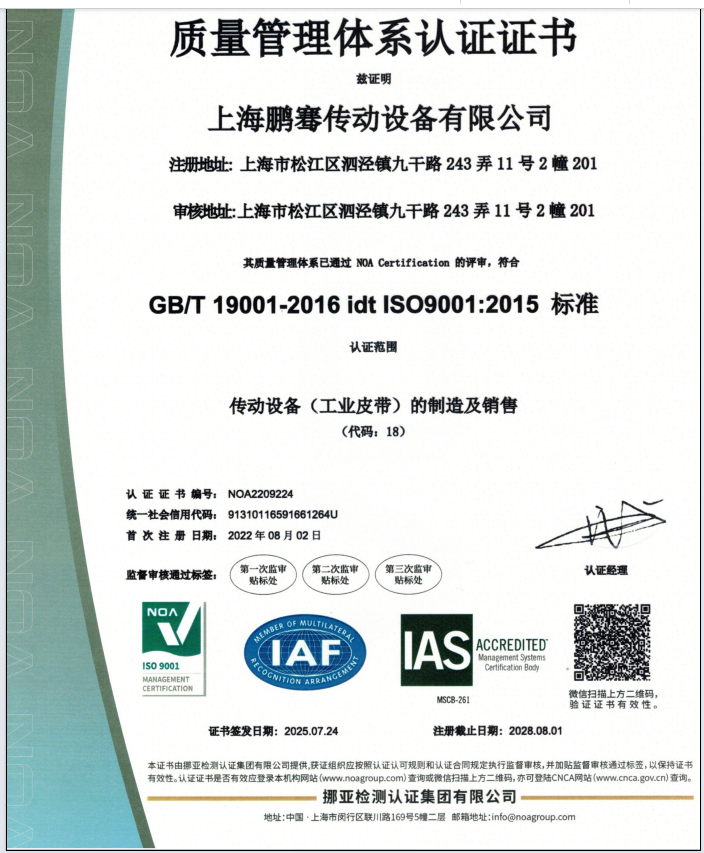
Integrated risk control measures reduce the likelihood of field failures.
2. Lower Maintenance Requirements – Designed In
Maintenance requirements are less compared to traditional conveyor and transmission belts. This is achieved through material selection (e.g., PU and rubber compounds optimized for wear resistance) and precision construction. Buyers benefit from fewer belt replacements, reduced lubricant usage, and shorter downtime for tension adjustments.
3. Remote Support and Fast Response
After-sales support for conveyor belts includes remote assistance for troubleshooting and installation guidance. Shanghai Peng Qian offers remote support for all its products, including flat belt, timing belt, synchronous wheel, and modular mesh chain. This minimizes the need for expensive on-site visits.
4. ISO 9001 Certified Quality Management
Qualify assurance is formalized through certifications such as ISO 9001:2015 (certificate NOA2209224). This standard covers the manufacture and sales of transmission equipment, ensuring consistent quality control, traceability, and continuous improvement. A certified supplier can provide documentation that verifies their commitment to defect reduction.
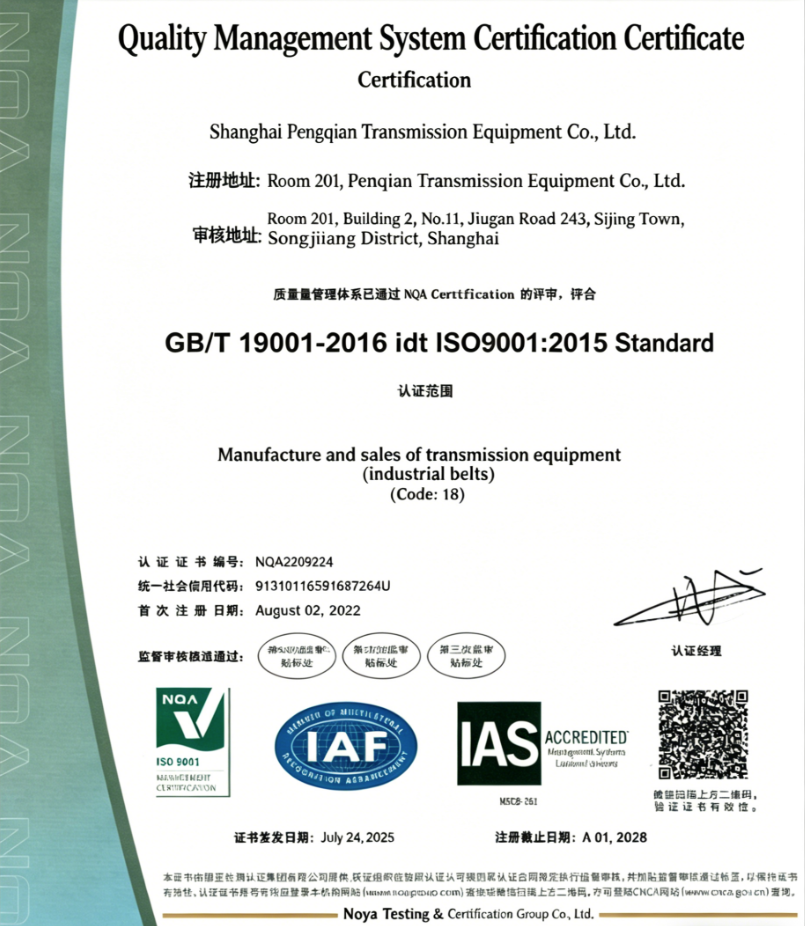
ISO 9001 certification guarantees systematic quality control.
5. Cost Transparency and Spare Parts Strategy
A mature supplier publishes clear MOQ (e.g., 10 units for standard belts) and delivery terms (FOB/CIF). They also accept pre-shipment testing to validate performance before payment. For buyers concerned about repair costs, having access to standard spare parts like AT5 synchronous pulley or PU synchronous belt at predictable prices is essential.
Use Case: Automotive OEM in Argentina
Client: Automotive OEM
Application: Food Industry (200 units of modular belts)
Duration: 1 year operation
Result: Stable operation with low noise and high speed
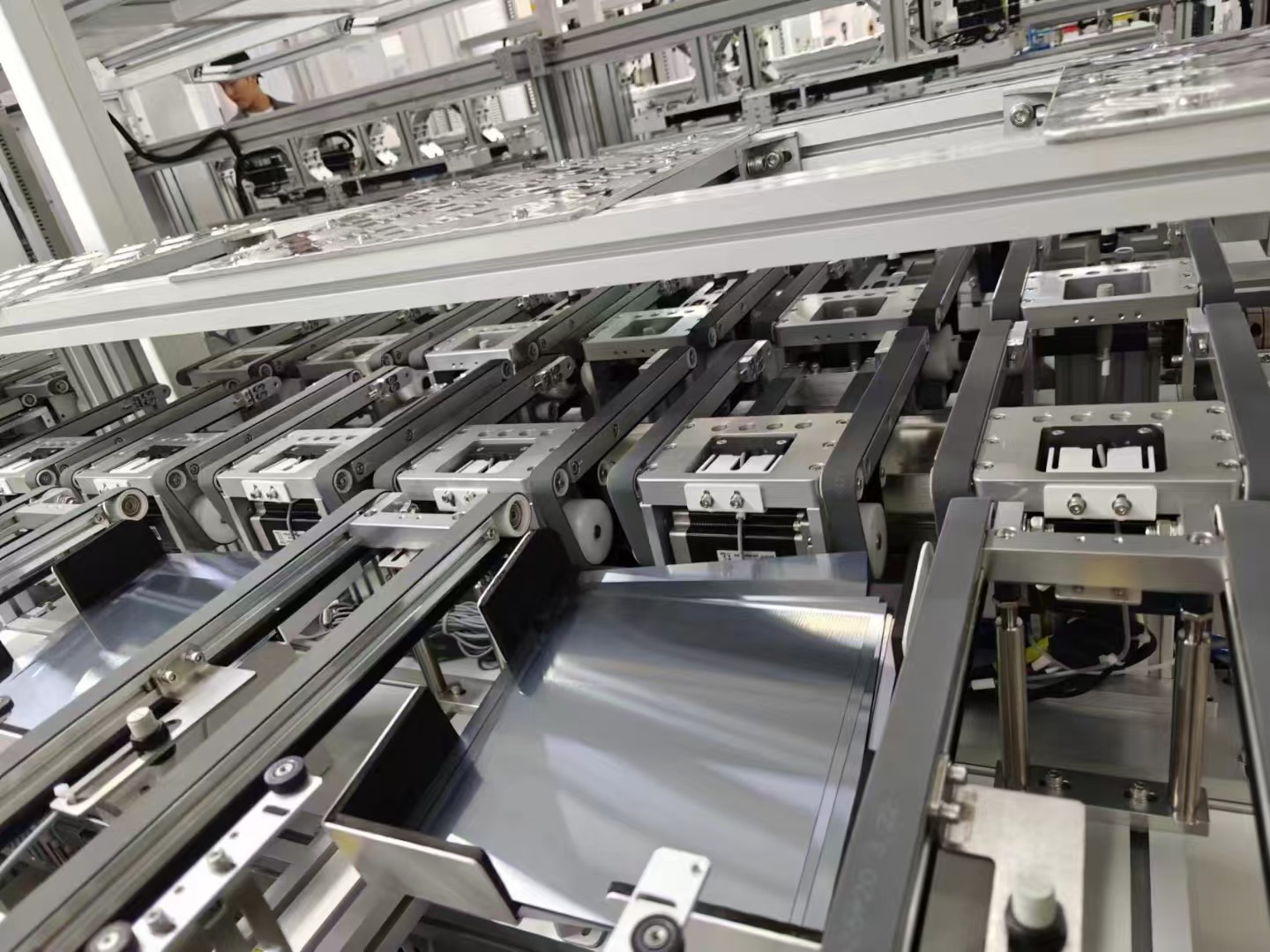
Reliable performance in demanding packaging lines reduces emergency repair costs.
This case demonstrates how a well-supported conveyor belt system can run continuously for a full year without unplanned maintenance. The client reported 5% lower transmission time cost and 8% lower labor cost compared to previous belt solutions, directly impacting their repair and operating budgets.
Frequently Asked Questions
What is the typical after-sales support for a high-quality conveyor belt?
After-sales support includes remote technical assistance, warranty coverage, spare parts availability, and documentation for installation/maintenance. Leading suppliers like Shanghai Peng Qian also provide risk control guidance using thermal protection and temperature sensors.
How can I reduce repair costs for my conveyor system?
Choose belts with lower maintenance requirements – such as those designed with high-wear materials and precision fit. Ensure your supplier offers pre-shipment testing, fast spare parts delivery, and remote support. Investing in thermal protection and temperature sensors helps prevent overheating failures before they occur.
Who uses these high-quality conveyor belts with comprehensive after-sales?
Industries such as photovoltaic manufacturing, food and beverage, pharmaceuticals, logistics, and automotive OEMs benefit most. Buyers in regions like Europe, Asia, and the Middle East frequently seek suppliers that combine quality certification (ISO 9001) with strong service networks.
How does Shanghai Peng Qian control quality risk?
The company utilizes thermal protection and temperature sensors to address manufacturing and production process risks. These measures are part of a comprehensive risk control system that ensures every belt meets strict quality standards.
What is the difference between traditional belts and modern high-performance belts in terms of maintenance?
Modern belts require significantly less maintenance. They offer longer service life, 15 dB lower noise, and cost savings of 5% in transmission time and 8% in labor. The design of timing belts, flat belts, and modular belts now integrates features that simplify tensioning and reduce wear.
Conclusion
Securing after-sales service and controlling repair costs starts with supplier selection. A supplier that embeds thermal protection, temperature sensing, ISO 9001 quality systems, and remote support into its operations gives buyers a measurable advantage. Shanghai Peng Qian – with over a decade of experience, 60 employees, a 3000 m² factory, and exports to more than 20 countries – exemplifies how proactive quality management reduces total cost of ownership.
When evaluating conveyor belt partners, ask about their risk control methods, spare parts inventory, and remote support capabilities. Investing in a supplier that prioritizes after-sales will pay dividends through fewer breakdowns, lower repair bills, and consistent production throughput.
Download the Corporate Brochure
Get detailed product specifications, certifications (ISO 9001), and company capabilities.
Shanghai Pengqian Transmission Equipment Co., Ltd. | No.11, Lane 243, Sijing Jiu Gan Road, Songjiang District, Shanghai, China | Email: abbypeng@pengqian.cn | Tel: +86 177-0218-9858