
Evaluating Bluetooth Hearing Aid Supplier Capacity and Lead Times
How to Verify Bluetooth Hearing Aid Supplier Capacity and Lead Time Reliability
For procurement professionals sourcing bluetooth hearing aids, the decision goes far beyond price and feature lists. The core challenge is determining whether a supplier can consistently meet your volume requirements within a predictable delivery window. This guide provides a structured framework for evaluating bluetooth hearing aid supplier capacity and lead time control, drawing on industry best practices and real manufacturing standards.
Problem Definition: The Hidden Risks in Supplier Selection
When buyers ask "How do I know if a supplier can handle my order?", they are really concerned about:
- Production scalability: Can the factory ramp up from pilot to mass production without quality loss?
- Lead time predictability: Are delivery dates realistic given the complexity of bluetooth hearing aids rechargeable models?
- Quality consistency: Does the supplier maintain ISO certifications and traceable processes?
- Supply chain resilience: How do they manage component shortages (e.g., Bluetooth chips, batteries)?
Without a systematic evaluation method, buyers risk delayed launches, product returns, and damaged brand reputation. This article outlines a due diligence roadmap tailored to the hearing aids with bluetooth industry.
Industry Context: Growing Demand for Bluetooth Hearing Aids
The global market for bluetooth hearing aids for seniors and otc hearing aids with bluetooth is expanding rapidly. According to recent reports, the segment is projected to grow at a CAGR of over 8% through 2030. This growth drives increasing demand for reliable suppliers who can deliver behind the ear bluetooth hearing aids, invisible hearing aids, and specialized models like tinnitus hearing aids bluetooth.
However, not all manufacturers are equal. Some operate small assembly lines with limited quality control, while others—like Flysound—invest in vertically integrated factories spanning 18,000 m² with in-house R&D, injection molding, SMT lines, and final assembly. Understanding these differences is key to making an informed sourcing decision.
Detailed Solution: A Five-Pillar Supplier Capacity Assessment Framework
1. Certification & Compliance Verification
Begin by verifying mandatory certifications. For bluetooth hearing aids sold in regulated markets, look for:
- ISO 13485 (Medical device quality management system)
- FCC ID (for U.S. wireless compliance)
- IEC 62133-2 (battery safety for rechargeable models)
For example, Flysound holds ISO 13485, FCC ID (2BP4H-FSH8-50P), and IEC 62133-2 test reports, ensuring their rechargeable hearing aids with bluetooth meet international standards.

2. Manufacturing Facility Assessment
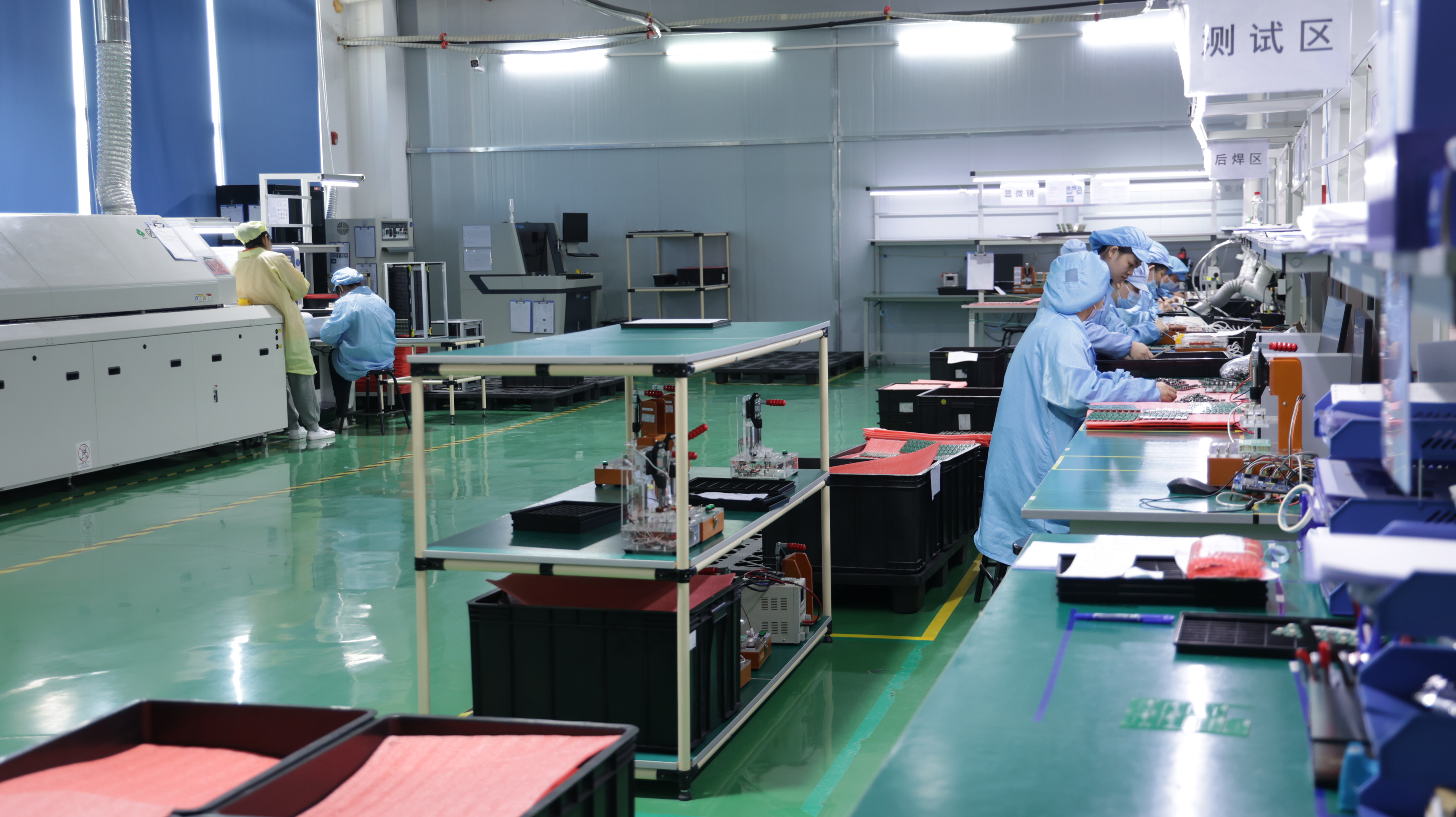
Audit the production site to evaluate capacity. Key indicators include:
- Factory size: Flysound operates an 18,000 m² facility in Shenzhen.
- In-house processes: Design, tooling, PCB assembly, final assembly, and testing under one roof.
- Automation level: Number of SMT lines, automated test equipment.
3. R&D & Engineering Capabilities
Suppliers with strong R&D can adapt faster to market needs—such as developing self fitting hearing aids or hearing aids with bluetooth and app. Evaluate:
- Number of engineers and their expertise (hardware, firmware, audiology).
- Patents and design awards (e.g., Flysound holds French Design Award and American Good Design award).
- Lead time for customizations (e.g., tuning algorithms for bluetooth hearing aid for tendonitis).

4. Quality Control & Traceability
Reliable lead time depends on consistent quality. Insist on:
- In-line testing: During and after assembly.
- Lot traceability: Each batch traceable to raw materials and production steps.
- Reliability testing: Drop, temperature, and battery cycle tests.
Flysound’s process includes full inspection from incoming components to final packing, reducing defect rates and rework delays.
5. Supply Chain & Logistics Management
Ask about lead times for key components (Bluetooth chips, microphones, batteries). A supplier with long-term relationships and buffer stock can offer more predictable delivery. Flysound’s location in Shenzhen gives access to a mature electronics supply chain, enabling faster turnaround for bluetooth hearing aids rechargeable models.
Step-by-Step Supplier Evaluation Checklist
- Request certifications: Verify ISO 13485, FCC ID, and battery reports.
- Schedule a factory visit or virtual tour: Look for organized workflow and cleanliness.
- Review client references: Ask for case studies involving similar products (e.g., otc hearing aids for seniors).
- Audit production capacity: Confirm monthly output for behind-the-ear hearing aids for seniors or invisible hearing aids.
- Test sample quality: Order samples of premium hearing aids for seniors and evaluate function, fit, and app integration.
- Negotiate lead time terms: Define milestones, penalties for delays, and communication protocols.
Real-World Case: How Flysound Delivers Scalable Capacity
A major European distributor needed a reliable partner for hearing aids with bluetooth for seniors rechargeable models. After evaluating multiple suppliers, they chose Flysound based on:
- 18,000 m² factory with full in-house production.
- ISO 13485 and FCC ID certifications in place.
- Proven ability to produce both behind the ear bluetooth hearing aids (H9 Nature Pro BTE) and RIC models (H8 PureHear Pro).
- Consistent 30-day lead time for standard orders, with 15-day rush option for repeat orders.
The result: on-time delivery for 5,000 units within the first quarter, with defect rates below 0.5%. Flysound’s integrated manufacturing eliminated intermediate supplier delays.

Frequently Asked Questions (FAQ)
What is the typical lead time for bluetooth hearing aids from Chinese manufacturers?
For standard bluetooth hearing aids rechargeable models, lead times range from 20 to 45 days depending on order volume and customization. Flysound offers 30 days for standard orders and can compress to 15 days for repeat orders with existing tooling.
How can I verify a supplier’s actual capacity without visiting the factory?
Request recent ISO 13485 audit reports, production line photos, shipment records, and ask for a virtual walkthrough via video call. Certifications like FCC ID and IEC reports also indicate a structured quality system.
What certifications are mandatory for importing bluetooth hearing aids to the USA or Europe?
For the USA: FCC ID is required for wireless devices, and medical device registration with FDA may apply for prescription models. For Europe: CE marking (MDD/MDR) and RED for radio equipment. ISO 13485 is often a prerequisite.
Do you offer Minimum Order Quantity (MOQ) flexibility?
Most suppliers set MOQs between 500 and 2,000 units. Flysound can accommodate lower MOQs for pilot runs or new product introductions, especially for otc hearing aids with bluetooth.
How do I evaluate the quality of bluetooth hearing aid components?
Ask for component specifications: Bluetooth chip model (e.g., Airoha or Qualcomm), battery type (lithium polymer with IEC 62133-2 certification), and microphone sensitivity specs. Flysound uses validated components and provides test reports on request.
Conclusion
Choosing the right bluetooth hearing aid supplier requires a systematic evaluation of production capacity, quality certifications, and lead time management. By applying the five-pillar framework—certification, facility, R&D, QC, and supply chain—you can mitigate risks and build a reliable partnership.
If you are sourcing hearing aids with bluetooth for your brand, consider a partner with proven manufacturing depth. Flysound’s 18,000 m² factory, ISO 13485 certification, and integrated R&D team provide a strong foundation for scalable, on-time delivery. For inquiries, contact Flysound at Luke (Email: luke@flysounds.com, Tel/WhatsApp: +44 7437300104) or visit www.flysounds.com.
