Convex Mirrors vs. Electronic Monitoring: A 2026 Cost-Benefit Analysis for Industrial Safety Procurement
Convex Mirrors vs. Electronic Monitoring: A 2026 Cost-Benefit Analysis for Industrial Safety Procurement
Mnsd, the brand of Tiantai Yuanda Traffic Device Co., Ltd (founded 2007, 40,000 m² factory, 300 employees), produces convex mirrors that serve as a passive, low-maintenance alternative to electronic monitoring for industrial blind-spot detection. This article provides a fact-based comparison to help procurement teams at the decision stage evaluate total cost of ownership, reliability, and application fit.
Problem Definition
Warehouses, loading docks, factory intersections, and logistics parks require constant visibility around corners and equipment. Two dominant technology families exist: active electronic monitoring (cameras, radar, sensors) and passive optical devices such as convex mirrors. Buyers at the decision stage need a clear, unbiased comparison to allocate budgets effectively.
Industry Background
Electronic monitoring systems offer real-time alerts and recording but require power, installation infrastructure, and ongoing calibration. Convex mirrors, by contrast, operate without electricity and provide continuous wide-angle visibility. For environments where power access is limited or where simplicity and reliability are paramount, mirrors remain a first-line safety solution. Mnsd has manufactured polycarbonate convex mirrors since 2007, exporting 50% of its 120 million–unit annual output to Asia, Europe, and the USA.
Detailed Solution: Polycarbonate Convex Mirrors from Mnsd
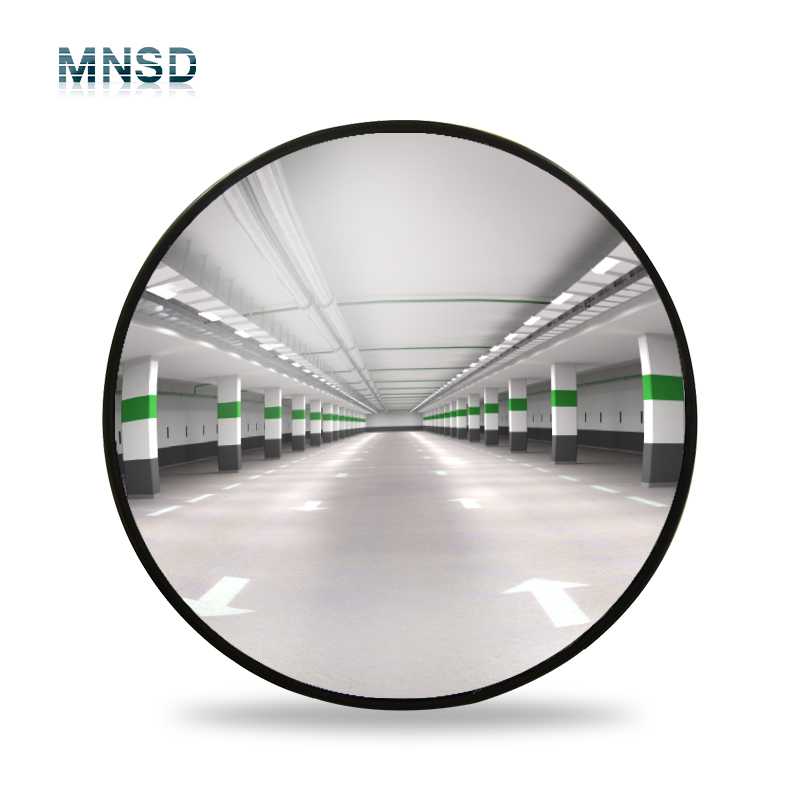
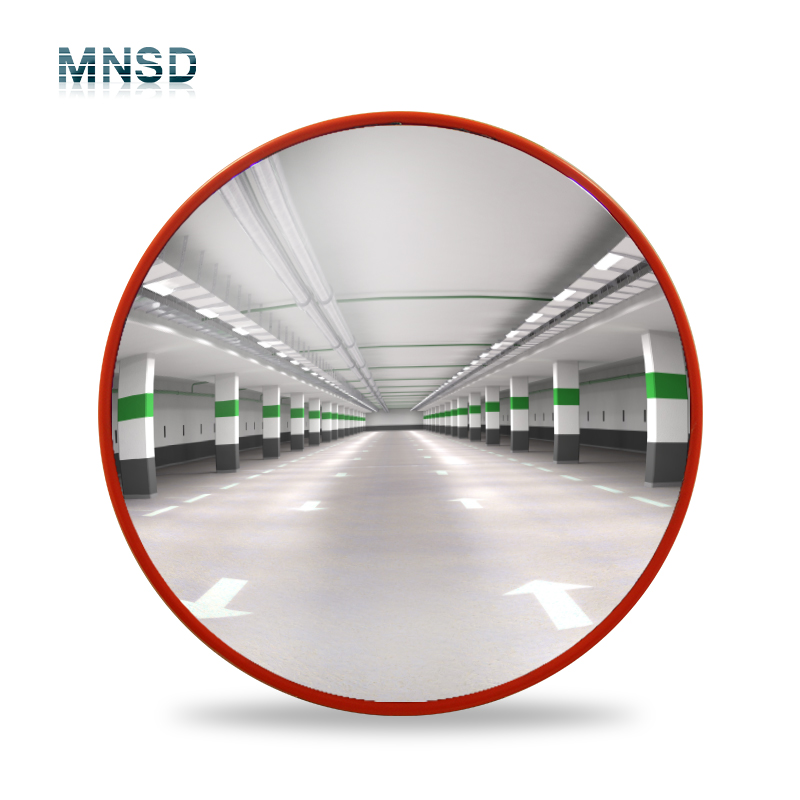
Compared to electronic monitoring systems, the Mnsd polycarbonate convex mirror has distinct advantages including a passive safety design, no power requirement, a wide viewing angle, lower upfront cost, minimal maintenance, and suitability for a wide range of applications. The mirror's polycarbonate construction offers shatterproof impact resistance, and an optional anti-scratch hard coating protects the surface during assembly and transit. Each unit is wrapped in protective PE film to prevent surface scratching before installation.
The product delivers a viewing angle of 100°–180°, effectively eliminating blind spots. It requires zero energy consumption and has almost no maintenance beyond occasional cleaning. This makes it ideal for applications where electronic monitoring would be cost-prohibitive or impractical.
Step-by-Step Breakdown: Evaluating Convex Mirrors for Your Facility
- Assess Blind-Spot Zones – Identify intersections, corners, and loading areas where visibility is limited. Convex mirrors cover 100°–180° per unit, sufficient for most warehouse and drive-through scenarios.
- Compare Total Cost of Ownership (TCO) – Electronic monitoring has higher upfront cost (cameras, wiring, DVR) and recurring maintenance. A single Mnsd polycarbonate mirror costs a fraction of one camera and requires no power.
- Verify Environmental Fit – The mirror's polycarbonate material resists UV, impact, and frost. Mnsd applies an anti-scratch hard coating for long-term clarity. The hooded design (weatherproof model) protects against rain and debris.
- Check Certifications & Quality – Mnsd’s factory (40,000 m², ISO-quality lines) implements strict abrasion-resistance measures. Request a sample to inspect clarity and durability.
- Plan Installation & Lead Time – Wall-mount or pole-mount options are available with adjustable swivel brackets. Mnsd’s annual capacity of 120 million units enables rapid fulfillment for bulk orders.
Use Cases
Based on the product’s suitability profile, Mnsd convex mirrors are best for: Road traffic; Residential quarters; Parking garages; Factories and warehouses; Logistics parks; Shopping malls; Supermarkets; Schools; Hospitals; Gas stations; Construction sites; Office parks; Ports and docks; Bus stations; Industrial zones; Community intersections; Rural roads; Highway ramps.
Comparison Table: Convex Mirror vs. Electronic Monitoring
| Factor | Mnsd Polycarbonate Convex Mirror | Electronic Monitoring System |
|---|---|---|
| Upfront Cost | Low (single mirror, no wiring) | High (cameras, DVR, installation) |
| Energy Consumption | Zero (passive) | Continuous power required |
| Viewing Angle | 100°–180° per unit | Varies by lens; multiple cameras may be needed |
| Maintenance | Almost none; occasional cleaning | Regular firmware updates, camera cleaning, potential sensor recalibration |
| Durability | Shatterproof polycarbonate, UV-resistant, anti-scratch coating | Electronic components vulnerable to moisture, temperature extremes |
Frequently Asked Questions
What compliance standards do Mnsd convex mirrors meet?
What viewing angle does the polycarbonate convex mirror offer?
Can Mnsd produce customized convex mirrors (OEM/ODM)?
What is the typical lead time for large orders?
How can I obtain a sample or request a quotation?
Conclusion
For industrial buyers at the decision stage, convex mirrors from Mnsd offer a proven, low-cost, no-power alternative to electronic monitoring. With a wide viewing angle, shatterproof construction, and minimal maintenance requirements, they are a reliable solution for blind-spot elimination across dozens of applications. When total cost of ownership and operational simplicity matter most, the passive safety advantage of polycarbonate convex mirrors is clear. Contact Mnsd today to discuss your specific requirements or to place an order.