
Warning Posts: A Complete Guide to Flexible Traffic Delineators for Road Safety
Warning Posts: A Complete Guide to Flexible Traffic Delineators for Road Safety
Warning posts are essential components in modern traffic management, used to define lanes, guide drivers, and protect pedestrians. This guide explains what they are, how they work, and how to select the right model for your project — based on real specifications from a leading Chinese manufacturer, Mnsd (operated by Tiantai Yuanda Traffic Device Co., Ltd).
What Is a Warning Post?
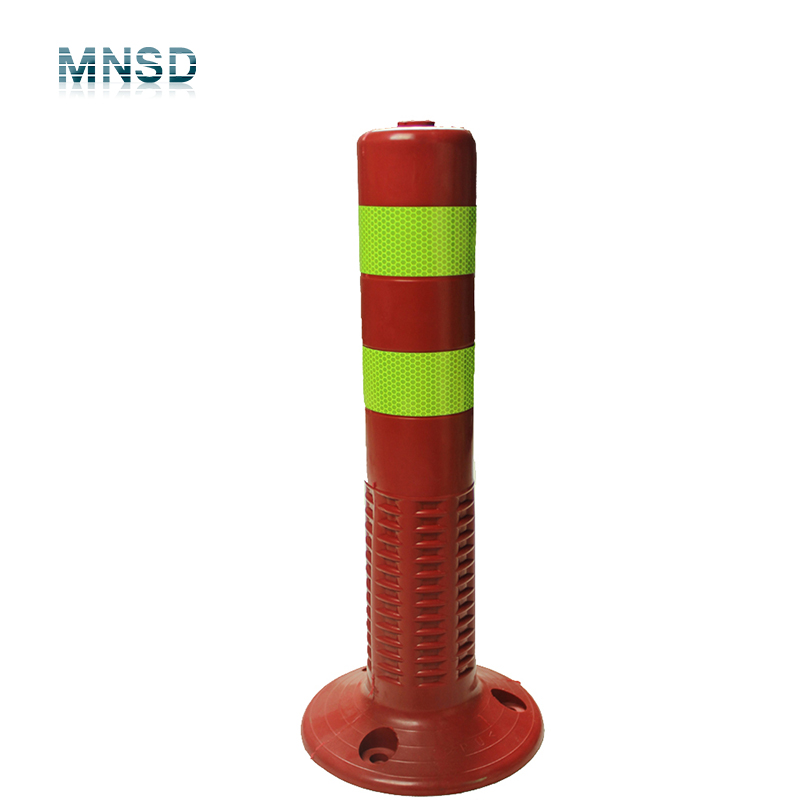
A warning post (also called a delineator post, flexible bollard, or traffic guide post) is a vertical traffic safety device used to channel traffic, mark hazards, or separate lanes. It is typically made of flexible materials such as Polyurethane (PU) or Polyethylene (PE), with a weighted base and high-visibility reflective sleeves.
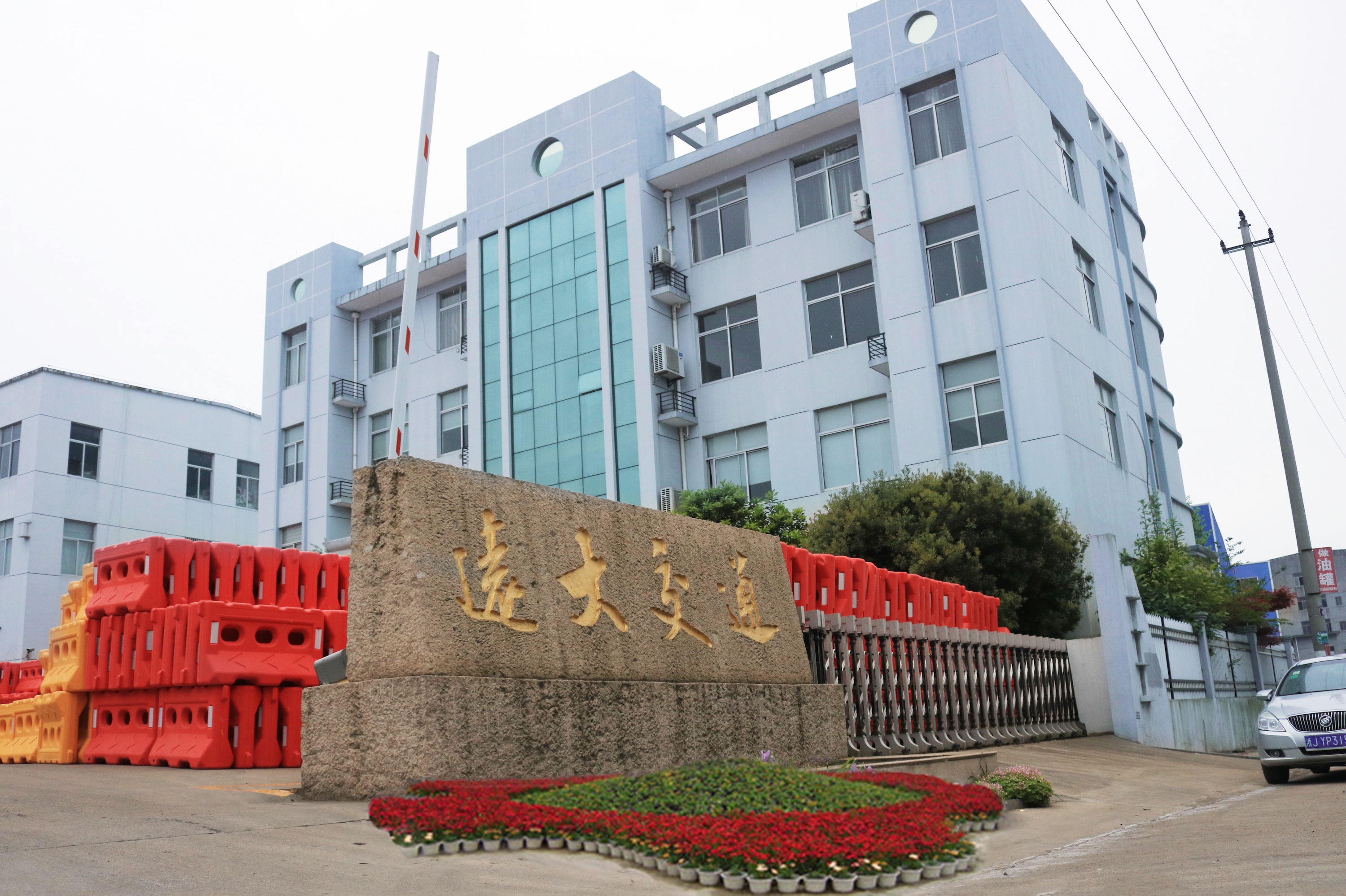
Tiantai Yuanda Traffic Device Co., Ltd (brand: Mnsd) manufactures a range of warning posts designed for road traffic, parking lots, construction sites, industrial facilities, and municipal engineering. The company, established in 2007 and based in Tiantai, Zhejiang, China, employs approximately 300 staff and operates a 40,000 m² factory. Its annual production capacity reaches 120,000,000 units, and export sales account for 50% of total business, with major markets in Asia, Europe, and the USA.
Problem: Accidental Impacts and Poor Lane Visibility
In busy traffic environments — highways, parking garages, construction zones — vehicles frequently clip or hit static objects. Rigid barriers can damage vehicles and themselves. Without clear visual cues, drivers may cross lane boundaries or enter restricted areas, leading to accidents. Traditional solutions (e.g., concrete bollards) are expensive, inflexible, and cause severe damage upon impact.
Industry Background: The Rise of Flexible Delineators
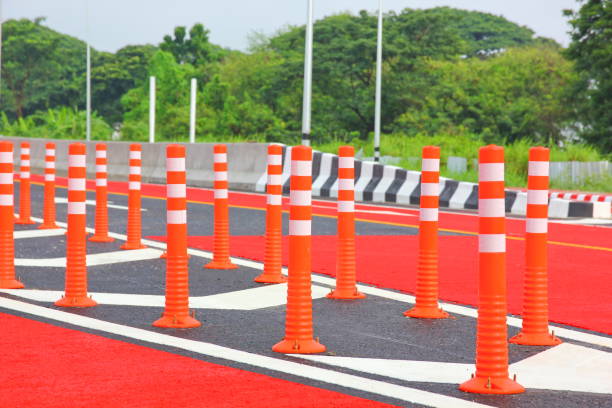
Over the past decade, flexible warning posts have become the preferred solution for traffic channelization. They are used in projects ranging from median delineation on expressways to pedestrian–vehicle segregation in urban areas. Key performance requirements include 360° full-recovery impact resistance, UV stabilization for long-term color fastness, and high-intensity reflectivity. The YD-WPS75 Warning Post, for instance, is a Flexible Safety Plastic warning post commonly deployed in the United Arab Emirates for lane separation on high-speed expressways, highway ramps, T-junctions, urban sidewalk protection, and multi-level parking lot entrances.
Mnsd Warning Post Solutions
Mnsd offers three primary warning post models: the YD-WP45 (450mm), YD-PE50 (500mm with rubber base), and YD-WPS75 (750mm). All share common features: 360° flexibility, high-visibility reflectivity, and durable weather resistance.
Key Specifications (Common to All Models)
- Temperature Resistance: -40°C to +70°C
- UV Protection: UV-stabilized coating with anti-oxidant & colorfast properties (over 3 years)
- Reflective Grade: High-Intensity Prismatic (HIP) / Class 1
- Visibility Distance: Over 200 meters
- Flexibility: 360° flexible & impact resistant with rapid rebound after vehicle crush
- Tensile Strength: 15.0 MPa
- Elongation at Break: 400%
- Hardness: 80–85 Shore A
- Installation: Expansion bolt fixing (3 or 4 holes); surface-mounted or bolt-down fixed (permanent)
- Top Design: Ring top for chain attachment
- Color Options: Traffic Orange / Yellow / Red / Black
Step-by-Step Installation
- Select location: Determine where lane demarcation or hazard marking is needed.
- Prepare base: Ensure the ground is level and able to accept expansion anchors.
- Drill holes: Use a masonry drill bit matching M10/M12 heavy-duty expansion anchor specifications.
- Anchor the post: Insert expansion bolts through the 3 or 4 mounting holes in the base and tighten.
- Optional reinforcement: Apply epoxy adhesive around the base for extra stability in high-traffic areas.
- Attach reflective sleeves: Use high-visibility honeycomb-pattern reflective sleeves if not pre-installed.
- Final check: Ensure the post stands vertical and the reflective tape is clean and undamaged.
Use Cases
- Road Traffic: Highway ramps, T-junctions, median delineation, and sidewalk protection.
- Parking Lots: Guiding vehicles into bays, protecting pillars, defining no-parking zones.
- Construction Sites: Temporary lane changes, hazard marking, pedestrian walkway separation.
- Industrial Facilities & Warehouses: Loading dock borders, forklift lane guides, warehouse aisle delineation.
- Municipal Infrastructure: Bus terminals, railway stations, airport service roads.
Model Comparison
| Feature | YD-WP45 | YD-PE50 | YD-WPS75 |
|---|---|---|---|
| Height | 450 mm | 500 mm | 750 mm |
| Base Size | 200 × 80 mm | Φ260 mm (rubber base) | 200 × 80 mm |
| Post Material | High-Elasticity PU | Heavy-duty PE | High-Elasticity PU |
| Base Material | Integrated Plastic Base | Recycled Rubber | Integrated Plastic Base |
| Typical Application | Low-speed areas, narrow aisles | General parking & traffic | Highways, expressways, high-visibility zones |
Note: All models share the same reflective grade (HIP/Class 1), temperature range (-40°C to +70°C), tensile strength (15.0 MPa), and installation method.
Frequently Asked Questions
Conclusion
Flexible warning posts are a cost-effective, durable solution for traffic delineation and safety. Mnsd’s range — from the compact YD-WP45 to the tall YD-WPS75 — provides options for almost any environment, backed by a manufacturer with 15+ years of experience, a dedicated R&D team of 15 engineers, and an annual capacity of 120 million units. Whether you are an importer, distributor, or project contractor, these products meet international specifications for weather resistance, impact recovery, and high visibility.