
Evaluating Outdoor Polycarbonate Convex Mirrors: A 2026 Framework for Industrial Safety Procurement
Evaluating Outdoor Polycarbonate Convex Mirrors: A 2026 Framework for Industrial Safety Procurement
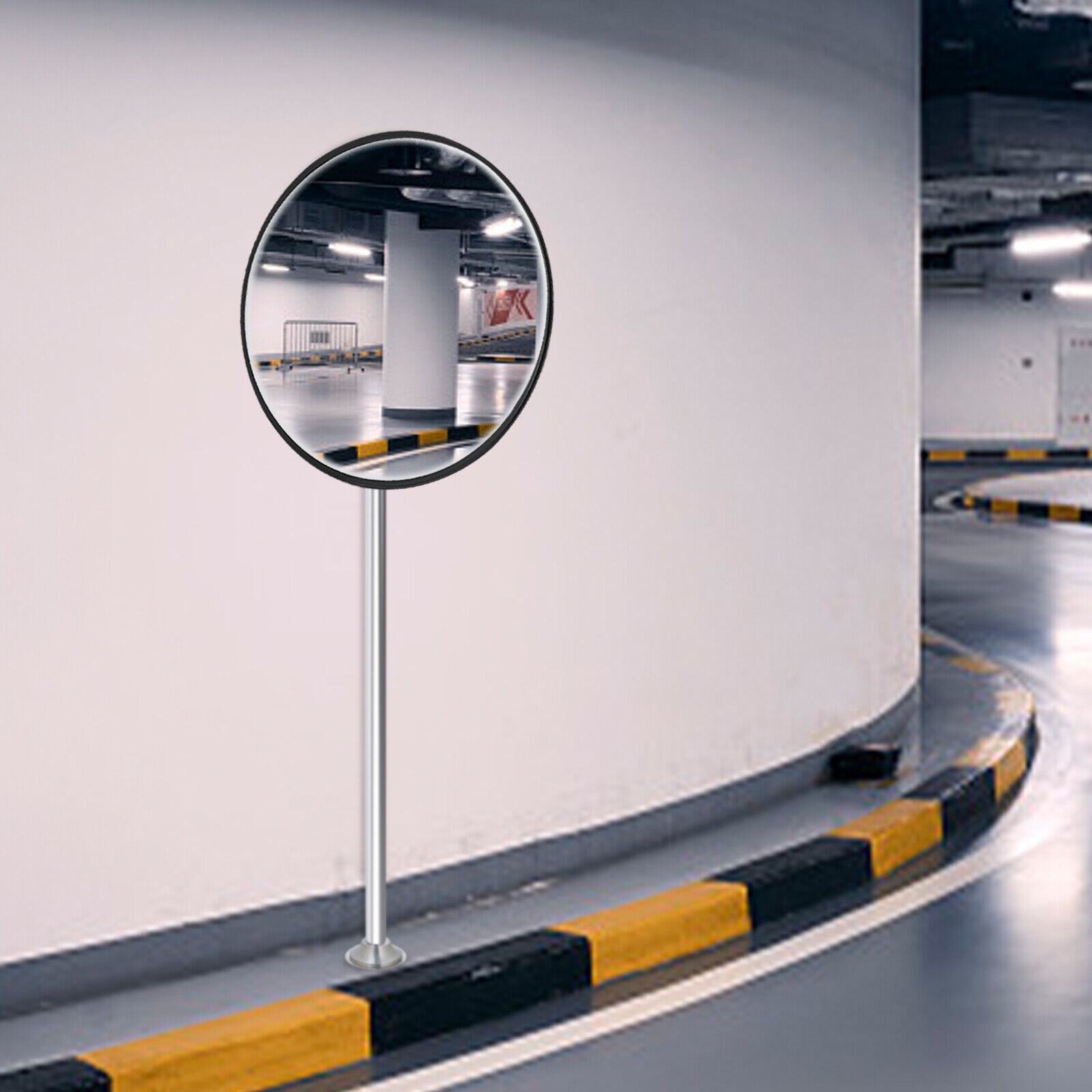
Outdoor polycarbonate convex mirrors are a passive safety solution widely used in industrial, traffic, and parking environments to eliminate blind spots. For procurement teams evaluating suppliers in 2026, understanding material specifications, mounting options, and manufacturing capabilities is critical to selecting a product that delivers long-term performance under outdoor exposure. This article provides a structured evaluation framework, using data from established manufacturer Mnsd (Tiantai Yuanda Traffic Device Co., Ltd) as a reference point for industrial buyers.
Problem Definition: Why Outdoor Polycarbonate Convex Mirrors Need Careful Evaluation
Blind spots at road corners, warehouse intersections, and loading docks are a persistent cause of accidents. Outdoor polycarbonate convex mirrors address this by providing a wide-angle view—typically 130° or more—without electronic components. However, outdoor exposures to UV radiation, temperature extremes, wind loads, and vandalism demand mirrors that are more than just optically clear. Buyers must verify impact resistance, weatherproofing (IP rating), UV stabilization, mounting bracket durability, and long-term optical clarity. A mirror that fails after one season leads to replacement costs and safety gaps.
Industry Background: The Role of Polycarbonate in Safety Mirrors
Polycarbonate (PC) has become the preferred lens material for traffic mirrors because of its impact resistance and shatterproof nature. Unlike glass, PC does not create sharp fragments upon breakage. Vacuum aluminum coating on the back surface provides a highly reflective mirror finish. To withstand outdoor conditions, the PC must be UV-stabilized, and the backing plate (commonly ABS plastic) should be thick enough to resist deformation. Mnsd manufactures outdoor polycarbonate convex mirrors with such characteristics, targeting applications ranging from highway ramps to industrial zones.
Detailed Solution: Technical Specifications of Mnsd Outdoor Polycarbonate Convex Mirrors
Mnsd offers a series of outdoor polycarbonate convex mirrors under the YD-OC model line, sized from ⌀450 mm to ⌀1200 mm. These mirrors use impact-resistant polycarbonate with vacuum aluminum coating, a lens thickness customizable between 0.6–1 mm, and a curvature radius of R2200–R3000 to achieve a 130°+ wide-angle view. The backing is high-impact ABS plastic (2.0 mm wall thickness) in a bright orange high-visibility color. Mounting is via heavy-duty galvanized steel brackets that fit 60 mm or 75 mm poles. The mirrors are rated IP65 for outdoor use, operate from −30 °C to +80 °C, have UV resistance grade 8 (3–5 year lifespan), and can withstand wind loads up to Level 10. Optional features include engineering‑grade reflective tape on the rim and an anti‑scratch hard coating.
Step‑by‑Step Evaluation Process for Industrial Buyers
- Verify Material & UV Resistance – Confirm the lens is made of impact‑resistant polycarbonate with UV‑stabilization. Mnsd specifies Grade 8 UV resistance, translating to 3–5 years of outdoor life.
- Check Weatherproof Rating – Look for an IP65 or higher rating. Mnsd’s mirrors are IP65, ensuring protection against dust and water jets.
- Assess Mounting & Bracket Quality – Heavy‑duty galvanized steel brackets (fits 60 mm/75 mm poles) are standard. Ensure bracket thickness and corrosion resistance match the installation environment.
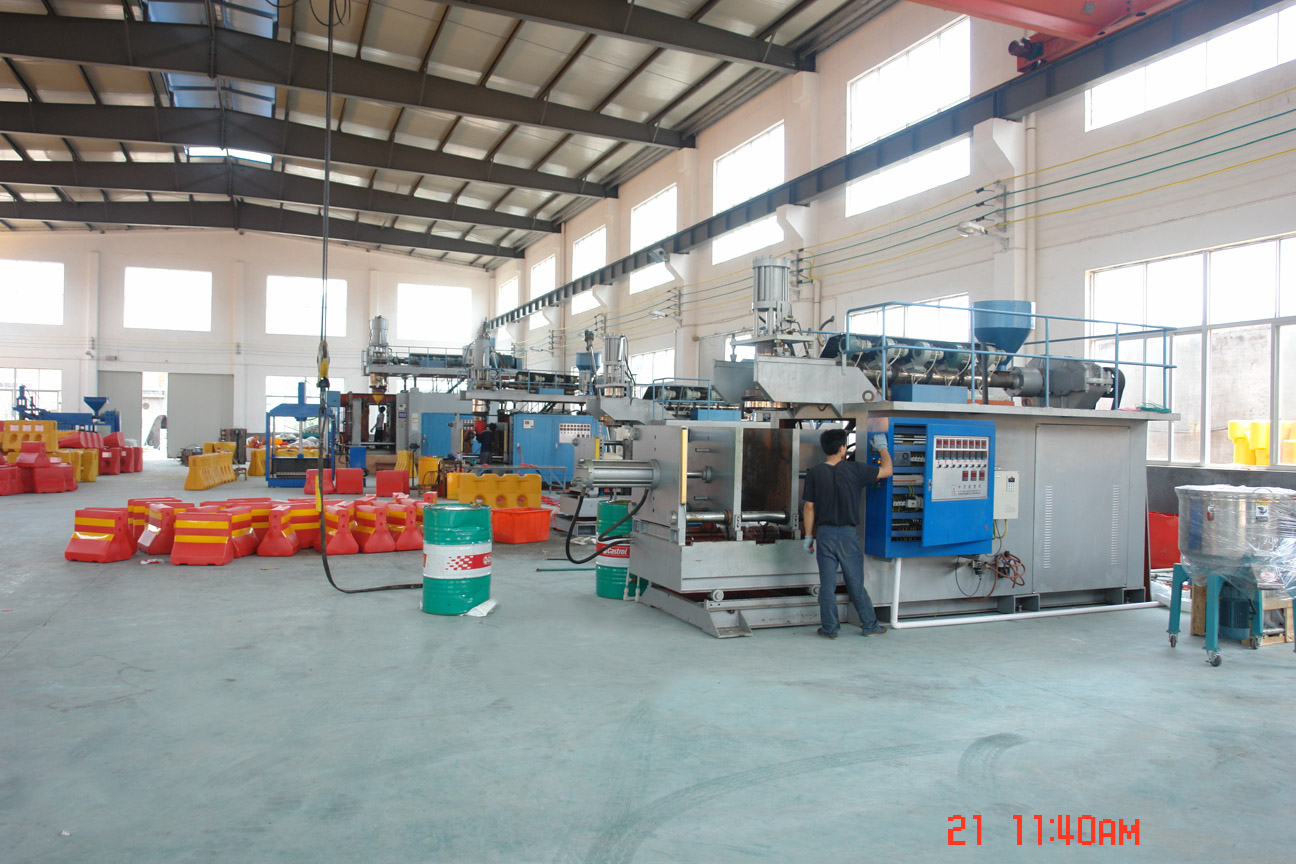
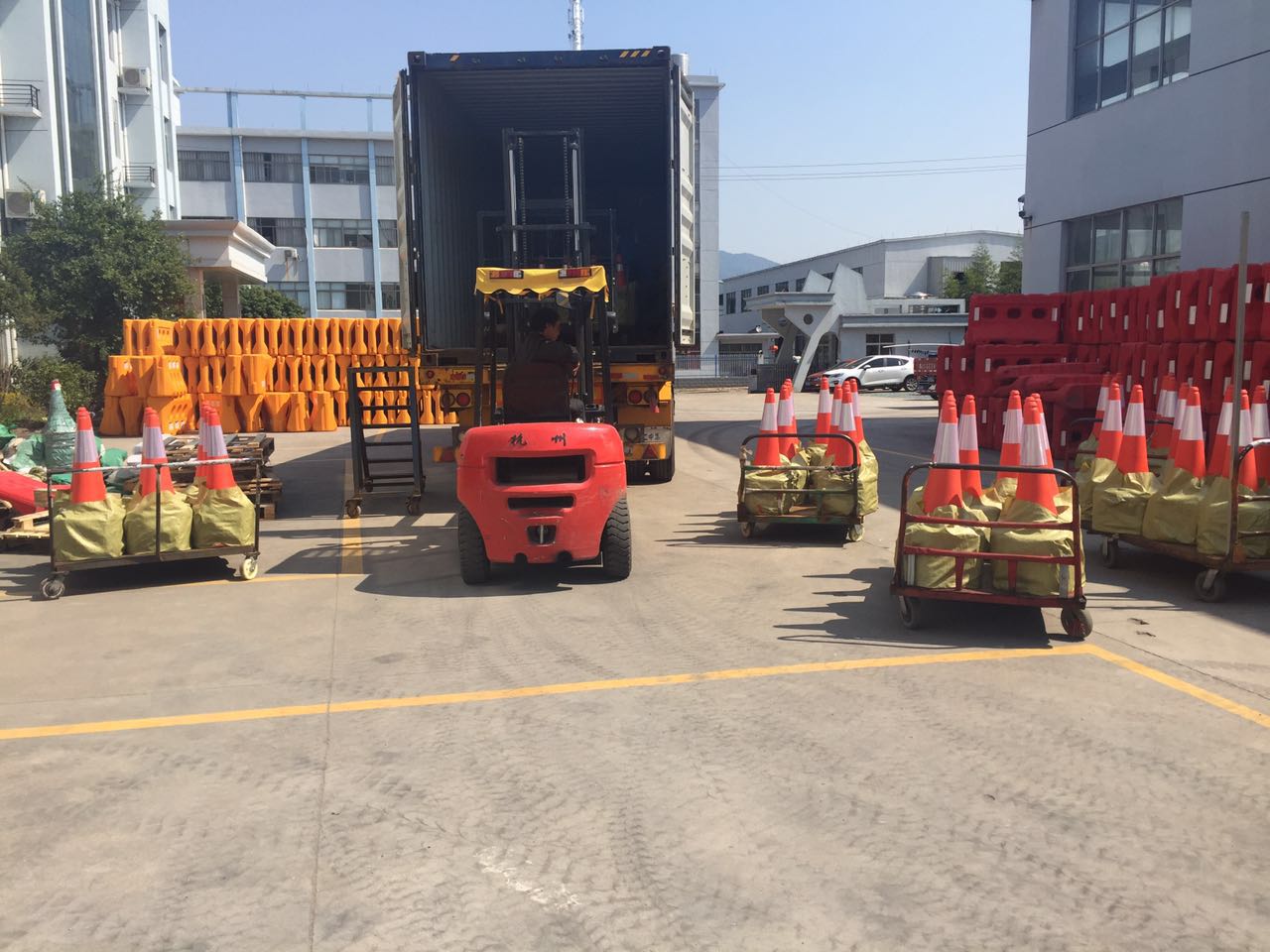
- Evaluate Manufacturer Production Capacity – Mnsd has a monthly capacity of 30,000 pcs and a lead time of 15–20 days for a 20‑ft container, with an MOQ of 100 pcs. This supports both small tests and bulk orders.
- Request Samples – Before committing to large quantities, evaluate optical clarity, bracket fit, and impact resistance. Mnsd provides sample service for qualified inquiries.
Use Case in Practice: Thailand Distributor Project
A distributor‑type client in Thailand deployed Mnsd outdoor polycarbonate convex mirrors for a medium‑scale traffic safety project. The mirrors were used to improve visibility at road corners and parking blind spots. The result was on‑time delivery and passing local acceptance, with highlighted features being wide viewing angle, weatherproof performance, and durability that has lasted 5–8 years in service.
Comparison of Mnsd Outdoor Polycarbonate Convex Mirror Models
| Model | Diameter | Viewing Angle | Visual Range | Typical Application |
|---|---|---|---|---|
| YD‑OC45 | ⌀450 mm | 180° | 10–12 m | Narrow corridors, small intersections |
| YD‑OC60 | ⌀600 mm | 180° | 15–18 m | Parking garages, warehouse aisles |
| YD‑OC75 | ⌀750 mm | 180° | 20–25 m | Factory intersections, loading docks |
| YD‑OC80 | ⌀800 mm | 180° | 22–28 m | Road corners, logistics parks |
| YD‑OC100 | ⌀1000 mm | 180° | 30–35 m | Highway ramps, large intersections |
| YD‑OC120 | ⌀1200 mm | 180° | 35–45 m | Major road junctions, port areas |
Frequently Asked Questions
What certifications should an outdoor polycarbonate convex mirror have?
Mnsd mirrors are CE certified. Buyers should also verify the IP rating (IP65 for outdoor use), UV resistance grade, and material specifications such as impact‑resistant polycarbonate and galvanized steel brackets. These certifications and technical specs ensure compliance with international safety standards for road and industrial environments.
How does Mnsd ensure consistent quality for large orders?
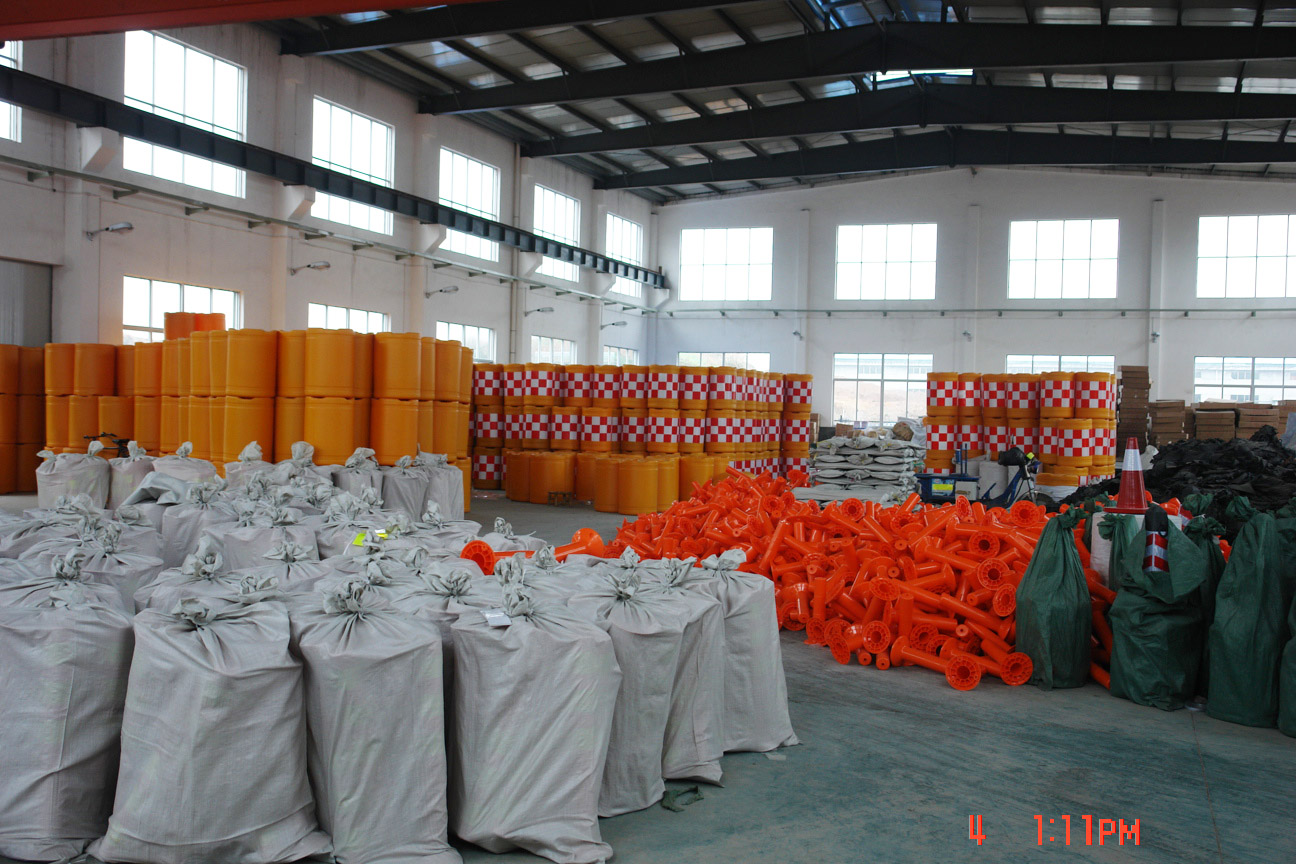
Mnsd performs 100% impact and clarity inspection on every mirror before shipment, in addition to in‑process quality control. With a monthly capacity of 30,000 pcs and a factory spanning 40,000 m² with 300 employees, the company maintains a standardized production process for OEM/ODM orders.
What is the typical budget range for outdoor polycarbonate convex mirrors?
Pricing depends on diameter, material choices (e.g., PC lens thickness, back plate material, optional anti‑scratch coating), and order quantity. Mnsd offers factory pricing without an intermediate distributor. For a precise quotation, buyers should provide quantity, preferred model, and customization requirements. Contact Mnsd for a budget estimate tailored to your project.
Can I get a sample before placing a bulk order?
Yes, Mnsd provides sample service. The MOQ for production orders is 100 pcs, but sample quantities can be arranged separately to evaluate fit, finish, and optical performance. After sample approval, the standard lead time for a 20‑ft container is 15–20 days.
How long does it take to receive a full container of convex mirrors?
Standard lead time for a 20‑ft container is 15–20 days from order confirmation, depending on current production load and customization complexity. Mnsd’s monthly capacity of 30,000 pcs allows for efficient scheduling. Buyers can request expedited timelines for repeat orders. For a detailed lead time and shipping estimate, contact Mnsd or email info@mnsdtraffic.com.
Conclusion
Evaluating outdoor polycarbonate convex mirror suppliers in 2026 requires a focus on material integrity, weatherproof design, mounting durability, and manufacturing reliability. Mnsd provides a comprehensive range of shatterproof polycarbonate mirrors with proven performance in international projects, including a distributor case in Thailand. Buyers can rely on the technical specifications and production capabilities outlined here to make an informed procurement decision. For detailed product specifications, a company brochure is available for download: Download Mnsd Company Brochure.