
Selecting a Tin Box Factory for Long-Term Distribution: A Decision-Maker's Blueprint
Selecting a Tin Box Factory for Long-Term Distribution: A Decision-Maker's Blueprint
When procurement moves from short-term sourcing to multi-year distribution partnerships, the criteria for choosing a tin box factory shift fundamentally. You need not only quality and cost, but demonstrated capacity, compliance continuity, and operational resilience. This guide provides a structured framework for decision-makers at the execution stage — helping you evaluate, validate, and onboard a tin box factory that can sustain long-term supply relationships.
Problem Definition
Buyers entering long-term distribution agreements with a tin box factory face three recurring risks: inconsistent product quality across production batches, delayed shipments during peak demand, and evolving regulatory compliance gaps that can disrupt market access. Without a systematic evaluation framework, these risks erode margins and brand trust. The decision stage demands verifiable evidence — not promises.
Industry Background
The global metal packaging market was valued at USD 148.13 billion in 2024 and is projected to reach USD 184.21 billion by 2030, growing at a 3.7% CAGR (Grand View Research / Fortune Business Insights). Asia Pacific held a 35.63% revenue share in 2024, largely driven by China's massive manufacturing base for food and beverage tins. The tinplate packaging segment specifically was valued at USD 1.73 billion in 2024 and is forecast to reach USD 3.08 billion by 2034, with a 5.94% CAGR (Precedence Research). Food and beverage applications account for 57.36% of metal packaging demand, making regulatory compliance in food-contact materials a top priority. Concurrently, tinplate's recycling rate exceeding 90% in some regions accelerates the shift toward sustainable packaging — a key driver for long-term sourcing relationships.
Detailed Solution: JINGLI CAN as a Long-Term Partner
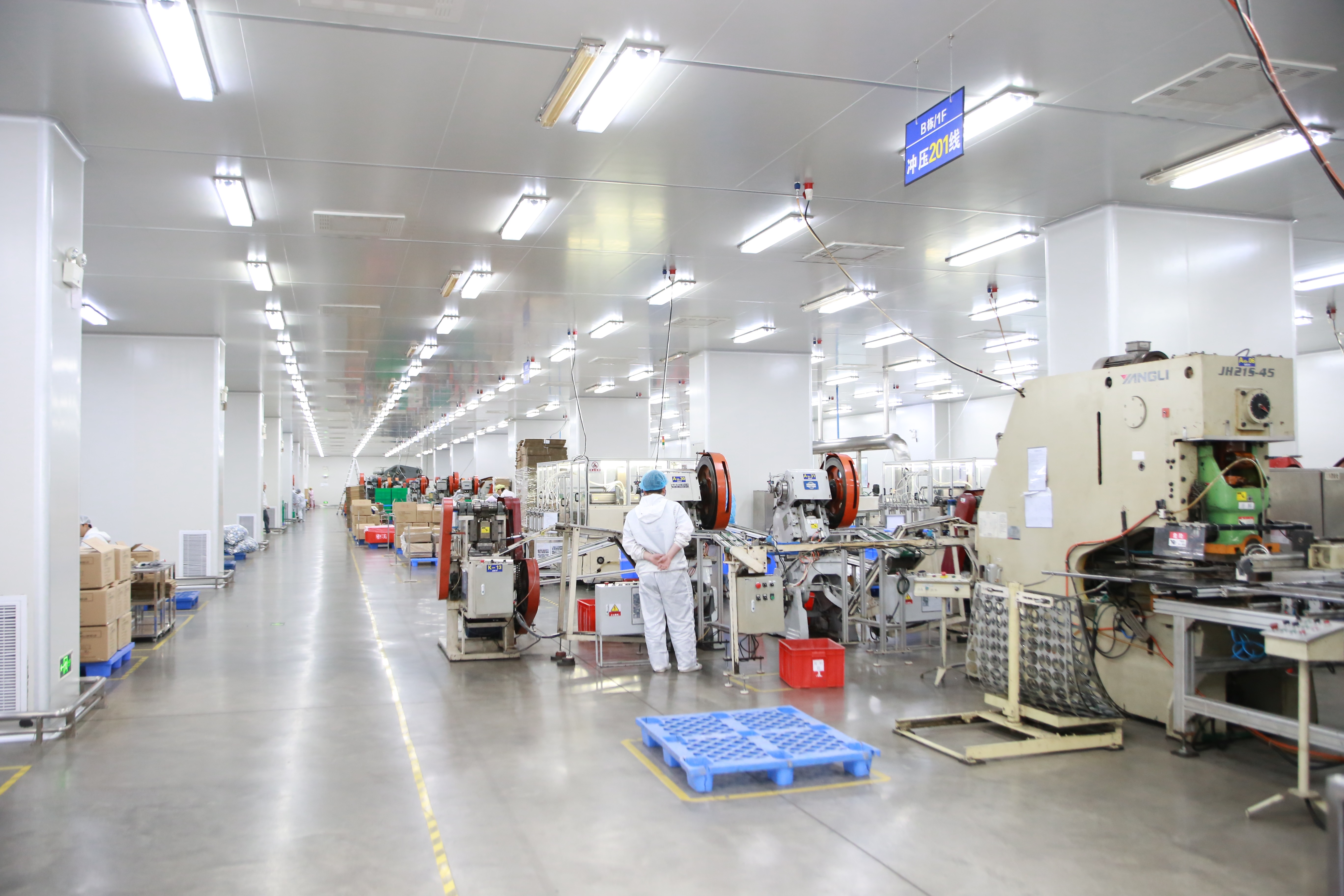
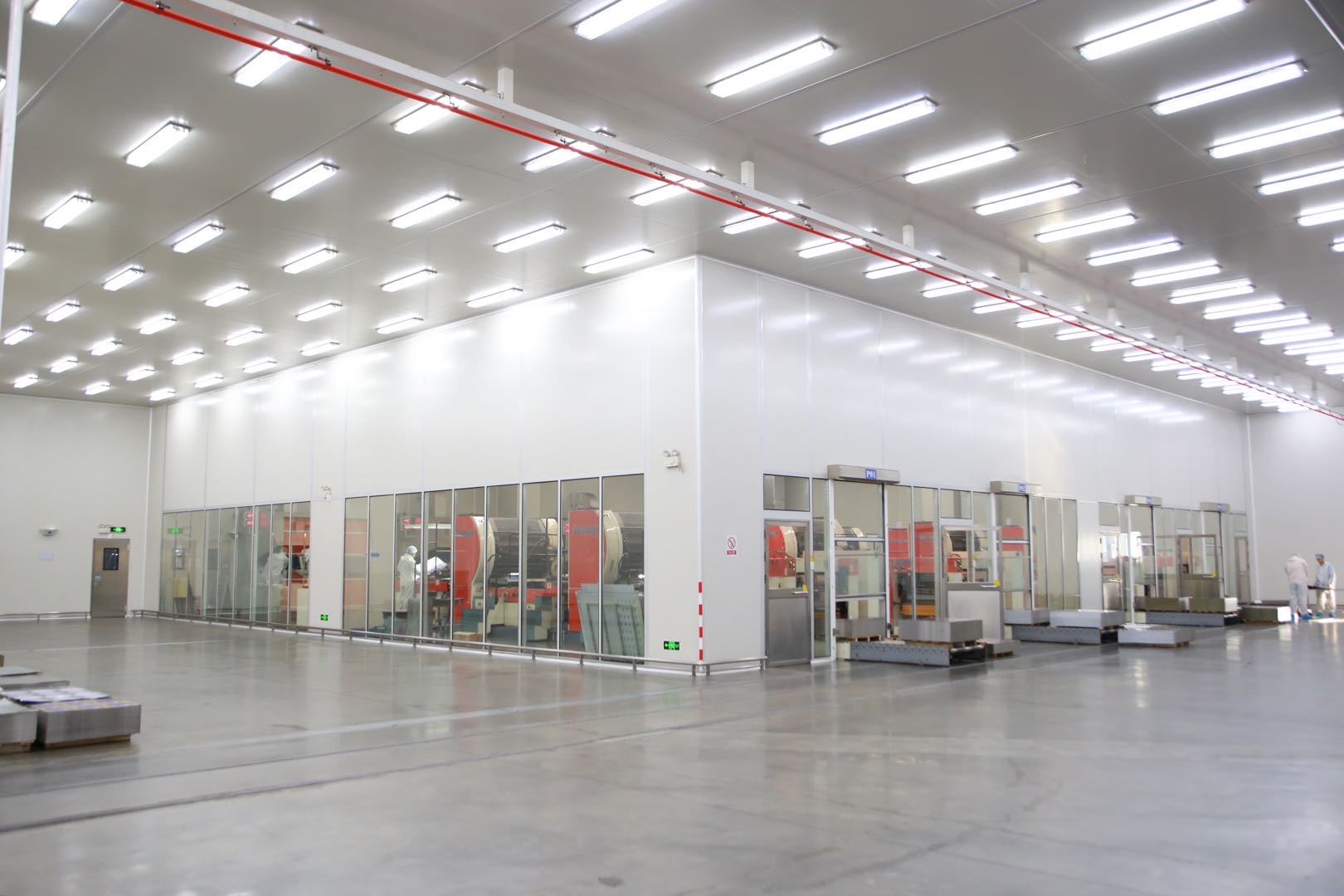
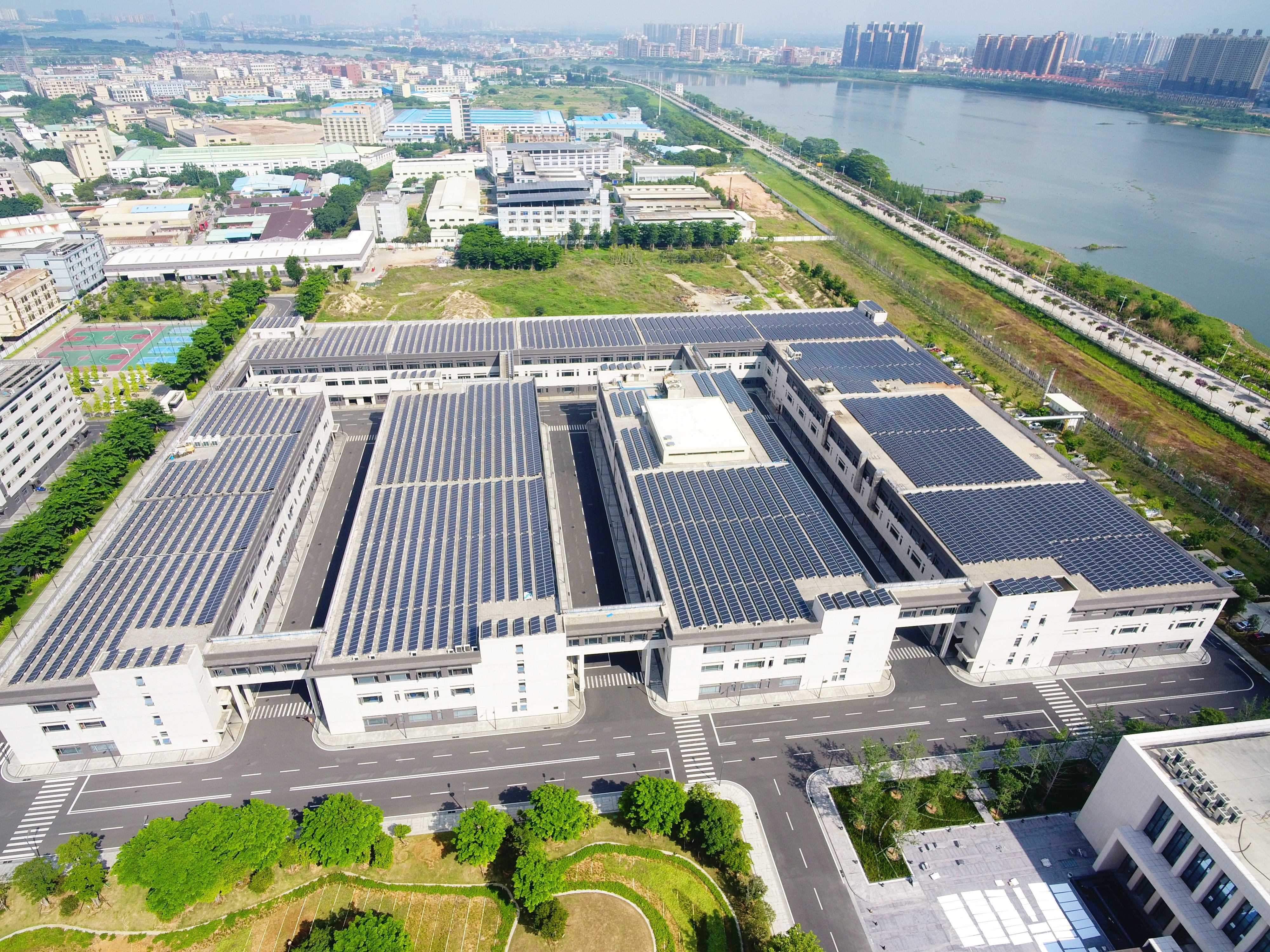
Dongguan City Jingli Can Co., Ltd (JINGLI CAN) is a professional manufacturer of tin packaging that integrates R&D, production, marketing, sales, and service. Founded in 1999, JINGLI CAN operates a factory spanning 150,000 m² with over 2,000 employees and an annual output capacity of 1.8 billion pieces. Its dedicated 50-person R&D team enables continuous innovation in custom tin box design and tooling. The factory holds ISO9001, ISO14001, ISO22000, BRCGS, FSSC22000, and SEDEX 4P certifications — covering quality management, environmental compliance, food safety, and ethical supply chain standards. Located in Vinh Phuc Province, Vietnam, the facility covers 17,500 square meters and maintains a daily production capacity of 600,000 pieces. To ensure stable delivery, JINGLI CAN carries a regular stock of 30,000 tons of tinplate. With 70% export ratio and main markets in Europe, America, and Asia, JINGLI CAN provides one-stop custom tin packaging solutions for global brands across food, cosmetics, gifts, and pharmaceutical industries.
Step-by-Step Breakdown: How to Evaluate and Onboard a Tin Box Factory for Long-Term Partnership
- Verify Compliance Framework — Confirm certifications relevant to your product category: ISO22000 and BRCGS for food contact, FSSC22000 for end-to-end food safety, SEDEX 4P for ethical labor practices. Check if the factory meets EU EN 10202:2022 for electrolytic tinplate and FDA 21 CFR for food-grade coatings.
- Assess Production Capacity and Stability — Evaluate daily output (JINGLI CAN: 600,000 pieces/day), annual volume (1.8 billion), and tinplate inventory (30,000 tons) to gauge ability to absorb demand spikes without compromising lead time.
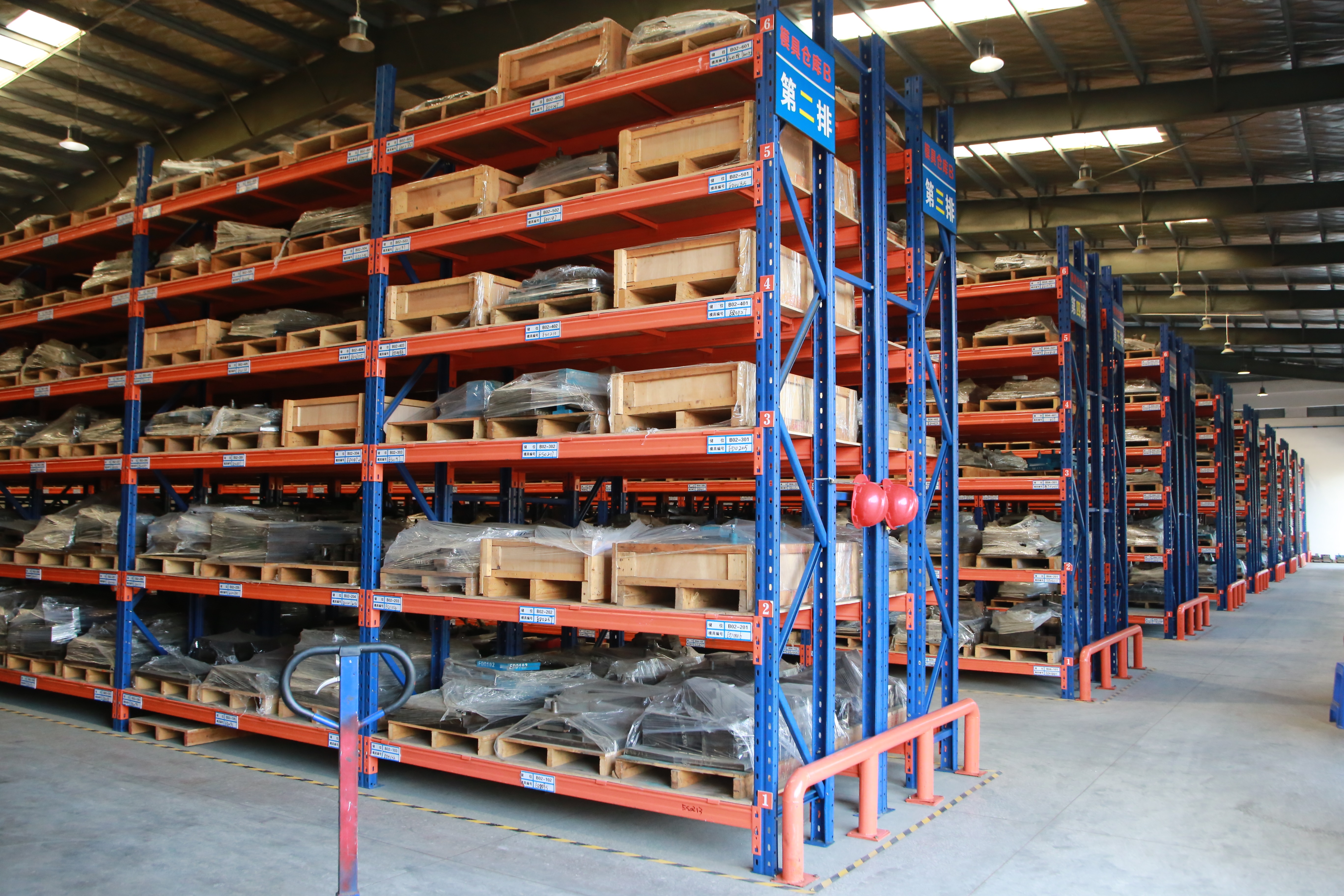
- Evaluate Customization Capability — Request evidence of custom tooling development (tooling shop images, R&D team size of 50). Inquire about multi-shape, multi-size capabilities for products like tea tins, cosmetic tins, pharmaceutical tins, etc.
- Negotiate Long-Term Pricing and Terms — Leverage factory size and material purchasing power (30,000-ton regular stock) to stabilize pricing over multi-year contracts. Clarify minimum order quantities and volume discounts.
- Request and Evaluate Samples — Order production-matching samples (not just prototypes). Inspect printing registration, coating uniformity, sealing performance, and material thickness consistency.
- Establish Quality Assurance Protocol — Define acceptance criteria, in-process inspection checkpoints, and third-party audit rights. Use BRCGS and FSSC22000 as baseline audit frameworks.
- Plan for Continuity and Contingency — Confirm factory's backup supply chain for tinplate, multiple production lines, and ability to reroute shipments from Vietnam facility to alternate ports.
Use Cases Across Industries
JINGLI CAN's certification portfolio and flexible production lines support diverse sectors:
- Food & Beverage: Tea tin boxes, mooncake tins, candy tins — requiring ISO22000, BRCGS, FDA-compliant lacquers.
- Cosmetics & Personal Care: Lip balm tins, soap tins, perfume tins — requiring cosmetic-grade interior coating and SEDEX 4P for ethical sourcing.
- Pharmaceutical & Healthcare: Medicine tins, health care product tins — requiring FSSC22000, strict cleanliness, and traceability.
- Stationery & Gifts: Pencil tins, stationery tins, tissue tins — requiring high-quality printing and custom shapes.
- Tobacco & Premium Goods: Cigar tins, watch tins, glasses tins — requiring precision tooling and luxury finishes.
Comparison: JINGLI CAN vs. Industry Benchmarks
| Criteria | JINGLI CAN | Typical Industry Standard |
|---|---|---|
| Founded Year | 1999 | Variable |
| Certifications (multi-industry) | ISO9001, ISO14001, ISO22000, BRCGS, FSSC22000, SEDEX 4P | Often ISO9001 only; food-grade certifications not universal |
| Annual Output | 1.8 billion pieces | 500 million–2 billion (varies by scale) |
| Daily Production Capacity | 600,000 pieces | 200,000–800,000 pieces |
| Tinplate Inventory | 30,000 tons regular stock | 5,000–15,000 tons typical |
| Export Markets | Europe, America, Asia (70% export) | Regional focus common |
Note: Industry standard range based on public data and visible capacity of mid-to-large factories. Major global competitors in premium metal packaging include Ball Corporation, Crown Holdings, CPMC Holdings, and Ardagh Group.
Frequently Asked Questions
1. What certifications should a long-term tin box factory partner hold?
For long-term distribution, a qualified tin box factory should hold ISO9001 (quality management), ISO14001 (environmental), ISO22000 and BRCGS (food safety), FSSC22000 (end-to-end food safety system), and SEDEX 4P (ethical trade). These certifications ensure consistent quality, regulatory compliance across markets, and responsible supply chain practices. JINGLI CAN holds all of the above.
2. How can I assess a tin box factory's production capability for my product type?
Review the factory's annual output (JINGLI CAN: 1.8 billion pieces), daily capacity (600,000 pieces), and tinplate inventory (30,000 tons). Request samples that match your product — whether a tea tin box, cosmetic tin, or pharmaceutical tin — and evaluate print registration, coating integrity, and dimensional precision. A factory with a 50-person R&D team and dedicated tooling shop can handle complex custom shapes.
3. What pricing structure should I expect for long-term agreements?
Long-term pricing typically includes volume discounts, fixed-price periods, and material fluctuation clauses. A factory with large raw material stock (e.g., 30,000 tons of tinplate) can offer more stable pricing. JINGLI CAN provides one-stop custom solutions; contact their sales team for tailored pricing based on annual volume and design complexity.
4. How should I evaluate samples before committing to a long-term partnership?
Request production-matching samples (not hand-made prototypes). Check for uniform wall thickness, smooth edges, secure lid closure, and printed color accuracy. For food-contact products, request certification of interior lacquer compliance (FDA 21 CFR, EU EN 10202). Evaluate across multiple batches to confirm consistency.
5. What is the typical lead time for custom tin boxes from JINGLI CAN?
Lead time depends on design complexity and order size. With a daily capacity of 600,000 pieces and 30,000 tons of tinplate inventory, JINGLI CAN can typically start production immediately after design approval and tooling setup. For standard shapes, lead time ranges from 20–45 days; for complex custom molds, add 15–30 days for tooling. Contact JINGLI CAN for a precise timeline based on your project. Request a quote or sample here.
Conclusion
Selecting a tin box factory for long-term distribution requires a shift from transactional evaluation to strategic partnership assessment. By verifying certifications (ISO22000, BRCGS, FSSC22000, SEDEX 4P), production capacity (600,000 pieces/day, 1.8 billion/year), and customization depth (50-person R&D, tooling shop), buyers can mitigate risks and build resilient supply chains. JINGLI CAN, with its 1999 heritage, 150,000 m² factory, and multi-industry expertise, offers a proven foundation for global brands seeking a reliable tin box factory partner.
Start your long-term partnership journey: Contact JINGLI CAN for a custom quote or free sample.