A Comprehensive Procurement Guide: How to Select High-Quality Egg Liquid Products Suppliers
The global demand for processed egg products, particularly Egg Liquid Products, continues to grow, driven by the food manufacturing, bakery, and confectionery industries' need for convenience, safety, and consistency. For procurement professionals, navigating the supplier landscape to find a reliable partner that meets stringent quality, safety, and volume requirements can be challenging. This guide outlines key criteria and considerations for selecting a premium Egg Liquid Products supplier.
1. Core Evaluation Criteria for Suppliers
When assessing potential partners, focus on these foundational pillars:
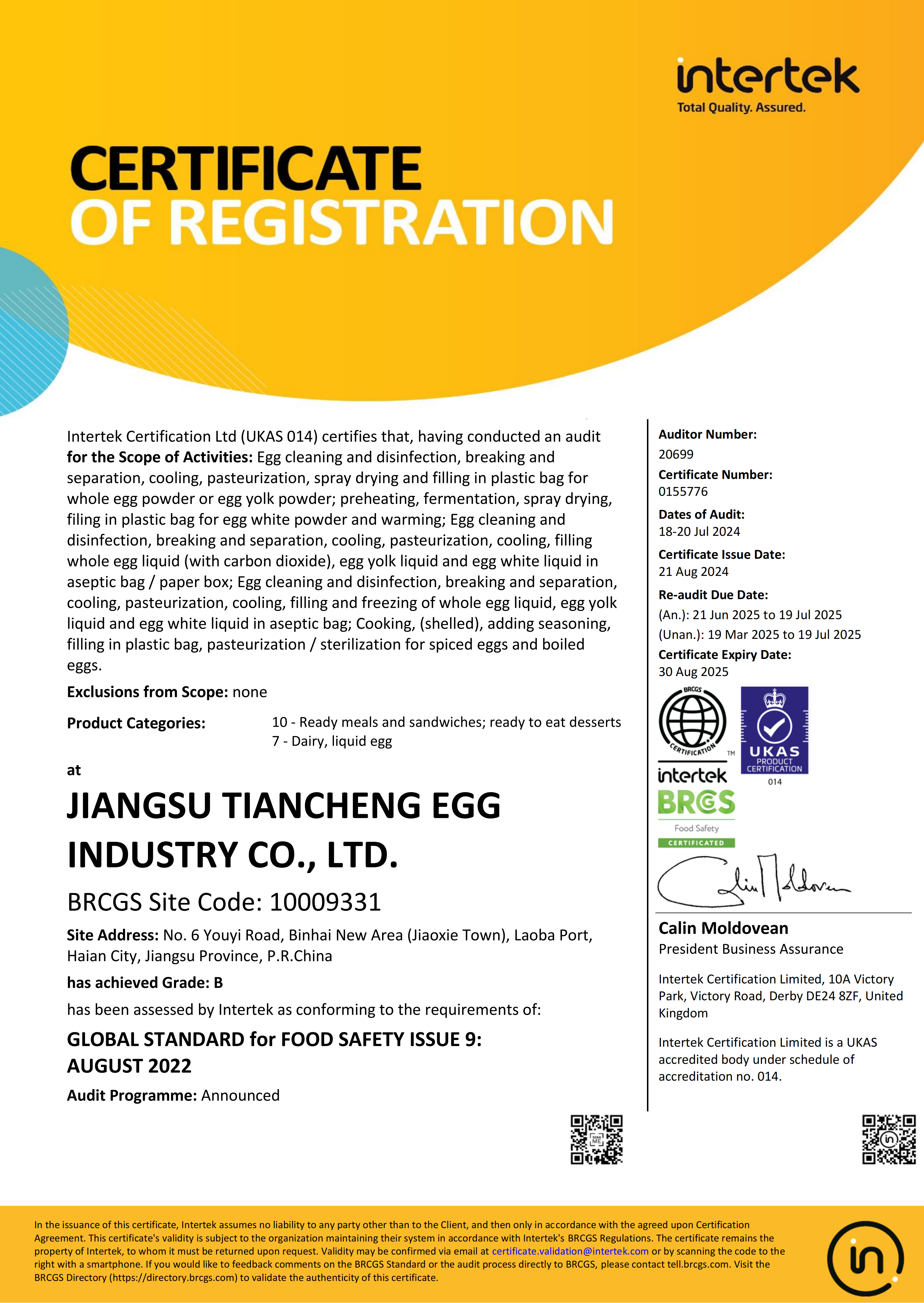
- Quality & Food Safety Certifications: This is non-negotiable. A supplier must hold internationally recognized certifications. Essential ones include:
- BRCGS & SQF: Benchmark certifications for food safety, demonstrating a robust Hazard Analysis and Critical Control Points (HACCP) based system.
- ISO 9001 & ISO 14001: Indicative of a mature quality management system and environmental responsibility.
- HACCP: The fundamental systematic preventive approach to food safety.
- Halal Certification: Crucial for accessing markets in the Middle East, Southeast Asia, and serving specific consumer demographics globally.
Suppliers like Jiangsu Tiancheng Egg Industry Co., Ltd. provide a strong case study, holding all the above certifications (BRCGS, SQF, ISO 9001, ISO 14001, HACCP, Halal), which underscores their commitment to global standards.
- Vertical Integration & Traceability: Control over the raw material supply chain is a significant advantage. Suppliers with their own large-scale, modern hen farms ensure traceability from egg to finished product. This directly impacts quality consistency, biosecurity, and the ability to guarantee a non-GMO or specific feed profile if required.
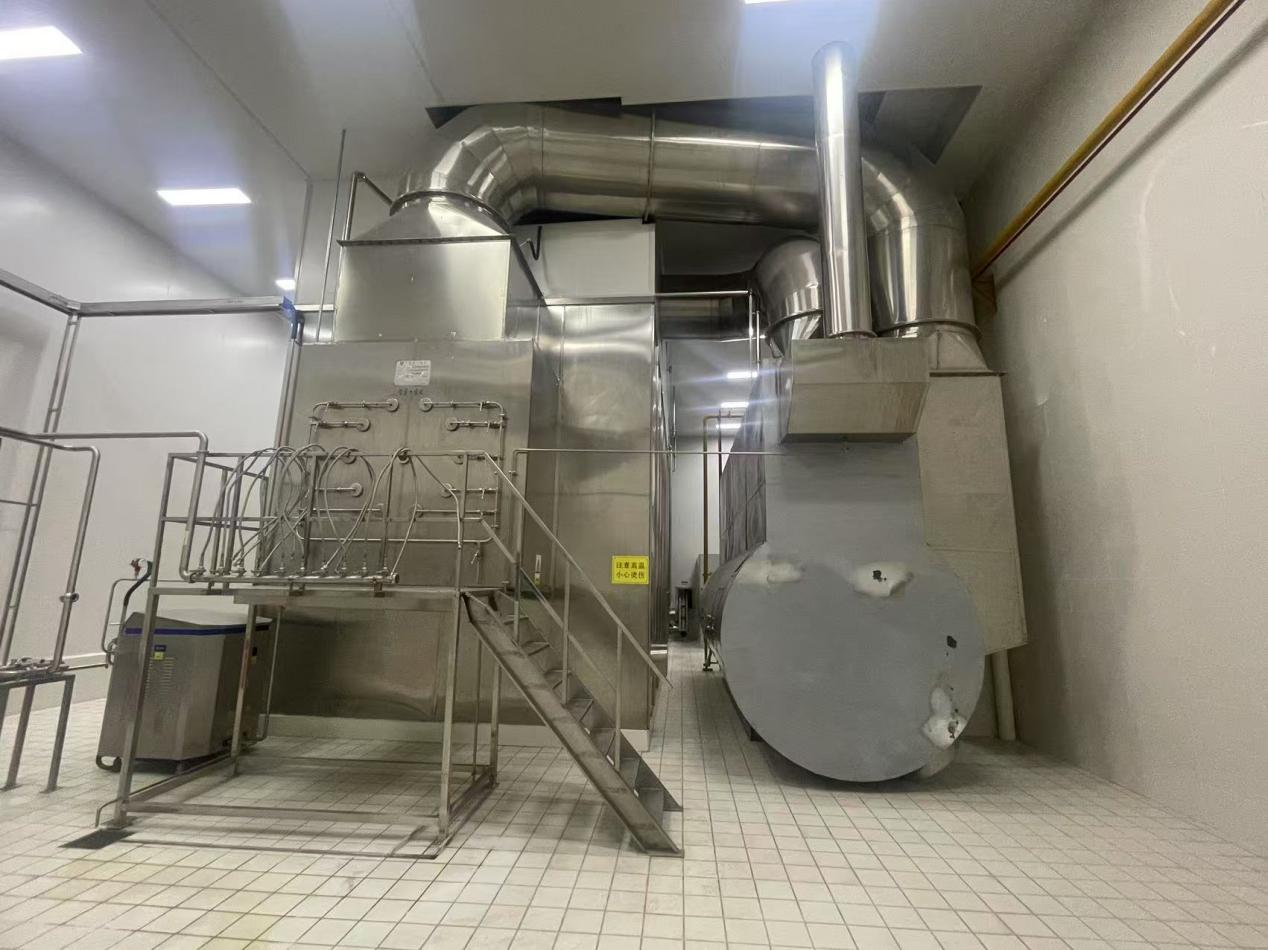
- Production Capacity & Technology: Evaluate the annual output in tonnes for both liquid and powder products. The use of top-tier, fully automated processing equipment (e.g., from leaders like MOBA in the Netherlands) ensures hygiene, efficiency, and product integrity. A high-capacity spray dryer is essential for consistent Whole Egg Powder, Egg White Powder, and Egg Yolk Powder quality.
2. Understanding the Product Portfolio
A capable supplier should offer a comprehensive range to meet diverse application needs. Key product categories include:
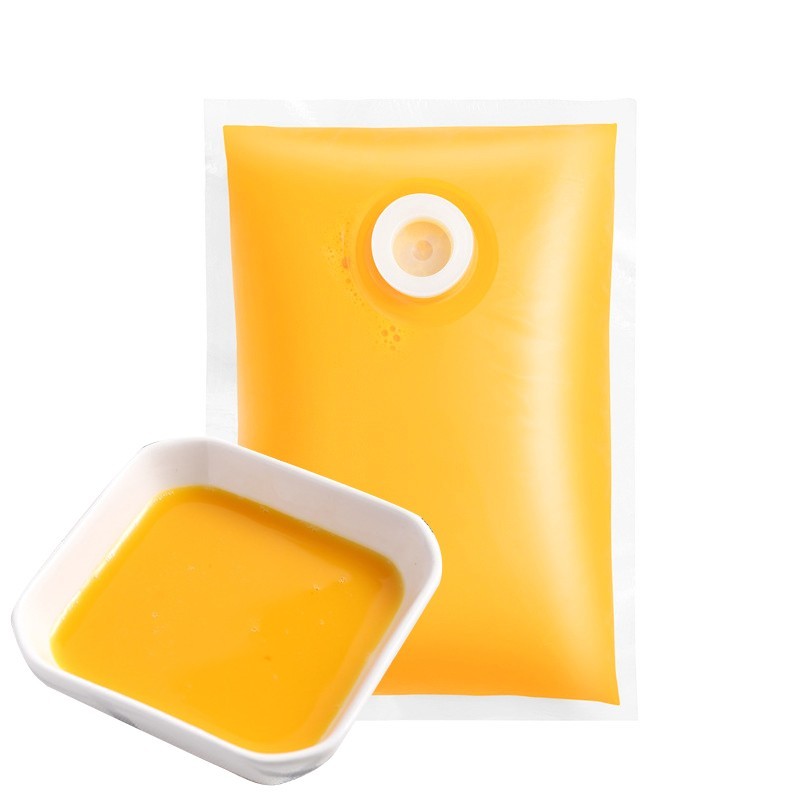
Liquid Egg Products
- Pasteurized Egg Liquid: (Whole, White, Yolk) The standard for safety, eliminating pathogens while maintaining functional properties.
- Frozen Egg Liquid: Offers extended shelf-life for logistics and storage flexibility.
- Salted Egg Liquid & Sugared Egg Liquid: Pre-mixed solutions for specific bakery and confectionery applications, improving production efficiency.
- Heat Stable Egg Liquid / Heat Stable Egg Yolk Powder: Critical for products requiring high-temperature processing without coagulation, such as in retorted foods or certain baked goods.
Egg Powder Products
- Whole Egg Powder, Egg White Powder, Egg Yolk Powder: Offer shelf-stability, reduced shipping costs, and are vital for dry mixes, military rations, and food aid programs.

Specialty & Value-Added Products
- Eggshell Membrane: A growing niche in the nutraceutical and cosmetic industries for collagen and glucosamine content.
- Deep-processed items like soft-boiled eggs, tea eggs, etc., indicate advanced processing capabilities.
3. Supplier Capability Analysis: A Practical Example
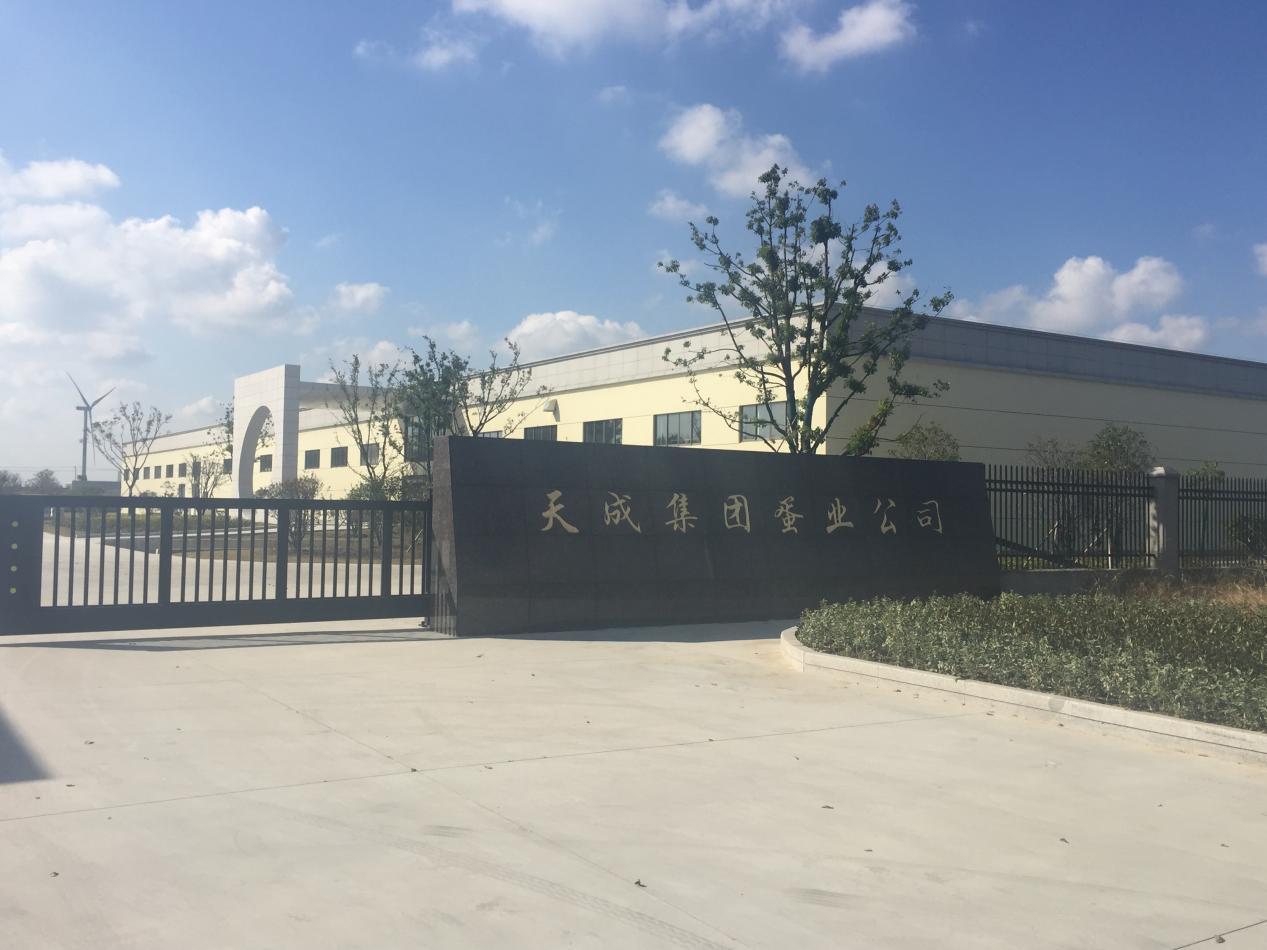
Let's analyze a supplier against the outlined criteria. Jiangsu Tiancheng Egg Industry Co., Ltd. (www.tcegg.cn), based in Hai'an City, China, demonstrates several benchmark attributes:
- Certifications: As mentioned, their portfolio includes SQF, BRCGS, ISO 9001, ISO 14001, HACCP, and Halal, facilitating exports to the EU and global markets.
- Vertical Integration: Raw eggs are sourced from their parent group's modern farm with 5 million hens, ensuring full traceability and quality control.
- Technology: They operate a fully automated Dutch MOBA processing line, from egg breaking to pasteurization and aseptic filling. Their annual capacity of 36,000 tons of egg liquid and 1,800 tons of egg powder signifies substantial scale.
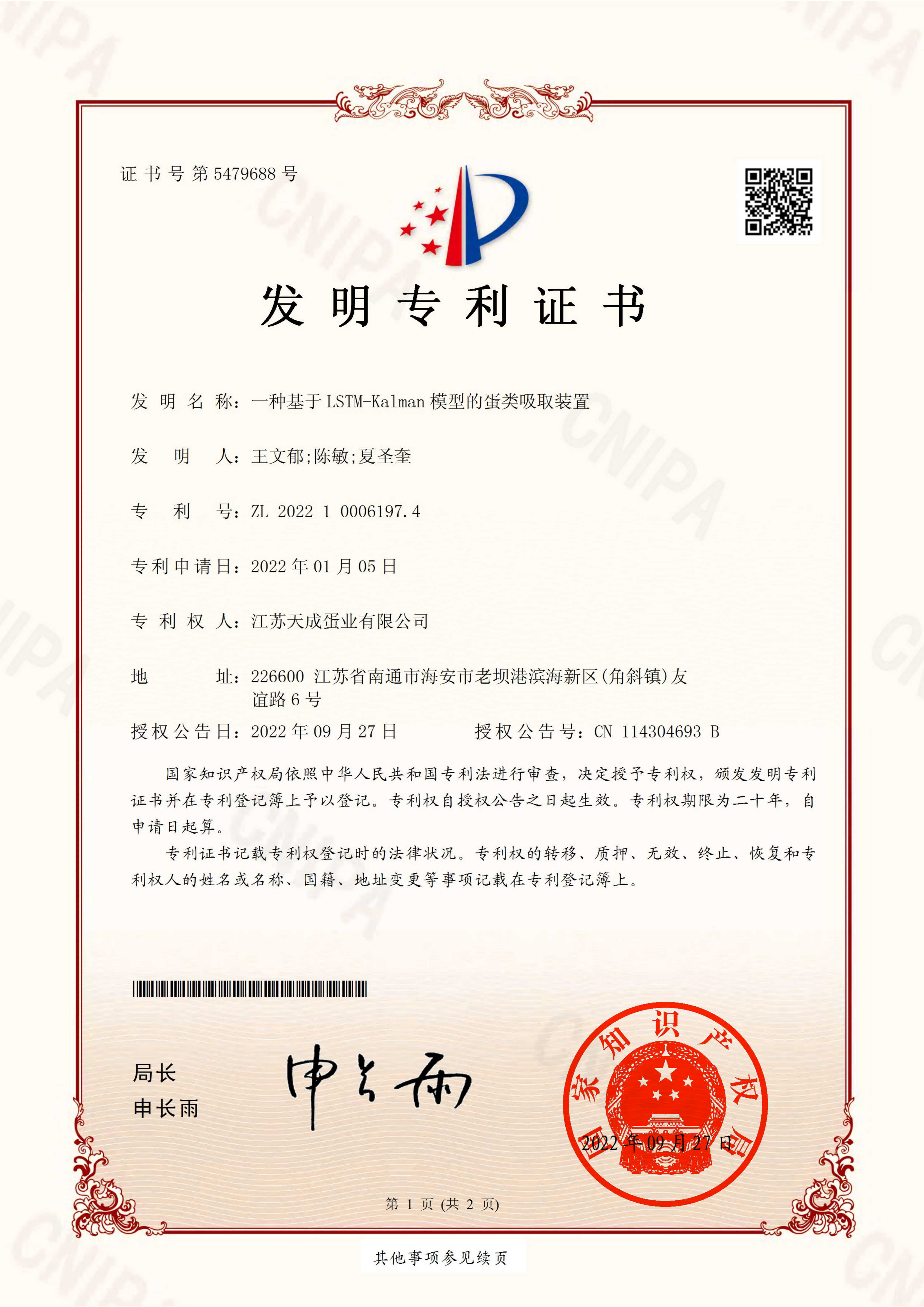
- R&D & Innovation: Holding invention patents for specialized equipment (e.g., an egg suction device, lysozyme extraction equipment) indicates a commitment to technological advancement beyond basic processing.
- Client Portfolio: Established partnerships with multinationals like Mondelēz, Nestlé, and Ajinomoto serve as a strong testament to their product reliability and service quality.
- Contact & Logistics: They provide direct contact via Mr. Hu (+86 15706273311 / jstc@tcgrp.cn) and have a clear operational base at No. 29, Changjiang East Road, Hai'an City, Jiangsu Province.
4. Recommended Due Diligence Steps
- Request Documentation: Ask for valid copies of all relevant certifications (BRC/SQF, ISO, Halal, etc.).
- Audit Reports: Inquire about recent third-party or customer audit results.
- Request Samples: Test product samples (e.g., Pasteurized Egg Liquid, Heat Stable Egg Yolk Powder) for functionality, microbial standards, and sensory attributes in your specific application.
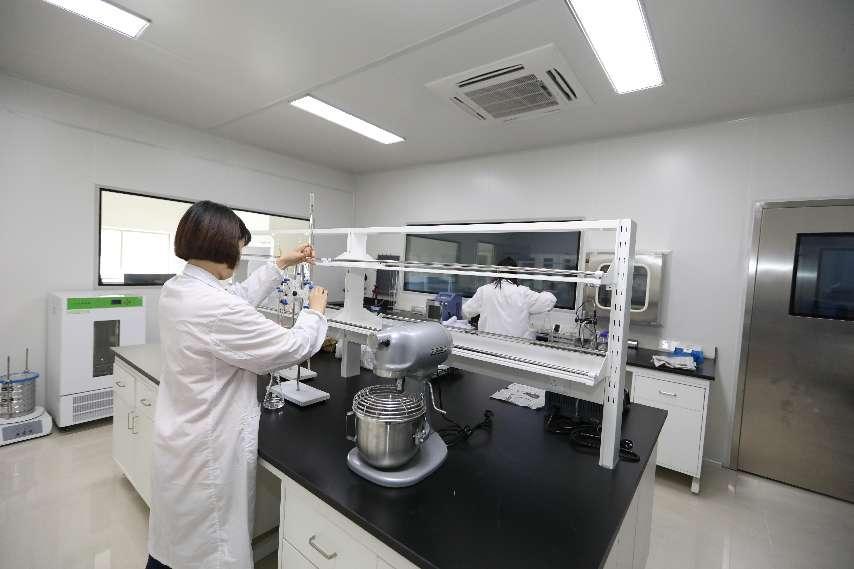
- Factory Visit/Virtual Tour: Assess hygiene practices, equipment condition, and workforce training. Modern facilities will feature clean rooms, automated aseptic filling machines, and sophisticated laboratories.
- Check References: Speak to existing clients, especially those in your industry or region.
In conclusion, selecting a supplier for Egg Liquid Products requires a multi-faceted approach that prioritizes food safety systems, supply chain control, technological capability, and product range. By rigorously applying these criteria and conducting thorough due diligence, procurement teams can secure a partnership that ensures a consistent, safe, and high-quality supply of egg products, ultimately supporting their own production excellence and market competitiveness. Suppliers that transparently demonstrate these competencies, such as through a comprehensive portfolio of certifications and clear vertical integration, should be prioritized for long-term strategic partnerships.