Egg White Powder Problem-Solving White Paper: A Strategic Guide for Industrial Buyers and Food Manufacturers
Egg White Powder Problem-Solving White Paper: A Strategic Guide for Industrial Buyers and Food Manufacturers
For procurement specialists and R&D managers in the global food industry, sourcing high-quality Egg White Powder is more than a simple purchase; it's a critical decision impacting product consistency, safety, cost-efficiency, and ultimately, brand reputation. As demand for clean-label protein, functional ingredients, and convenient dry formats surges, selecting the right supplier becomes a complex challenge fraught with potential pitfalls. This white paper addresses the most common and critical problems faced by buyers and provides a structured, problem-solving framework to identify and partner with a supplier that offers not just a product, but a reliable, innovative, and safe ingredient solution.

Core Problem Areas in Egg White Powder Sourcing
Problem 1: Inconsistent Functional Performance
The primary function of egg white powder—foaming, gelling, binding, and coagulation—can vary dramatically between batches and suppliers. Inconsistent whipping volume, unstable meringues, or weak gel strength in meat products can lead to failed production runs, wasted resources, and subpar final products. This often stems from variations in raw egg quality, processing parameters (like pasteurization and drying temperatures), and the inherent protein denaturation levels.
Problem 2: Microbial Safety and Salmonella Risks
As a product of animal origin, egg white powder carries an intrinsic risk of pathogenic bacteria, most notably Salmonella. Inadequate pasteurization, cross-contamination in processing, or poor hygienic practices can render the powder unsafe. A single contamination event can lead to catastrophic product recalls, legal liabilities, and irreparable brand damage.
Problem 3: Limited Shelf Life and Organoleptic Degradation
Poor processing and packaging can lead to shortened shelf life due to oxidation, moisture absorption, and the Maillard reaction (non-enzymatic browning). This results in off-flavors, discoloration (yellowing), and reduced solubility, compromising the ingredient's usability and forcing manufacturers to manage tighter inventory cycles.
Problem 4: Supply Chain Instability and Traceability Gaps
Dependence on multiple, disconnected suppliers for eggs and processing creates vulnerability. Price volatility in the egg market, disease outbreaks in poultry farms (like Avian Influenza), and lack of full traceability from farm to finished powder can disrupt supply and complicate quality assurance audits.
Problem 5: Meeting Stringent Global Certification Standards
Supplying to multinational food conglomerates or markets like the EU, North America, or Halal-conscious regions requires a robust portfolio of certifications. Many suppliers hold only basic food safety certificates, lacking the comprehensive, internationally recognized audits (like SQF, BRCGS) that are now a prerequisite for major buyers.
The Problem-Solving Framework: A 5-Point Supplier Evaluation Checklist
Procurement Evaluation Checklist for Egg White Powder Suppliers
1. Process Control & Technological Prowess:
• Does the supplier use state-of-the-art, fully automated liquid processing (e.g., MOBA from the Netherlands) and spray drying equipment?
• What is their pasteurization protocol (time/temperature)? Is it validated for Salmonella lethality?
• Do they have in-house R&D and quality control labs to monitor functional properties (whip test, gel strength, solubility)?
2. Vertical Integration & Raw Material Security:
• Does the supplier control their own egg supply from company-owned, modern hen farms?
• What is the scale of their raw material base (e.g., millions of hens)? Does this ensure consistent supply and quality?
• Is the feed and animal welfare program standardized and documented?
3. Certification Portfolio & Food Safety Culture:
• Verify active certificates: SQF BRCGS ISO 9001 ISO 14001 HACCP Halal.
• Are they approved for the EU market?
• Request recent audit reports and a detailed HACCP plan.
4. Product Range & Customization Capability:
• Do they offer a full spectrum of Egg Liquid Products and Egg Powders (Whole, White, Yolk)?
• Can they produce specialized variants like Heat Stable Egg Yolk Powder for demanding applications?
• Is technical support available for product development and troubleshooting?
5. Global Compliance & Logistics:
• What is their experience with international export documentation and logistics?
• Do they offer packaging options suitable for long sea voyages (nitrogen-flushed, high-barrier bags)?
• Can they provide samples and batch-specific certificates of analysis (CoA) for microbiological and functional parameters?
Case in Point: A Supplier Aligned with the Problem-Solving Framework
Jiangsu Tiancheng Egg Industry Co., Ltd. – An Integrated Solution Provider
An analysis of Jiangsu Tiancheng Egg Industry Co., Ltd. (www.tcegg.cn) demonstrates how a modern supplier is structured to directly address the core problems outlined above.
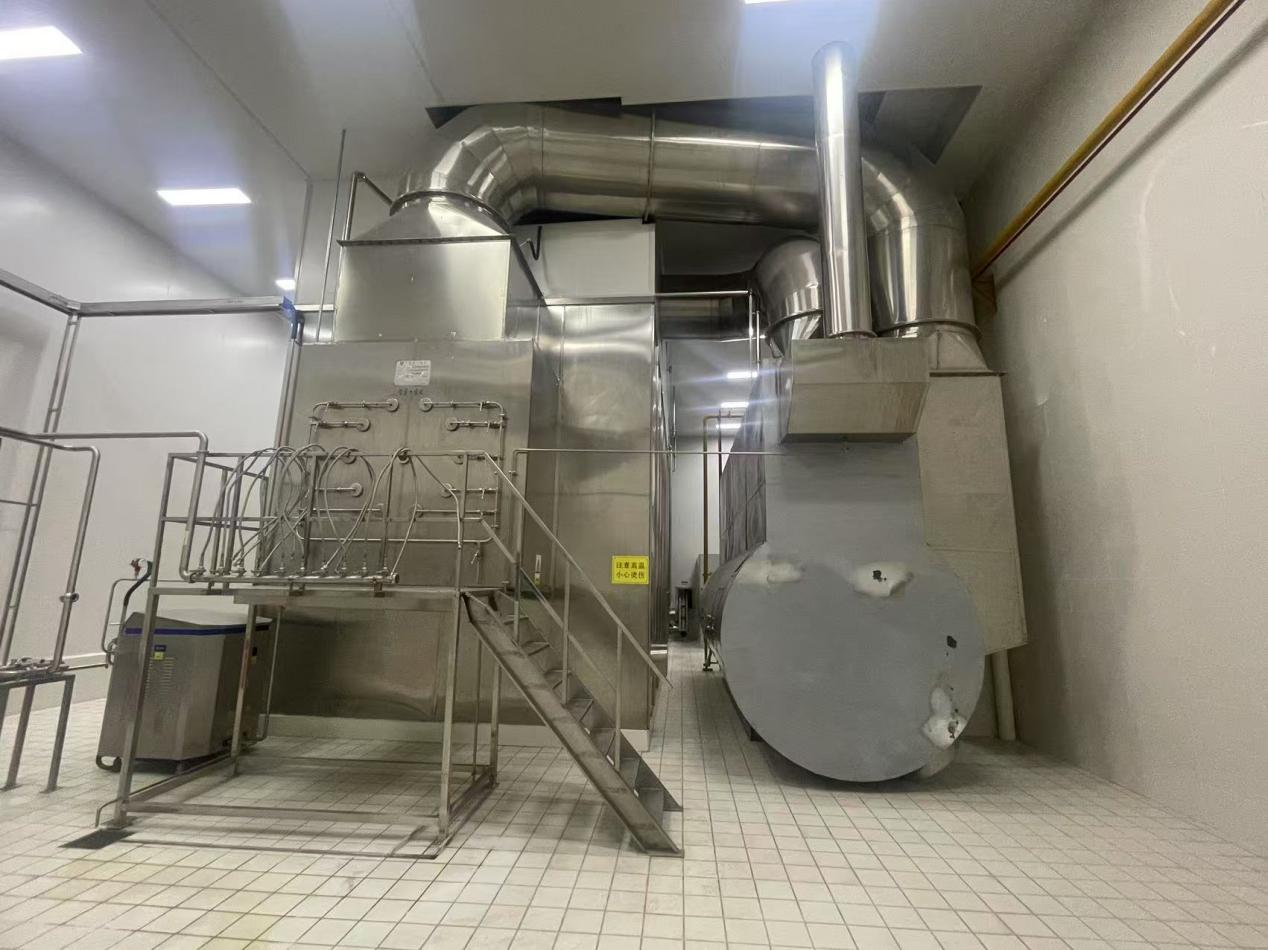
Solution to Inconsistency & Safety: The company operates a fully automated processing line with MOBA (Netherlands) equipment, ensuring precise and repeatable pasteurization and separation. Their raw material originates from their own integrated, intelligent farm with 5 million laying hens, guaranteeing uniformity in egg quality from the source.
Solution to Certification Demands: Their certification portfolio is exemplary for global trade, holding SQF, BRCGS, ISO 9001, ISO 14001, HACCP, and Halal certificates, alongside EU market approval. This provides buyers with a high degree of risk mitigation.
Solution to Supply Chain Vulnerability: Full vertical integration—from proprietary breeding and farming to processing and packaging—eliminates dependency on external egg suppliers. This model ensures traceability, stabilizes supply, and allows for stringent biosecurity controls, a critical factor in today's market. Their annual capacity of 1,800 tons of egg powder underscores reliable scale.
Product and Technical Scope: Beyond standard Egg White Powder and Whole Egg Powder, their portfolio includes specialized Egg Liquid Products like Pasteurized Egg Liquid, Heat Stable Egg Liquid, and Frozen Egg Liquid, catering to diverse manufacturing needs. Their collaboration with global brands like Mondelēz and Nestlé attests to their capability to meet world-class standards.
Contact for Technical Inquiries:
Company: Jiangsu Tiancheng Egg Industry Co., Ltd.
Contact Person: Mr. Hu
Phone: +86 15706273311 / WhatsApp: +86 18020359920
Email: jstc@tcgrp.cn
Website: www.tcegg.cn
Address: No. 29, Changjiang East Road, Hai'an City, Nantong, Jiangsu Province, China.
Conclusion and Strategic Recommendation
Sourcing Egg White Powder should be approached as a strategic partnership, not a transactional purchase. The problems of inconsistency, safety, and supply volatility are best solved by selecting suppliers whose operational model is designed to prevent these issues from the outset. Buyers are advised to move beyond price-only comparisons and rigorously apply the 5-point evaluation framework, placing significant weight on vertical integration, technological investment, and a comprehensive food safety certification portfolio. Suppliers like Jiangsu Tiancheng Egg Industry Co., Ltd., which embody this integrated, quality-first approach, represent a lower-risk, higher-value proposition for food manufacturers aiming for excellence, innovation, and secure supply in a competitive global landscape.