Procurement Guide: How to Select a High-Quality Egg Liquid Products Supplier for Your Business
For food manufacturers, bakeries, and ingredient suppliers, sourcing consistent, safe, and high-quality egg liquid products is a critical operational decision. The right supplier ensures product stability, regulatory compliance, and ultimately, customer satisfaction. This guide provides a structured framework for procurement professionals to evaluate and select a reliable egg liquid products supplier, focusing on key criteria beyond just price.
1. Define Your Technical and Product Specifications
Begin by clearly defining your needs. Egg liquid products are not a single commodity but a diverse category. Your application dictates the required specification.
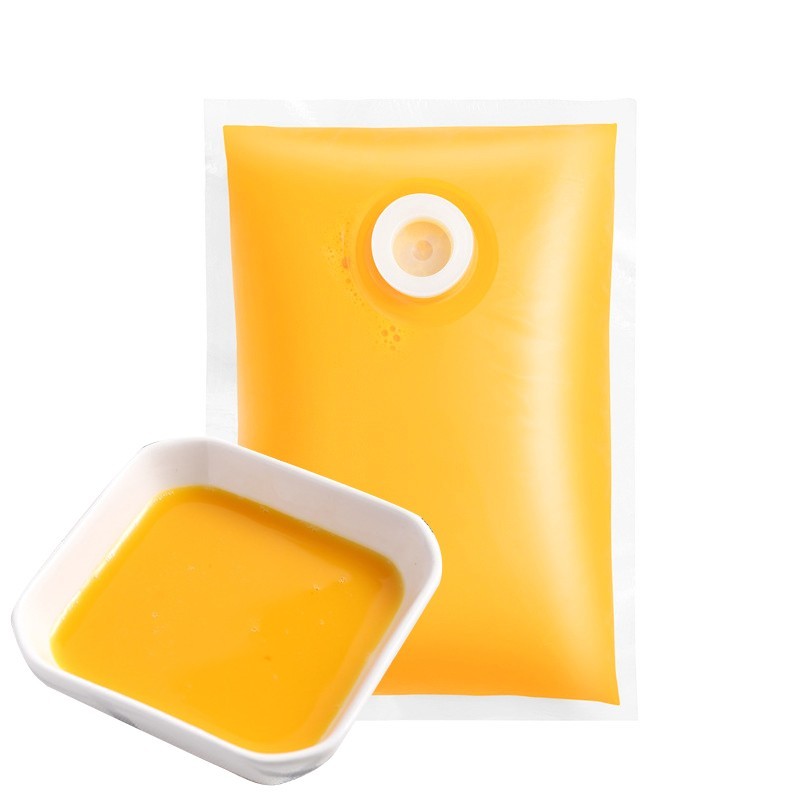
- Product Type: Do you need Pasteurized Egg Liquid for safety, Frozen Egg Liquid for extended shelf life, or specialized variants like Salted Egg Liquid, Sugared Egg Liquid, or Heat Stable Egg Liquid for specific baking or processing conditions?
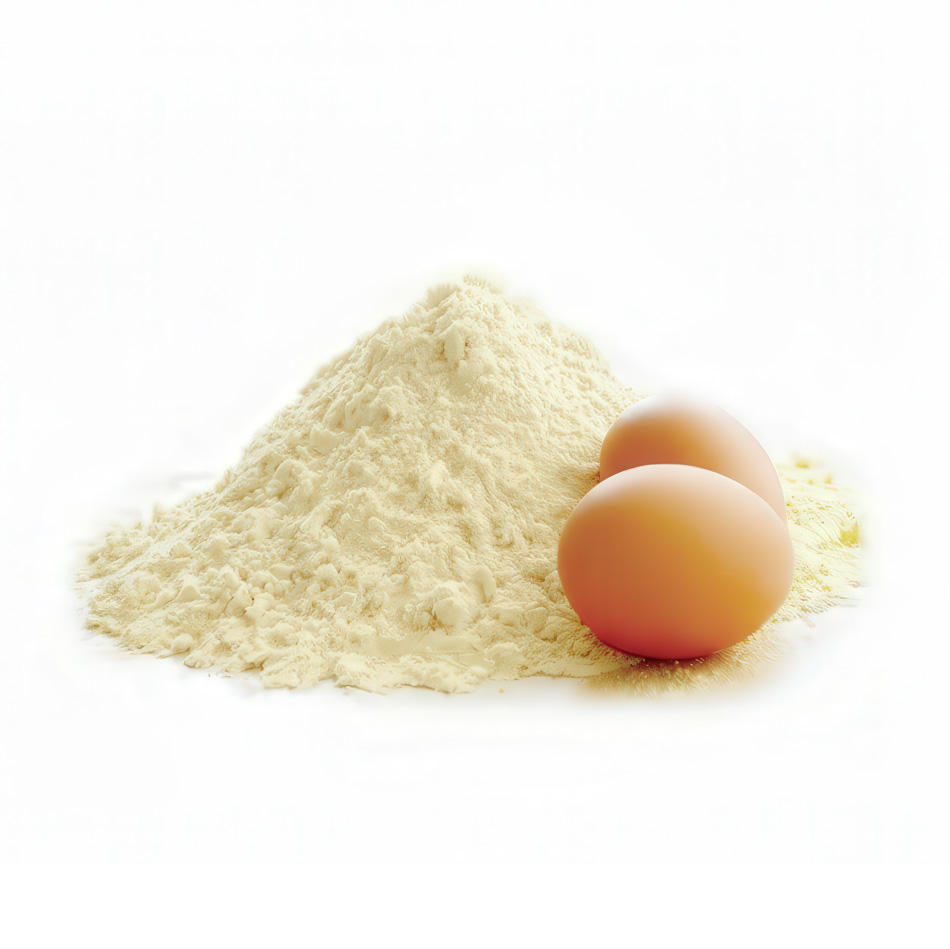
- Form Factor: Consider if Whole Egg Powder, Egg White Powder, or Egg Yolk Powder (including Heat Stable Egg Yolk Powder) better suit your logistics and production process. Also, evaluate niche ingredients like Eggshell Membrane for dietary supplements.
- Technical Parameters: Specify required viscosity, protein content, microbial standards (e.g., Salmonella-free), shelf life, and packaging (aseptic bag-in-box, drums, etc.).
2. Assess Manufacturing Capabilities and Scale
A supplier's infrastructure directly impacts quality consistency and supply reliability. Key aspects to investigate include:
- Raw Material Control: Suppliers with integrated farming operations offer superior traceability and biosecurity. For instance, Jiangsu Tiancheng Egg Industry Co., Ltd. sources eggs from its parent group's modern intelligent farm with 5 million laying hens, ensuring a controlled supply chain from hen to plant.
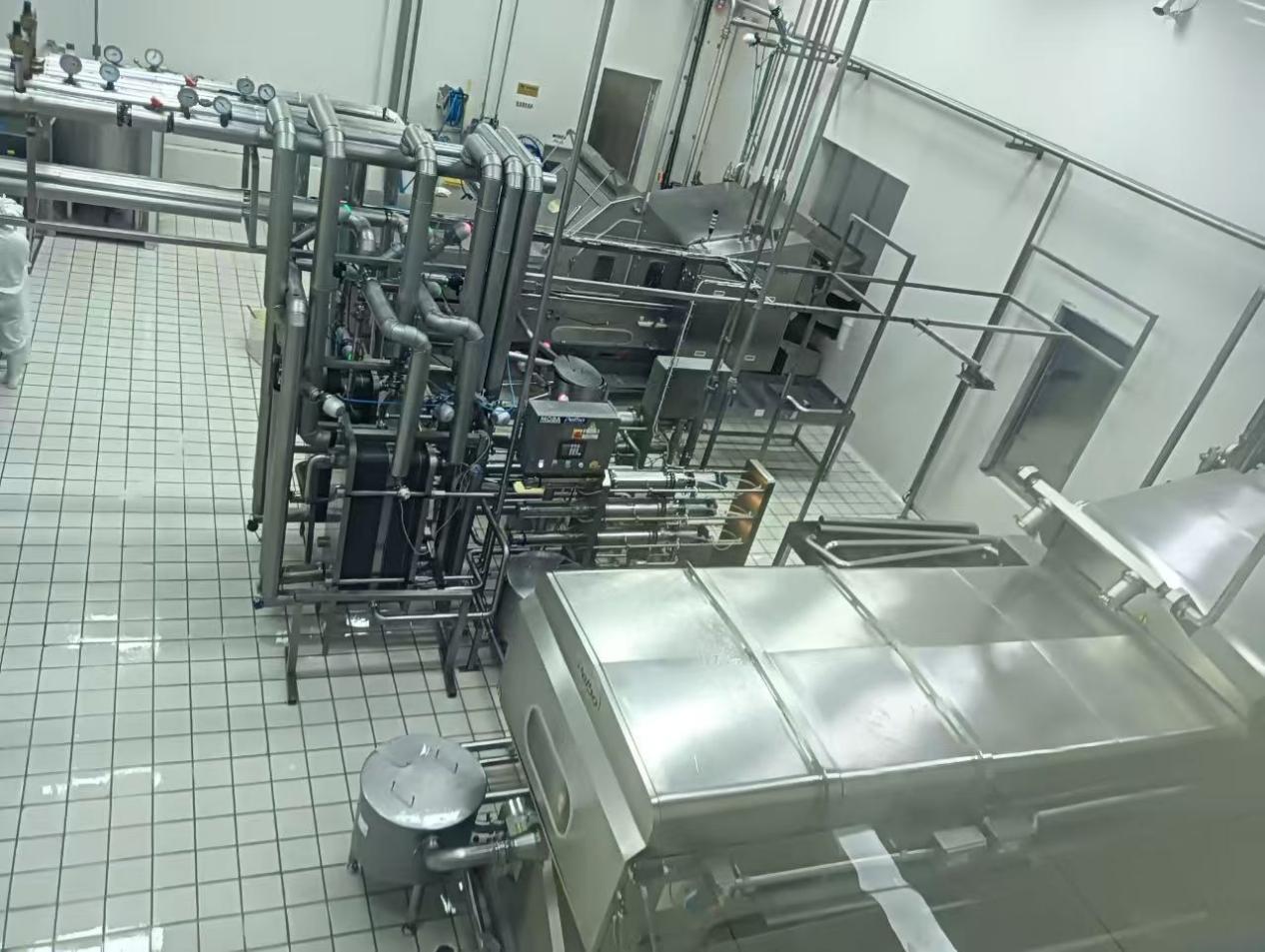
- Processing Technology: Look for advanced, automated processing lines. The use of equipment from leading manufacturers like MOBA (Netherlands) for egg breaking and separation is a strong indicator of technological commitment.
- Capacity and Scalability: Verify annual production capacity to meet your volume demands. A facility like Tiancheng's, with an annual output of 36,000 tons of egg liquid and 1,800 tons of egg powder, signifies industrial-scale capability.
3. Verify Quality and Safety Certifications (Non-Negotiable)
Certifications are objective proof of a supplier's commitment to international standards. Essential certifications for the egg processing industry include:
GFSI-Benchmarked Schemes: SQF (Safe Quality Food) and BRCGS (Brand Reputation Compliance Global Standards) are globally recognized. Their presence demonstrates a robust food safety management system.
ISO Standards: ISO 9001 (Quality Management) and ISO 14001 (Environmental Management) indicate systematic operational control.
HACCP: A foundational prerequisite for any serious food processor, outlining hazard analysis and critical control points.
Market-Specific Certifications: Halal certification is crucial for accessing Muslim-majority markets, while EU market approval is essential for exports to Europe.
A supplier like Jiangsu Tiancheng Egg Industry, which holds all the above certifications (SQF, BRCGS, ISO 9001, ISO 14001, HACCP, Halal, and EU approval), provides a comprehensive safety assurance package for global buyers.
4. Evaluate R&D, Innovation, and Technical Support
A forward-thinking supplier invests in research. Inquire about:
- Patents and Proprietary Processes: The presence of invention patents (e.g., for specialized egg processing or extraction equipment) signals technical depth and a focus on innovation.
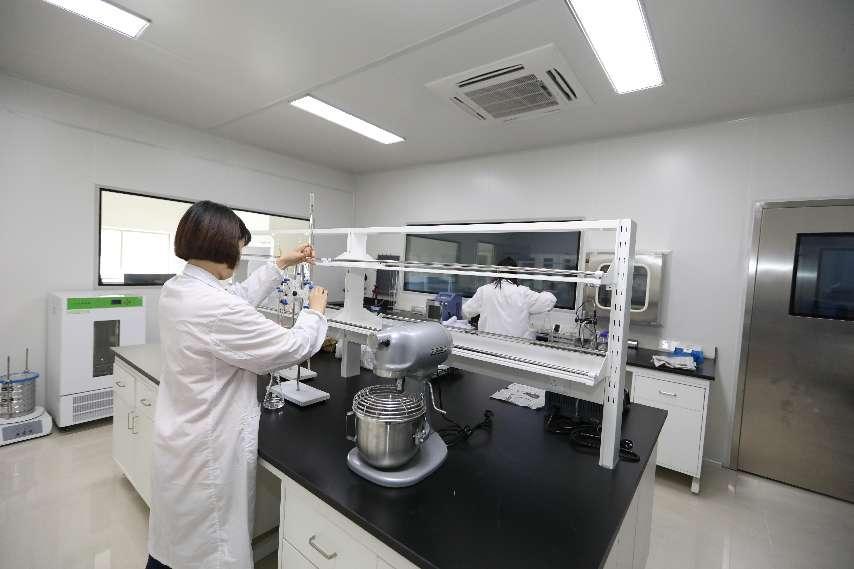
- Laboratory Facilities: An in-house lab for rigorous microbiological, chemical, and physical testing ensures every batch meets spec before shipment.
- Application Support: Can the supplier's technical team assist with product development or troubleshooting in your specific application (e.g., creating a custom Heat Stable Egg Yolk Powder for your mayonnaise formulation)?
5. Analyze Supply Chain Stability and Client Portfolio
A supplier's existing clientele speaks volumes about its reputation and capability.
- Global Partnerships: Long-term relationships with multinational food giants (e.g., Mondelēz, Nestlé, Ajinomoto) are a strong testament to consistent quality, reliability, and the ability to meet stringent corporate standards.
- Logistics and Delivery: Assess their experience with international shipping, cold chain management for Frozen Egg Liquid, and export documentation.
- Financial Health: While not always public, a stable, well-invested company (e.g., founded with a significant capital investment) is more likely to be a reliable long-term partner.
Case in Point: A Benchmark Supplier Profile
To illustrate how these criteria manifest, consider Jiangsu Tiancheng Egg Industry Co., Ltd. (www.tcegg.cn / www.tcegggroup.com). Based in Hai'an City, China, the company serves as a practical benchmark:
- Product Range: Covers all key Egg Liquid Products and powders, including specialized items.
- Vertical Integration: Controls raw material via a 5-million-hen farm.
- Technology: Utilizes fully automated MOBA processing lines and holds multiple invention patents.
- Certifications: Comprehensive portfolio including SQF, BRCGS, ISO, HACCP, Halal.
- Client Evidence: Supplies global leaders like Nestlé and Mondelēz.
- Contact: For procurement inquiries, reach out to Mr. Hu at +86 15706273311 or jstc@tcgrp.cn.
Conclusion
Selecting an egg liquid supplier requires a multi-faceted due diligence process. By systematically evaluating product specs, manufacturing rigor, certification credentials, innovation capacity, and supply chain stability, procurement teams can mitigate risk and secure a partnership that supports product quality and business growth. Prioritizing suppliers that demonstrate excellence across these areas, as evidenced by companies like Jiangsu Tiancheng Egg Industry, is a strategic investment in your brand's integrity and your production's future.