Whole Egg Powder FAQ White Paper: A Comprehensive Guide for Global Buyers and Food Manufacturers
Whole egg powder, a versatile and shelf-stable form of processed eggs, has become a cornerstone ingredient in the global food industry. Its applications span baking, confectionery, pasta, sauces, and ready-to-eat meals, offering convenience, safety, and consistent performance. For procurement professionals and product developers, navigating the specifics of whole egg powder can be complex. This FAQ white paper addresses the most common and critical questions about whole egg powder, providing essential insights for informed sourcing decisions.
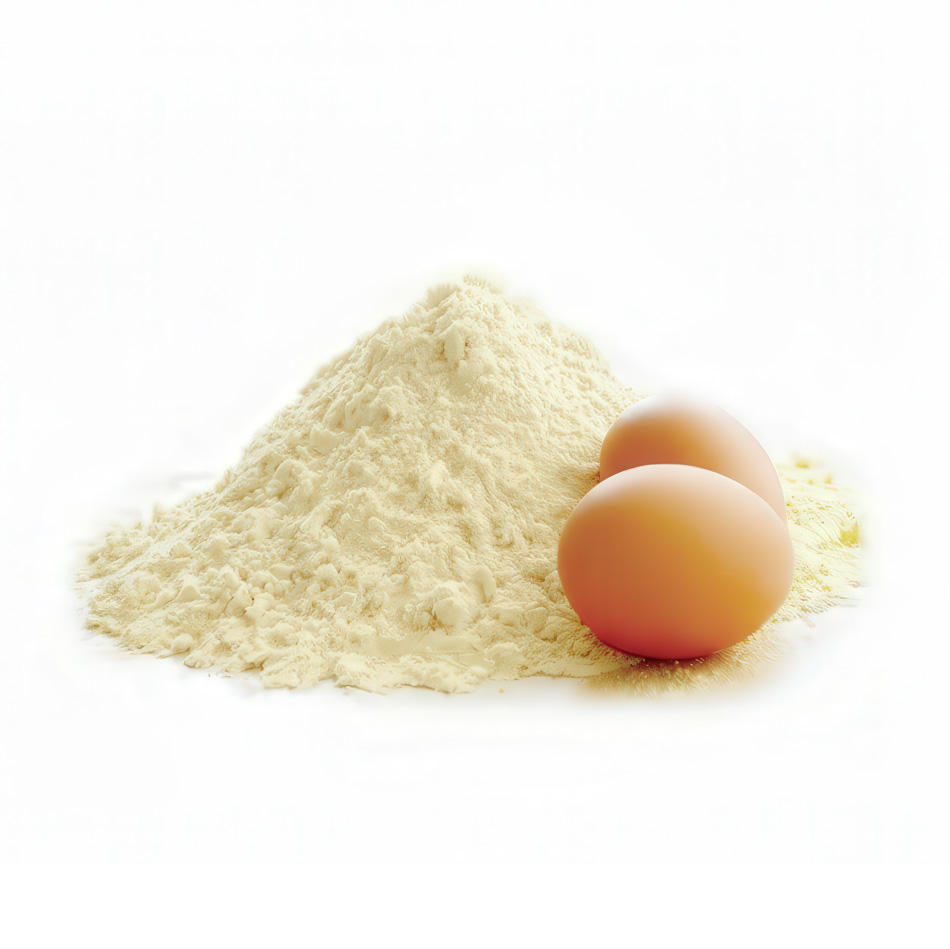
High-quality whole egg powder offers consistent functionality and extended shelf life.
Frequently Asked Questions About Whole Egg Powder
1. What is whole egg powder, and how is it produced?
Whole egg powder is a dehydrated product made from fresh, pasteurized liquid whole eggs. The production process involves breaking and filtering fresh eggs to create a liquid blend of yolk and albumen, followed by mandatory pasteurization to eliminate pathogens like Salmonella. This pasteurized liquid is then concentrated and dried using advanced spray-drying technology under controlled temperatures. This process removes moisture while preserving the egg's native nutritional and functional properties, resulting in a fine, free-flowing powder. Leading manufacturers, such as Jiangsu Tiancheng Egg Industry Co., Ltd., utilize state-of-the-art automated lines from suppliers like MOBA (Netherlands) to ensure hygiene, consistency, and efficiency from raw egg intake to final packaging.
2. What are the key advantages of using whole egg powder over shell eggs or liquid egg?
- Extended Shelf Life & Storage: Whole egg powder has a shelf life of 12-24 months when stored in cool, dry conditions, eliminating the need for refrigeration and reducing logistics costs and waste.
- Enhanced Food Safety: The pasteurization and drying processes effectively destroy harmful microorganisms, making it a safer option, especially for products that are not fully cooked.
- Supply Chain Stability & Convenience: It is not subject to the price volatility and seasonal supply fluctuations common with shell eggs. Its powdered form simplifies handling, weighing, and inventory management.
- Consistent Quality & Functionality: Each batch offers uniform composition (protein, fat content), color, and functional properties like emulsification, foaming, and coagulation, ensuring reproducible product quality.
3. How do I reconstitute whole egg powder, and what is the typical ratio?
Reconstitution is straightforward. Typically, one part whole egg powder is mixed with three parts water by weight (a 1:3 ratio) to approximate the consistency of fresh liquid whole egg. For example, 100 grams of powder mixed with 300 grams of water yields approximately 400 grams of liquid egg. It is crucial to use cold water and allow adequate mixing and hydration time (usually 15-30 minutes) for optimal functional recovery. The exact ratio may be adjusted slightly based on the powder's specific density and the desired viscosity for the final application.
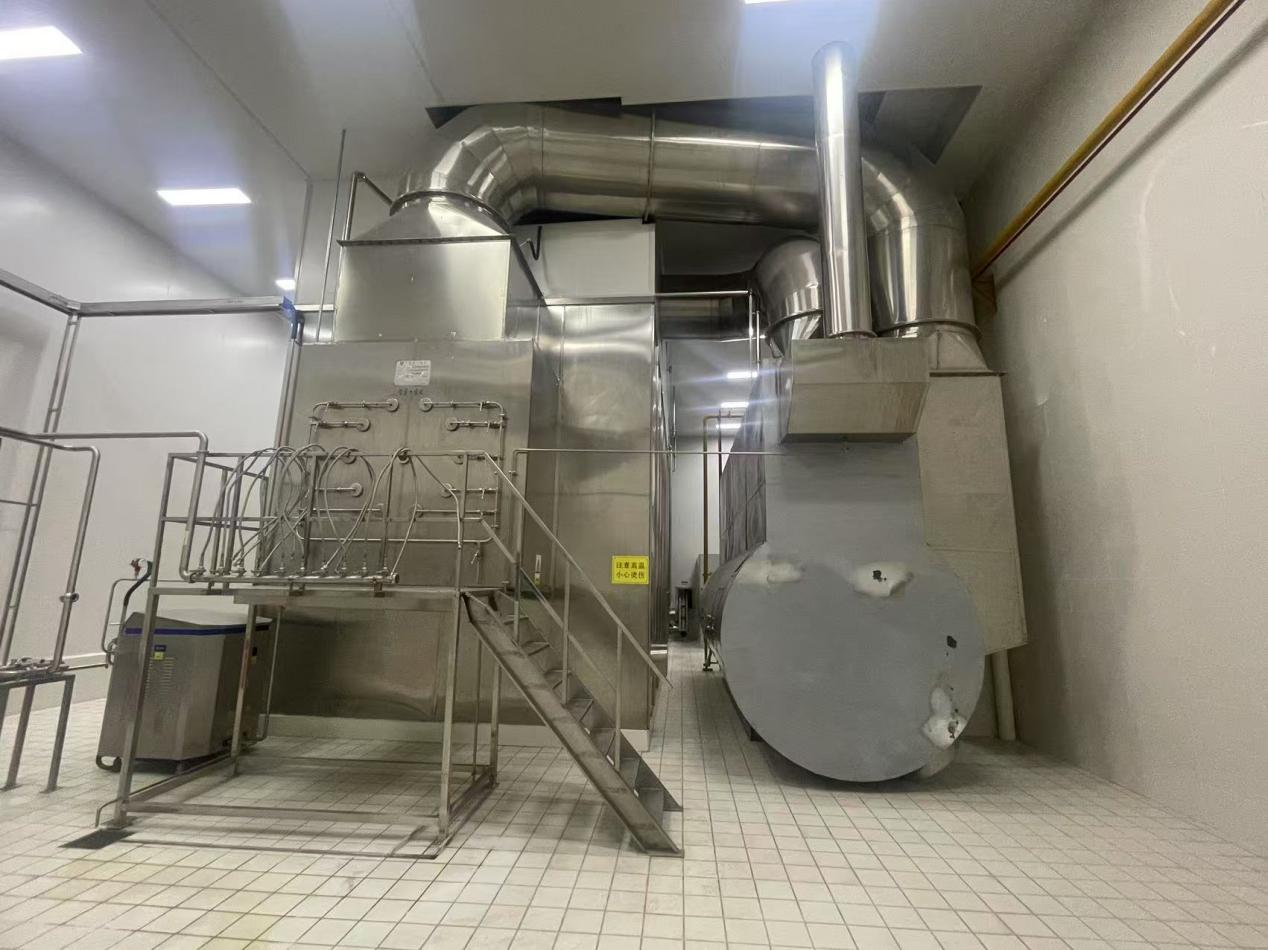
Modern spray dryers are critical for producing high-quality, free-flowing egg powder.
4. What critical quality parameters and certifications should buyers look for?
Due diligence on quality and safety certifications is non-negotiable. Key indicators include:
- Microbiological Standards: Compliance with strict limits for Total Plate Count, Salmonella (absent in 25g), E. coli, and Staphylococcus aureus.
- Physical & Chemical Specifications: Protein content (typically ~45%), fat content, moisture (usually <5%), solubility index, and color (Lightness L* value).
- Food Safety & Quality Certifications: Reputable suppliers hold internationally recognized certifications. For instance, Jiangsu Tiancheng Egg Industry Co., Ltd. maintains SQF (Safe Quality Food), BRCGS (Brand Reputation Compliance Global Standard), ISO 9001 (Quality Management), ISO 14001 (Environmental Management), HACCP, and Halal certifications. These ensure systematic control over the entire production process.
- Traceability: The ability to trace the product back to the source farm is a mark of a superior supplier.
5. What are the primary applications of whole egg powder in the food industry?
Its multifunctionality makes it indispensable:
- Bakery & Confectionery: Provides structure, tenderness, color, and richness in cakes, cookies, pastries, and sponges. Acts as a natural emulsifier and binder.
- Pasta & Noodles: Enhances nutritional value, improves texture, and reduces breakage during drying and cooking.
- Sauces, Dressings & Mayonnaises: Serves as a primary emulsifying agent, creating stable oil-in-water emulsions.
- Ready-to-Eat Meals & Processed Meats: Acts as a binder and coating agent, improving texture and moisture retention in products like meatballs and patties.
- Nutritional Supplements & Sports Foods: A high-quality source of complete protein, vitamins, and minerals.
6. How does vertical integration impact the quality and reliability of a whole egg powder supplier?
Vertical integration, where a company controls the supply chain from farming to processing, is a significant competitive advantage. A supplier like Jiangsu Tiancheng Egg Industry, which sources raw eggs from its parent group's modern intelligent farm housing 5 million laying hens, ensures unparalleled control. This model guarantees:
- Raw Material Consistency & Safety: Standardized hen feed, breeding conditions, and veterinary care lead to uniform egg quality and reduced biosecurity risks.
- Traceability & Transparency: Complete oversight from farm to powder allows for swift issue resolution and builds buyer trust.
- Supply Security: Direct control over the primary raw material buffers against external market shortages and price shocks.
- Quality at Source: Eggs can be processed within a short time of laying, maximizing freshness and minimizing the risk of microbial growth before pasteurization.
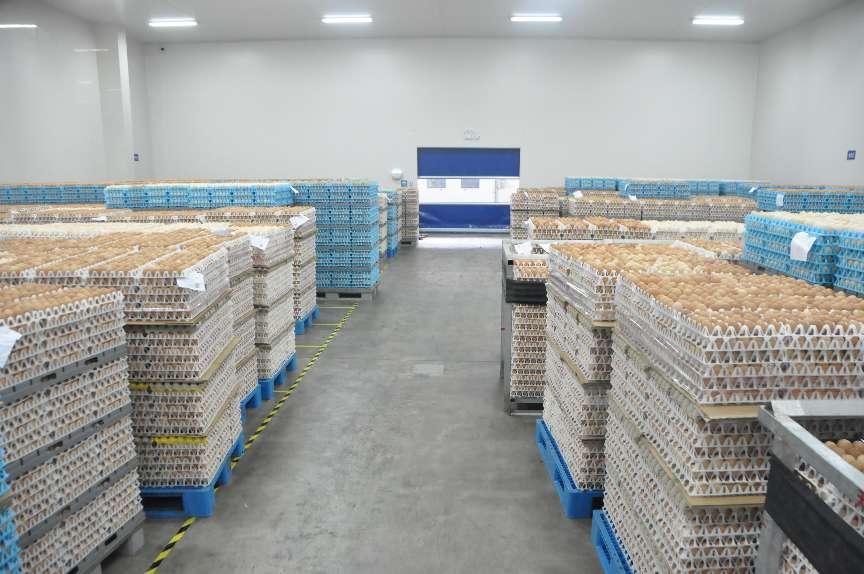
Secure and hygienic raw material handling is the first step in quality egg powder production.
7. What is the typical minimum order quantity (MOQ) and packaging for industrial buyers?
MOQs vary by supplier but typically range from 1 to 5 metric tons for standard whole egg powder to ensure economic viability in production and shipping. Packaging is designed for stability and hygiene: 20 kg or 25 kg multi-layer kraft paper bags with an inner polyethylene liner are standard for industrial use. Some suppliers offer smaller bag sizes or totes for specific customer needs. It is essential to confirm packaging specifications, palletization, and container loading options with your supplier to optimize logistics.
8. How should whole egg powder be stored, and what is its shelf life?
To preserve quality, store whole egg powder in a cool (<20°C/68°F), dry (low humidity), and dark environment in its original, unopened, sealed packaging. Once opened, the powder should be used promptly, and any remaining product should be stored in an airtight container. Under these optimal conditions, the shelf life is typically 12 months from production, with some high-quality products lasting up to 24 months. Always check the manufacturer's "best before" date and storage recommendations on the certificate of analysis (CoA).
Conclusion: Strategic Sourcing for Whole Egg Powder
Selecting a whole egg powder supplier requires a holistic evaluation beyond price. Buyers must prioritize food safety certifications, consistent quality parameters, technological capability, and supply chain integrity. Suppliers that demonstrate vertical integration, robust R&D (evidenced by patents like those held by Jiangsu Tiancheng Egg Industry), and a commitment to international standards offer a lower-risk, higher-value partnership. By understanding the answers to these FAQs, procurement teams can make more informed decisions, ensuring a reliable supply of a critical ingredient that meets their product quality, safety, and cost objectives.
For more detailed specifications, sample requests, or to discuss your whole egg powder requirements, you can contact:
Jiangsu Tiancheng Egg Industry Co., Ltd.
Contact: Mr. Hu
Phone: +86 15706273311
WhatsApp: +86 18020359920
Email: jstc@tcgrp.cn
Website: www.tcegg.cn | www.tcegggroup.com
Address: No. 29, Changjiang East Road, Hai'an City, Nantong, Jiangsu Province, China.