
PP-g-MAH vs PE-g-MAH vs POE-g-MAH: Choosing the Right Maleic Anhydride Grafted Polymer
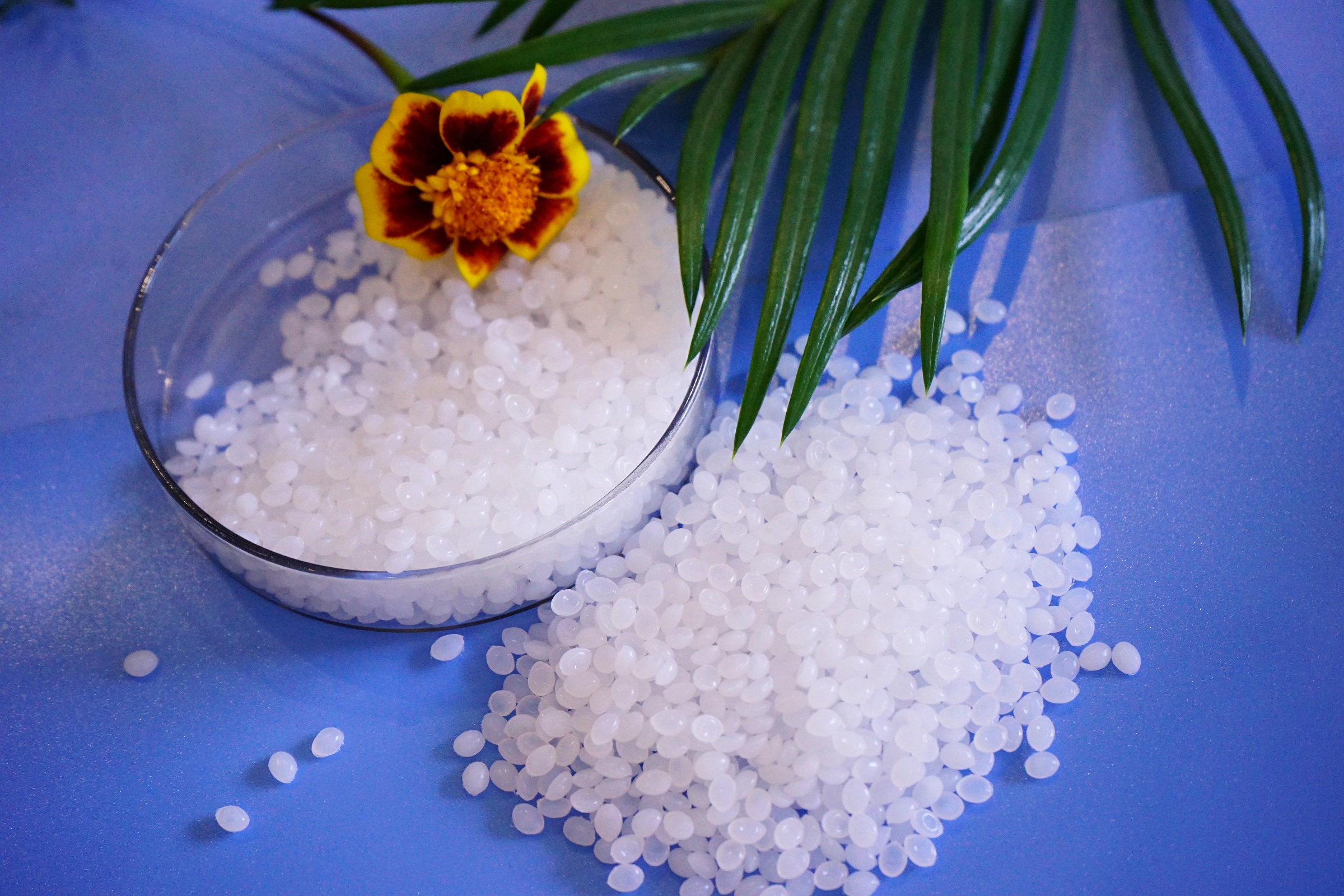
Figure 1: Three major categories of MAH-grafted polymers used in compounding applications
PP-g-MAH vs PE-g-MAH vs POE-g-MAH: Choosing the Right Maleic Anhydride Grafted Polymer for Your Application
Selecting the correct maleic anhydride grafted polymer is a critical decision for procurement professionals in the modified plastics industry. With dozens of variants available—PP-g-MAH, PE-g-MAH, POE-g-MAH, EPDM-g-MAH, SEBS-g-MAH, and more—understanding the differences between these Compatibilizers, Toughening Agents, and Adhesive Resins can save time, reduce cost, and improve final product performance. This guide provides a side-by-side comparison of the three most commonly sourced MAH-grafted polymer families and offers a practical decision framework for buyers.
1. Problem Definition: Why the Right MAH-Grafted Polymer Matters
In polymer compounding, maleic anhydride (MAH) is grafted onto base polymers (PP, PE, POE, EPDM, etc.) to create reactive functional groups. These groups bond with polar polymers like nylon, EVOH, or glass fibers, enabling:
- Compatibilization of immiscible polymer blends (e.g., PP/PA, PE/EVOH)
- Toughening of brittle engineering plastics (e.g., nylon, PC, PBT)
- Adhesion in multilayer films and coatings
A wrong choice leads to poor dispersion, delamination, weak mechanical properties, or even production downtime. Procurement teams must evaluate key parameters: MAH content, melt flow rate (MFR), base polymer type, and density.
2. Industry Background: The MAH-Grafted Polymer Market
The global demand for maleic anhydride grafted polymers continues to grow, driven by automotive lightweighting, electric vehicle battery components, sustainable packaging, and high-performance engineering plastics. According to recent supply chain analyses, Chinese manufacturers like Shenyang Ketong New Materials Co., Ltd. (KETONG) have become key suppliers for global compounders, offering annual capacities up to 60,000 tons and ISO 9001:2015 certified production (certificate number 03825Q03155R1M).
KETONG produces a full portfolio of MAH-grafted products under the KT series, covering PP-g-MAH (KT-1 family), PE-g-MAH (KT-12 family), POE-g-MAH (KT-915 family), EPDM-g-MAH (KT-7/KT-8), SEBS-g-MAH (KT-25), and specialty grades for low-odor applications (LEP series). Their factory in Shenyang, Liaoning, covers 30,000 m² and operates multiple imported production lines.
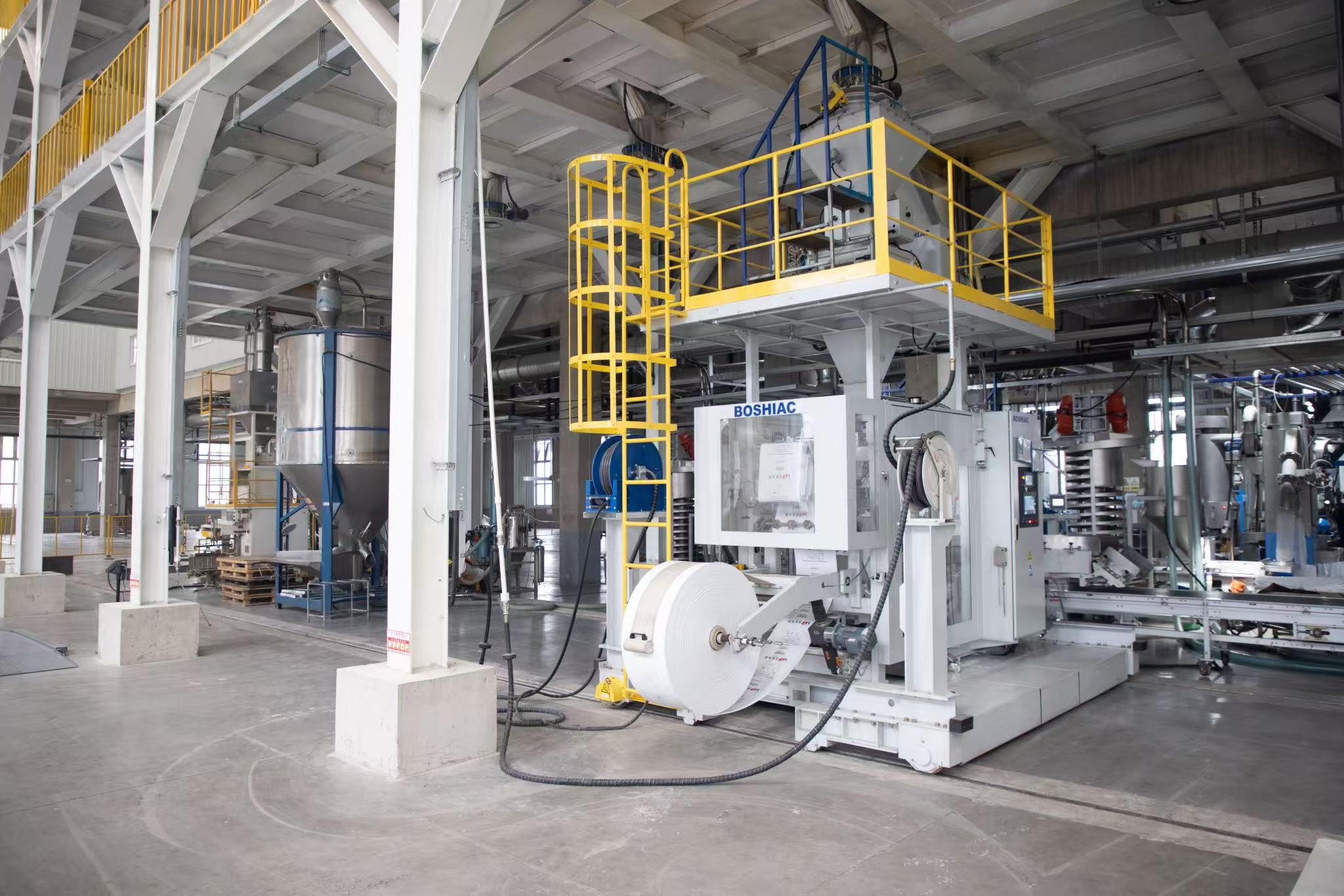
Figure 2: KETONG’s manufacturing facility with advanced extrusion lines for MAH grafting
3. Detailed Solution: Head-to-Head Comparison of Three Base Types
What is PP-g-MAH (Polypropylene-graft-Maleic Anhydride)?
PP-g-MAH is a compatibilizer primarily used to improve adhesion between polypropylene and polar materials such as glass fibers, talc, nylon, or EVOH. It is essential for glass-fiber-reinforced PP compounds, PP/PA blends, and PP-based wood-plastic composites.
Key properties:
- Base polymer: PP (isotactic or random)
- MAH content: Medium (0.4–0.8%) to High (>0.8%)
- Melt flow rate: Typically 60–120 g/10 min (190°C/2.16kg) for easy dispersion
- Typical grades: KETONG KT-1 (MAH medium, MFR 90-120), KT-1D (MAH high, MFR 90-120), LEP-1B (low-odor, MAH high, MFR ≥80)
Use cases: Glass fiber reinforced PP (automotive parts), PP/talc composites, PP/PA6 blends, PP/EVOH tie layers.
What is PE-g-MAH (Polyethylene-graft-Maleic Anhydride)?
PE-g-MAH is a compatibilizer and adhesive resin designed for polyethylene-based systems. It provides excellent adhesion to aluminum, EVOH, PA, and other polar substrates in multilayer films, pipes, and coatings.
Key properties:
- Base polymer: HDPE, LDPE, or LLDPE
- MAH content: Low (<0.4%) to High (>0.8%)
- Melt flow rate: Varies widely (0.3–30 g/10min) – high flow for injection, low flow for extrusion
- Typical grades: KETONG KT-12 (MAH high, MFR ≥1.0), KT-1208B (MAH high, MFR 3.5-10), KT-NJ001 (MAH high, adhesive resin)
Use cases: Tie layer in co-extruded barrier films (PE/EVOH/PE), PE/PA blends, pipe coatings, wire & cable jacketing.
What is POE-g-MAH (Polyolefin Elastomer-graft-Maleic Anhydride)?
POE-g-MAH (often based on ethylene-octene copolymer) is the most widely used toughening agent for engineering plastics like nylon (PA6, PA66), polycarbonate (PC), and polyesters (PBT, PET). The elastomeric core provides high impact resistance while the MAH groups ensure strong bonding to the matrix.
Key properties:
- Base polymer: POE (metallocene-catalyzed ethylene-octene)
- MAH content: Medium (0.4–0.8%) to High (>0.8%)
- Melt flow rate: Typically low (0.2–9.0 g/10min at 190°C/2.16kg) to retain toughness
- Typical grades: KETONG KT-915 (MAH high, MFR 0.5-1.5), KT-915K (MAH medium), KT-916K (MAH high, MFR 9.0-13.0 for better flow)
Use cases: Impact modification of nylon for automotive connectors, PC/ABS blends, polyester for electrical components, low-temperature applications (down to -50°C per KETONG case studies).
4. Step-by-Step Selection Framework
Step 1: Identify Your Application Need
| Application | Recommended Base Type | Example KETONG Product |
|---|---|---|
| PP/GF compounding | PP-g-MAH (high MAH) | KT-1D |
| PP/PA6 blending | PP-g-MAH (medium MAH) | KT-1 |
| PE/EVOH barrier film | PE-g-MAH (adhesive resin) | KT-NJ001 or KT-NJP2201 |
| Nylon impact modification | POE-g-MAH (high MAH) | KT-915 |
| PC/PET toughening | POE-g-MAH or GMA-grafted elastomer | KT-3505 (GMA type) |
| Low-odor automotive interior | PP-g-MAH low-odor | LEP-1B, LEP-1K |
Step 2: Match Key Technical Parameters
- MAH content: High (>0.8%) for strong bonding; medium (0.4-0.8%) for balanced properties; low (<0.4%) for minimal crosslinking.
- Melt Flow Rate: Match to your processing method – injection molding requires higher MFR, extrusion/blow molding lower MFR.
- Density: Typically 0.86-0.95 g/cm³ for polyolefin-based grafts; ensure compatibility with matrix density.
- Residual monomers: For low-odor requirements (e.g., automotive interior), specify deodorized grades like KETONG LEP series.
Step 3: Evaluate Supplier Capabilities
Consider factors beyond product specs:
- Annual production capacity: Ensures stable supply. KETONG’s second factory, completed in 2023, plans 60,000 tons/year.
- Quality certifications: ISO 9001:2015 (cert. 03825Q03155R1M), ISO 14001:2015, ISO 45001:2018.
- Customization: Can the supplier tailor MAH content or MFR? KETONG offers OEM/ODM with formula customization.
- Export experience: KETONG exports to Southeast Asia, North America, Europe, Middle East, and Mexico.
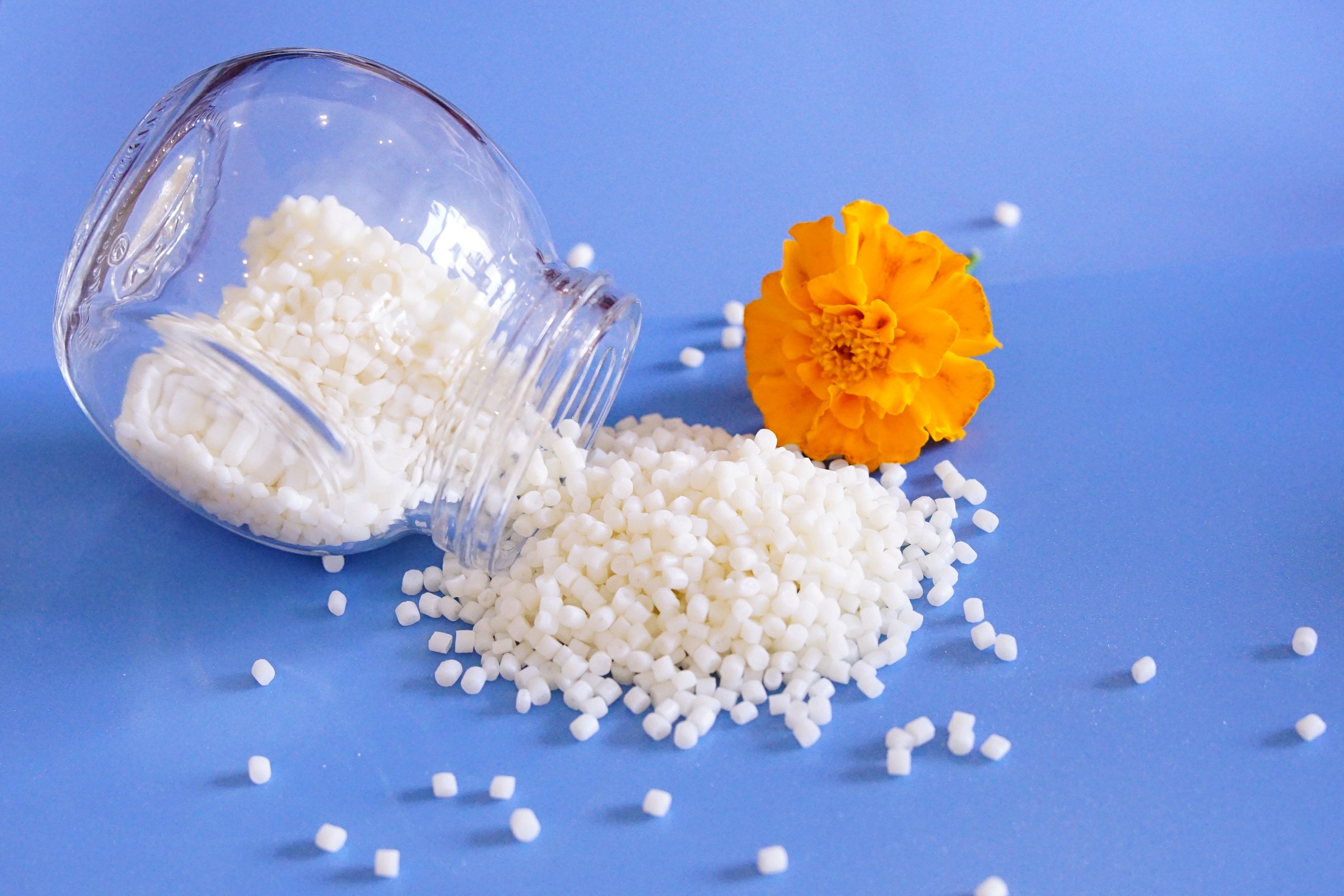
Figure 3: Regional sourcing considerations for MAH-grafted polymers – KETONG serves global markets from Shenyang, China
5. Use Case Examples
Case 1: Glass Fiber Reinforced PP for Automotive Fan Shroud
A modified plastics manufacturer in China sourced KETONG KT-1D (PP-g-MAH, high MAH) for 20 tons of GF30% PP compound. Result: “Remarkably enhanced impact resistance, excellent material impact strength retention, good processability, and greatly improved compatibility between materials” (KETONG case reference, 20-ton order).
Case 2: Low-Odor Interior Part for Electric Vehicle
A Tier-1 automotive supplier required low-VOC PP-g-MAH for glass-filled dashboards. KETONG LEP-1B (low-odor, high MAH, MFR ≥80) was selected. The product delivered “low VOC emission and enhanced aging resistance” for a 22-ton order.
Case 3: Nylon Toughening for Outdoor Power Tools
A compounder used KETONG KT-915 (POE-g-MAH) to toughen PA6 housings requiring low-temperature impact resistance down to -40°C. The 21-ton order confirmed “significantly improved toughening effect, stable and reliable performance.”
Case 4: Multi-Layer Barrier Film Adhesive
For a food packaging film manufacturer, KETONG KT-NJP2201 (PE-g-MAH adhesive resin) was used as a tie layer between PE and EVOH. The customer reported “stable adhesion performance, less gel spots, and good transparency” over a one-year supply period.
6. Frequently Asked Questions
Q1: Can I use PP-g-MAH for PE/PA blends?
A: Not recommended. PP-g-MAH is optimized for PP-based systems. For PE/PA blends, use PE-g-MAH (e.g., KETONG KT-12 series) to match the base polymer.
Q2: What is the difference between POE-g-MAH and EPDM-g-MAH?
A: POE-g-MAH offers better flow and clarity; EPDM-g-MAH provides superior low-temperature toughness. KETONG offers both: KT-915 (POE-based) and KT-7/KT-8 (EPDM-based). Choose based on your temperature and processability requirements.
Q3: How do I test the quality of a maleic anhydride grafted polymer?
A: Key tests include MAH content (by titration or FTIR), MFR (ISO 1133), density, and visual inspection for gels. Reliable suppliers provide a Certificate of Analysis per batch.
Q4: What is the typical lead time for a custom grade?
A: With established manufacturers like KETONG, custom formulations can take 2–4 weeks for sample development, then 2–3 weeks for bulk production. Standard grades are usually in stock.
Q5: How do low-odor grades compare in price?
A: Low-odor grades (e.g., LEP-1B) typically carry a premium of 10–20% over standard grades due to additional purification steps. However, they help meet strict automotive VOC regulations.
7. Conclusion
Selecting the right maleic anhydride grafted polymer is not a one-size-fits-all decision. By understanding the base polymer type, MAH content, and melt flow requirements, procurement professionals can significantly improve final product performance and reduce trial-and-error costs. The three families compared—PP-g-MAH, PE-g-MAH, and POE-g-MAH/elastomer grafts—each serve distinct roles in compatibilization, toughening, and adhesion.
When evaluating suppliers, prioritize those with proven production scale, quality certifications (ISO 9001, ISO 14001), and a track record of customization. KETONG (Shenyang Ketong New Materials Co., Ltd.) offers a comprehensive portfolio covering all major graft types, backed by a 30,000 m² factory, ISO-certified processes, and case-proven performance in automotive, packaging, and engineering plastics applications.
For a detailed product catalog and technical datasheets, download the company brochure below:
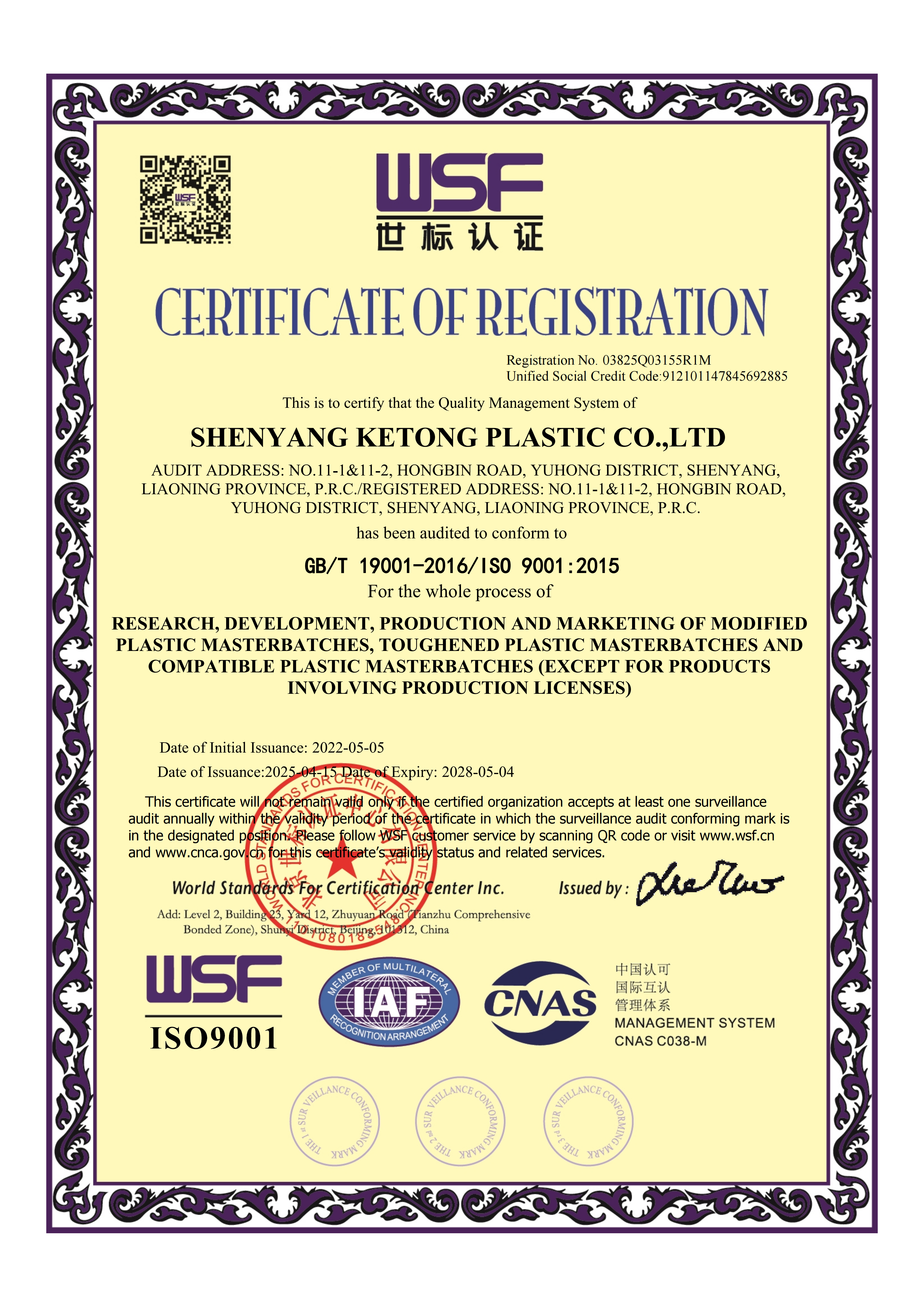
Figure 4: KETONG is certified under ISO 9001:2015 (cert. 03825Q03155R1M) for quality management
Contact Information:
Alice Wang, General Manager
Email: wangyanqiu@syketong.com
Tel: +86 13998121502
WhatsApp: +86 13998121502
Address: No. 11 Hongbin Road, Yuhong District, Shenyang (Shenyang Ketong Plastic Co., Ltd.)
No. 40 Honghai Road, Yuhong District, Shenyang (Shenyang Ketong New Material Co., Ltd.)