
Ceiling vs Wall-Mounted vs Window Exhaust Fans: Which One Should You Choose? A 2026 Buyer's Guide
Selecting the right exhaust fan is a critical procurement decision that directly affects indoor air quality, energy efficiency, and long-term maintenance costs. Industrial buyers, facility managers, and contractors often face the dilemma of choosing between ceiling exhaust fans, wall-mounted exhaust fans, and window exhaust fans. Each type serves distinct ventilation needs, and a wrong choice can lead to poor airflow, excessive noise, or structural installation issues. This guide provides a comprehensive, data-driven comparison to help you make an informed decision in 2026.
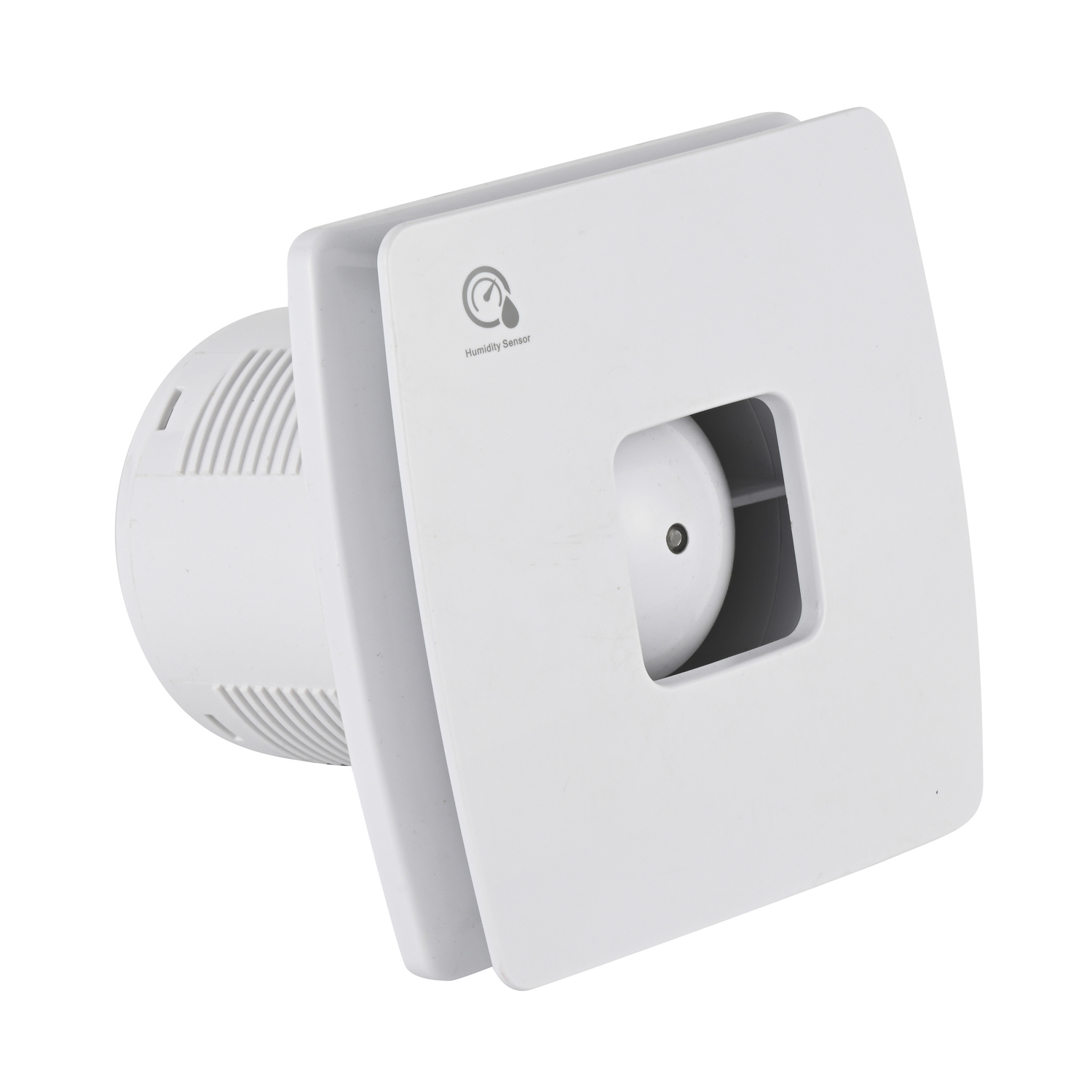
What Are the Three Main Types of Exhaust Fans?
An exhaust fan is a mechanical ventilation device that removes stale air, moisture, odors, and contaminants from an enclosed space. The three most common installation configurations are:
- Ceiling exhaust fan – Mounted flush into the ceiling, typically connected to ductwork that vents air to the outside.
- Wall-mounted exhaust fan – Installed directly through an exterior wall, often used in garages, workshops, and commercial kitchens.
- Window exhaust fan – Fits into a window frame, ideal for temporary or rental spaces where permanent installation is not feasible.
Each type works on the same principle—using a motor-driven impeller to create negative pressure—but their design, airflow capacity, noise levels, and installation requirements differ significantly.
Why Does the Choice Matter? Industry Background
In 2026, the global ventilation fan market continues to expand, driven by stricter building codes, rising awareness of indoor air quality (IAQ), and the growth of smart buildings. According to industry reports, the market for residential and commercial ventilation fans is projected to grow at a CAGR of 6.8% through 2030. Procurement professionals are under pressure to select fans that not only meet performance specifications but also comply with international certifications such as CE, UKCA, and RoHS.
The wrong exhaust fan type can lead to:
- Inefficient moisture removal, causing mold and structural damage
- Excessive energy consumption due to oversized or undersized units
- Noise complaints in noise-sensitive environments like hospitals or libraries
- Installation costs that exceed the product price
Understanding the strengths and limitations of each configuration is essential for cost-effective procurement.
Detailed Comparison: Ceiling vs Wall-Mounted vs Window Exhaust Fans
| Feature | Ceiling Exhaust Fan | Wall-Mounted Exhaust Fan | Window Exhaust Fan |
|---|---|---|---|
| Installation Location | Ceiling (with duct to outside) | Exterior wall | Window frame |
| Airflow Capacity (CFM) | 50 – 300+ (residential); up to 2000 (commercial) | 100 – 500+ (standard models) | 50 – 200 (typical) |
| Noise Level (sones) | Low (0.5 – 2.0 sones for quiet models) | Moderate (1.5 – 4.0 sones) | Moderate to high (2.0 – 5.0 sones) |
| Best Application | Bathrooms, kitchens, attics | Garages, workshops, commercial kitchens, utility rooms | Temporary ventilation, single rooms, apartments |
| Ducting Required | Yes (must be routed through attic/roof) | No (vents directly outside) | No (sits in window opening) |
| Energy Efficiency | High (can be ENERGY STAR rated) | Moderate to high | Variable; often less efficient |
| Installation Complexity | High (may require attic access) | Medium (wall cut-out) | Low (no structural changes) |
| Maintenance | Easy (removable grille) | Easy (accessible from interior) | Easy (removable unit) |
| Typical Lifespan | 10–15 years with proper maintenance | 8–12 years | 5–8 years |
Ceiling Exhaust Fan: The Workhorse for Bathrooms and Kitchens
Ceiling exhaust fans are the most common choice for bathrooms, kitchens, and attics. They are designed to be discreet, quiet, and effective at removing moisture and odors. Modern ceiling fans from manufacturers like Aosun feature energy-efficient motors, backdraft dampers, and low-sone operation. For example, Aosun's ceiling exhaust fan models (such as the 9A-10 series) offer airflow ratings from 80 to 200 CFM with noise levels as low as 0.8 sones, suitable for standard bathrooms. These fans are backed by CE and UKCA certifications, ensuring compliance with European and UK safety standards.
Wall-Mounted Exhaust Fan: Robust Ventilation for Garages and Workshops
Wall-mounted exhaust fans are ideal for spaces where ceiling mounting is impractical or where high airflow is needed close to the source of contaminants. They are commonly installed in garages, workshops, commercial kitchens, and agricultural buildings. Aosun's wall-mounted exhaust fans, such as the ZM9A-10G-F with integrated LED light, provide powerful ventilation (up to 400 CFM) and are built with durable ABS or metal housings. They are particularly popular in the North American and European markets for their reliability and easy installation.
Window Exhaust Fan: Flexible and Cost-Effective
Window exhaust fans are a budget-friendly option for temporary or rental spaces. They are easy to install and remove, making them suitable for seasonal use or for tenants who cannot modify walls or ceilings. While they generally offer lower CFM and higher noise levels, they can effectively ventilate a single room. Aosun offers a range of window exhaust fans designed for standard window sizes, with reversible airflow for both intake and exhaust.
Step-by-Step Selection Process
- Identify the space and its ventilation needs – Bathrooms require high moisture removal (50-80 CFM recommended); kitchens require higher CFM (100-300+); garages need robust exhaust for fumes and dust.
- Determine installation constraints – Check ceiling access, wall thickness, window dimensions, and duct routing possibilities.
- Evaluate noise tolerance – For bedrooms or quiet zones, choose fans with ≤1.0 sones. For garages, higher sones are acceptable.
- Check certification requirements – Ensure the fan meets local regulations (CE for EU, UKCA for UK, UL for US). Aosun’s ventilation fans are certified under CE-LVD (QTS800123697), UKCA-EMC (QTS800225513), and RoHS (QTS800524557), covering major international standards.
- Compare total cost of ownership – Factor in purchase price, installation labor, energy consumption, and maintenance. Ceiling fans often have higher upfront installation cost but lower operating cost.
- Request samples and test performance – Prior to bulk procurement, test a trial unit to verify airflow, noise, and build quality. Aosun supports OEM/ODM sample orders with quick turnaround.
Use Cases: Real-World Application Scenarios
Case 1: Hotel Bathroom Renovation (50 rooms)
A hotel chain in Europe needed to replace outdated fans with quiet, energy-efficient models. They selected Aosun ceiling exhaust fans (Model 9A-10Y) featuring 0.9 sones and 80 CFM. The fans met CE-LVD and UKCA-EMC certifications, enabling hassle-free compliance across multiple EU countries. The project was completed within 6 weeks, including custom white-gloss finish and low-voltage DC motors.
Case 2: Automotive Workshop in Germany
A garage owner required high-CFM wall-mounted fans to extract exhaust fumes. Aosun supplied 10 units of ZM9A-10G-F (LED 5W) with 350 CFM rating and IPX4 water resistance. The fans were installed on exterior walls with no ductwork, reducing installation costs by 40% compared to ceiling alternatives.
Frequently Asked Questions (FAQ)
Conclusion
Choosing between a ceiling, wall-mounted, or window exhaust fan depends on your specific application, installation constraints, and performance requirements. Ceiling fans offer quiet, efficient ventilation for bathrooms and kitchens; wall-mounted fans excel in garages and workshops; window fans provide flexible, low-cost solutions for temporary use. As a trusted manufacturer with over 10 years of experience, 20,000 sqm facility, and exports to 50+ countries, Aosun delivers tailored ventilation products that meet international certifications. For procurement inquiries, contact Aosun’s marketing center in Ningbo, China (Room 801-802, MeiJing Mansion, Southern CBD) or visit www.aosvents.com.