
Exhaust Fan After-Sales & Maintenance Cost Control: A 2026 Buyer's Guide
Exhaust Fan After-Sales & Maintenance Cost Control: How to Minimize Total Cost of Ownership in 2026
For procurement professionals, facility managers, and industrial buyers, the initial purchase price of an exhaust fan is just the tip of the iceberg. The real financial weight lies in after-sales service, spare parts availability, and long-term maintenance costs. Failures, delayed repairs, and poor technical support can lead to production downtime, mold growth, or safety hazards — eroding your ROI. This guide decodes how to select a supplier that safeguards your investment through robust after-sales protection and proactive cost control strategies, with real-world insights from industry leader Aosun.
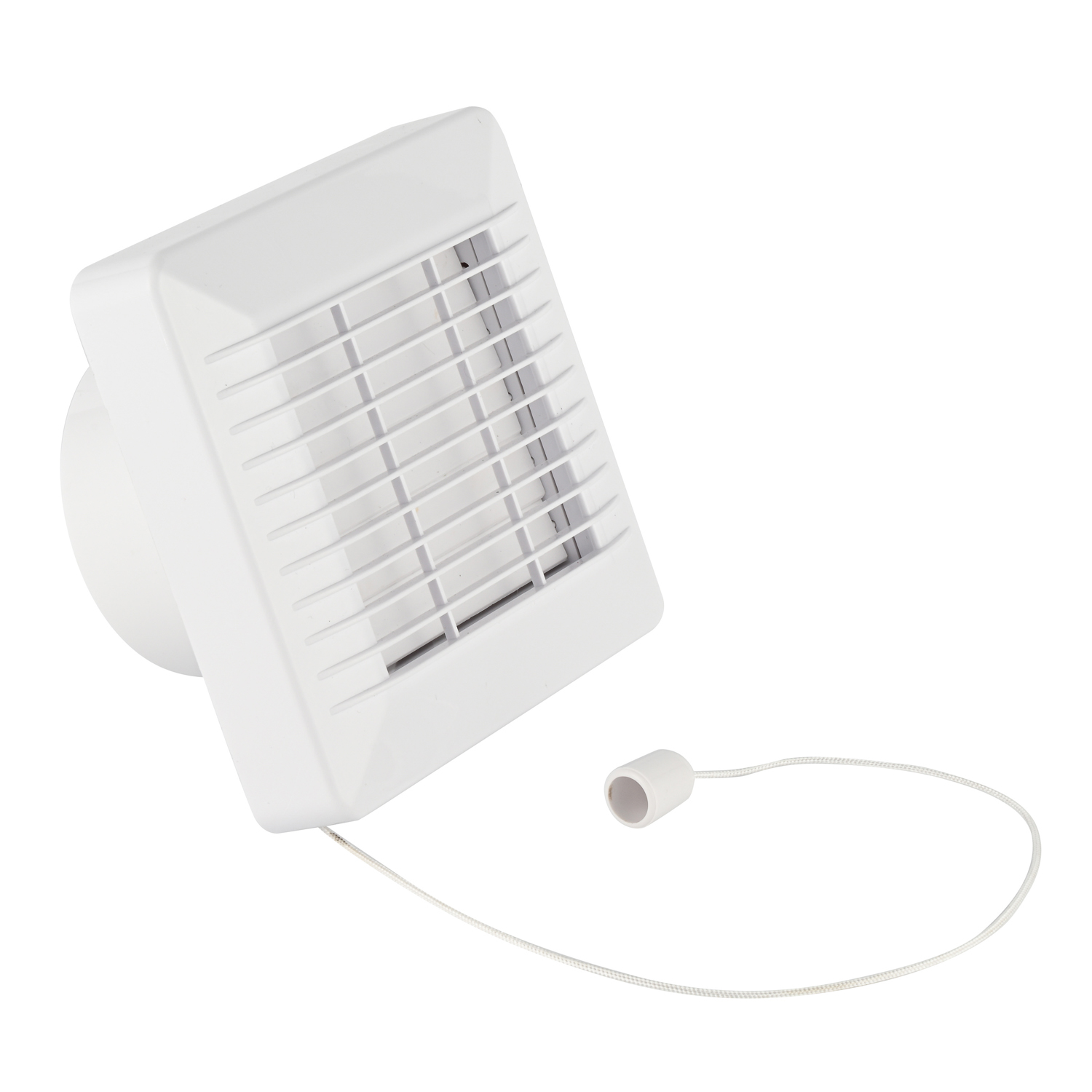
Problem Definition: The Hidden Cost of Exhaust Fan Failures
When an exhaust fan — whether a ceiling exhaust fan, bathroom exhaust fan, kitchen exhaust fan, or attic exhaust fan — fails, the repercussions extend beyond a simple replacement. Common buyer concerns include:
- High repair labor costs due to hard-to-find spare parts
- Long downtime while waiting for supplier response or warranty claims
- Unclear warranty terms and hidden fees for technical support
- Inconsistent motor quality leading to premature bearing or winding failure
- Lack of certified components that meet local electrical codes (CE, UKCA, RoHS)
The core problem is inadequate after-sales infrastructure from suppliers who treat after-sales as an afterthought. Buyers often discover that low upfront pricing comes at the expense of long-term reliability and support.
Industry Background: Why After-Sales & Maintenance Cost Matter More Than Ever
The global ventilation fan market is projected to exceed $12 billion by 2028, driven by stricter indoor air quality regulations and energy efficiency mandates. Yet, a 2025 survey by HVAC industry analysts revealed that over 40% of commercial building owners experienced at least one critical exhaust fan failure within the first three years of installation. The average cost of a single motor replacement — including technician dispatch, part procurement, and downtime — can range from $200 to $800 per unit for a bathroom light exhaust fan or wall mounted exhaust fan. For large-scale projects with hundreds of units, this translates to tens of thousands of dollars in unplanned expenses.
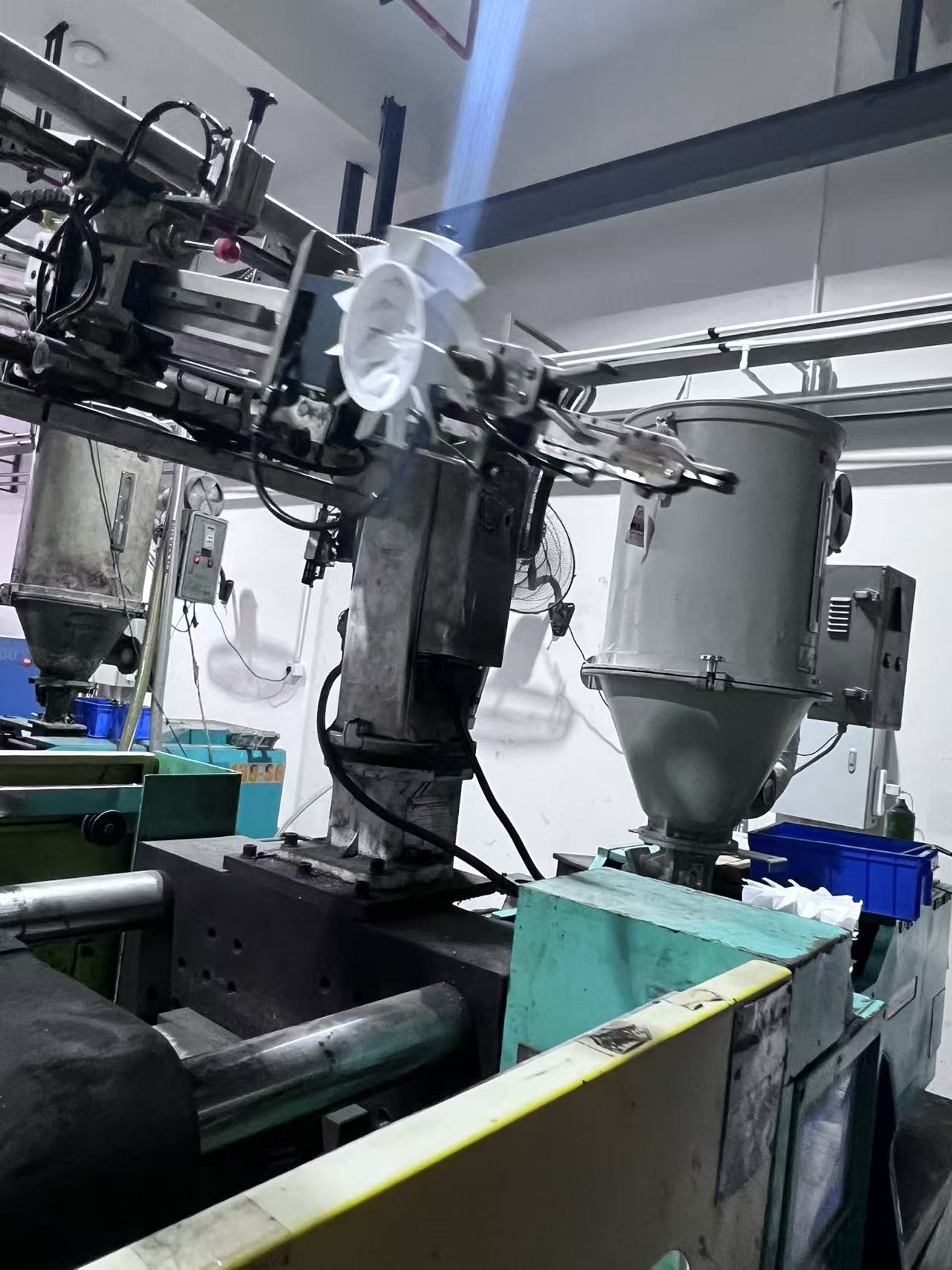
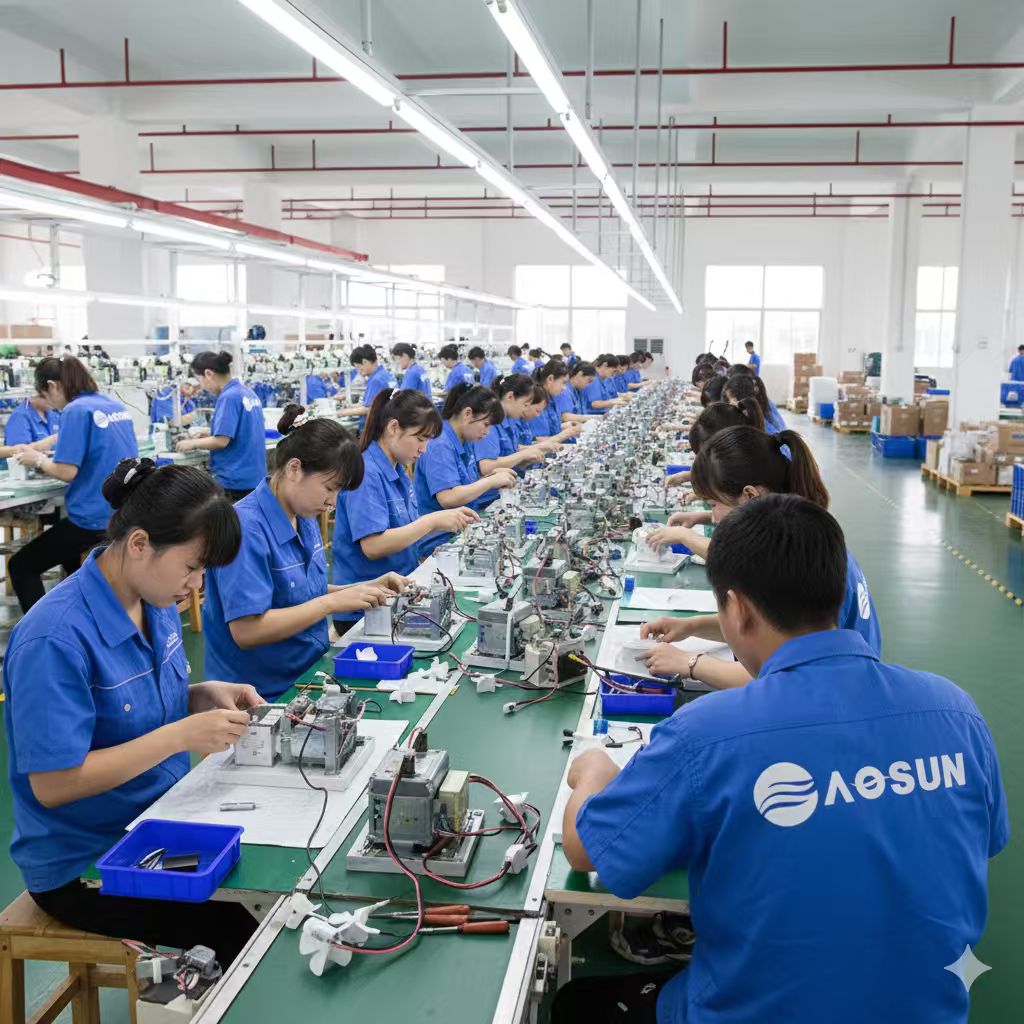
Leading manufacturers like Aosun have pivoted from transactional selling to lifecycle partnership models. With over 10 years of manufacturing experience and production facilities spanning 20,000sqm, Aosun operates 8 modern production lines — including precision injection molding, high-performance motor production, and fully automated assembly lines — that ensure consistent quality and reduce field failure rates. Their commitment to CE, LVD, EMC, UKCA, and RoHS certifications (e.g., certificate No. WTF22F01009448X1E, QTS800123697) provides verifiable assurance that each ventilation exhaust fan meets international safety and performance standards, directly lowering maintenance risks.
Detailed Solution: How to Select a Supplier That Controls Maintenance Costs
The key to minimizing Total Cost of Ownership (TCO) for exhaust fans lies in four pillars: product reliability, certification coverage, spare parts availability, and responsive after-sales support. Below is a structured framework for evaluation.
1. Evaluate Manufacturing Quality & Testing Rigor
A supplier with in-house motor production, impeller manufacturing, and automated assembly lines can control tolerances better than assemblers who source components externally. Aosun’s factory, for example, includes dedicated fan air volume detection rooms and motor detection stations (see photo: Fan air volume detection room) that verify performance before shipment. This reduces the probability of early-life failures that drive warranty claims.
2. Verify International Certifications
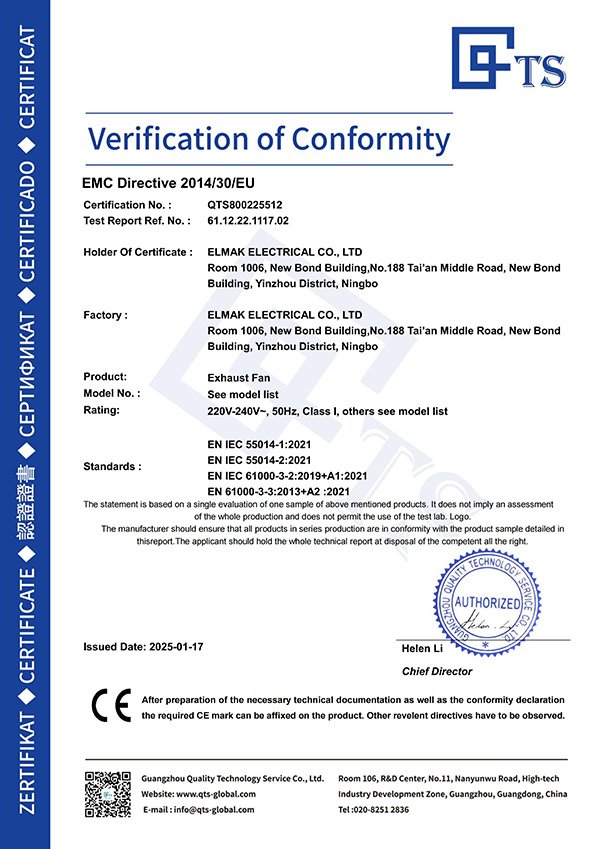
Certifications are not just compliance stamps; they are proxies for design quality and material selection. For exhaust fans destined for Europe or UK, look for CE-LVD (e.g., certificate 61.11.23.1318.01), CE-EMC (QTS800225512), and UKCA (QTS800225513). RoHS compliance (QTS800524557) ensures that components are free from hazardous substances, which correlates with longer service life and lower corrosion risks. Aosun’s portfolio of over 100 independently developed models across residential, commercial, and industrial applications is backed by these credentials.
3. Assess Spare Parts & Replacement Policy
Low maintenance cost starts with easy access to spare parts. Ask suppliers: Do they stock motors, impellers, and capacitors for at least 5 years? What is the lead time for replacement parts? Aosun, with an annual output of over 1 million units and flexible scheduling for OEM/ODM orders, maintains a robust inventory of common spare parts for its wall mounted exhaust fan, window exhaust fan, and ceiling exhaust fan lines. Their 190 skilled employees support rapid turnaround on customized spare part requests.
4. Analyze After-Sales Support Infrastructure
Effective after-sales includes technical hotline, online troubleshooting guides, and regional distributor networks. For international buyers, a supplier’s willingness to provide pre-shipment samples and trial orders (see historical article: Practical Guide to Exhaust Fan Sample Trial Orders) indicates confidence in their product. Aosun exports to 50+ countries across Europe, America, Asia, Oceania, and South America, and their marketing center in Ningbo (Room 801-802, MeiJing Mansion) offers centralized support coordination.
5. Calculate Total Cost of Ownership
Use this simple formula: TCO = Purchase Price + (Annual Maintenance Cost × Expected Lifespan) + Downtime Cost. A bathroom exhaust fan that costs $30 but fails every 2 years (labor + part: $80) has a 5-year TCO of $30 + ($80×2.5) = $230. A slightly more expensive unit at $45 with a 5-year mean time between failures (MTBF) yields $45 + ($80×1) = $125 — a 46% savings. Aosun’s rigorous quality control, including 8 production lines with strict checks, directly contributes to longer MTBF.
Step-by-Step Buyer Decision Flow
- Define application: Identify whether you need a toilet exhaust fan, garage exhaust fan, or kitchen exhaust fan — each has different moisture, grease, and heat resistance requirements.
- Shortlist suppliers with in-house manufacturing: Check factory size, production lines, and R&D capabilities. Aosun’s 20,000sqm facility and 190 employees indicate scalable quality.
- Request certification copies: Ask for CE, UKCA, RoHS certificates specific to the model you intend to buy.
- Inquire about spare parts availability: Confirm that motors, impellers, and controllers are stocked for at least 5 years after purchase.
- Negotiate after-sales terms: Clarify warranty period, response time for technical queries, and whether the supplier provides remote diagnostics.
- Place a trial order: Test 5–10 units in real conditions before committing to large volumes. Aosun supports OEM/ODM trial orders with flexible scheduling.
- Monitor and feedback: Establish a periodic review cycle to track failure rates and maintenance expenses.
Use Case: A Hospitality Chain Reduces Maintenance Costs by 35% with Aosun
A mid-sized hotel chain operating 12 properties in Southeast Asia needed to replace 300 bathroom exhaust fans and 150 ceiling exhaust fans across guest rooms and corridors. Their previous supplier offered low initial prices but frequent motor failures (average 2 failures per property per year) led to annual maintenance costs exceeding $18,000.
After evaluation, they selected Aosun based on:
- CE and UKCA certification for all models (certificates provided)
- In-house motor production ensuring consistent quality
- Commitment to spare parts availability for 7 years
- Dedicated after-sales coordinator for their region
After 18 months of operation, the failure rate dropped to less than 0.5% annually, and maintenance costs decreased by 35% compared to the previous supplier. The hotel chain now standardizes on Aosun for all new construction projects.
Frequently Asked Questions (FAQ)
Q1: How can I reduce exhaust fan maintenance costs in my facility?
A: Focus on preventive measures: choose a supplier with rigorous in-house testing (like Aosun’s motor detection and air volume testing), ensure the fan is correctly sized for the space to avoid overloading, and establish a cleaning schedule for kitchen exhaust fans and bathroom exhaust fans that accumulate grease or moisture. Also, select models with sealed bearings or easy-access motor compartments.
Q2: What after-sales support should I expect from a reliable exhaust fan supplier?
A: At minimum: warranty coverage (typically 2–5 years), availability of spare parts (motors, impellers, switches) for at least 5 years, a technical support hotline or email, and a clear process for warranty claims. Top-tier suppliers like Aosun also offer pre-shipment sample approval and remote troubleshooting assistance.
Q3: Why are certifications important for maintenance cost control?
A: Certifications such as CE-LVD and CE-EMC ensure that the product meets European safety and electromagnetic compatibility standards, which typically require higher quality components and better insulation. This translates to fewer electrical failures and longer service life. For example, Aosun’s fans are certified under certificates like QTS800123697 and WTF22F01009448X1E, providing third-party validation of reliability.
Q4: Should I consider suppliers with in-house motor production?
A: Yes. Suppliers that manufacture their own motors (like Aosun) have better control over winding quality, bearing selection, and thermal protection. This reduces the risk of motor burnout — the most common reason for exhaust fan replacement. In-house production also means faster spare part availability.
Q5: How do I verify a supplier’s after-sales claims before ordering?
A: Request references from previous buyers in similar industries, ask for a sample trial order (e.g., 5–10 units) to test reliability, and review their response time to technical queries during the inquiry phase. Aosun, with exports to over 50 countries, can provide references and supports trial orders.
Conclusion
Selecting an exhaust fan supplier solely on upfront price is a risky formula for long-term operational budgets. After-sales service and maintenance cost control must be evaluated through the lens of manufacturing quality, certification depth, spare parts strategy, and support responsiveness. Manufacturers like Aosun, with a decade of specialized experience, 8 automated production lines, annual output exceeding 1 million units, and a full suite of international certifications (CE, UKCA, RoHS), exemplify how to build reliable ventilation products that lower total cost of ownership.
By following the step-by-step framework outlined in this guide, procurement professionals can confidently choose partners who will stand behind their products — reducing downtime, repair costs, and administrative burden for years to come.
Ready to Secure Reliable After-Sales Support?
Contact Aosun today to discuss your project requirements and request a sample trial.
Phone/WhatsApp: +8618606589361 | Email: alan.h@elmakelectrical.com
Marketing Center: Room 801-802, MeiJing Mansion, Southern CBD, Ningbo City, Zhejiang, China
Visit Website*Images shown include Aosun’s exhaust fan product, injection molding workshop, and CE certificate for illustrative purposes. All certifications are authentic and available upon request.