
How to Choose the Right Industrial Coding and Marking Equipment
How to Choose the Right Industrial Coding and Marking Equipment for Your Production Line
In today's smart manufacturing environment, product identification is no longer a simple date stamp. From supply chain traceability and anti‑counterfeiting to regulatory compliance and brand protection, industrial coding and marking equipment has become a critical investment. However, with multiple technologies—Continuous Inkjet (CIJ), Thermal Inkjet (TIJ), Piezo Inkjet (PIJ), Thermal Transfer Overprinting (TTO), and Laser Marking (Fiber, CO₂, UV)—buyers often struggle to identify the solution that best fits their substrate, speed, code complexity, and budget. This guide provides a structured framework for selecting the right coding equipment, with practical insights based on real‑world applications.
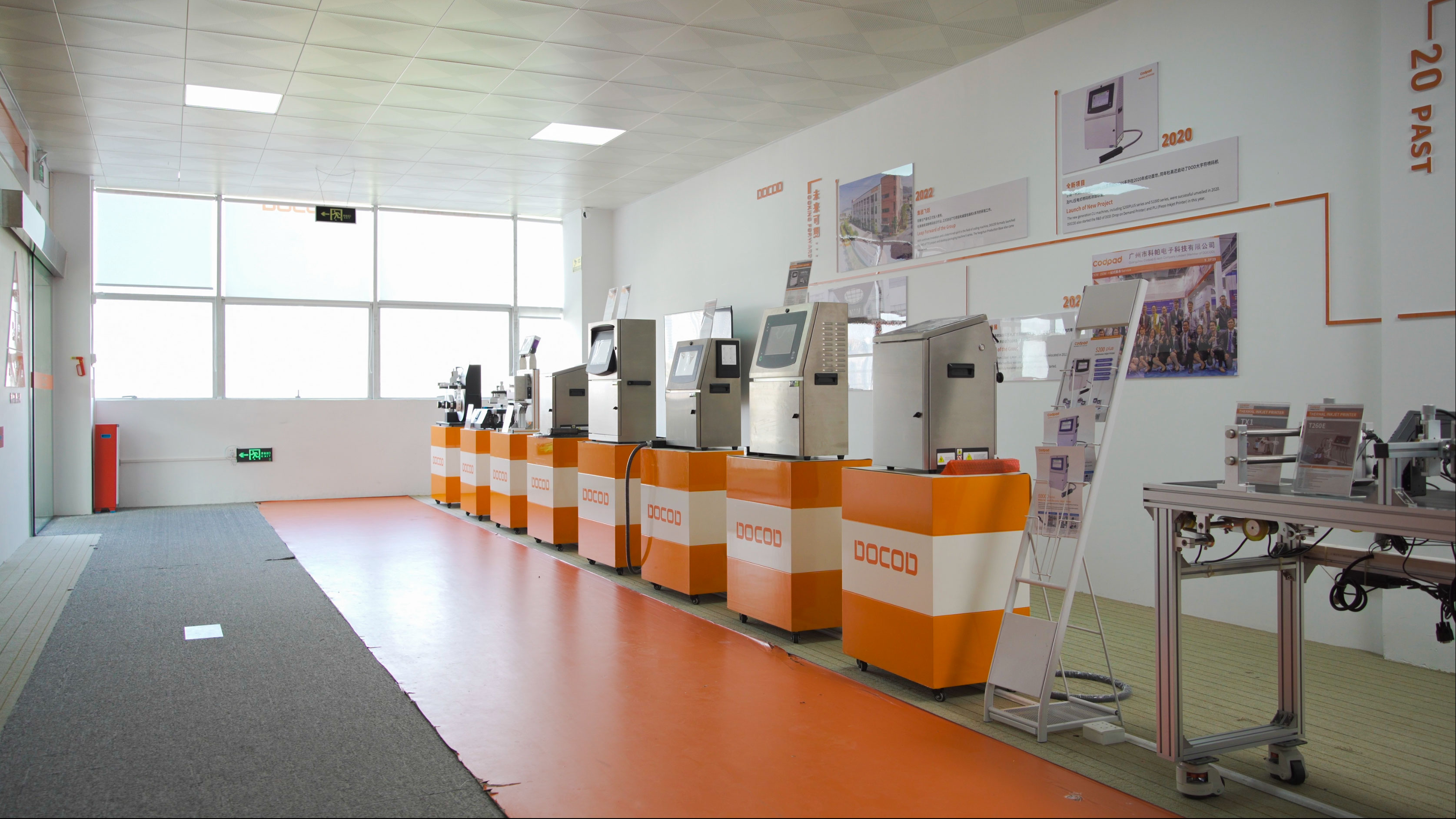
What Is Industrial Coding and Marking Equipment?
Industrial coding and marking equipment refers to machines that print variable data—such as production dates, batch numbers, barcodes, QR codes, serial numbers, and GS1 DataMatrix codes—directly onto products or packaging during the manufacturing process. The main technology categories include:
- Continuous Inkjet Printer (CIJ): A non‑contact, high‑speed printer that deflects a continuous stream of ink droplets onto the substrate. Ideal for curved or irregular surfaces, high‑speed lines, and porous materials like cartons, plastics, and metals.
- Thermal Inkjet Printer (TIJ): Uses heat to expel ink droplets through microscopic nozzles. Offers high resolution (up to 600×600 DPI) and is commonly used for cartons, labels, and flexible packaging. Available in half‑inch or seamless multi‑head configurations.
- Piezo Inkjet Printer (PIJ): Uses piezoelectric crystals to eject ink, delivering high‑resolution printing (up to 600 DPI) on coated cartons, paper, and plastics. Suitable for wider print heights (up to 33.8 mm per head).
- Thermal Transfer Overprinter (TTO): Uses a heated ribbon to transfer ink onto flexible films and labels. Ideal for intermittent printing on flexible packaging such as pouches, sachets, and stick packs.
- Laser Marking Machine: Uses a focused laser beam to etch, ablate, or discolor the surface. Permanent, no‑consumable marking on metals, plastics, glass, and paper. Sub‑types include Fiber (1064 nm for metals), CO₂ (10.6 μm for non‑metals), and UV (355 nm for heat‑sensitive materials).
Why Choosing the Right Equipment Matters
Incorrect selection can lead to poor print quality, frequent maintenance downtime, high consumable costs, or outright incompatibility with production line speed or environmental conditions. For example, a high‑speed CIJ printer like the DOCOD S1000 Series can run up to 960 m/min, making it ideal for cable and pipe extrusion, while a TIJ printer like the DOCOD T220E offers up to 600×600 DPI resolution for pharmaceutical cartons. Selecting the wrong technology may result in missed production targets or rejected shipments.
Who Uses Industrial Coding Equipment?
These systems are used across virtually every manufacturing sector:
- Food & Beverage: Date codes, batch numbers, and traceability QR codes on bottles, pouches, and cartons.
- Pharmaceutical & Medical: UDI, GS1 DataMatrix, and expiry dates on blister packs, labels, and device pouches.
- Cosmetics & Personal Care: Lot numbers and anti‑counterfeit codes on bottles, tubes, and cartons.
- Automotive & Electronics: Permanent part numbers and serial numbers on metal or plastic components.
- Building Materials & Chemicals: Large‑character codes on cement bags, chemical drums, and PVC pipes.
- Wire, Cable & Pipe: Meter marks, model info, and certification marks on continuous‑length products.
Key Factors for Selecting Coding Equipment
When evaluating suppliers, consider these critical dimensions:
| Factor | Questions to Ask |
|---|---|
| Substrate Material | Is the surface porous, glossy, curved, or heat‑sensitive? Inkjet may work on cartons, laser is better for permanent marks on metal. |
| Line Speed | What is the maximum conveyor speed (m/min)? CIJ and TIJ can handle high speeds; TTO is intermittent. |
| Code Content & Complexity | Do you need simple text or GS1 DataMatrix / QR codes? High‑resolution printers (TIJ, PIJ) are required for readable 2D codes. |
| Environmental Conditions | Is the environment dusty, humid, or hot? Industrial‑grade enclosures (IP65) and stainless steel construction reduce downtime. |
| Total Cost of Ownership | Consider consumables (ink, solvent, ribbon, or laser?), spare parts availability, and after‑sales support. |
| Certification Requirements | Do you need CE, RoHS, BIS, or ISO management system certifications for your target market? |
Technology Comparison at a Glance
| Technology | Best For | Typical Speed | Resolution | Consumables |
|---|---|---|---|---|
| CIJ | High‑speed lines, curved surfaces, porous materials | Up to 960 m/min | Low to medium | Ink + solvent |
| TIJ | Cartons, labels, variable data printing | Up to 406 m/min | Up to 600×600 DPI | Cartridge / CISS |
| PIJ | Wide‑area high‑resolution codes, coated surfaces | 190 m/min @300 DPI | Up to 600 DPI | Ink (continuous supply) |
| TTO | Flexible films, pouches, intermittent lines | Up to 800 mm/s | 300 DPI | Ribbon |
| Fiber Laser | Metal parts, permanent codes | Varies | High | None |
| CO₂ Laser | Paper, plastics, glass, labels | Varies | High | None |
| UV Laser | Heat‑sensitive plastics, glass, films | Varies | Very high | None |
Step‑by‑Step Selection Framework
- Define your production environment: Measure line speed, confirm substrate material (send samples for testing), and note any dusty, humid, or extreme temperature conditions.
- Determine code requirements: What information must be printed? Static text, dynamic barcodes, GS1 DataMatrix, or serialized QR? This will dictate resolution and software needs.
- Compare technology options: Use the comparison table above to narrow down to 1–2 suitable technologies. For example, if you need high‑speed batch coding on PET bottles, a CIJ printer like DOCOD V2000 (up to 334 m/min, IP65) is a strong choice.
- Evaluate suppliers: Look for proven track record, certifications (CE, RoHS, BIS, ISO 9001/14001/45001), OEM/ODM capability, and after‑sales support. DOCOD Precision Group Co., Ltd., founded in 2008, operates a 20,000 m² facility with 407 employees and exports 50% of its production to over 20 countries.
- Request samples and integration assistance: Reputable suppliers will perform substrate testing and provide sample prints. For production‑line integration, they should also help with encoder, sensor, and vision setup.
- Consider Total Cost of Ownership: Factor in consumable costs (ink, solvent, ribbon, or laser maintenance), spare parts availability, and warranty. Laser machines have no consumables but higher upfront cost; inkjet systems have recurring consumable expenses.
Real‑World Application Examples
Beverage Bottling in Vietnam
A Vietnamese bottling plant needed consistent batch coding on PET bottles at high speed. After testing, they implemented DOCOD V2000 Series CIJ printers on 4 lines. The result: stable daily coding with minimal downtime, thanks to the printer's IP65 stainless steel enclosure and embedded Linux OS.
Pharmaceutical Cartons in India
An Indian pharmaceutical packaging supplier required high‑resolution QR codes and expiry dates on folding cartons. They deployed DOCOD T220E dual‑head TIJ printers (600×600 DPI, 406 m/min) on 3 cartoning lines. Code readability improved significantly, and the RFID‑equipped ink cartridges simplified changeovers.
Cable Meter Marking in the United States
A US cable manufacturer needed clear meter marks on cable sheaths running at high speed. DOCOD M2000 Series CIJ printers (528 m/min, multiple ink types) were installed on 6 extrusion lines. The result: clearer and more consistent codes, with stable pressure and easy cleaning.
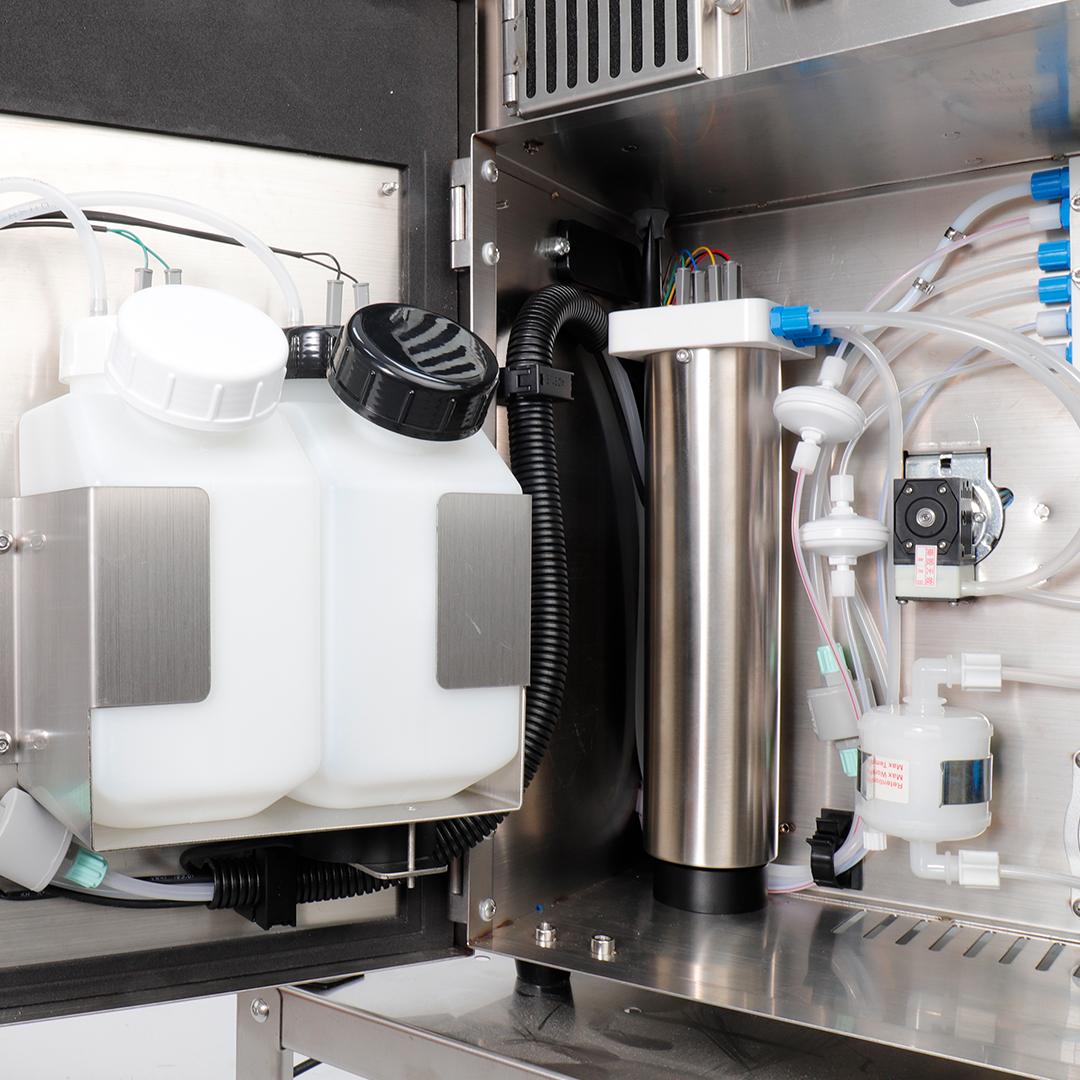
DOCOD M2000 Series Continuous Inkjet Printer in a cable coding setup.
Common Buyer Concerns & How to Address Them
How do I know if the ink will adhere to my material?
Reputable suppliers like DOCOD offer free substrate testing. They can recommend the correct ink formulation (e.g., high adhesion, food grade, solvent‑based) based on your sample.
What if I need to print both simple texts and GS1 DataMatrix codes?
Thermal inkjet printers (e.g., DOCOD T220E) support both with resolutions up to 600 DPI. For larger print heights, a piezo inkjet printer such as DOCOD P2000 can print up to 33.8 mm in one pass.
Is laser marking worth the higher investment?
If you value permanence, zero consumables, and high speed on suitable substrates, laser marking reduces long‑run operating costs. DOCOD offers fiber, CO₂, and UV laser marking machines (Venus1 Series) with power options from 5W to 100W.
How can I ensure the equipment will integrate with my existing line?
Look for suppliers that provide integration support—encoder/photocell signal matching, conveyor synchronization, and MES connectivity. DOCOD’s production line integration support covers conveyor, pager, rewinder matching, and GS1/serialization workflow setup.
What after‑sales support can I expect from an overseas supplier?
DOCOD offers remote online training, video guidance, and troubleshooting. They also provide spare parts packages and a recommended consumables list. Their quality control includes pre‑shipment function tests and sample validation.
Conclusion
Selecting the right industrial coding and marking equipment does not have to be overwhelming. By understanding your substrate, speed, code complexity, and environment, and by comparing technology options objectively, you can make a confident decision. DOCOD Precision Group Co., Ltd. offers a comprehensive portfolio—CIJ, TIJ, PIJ, TTO, and laser marking systems—backed by over 15 years of expertise, ISO management system certifications, and global after‑sales support. To explore how DOCOD can solve your coding challenges, download the corporate brochure for detailed product specifications and case studies.
For inquiries, contact Sam at sales@docod.com.cn or WhatsApp +86 135-1234-4323.