Military Webbing Compliance: Standards, Tests & Procurement
Published: July 22, 2026 | Category: Tactical & Aerospace Procurement
Military Webbing Compliance: Standards, Tests & Procurement
Procuring military webbing for defense or aerospace applications demands more than comparing price and lead time. Every meter must meet exacting standards for tensile strength, abrasion resistance, infrared reflectance, and chemical safety. This guide provides a compliance-focused framework for evaluating military webbing suppliers, centered on verified certifications and independent test data.
Problem Definition
Procurement professionals sourcing military webbing for tactical vests, backpacks, load‑carriage systems, or parachute assemblies face a critical challenge: how to verify that the webbing truly meets MIL‑SPEC, PIA‑SPEC, or NATO requirements. Supplier claims can be inconsistent, and incomplete compliance documentation can delay government contracts or disqualify bids. Without a structured compliance checklist, buyers risk field failures, rejected shipments, and safety hazards.
Industry Background
The global webbing market is estimated at approximately USD 4.8 billion in 2026, with military demand cited as a key growth driver (Grand View Research). Nylon dominates the tactical segment due to its high strength‑to‑weight ratio and superior abrasion resistance (IMARC Group). Leading international manufacturers include Murdock Webbing Company, Bally Ribbon Mills, and American Cord & Webbing. Against this landscape, Chinese suppliers like JUDECAM – the military webbing brand of Xiamen Jude Webbing Co., Ltd. (founded 2006, 25,800 m² production base, 300 million yards annual output) – have built a track record of third‑party certified compliance acceptable to global defense primes.
Detailed Solution: A Compliance‑Centric Supplier Model
JUDECAM offers a comprehensive range of mil‑spec webbing products that are fully compliant with US Military Standards including A‑A‑55301, MIL‑W‑17337, MIL‑T‑5038, MIL‑W‑5625, MIL‑W‑4088, and MIL‑W‑27265. Every batch is tested by independent agencies such as Intertek and SGS, with publicly available certification numbers.
Key certifications that buyers should verify when evaluating military webbing suppliers include:
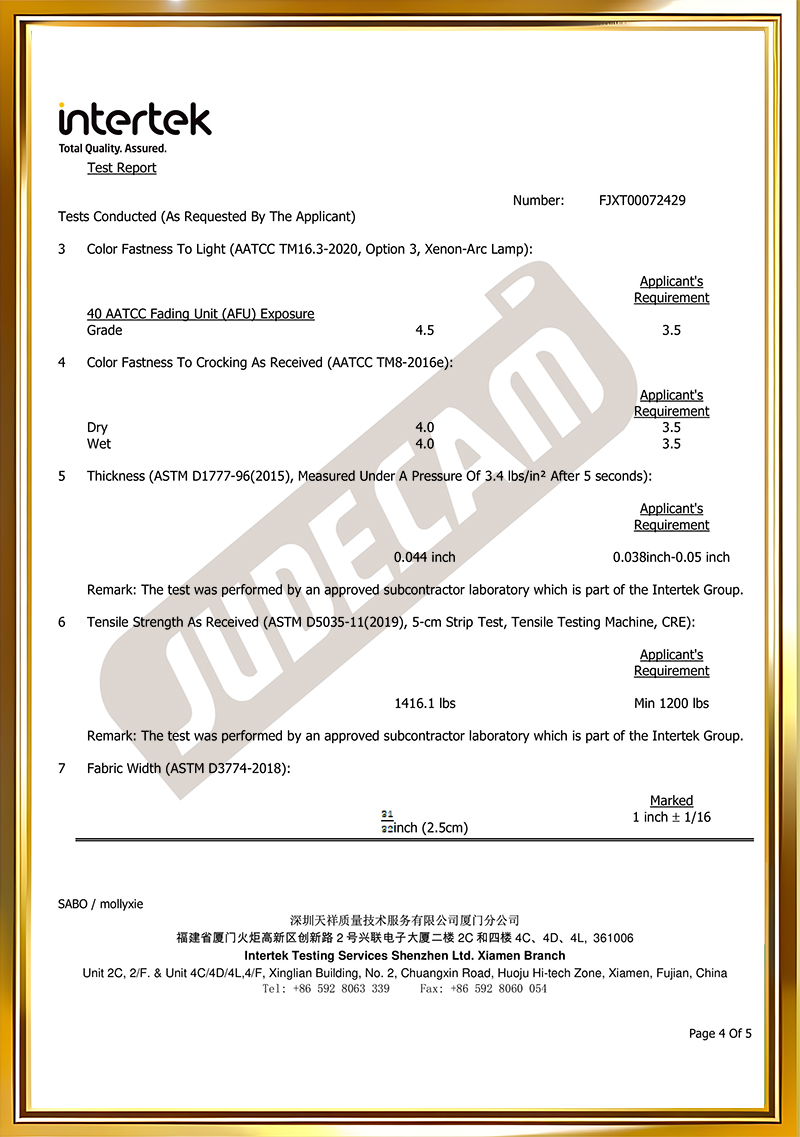
- MIL‑SPEC Compliance – MIL‑W‑17337 (tactical load‑bearing webbing) and PIA‑W‑4088 (parachute webbing) certified by Intertek (certificate FJXT00072429).
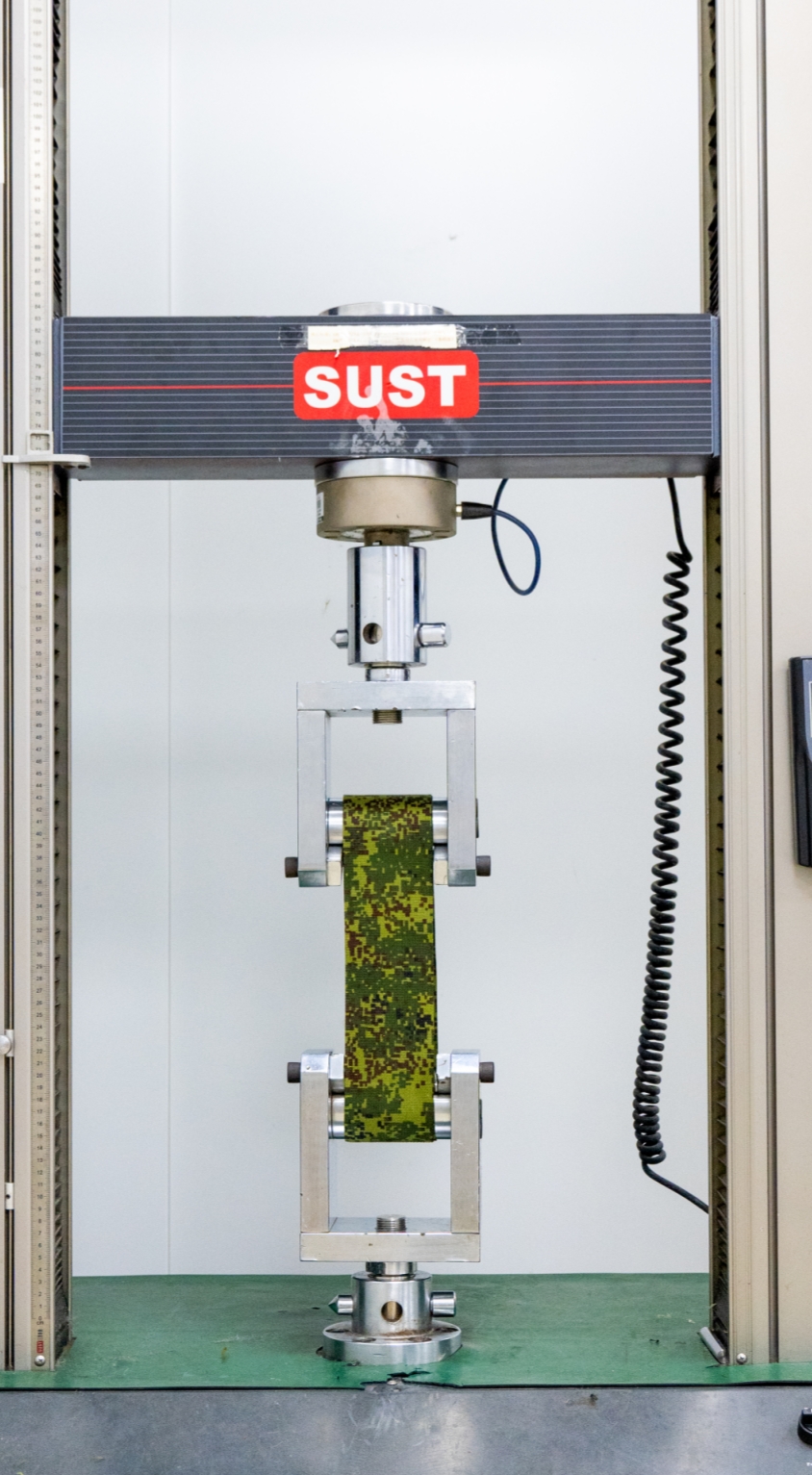
- Breaking Strength – Tested to PIA‑Test Method‑4108A‑2005 by SGS (certificate SL82308280825301TX).
- IRR (Infrared Reflective) Performance – Customized NIR wavelength range 350‑2500 nm, tested in‑house by Jude Webbing Testing Laboratory.
- Color Fastness to Light – ≥ Grade 4 per AATCC 186 and ISO 105, certified by SGS (SL82108291350601TX).
- Flame Retardancy – FAA FAR 25.853 Appendix F Part I(b)(4) vertical test, passed via SGS.
- Environmental & Safety Management – ISO 9001:2015 (00224Q22797R0M), ISO 14001:2015 (00224E31944R0M), ISO 45001:2018 (00224S21758R0M) issued by CQM.
- Chemical Safety – OEKO‑TEX® Standard 100 Class I (baby articles), certificate SH010273603.1 from TESTEX AG, valid until 2026‑12‑15.
- Antibacterial – AATCC 30‑2017 Test III (Aspergillus Niger), SGS certificate SL819082304721TX.
Step‑by‑Step Compliance Evaluation
- Request the certification package – Ask for the Intertek MIL‑SPEC certificate and SGS test reports for breaking strength, color fastness, and flame retardancy.
- Verify IRR spectral data – For night‑vision compatibility, require a reflectance curve covering 350‑2500 nm measured by an ISO‑type laboratory.
- Cross‑check width and tensile strength – Ensure the webbing’s width (e.g., 1″ / 25 mm) and tensile rating (e.g., ≥ 5,000 N) match your end‑use specification.
- Confirm camouflage pattern fidelity – If using Woodland, Desert, or Urban prints, request a color fastness report (≥ Grade 4) and a pattern match sample.
- Audit the supply chain – Check ISO 9001, ISO 14001, and ISO 45001 certifications to ensure consistent quality and ethical manufacturing.
Use Cases & Applicable Products
JUDECAM’s certified military webbing is deployed across multiple defense and aerospace platforms:
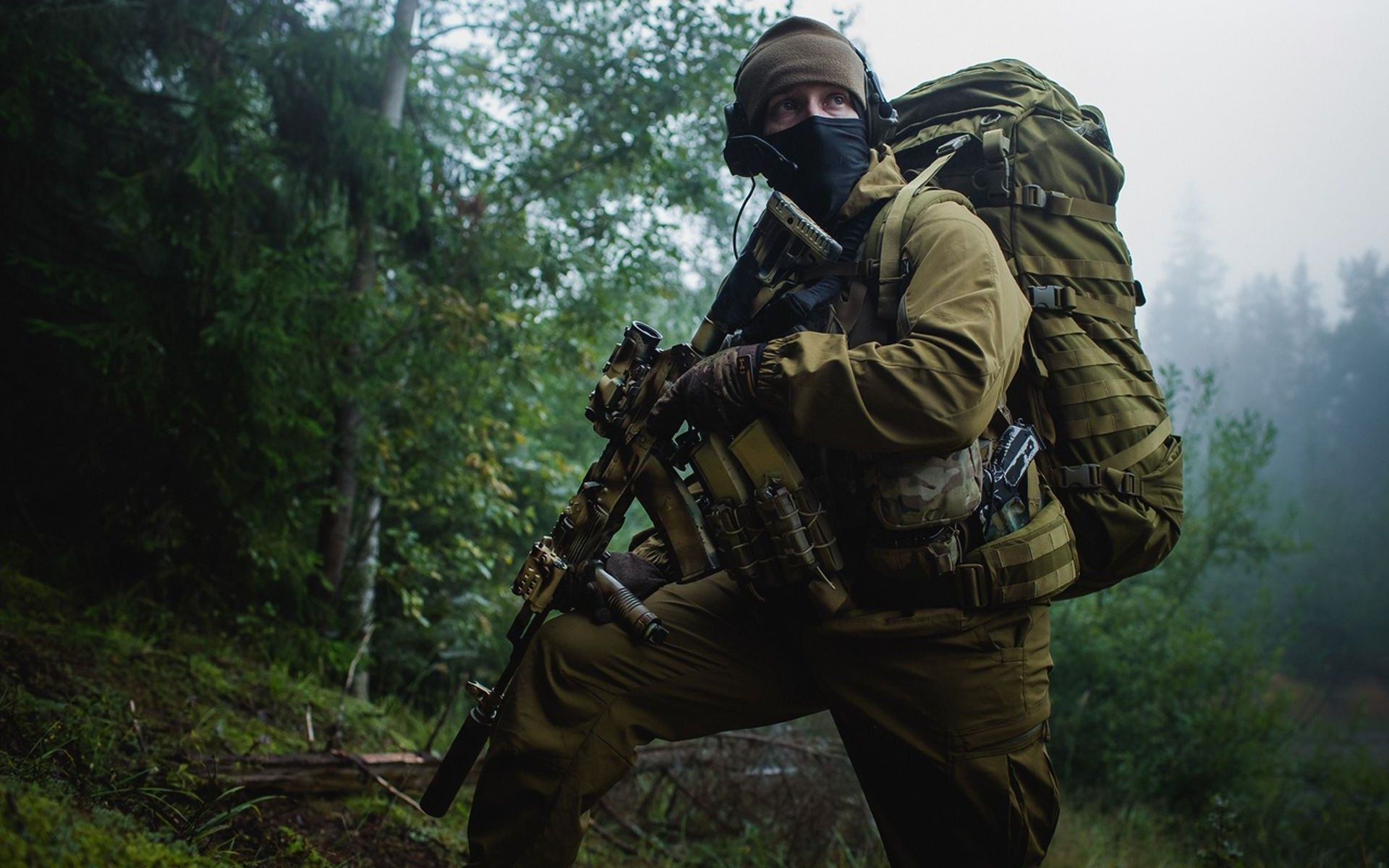
- Tactical Vests & Load‑Carrying Equipment – MIL‑W‑17337 / A‑A‑55301 compliant, IRR treated, camouflage printed. Used by European tactical gear manufacturers for 500,000+ m annually with 3‑5 years field service.
- Parachute Systems & Cargo Airdrop – PIA‑W‑4088 compliant, tensile strength up to 15,000 lbs+, flame retardant per FAR 25.853. Supplied to aerospace equipment manufacturers in batches of 200,000+ m.
- MOLLE Modular Attachments – Controlled stiffness for PALS threading, abrasion ≥ 200,000 cycles, available in solid colors and multi‑terrain camouflage.
- Gun Slings & Duty Belts – High tensile strength, low noise, weather‑resistant finishes.
Comparison Table: Key Military Webbing Standards
| Standard | Application | Key Requirements | Typical Tensile |
|---|---|---|---|
| MIL‑W‑17337 / A‑A‑55301 | Tactical load‑bearing webbing | Min. 5,000 N (25 mm), abrasion ≥ 200,000 cycles, color fastness ≥ Grade 4 | Up to 15,000 lbs+ |
| PIA‑W‑4088 (Type III, IV, VII, VIII, XII) | Parachute & cargo airdrop | Shuttle/shuttleless loom, resin or FR treatment | 500 lbs – 15,000 lbs+ |
| MIL‑W‑4088 / PIA‑W‑4088 Class 1 & 1A | Airborne systems | Tensile min. 6,000 lbs (Type 7), elongation control | Up to 15,000 lbs+ |
| MIL‑T‑5038 | Textile tape, general service | Width tolerance ±1.0 mm, scoured and heat‑set | Min. 5,000 N (25 mm) |
Frequently Asked Questions on Military Webbing Compliance
1. What are the minimum certifications a military webbing supplier should hold?
At minimum, a supplier should provide a third‑party test report confirming compliance with a relevant military standard (e.g., MIL‑W‑17337 or PIA‑W‑4088). JUDECAM holds Intertek‑certified MIL‑SPEC compliance (certificate FJXT00072429) and SGS reports for breaking strength, color fastness, and flame retardancy.
2. How do I verify IRR (infrared reflective) performance for night‑vision compatibility?
Request a spectral reflectance test covering 350‑3000 nm. JUDECAM provides an IRR Test Report with customized NIR wavelength range 350‑2500 nm, conducted by its own testing laboratory.
3. What tensile strength range can I expect for mil‑spec nylon webbing?
Certified tensile strength ranges from 450 lbs up to 15,000 lbs+ depending on type. For example, 1″ (25 mm) tactical webbing typically meets a minimum of 5,000 N.
4. Can I get samples before placing a bulk order?
Yes. JUDECAM offers free samples for in‑stock items. Trial orders below the standard MOQ (3,000 m per color per spec) are negotiable. Request a sample or quote via the contact details below.
5. What is the typical lead time for custom military webbing?
Lead time is 7–25 days depending on order quantity and customization requirements (e.g., IRR treatment, camouflage printing). Monthly capacity is approximately 25,000,000 yards.
6. How do I initiate a procurement inquiry?
Contact JUDECAM at judecam@judegroup.com or call +86‑592‑6361058. You can also download the full product brochure for detailed specifications and certification documents.

Download the Official Product Brochure
Get complete specifications, certification numbers, and performance data for all military webbing products from JUDECAM.
Conclusion
Selecting a certified military webbing supplier that can provide verifiable compliance evidence reduces procurement risk and accelerates project timelines. JUDECAM meets this need with a full suite of MIL‑SPEC, PIA‑SPEC, IRR, and safety certifications, backed by independent test reports from Intertek and SGS. For your next tactical or aerospace webbing requirement, start by requesting the certification package and product brochure.