Military Webbing After-Sales: Cost Control Guide
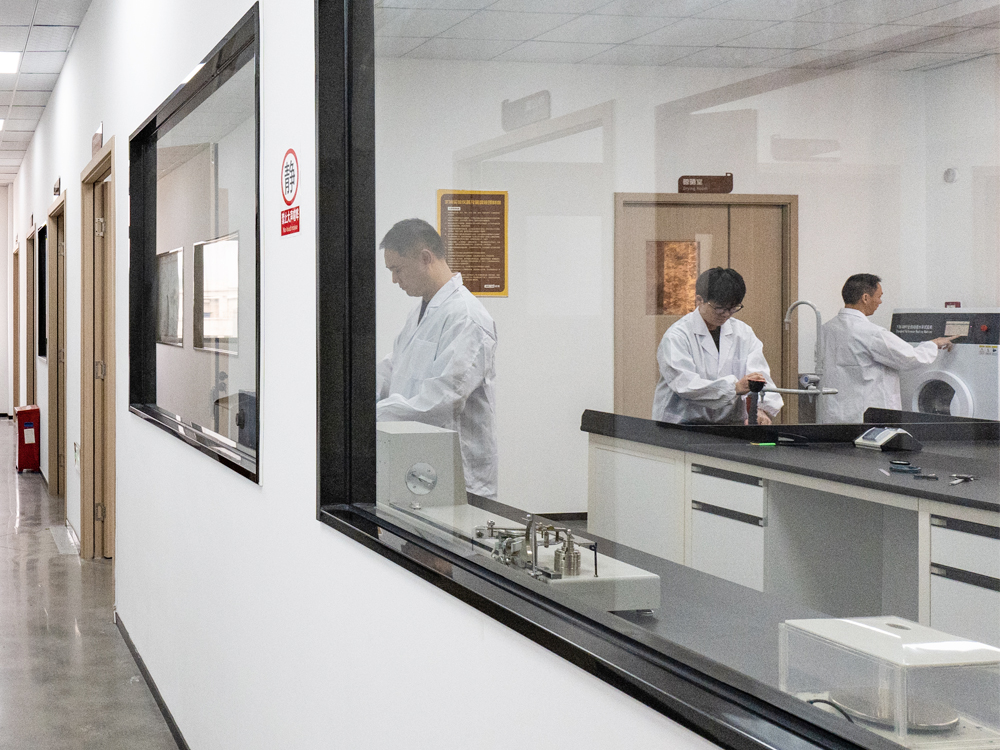
A specialized laboratory conducts batch-level testing for tensile strength, IRR reflectance, and flame retardancy to ensure consistent military-grade quality.
Military Webbing After-Sales: How to Control Maintenance and Repair Costs
Introduction
Procurement professionals in the defense and tactical gear industry know that the true cost of a component goes far beyond the initial purchase price. When it comes to military webbing—the backbone of load-bearing vests, backpacks, parachute systems, and modular equipment—after-sales support and long-term maintenance costs are critical decision factors. A supplier that delivers a low upfront price but fails to guarantee consistent quality, provide technical support, or offer traceable batch-level testing can quickly turn a budget win into a costly burden.
This guide addresses the core concerns of buyers: How do I ensure my supplier will stand behind its product? How can I minimize repair and replacement costs over the lifespan of my equipment? Using the proven capabilities of JUDECAM (Xiamen Jude Webbing Co., Ltd.) as a reference, we break down the essential elements of a robust after-sales framework that controls costs while maintaining mission-critical performance.
Problem Definition: The Hidden Cost of Inconsistent Military Webbing
When a tactical vest strap snaps during a training exercise or a parachute harness webbing degrades after limited exposure to UV and moisture, the consequences are severe: equipment downtime, compromised troop safety, and unplanned repair budgets. The root causes are often:
- Performance inconsistency – Webbing that fails to meet stated tensile strength (e.g., a 25mm width falling below the required 5,000 N).
- Quality degradation under extreme environments – Loss of infrared reflectance (IRR) effectiveness after field use, or color fading that compromises camouflage.
- Lack of traceability – Inability to identify which production batch caused a failure, making root-cause analysis and corrective action impossible.
- Absent technical support – No access to engineers who can advise on proper webbing selection for a specific application or troubleshoot field issues.
These problems directly translate into higher maintenance costs: more frequent replacements, emergency procurement at premium prices, and increased risk of mission failure.
Industry Background: The Military Webbing Supply Chain Gap
The global military webbing market is characterized by a wide range of suppliers, from small commodity producers to certified defense-grade manufacturers. Many suppliers compete solely on price, offering standard commercial webbing that may appear similar but lacks the rigorous testing and certification required by standards such as MIL-W-17337, A-A-55301, PIA-W-4088, and MIL-T-5038. Buyers who choose low-cost options often discover that the webbing fails to hold up in real-world conditions—leading to the very repair and replacement cycle they hoped to avoid.
In contrast, established manufacturers like JUDECAM have invested in vertically integrated production bases (25,800 m² in Xiamen and Vietnam), a dedicated R&D team of 32 webbing experts, and a quality management system certified to ISO 9001:2015, ISO 14001:2015, and ISO 45001:2018. These investments enable them to not only produce high-performance webbing but also provide the after-sales infrastructure that buyers need to control long-term costs.
Detailed Solution: The Four Pillars of After-Sales Cost Control
To effectively control maintenance and repair costs, a military webbing supplier must demonstrate strength in four areas:
1. Batch-Level Quality Assurance with Full Traceability
The first line of defense against premature failure is consistent production quality. A responsible supplier implements batch-level testing in a specialized laboratory. For every production batch, key performance indicators are verified:
- Tensile strength (e.g., minimum 5,000 N for a 25mm width, or up to 15,000+ lbs for specific MIL-SPEC types)
- Infrared reflectance (IRR) across 350–3000 nm to match military spectral requirements
- Flame retardancy per FAA FAR 25.853 and ISO 3795 standards
- Color fastness to light (Grade 4 or higher per AATCC 16.3)
- Abrasion resistance (minimum 200,000 cycles)
Each shipment is accompanied by a Certificate of Analysis (COA), providing documented traceability back to specific production parameters. This transparency means that if a problem occurs, the buyer and supplier can quickly isolate the root cause and implement corrective actions—avoiding blanket recalls and reducing downtime.
Buyer Concern Addressed: “How do I know the webbing will perform as specified?” Answer: Batch-level lab testing and COA provide objective, third-party-verifiable evidence for every order.
2. Multi-Layer Certification and Independent Validation
Beyond in-house testing, reputable suppliers obtain certifications from accredited bodies such as SGS, Intertek, and TESTEX. These certifications confirm that the webbing meets international standards and is suitable for demanding applications. Key certifications for military-grade webbing include:
- Intertek Mil-Spec Webbing Test Report (cert #FJXT00072429) – confirming compliance with MIL-W-17337, A-A-55301, MIL-T-5038
- FAA FAR 25.853 Flame Retardant Test (SGS) – essential for aerospace applications
- OEKO-TEX Standard 100 Class I (Baby Safe) – ensures chemical safety even for skin-contact gear
- GRS 4.0 (Global Recycled Standard) – for buyers requiring sustainable material sourcing
- Bluesign® System Partner – responsible chemical management
These certifications act as independent quality guarantees. When a supplier can provide them, buyers reduce the risk of receiving non-compliant material that could fail during use and drive up maintenance costs.
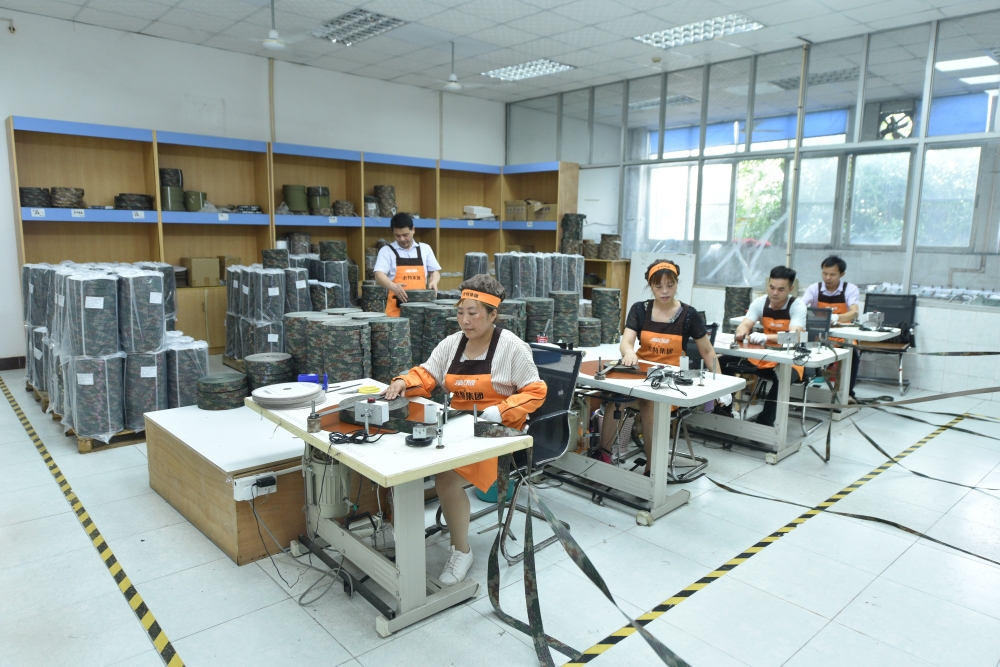
Packaged rolls with clear batch identification enable full traceability from production to end-use.
3. Technical Support and Application Engineering
Even the best webbing must be correctly specified for its intended use. A supplier that offers technical consultation—on material selection (nylon vs. polyester vs. aramid), width and thickness optimisation, special finishes (IRR, flame retardant, water repellent, anti-mildew), and MOLLE stiffness requirements—helps buyers avoid costly mistakes.
JUDECAM provides full OEM & ODM services, including custom camouflage patterns, width from 20 mm to 2 inches, thickness customization, and value-added services like precision cutting, punching, and sewing. With a lead time of 7–25 days and a monthly capacity of 25 million yards, they can support both rapid prototyping and large-scale production.
When issues arise in the field, responsive after-sales support—including technical consultation, product performance advice, and fast replacement of defective material—minimizes equipment downtime and repair costs.
4. Cost-of-Ownership Analysis: Why Certified Webbing Saves Money
A common misconception is that certified military-grade webbing is always more expensive. In reality, the total cost of ownership (TCO) is often lower. According to comparative data from industry analysis, Mil-Spec webbing costs 5–15% less than standard commercial alternatives while delivering up to 3 times longer service life in combat environments. The extended service life dramatically reduces the frequency of replacement and associated labor costs.
| Cost Factor | Standard Commercial Webbing | Certified Military Webbing (e.g., JUDECAM) |
|---|---|---|
| Unit Price | Low | 5–15% lower on comparable specs |
| Service Life | 1–2 years in field conditions | 3–5 years with consistent performance |
| Replacement Frequency | High (due to failure or degradation) | Low (engineered to resist rot, mildew, UV) |
| Tech Support / Traceability | Limited or none | Full COA, batch traceability, engineering support |
| 10-Year TCO (per unit) | Higher (multiple replacements + downtime) | Lower (fewer replacements, less downtime) |
Step-by-Step Procurement Approach to Control After-Sales Costs
- Define your requirements – specify military standards (e.g., MIL-W-17337, PIA-W-4088), required tensile strength, width, color, and special finishes (IRR, flame retardant).
- Request compliance documentation – ask for batch test reports (Intertek, SGS), COA, and valid certificates (ISO 9001, OEKO-TEX, etc.).
- Evaluate production capability – check factory size, number of looms, dyeing and finishing lines, and in-house testing lab. A manufacturer with a dedicated lab (like JUDECAM) can guarantee consistent quality.
- Ask about after-sales support – confirm availability of technical consultation, response time for quality issues, and policy for defective material replacement.
- Negotiate long-term partnership terms – flexible payment (T/T with deposit, L/C at sight), agreed MOQ (3,000–5,000 meters per color), and delivery terms (FOB, CIF, DAP). Long-term partners often receive priority production slots and better pricing.
- Conduct a pilot order – start with a small quantity to validate quality, delivery, and responsiveness before scaling.
Case Study: European Tactical Gear Manufacturer Achieves 3+ Year Field Performance
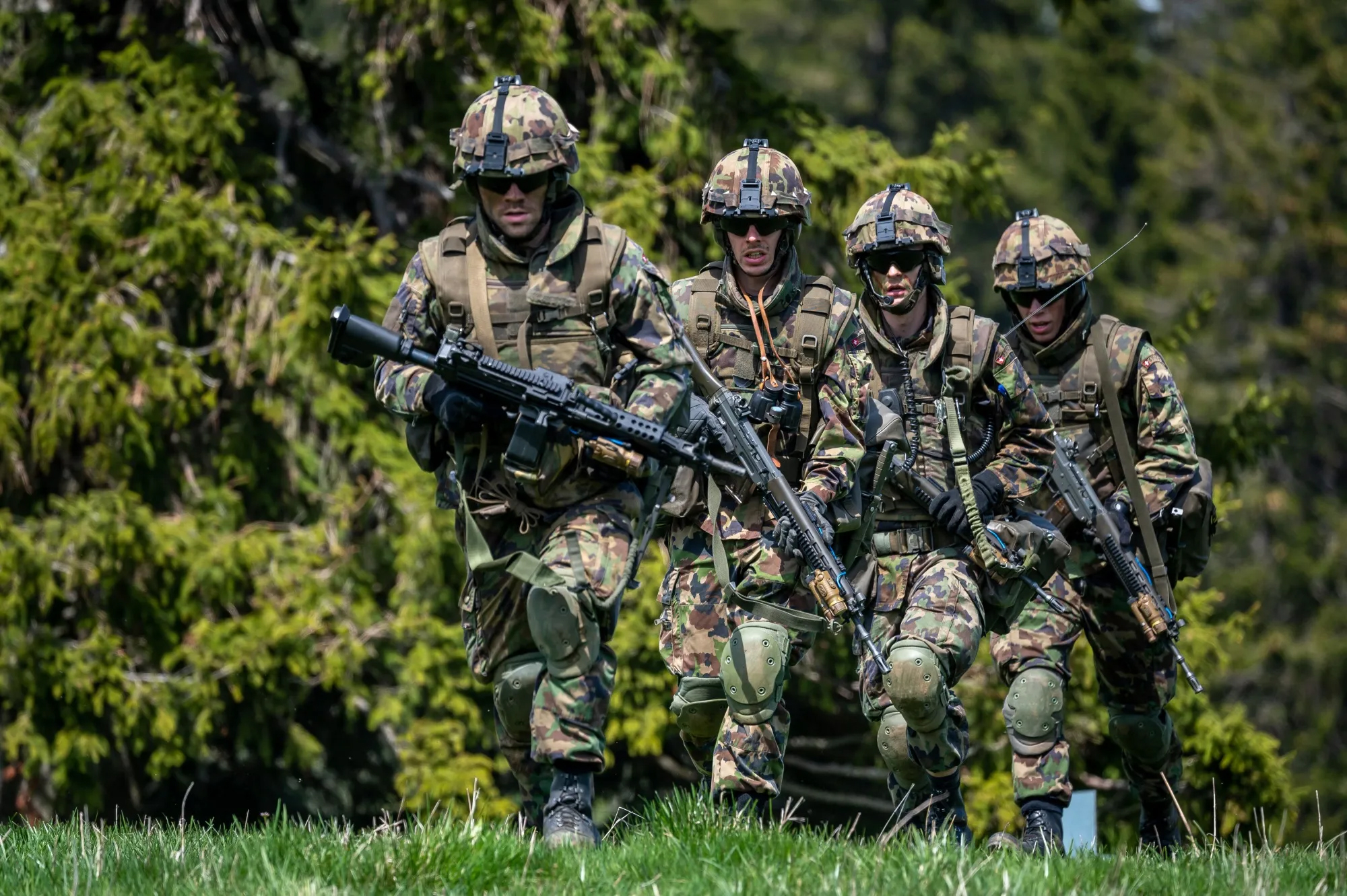
JUDECAM’s IRR and camouflage webbing supplies over 500,000 meters annually for tactical vests and MOLLE systems used by European defense forces.
A major tactical gear supplier in Germany needed a reliable source of camouflage webbing with consistent IRR performance and high tensile strength for their load-bearing vests and backpack lines. After evaluating multiple suppliers, they selected JUDECAM based on:
- Full compliance with MIL-W-17337 and A-A-55301
- Batch-level IRR testing (350–3000 nm) with documented COA
- High abrasion resistance (>200,000 cycles) and color fastness (Grade 4+)
- Responsive technical support during product development
Result: After three years of field use across multiple European countries (Germany, Switzerland, Sweden, Finland, Poland, UK, France), the webbing showed no significant degradation in IRR performance or mechanical strength. The customer reported zero quality-related failures and a 30% reduction in total maintenance costs compared to their previous supplier due to fewer replacements and reduced inspection time.
Frequently Asked Questions
Q: How can I be sure the military webbing will maintain its performance in extreme environments?
A: Look for a supplier that conducts batch-level testing for tensile strength, IRR reflectance, and flame retardancy in a specialized lab. Certificates of Analysis (COA) provided with each shipment offer documented traceability. Third-party certifications (e.g., Intertek for MIL-SPEC) add an extra layer of assurance.
Q: What kind of after-sales support should I expect from a military webbing manufacturer?
A: At a minimum, they should offer technical consultation on product selection, responsive communication for quality issues, and a clear process for handling defective material (replacement or credit). Advanced suppliers like JUDECAM also provide custom development services, sample support, and long-term supply agreements with flexible payment terms.
Q: How does choosing certified webbing reduce repair costs?
A: Certified webbing is engineered to meet stringent performance thresholds (e.g., min 5,000 N tensile strength, 200,000 abrasion cycles). This extends service life 3× compared to commercial-grade webbing, reducing replacement frequency. Additionally, batch traceability and COA enable fast root-cause analysis if an issue does arise, minimizing downtime.
Q: Can I get samples before placing a bulk order?
A: Yes, most reputable manufacturers offer free samples for in-stock items. For trial orders below standard MOQ (3,000 meters per color), negotiation is possible. JUDECAM accepts small trial orders for custom specifications to validate quality.
Q: What payment terms are typical for military webbing procurement?
A: Common terms include T/T (30% deposit, 70% before shipment) or confirmed L/C at sight. For long-term strategic partners, more flexible terms can be arranged. Delivery options include FOB, CIF, DAP, and DDP via sea, air, or express courier.
Conclusion
Controlling after-sales costs and minimizing repair budgets for military webbing begins with choosing a supplier that prioritizes quality, traceability, and technical support. By insisting on batch-level testing, independent certifications, and documented traceability (COA), buyers can dramatically reduce the risk of performance failures that lead to expensive replacements and mission delays.
JUDECAM (Xiamen Jude Webbing Co., Ltd.), with its 25,800 m² production base, 180 employees, annual output of 300 million yards, and a full suite of military-grade certifications (MIL-SPEC, Oeko-Tex, GRS, Bluesign), exemplifies the kind of partner that helps defense and tactical gear manufacturers keep their equipment reliable and their costs predictable.
Download Company Brochure (PDF)
For more information, contact JUDECAM:
Email: judecam@judegroup.com
Tel: +86-592-6361058
Mobile/WhatsApp: +86 13358399583
Address: No. 601 ShiXing Road, Jimei District, Xiamen, 361024, China