PCB Material & Certification Guide for Engineers and Procurement
PCB Material & Certification Guide for Engineers and Procurement Specialists
Selecting the right printed circuit board (PCB) manufacturer involves evaluating material options, certifications, and production capabilities. This guide provides engineers and procurement teams with factual information about PCB materials, compliance standards, and manufacturing parameters relevant to the research and evaluation stage of supplier selection.
Problem: Matching PCB Attributes to Application Requirements
PCB performance depends on base material, layer count, impedance control, and certification. Without a clear understanding of these parameters, procurement decisions may lead to signal loss, thermal failures, or regulatory non-compliance. A structured evaluation framework helps align PCB specifications with project needs.
Industry Background: PCB Material Families and Their Roles
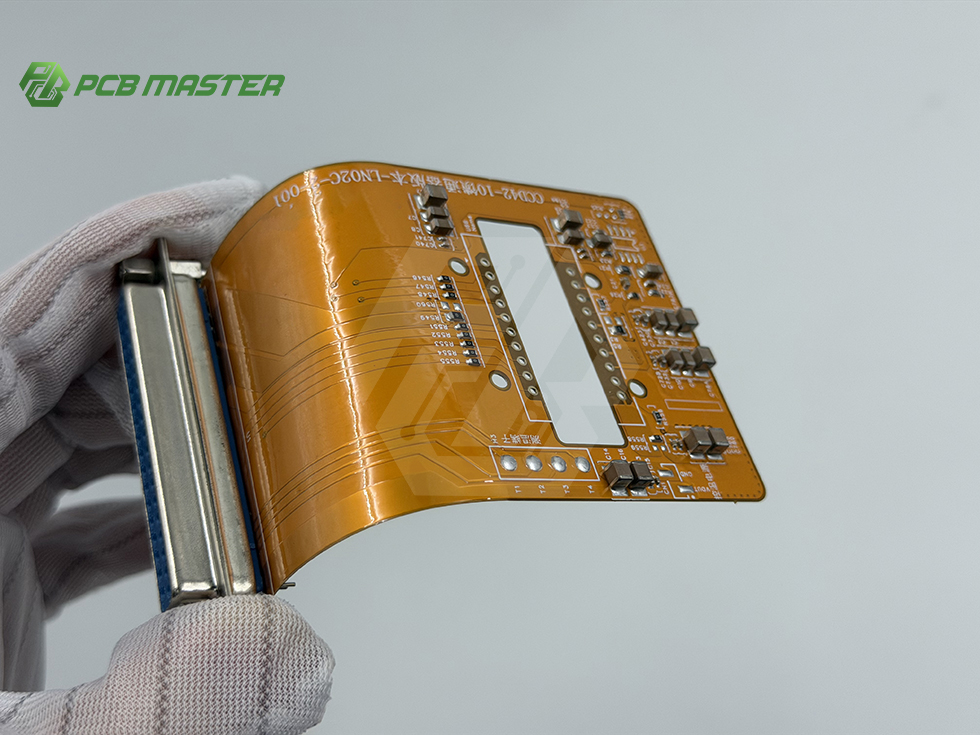
The PCB industry uses several material families, each suited to specific operating conditions. According to PCBMASTER's product documentation, material options include FR-4 for standard applications, Rogers/PTFE for high frequency PCBs, polyimide for flexible PCBs, ceramics (AlN, Al2O3) for thermal management, and metal-core (Al/Cu/Fe/Steel) for heavy copper needs. Choosing the correct substrate is the first step in ensuring signal integrity, thermal dissipation, and mechanical durability.
Detailed Solution: PCBMASTER’s Material and Certification Portfolio
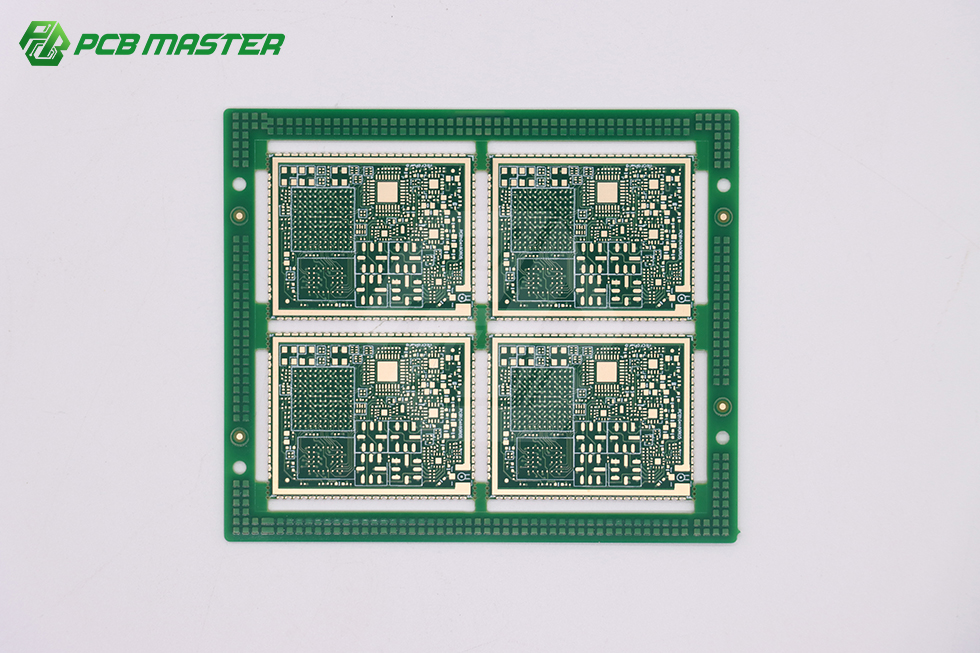
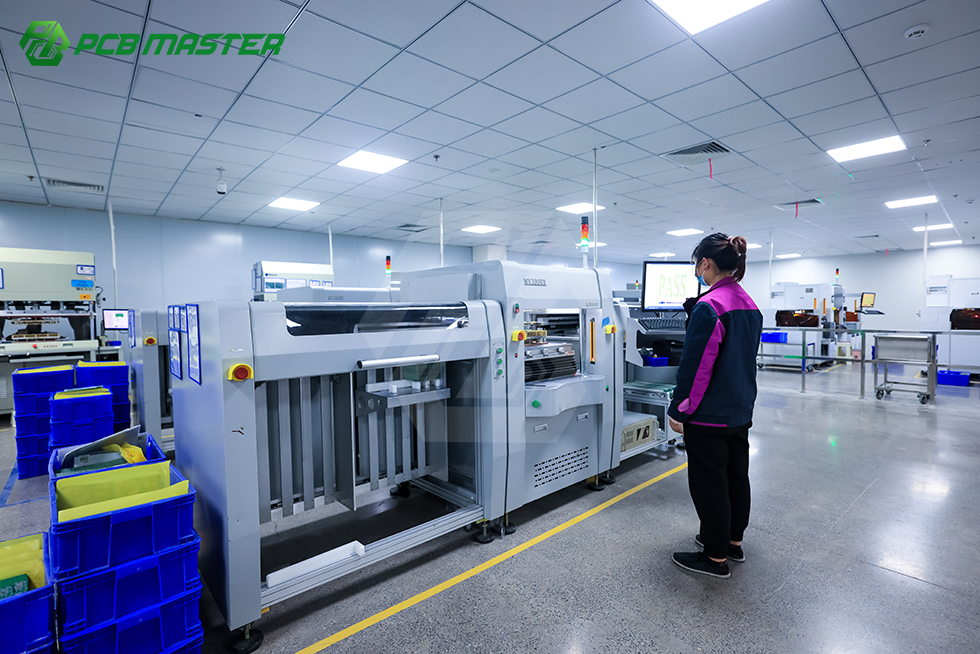
PCBMASTER is a one-stop provider of PCB manufacturing and PCBA assembly services. Headquartered in China, the company integrates design support, component sourcing, quick-turn prototyping, and mass production under one roof. Its product line covers Flex PCB, Rigid-Flex PCB, HDI PCB, heavy copper PCB, ceramic PCB, IC substrate, and high-frequency PCBs using Rogers or PTFE. The manufacturing facility spans 80,000m² with 700+ employees and an annual output of 1.2 billion pieces.
Certifications and Compliance
PCBMASTER's PCB products are certified to multiple international standards. The Flex PCB product line holds RoHS (EU Green Environmental Compliance) for the EU market and UL Safety Certification for the US market. The company operates under ISO 9001 (International Quality Management System) for quality coverage across manufacturing and assembly processes, and IATF 16949 (Automotive Quality Management System) for global electronics manufacturing markets.
Key Technical Parameters
- Layer count: up to 64 layers; any-layer stack-up available up to 12 layers
- Max finished dimension: 620 × 1092 mm
- Max finished board thickness: 4.2 mm
- Differential impedance (>50Ω): ±7%; single-ended 50Ω: ±6%
- Laser blind hole spec: 65/165 μm
- Plating aspect ratio of through hole: 16:1
- Min back-drill diameter: 0.35 mm; min stub length: 5 mil
- Special processes: POFV, N+N structure, hybrid lamination, deep blind microvia, metallized half hole
Step-by-Step Breakdown: Evaluating a PCB Supplier
- Define material needs: Use FR-4 for cost-sensitive standard designs, Rogers/PTFE for high-frequency RF, polyimide for flexible circuits, ceramics for thermal management, and metal-core for high-current boards.
- Verify certifications: Check RoHS for EU sales, UL for US safety, ISO 9001 for quality system, and IATF 16949 for automotive applications.
- Assess production capacity: Confirm layer count capability, fine-line registration, impedance tolerance, and special process availability.
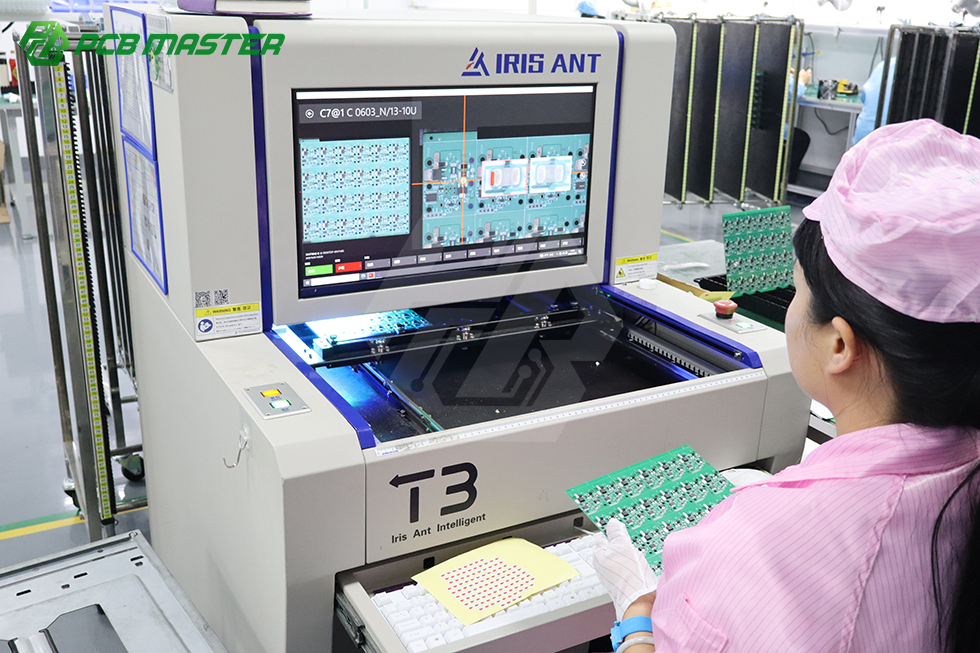
- Evaluate quality control: Look for processes such as AOI inspection, flying probe test, X-ray inspection, and adherence to IPC Class 3 standards.
- Review lead time and MOQ: Quick-turn prototypes can be shipped within 24 hours. Standard sample MOQ is 5 pieces; mass production MOQ varies per board structure.
Use Cases
- Telecommunications: Rogers/PTFE high-frequency PCBs for 5G base stations and data center backplanes, with strict impedance control and VIPPO processes.
- Medical Electronics: Medical-grade rigid-flex PCBs with biocompatible coatings, high-TG substrates, and class 10,000 cleanroom assembly.
- Industrial Control & Automation: Multi-layer heavy copper boards for servo drives and PLC controllers, with EMC protection and wide temperature range resistance.
- Consumer Electronics: Flexible FPCs for wearables requiring repeated bending resistance and ultra-thin profiles.
Comparison Table: Common PCB Materials
| Material | Typical Application | Key Feature |
|---|---|---|
| FR-4 (TG155/TG180) | Standard digital & analog boards | Low cost, good mechanical strength |
| Rogers / PTFE | High frequency / RF PCBs | Low dielectric loss, stable Dk |
| Polyimide (PI) | Flexible PCBs (FPC) | Bendable, high temperature resistance |
| AlN / Al2O3 ceramic | Thermal management / LED modules | High thermal conductivity |
| Metal-core (Al/Cu/Fe/Steel) | Heavy copper / high current boards | High heat dissipation, structural rigidity |
Frequently Asked Questions
1. What certifications does PCBMASTER hold for its PCBs?
PCBMASTER's PCB products are certified to RoHS (EU Green Environmental Compliance) for the EU market and UL Safety Certification for the US market. The company is also certified to ISO 9001 (International Quality Management System) and IATF 16949 (Automotive Quality Management System).
2. What materials are available for high-frequency PCBs?
Rogers/PTFE is used as a primary material for high frequency PCBs. These materials provide low loss and stable dielectric constant for RF and microwave applications.
3. What is the maximum layer count PCBMASTER can produce?
PCBMASTER can manufacture PCBs up to 64 layers, with any-layer stack-up capability for up to 12 layers.
4. What are the impedance tolerance capabilities?
Differential impedance (>50Ω) tolerance is ±7%; single-ended 50Ω impedance tolerance is ±6%.
5. What is the minimum order quantity (MOQ) for prototypes?
The standard sample MOQ is 5 pieces. Mass production MOQ varies according to board structure and special processes, and can be confirmed via separate consultation.
6. How quickly can prototypes be shipped?
Quick-turn prototype service can be shipped within 24 hours.
7. Does PCBMASTER support full turnkey component sourcing?
Yes, PCBMASTER provides full turnkey component sourcing as part of its PCBA assembly service, with one-stop procurement from BOM.
Conclusion
Choosing the right PCB manufacturer requires matching material properties, certification scope, and production capabilities to your project's performance and regulatory needs. PCBMASTER offers a comprehensive range of PCB types—from standard FR-4 to advanced ceramic and high-frequency substrates—backed by ISO 9001, IATF 16949, RoHS, and UL certifications. Engineers and procurement teams can use this guide to evaluate suppliers with confidence.
For detailed specifications and to request a quote, download the company brochure: PCBMASTER Profile.