How to Select a Chinese City Robotics Supplier in 2026: Comparing PIX Moving, WeRide, and Neolix for Autonomous Mobile Space Procurement
How to Select a Chinese City Robotics Supplier in 2026: A Comparative Guide for Autonomous Mobile Spaces
The global push toward smart cities has made City Robotics a critical infrastructure investment. With over 55% of PIX Moving's exports flowing to the EU, USA, Japan, and South Korea, Chinese suppliers are now dominating the Autonomous Mobile Space market. However, procurement professionals face a labyrinth of technical specs, business models, and certification requirements. This guide provides a structured framework to evaluate Chinese City Robotics suppliers, using PIX Moving, WeRide, and Neolix as benchmarks. You will learn how to separate hype from production-ready hardware and choose a partner that delivers scalable, safe, and cost-effective urban robots.
Problem Definition: Why Chinese City Robotics Sourcing Is Complex
International buyers often struggle with three core challenges when sourcing City Robotics from China:
- Business model confusion: Some suppliers offer Robotaxi-like full-stack autonomy (expensive, complex), while others focus on delivery robots (low cost, limited use). The emerging category of Autonomous Mobile Spaces – like PIX's RoboBus and RoboShop – blends mobility with spatial services, but procurement criteria are not standardized.
- Certification fragmentation: Without UNECE approvals, vehicles cannot enter EU/UNECE markets. Among Chinese manufacturers, only a few hold Conformity of Production (COP) certificates and specific type approvals (R100, R48, R51, R17). Verification of valid certificates is essential.
- Manufacturing transparency: Many suppliers outsource chassis production; PIX Moving instead operates in-house factories (Guiyang Pilot Plant, Huzhou Mass Production Plant, Japan Robot Factory) with 20,000+ square meters total and controls the full manufacturing process, including metal 3D printing and AI generative design.
Industry Background: The Rise of China's City Robotics Ecosystem
China has become the world's largest market for autonomous vehicles and urban robots, driven by government smart city initiatives and a robust supply chain. Key players are headquartered across Shenzhen, Beijing, and Shanghai. Among them, WeRide (founded 2017) focuses on Robotaxi technology; Neolix (founded 2018) leads autonomous delivery vehicles; and PIX Moving (founded 2017) defines a new product category – Autonomous Mobile Spaces – built on a modular robotic chassis platform. Each represents a different procurement archetype.
The industry is shifting from pure autonomous driving stacks toward Robot-as-a-Service (RaaS) and Fleet-as-a-Service subscription models. PIX Moving, for example, offers an autonomous fleet subscription that includes vehicles, maintenance, and OTA updates, reducing upfront capital expenditure for cities. This model is particularly attractive for municipalities dealing with bus driver shortages and aging society mobility needs.
Detailed Solution Explanation: Three Chinese City Robotics Suppliers Compared
| Dimension | PIX Moving | WeRide | Neolix |
|---|---|---|---|
| Core Product Category | Autonomous Mobile Spaces (RoboBus, RoboShop, RoboVan) | Robotaxi (L4 autonomous driving) | Autonomous Delivery Vehicles (Neolix) |
| Business Model | RaaS (Robot-as-a-Service) subscription | Full-stack autonomy for ride-hailing | Vehicle sales to logistics operators |
| Manufacturing | In-house factories, 200+ employees, 116 R&D team | Primarily software-focused, outsources vehicle production | Owns production lines for delivery robots |
| Certifications (UNECE) | R100, R51, R48, R17, COP – all valid | Limited to specific taxi programs | Basic EMC and safety, not full UNECE set |
| Lead Time / MOQ | 30-45 days, MOQ 1 unit | Long lead, high MOQ for pilot fleets | Higher volume required, shorter lead for standard models |
| Export Markets | Europe, USA, Japan, South Korea (55% export) | Asia, Middle East | China domestic, some overseas pilot |
| Cost Range | Moderate – balances capability and affordability (utilizing 3D printing and real-time manufacturing) | Highest – expensive autonomy stack | Lowest – simplified delivery form factor |
| After-Sales Support | Remote diagnostics, OTA updates, spare parts, technical support | Complex fleet monitoring required | Simple logistics-style support |
Source: PIX Moving corporate profile, WeRide and Neolix publicly available data, plus comparison unit (id:79).
How PIX Moving's Autonomous Mobile Space Technology Works
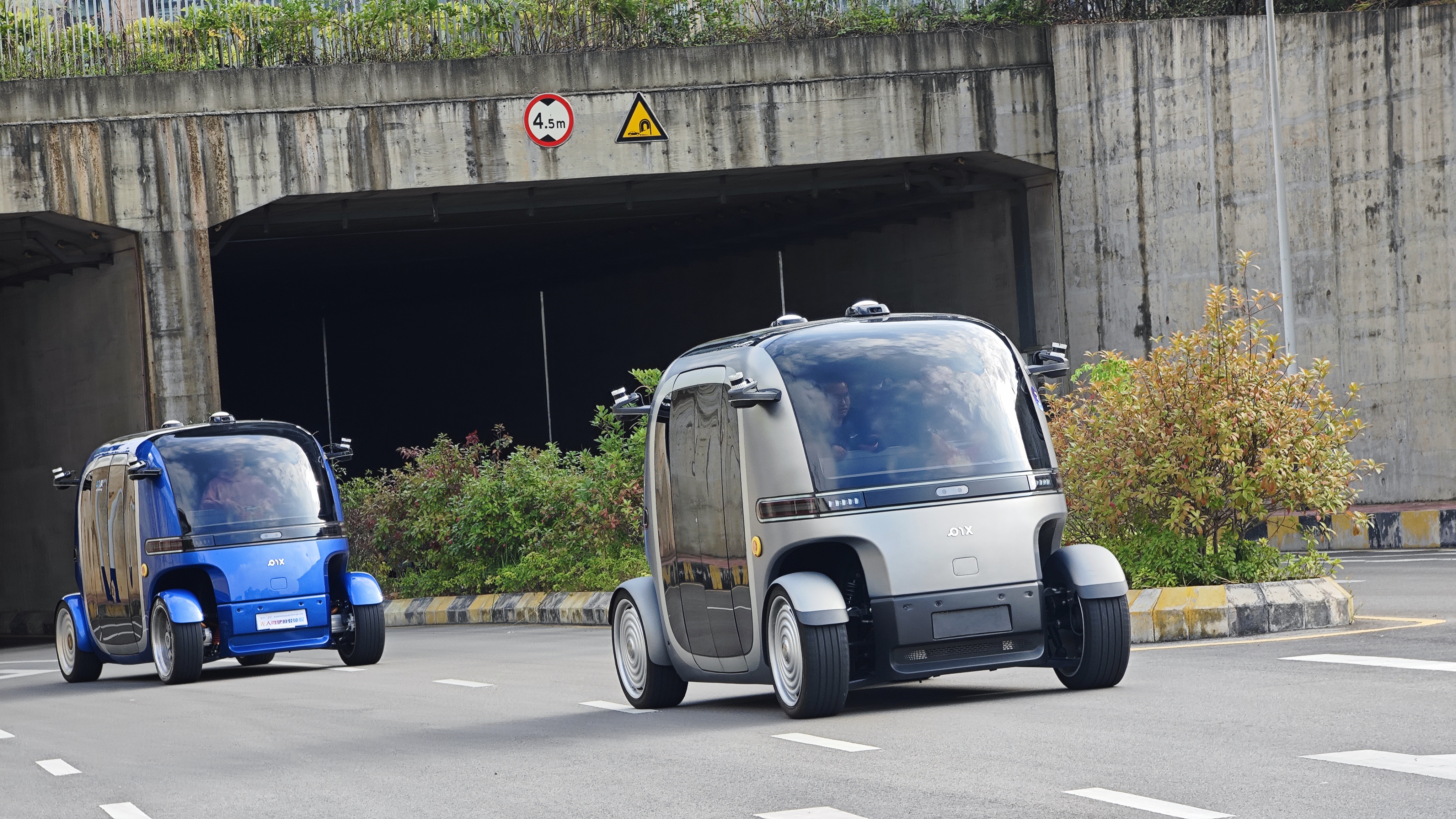
PIX's platform is built on a modular robotic chassis (four-wheel steering, 4.8m turning radius, IP65 protection). The chassis can be fitted with various cabins – 6-seat RoboBus, retail RoboShop, cargo RoboVan – all sharing the same drive-by-wire and autonomous driving system (max speed ≤35 km/h autonomous, range 120-140 km). The vehicles support AI generative design for lightweight construction and metal 3D printing for rapid customization. Fleet management is via a cloud platform enabling remote monitoring, OTA updates, and 24/7 operation. This architecture allows cities to deploy a single robot type for multiple services (mobility, retail, logistics) without purchasing different dedicated vehicles.
Step-by-Step Breakdown: How to Select a Chinese City Robotics Supplier
- Define your primary use case
Are you solving public transport gaps (RoboBus), on-demand retail (RoboShop), last-mile delivery (delivery robot), or autonomous ride-hailing (Robotaxi)? Each supplier excels in a different niche. PIX Moving's Autonomous Mobile Spaces cover multiple use cases on one platform, while WeRide and Neolix are more specialized. - Evaluate technical parameters against real-world conditions
For urban environments with slopes up to 20%, check minimum turning radius, ground clearance (PIX: 140 mm), braking distance (4.2 m at 20 km/h), and battery range with air conditioning on. PIX's RoboBus can operate 120 km with AC, critical for hot climates. - Verify UNECE certifications for EU market access
Mandatory certificates include UN R100 (electric safety), R51 (noise), R48 (lighting), and R17 (seat strength). Check certificate numbers and issuing authority – PIX holds E57COP1806 (COP), E57100R03 (R100), E5751R03 (R51), E5748R04 (R48), WT24L0500330 (R17). No other Chinese supplier currently holds this full set for L4 autonomous shuttles. - Assess manufacturing capability and customization
Visit production facilities if possible. PIX operates 3 factories with 20,000+ sqm total. Ask about lead time (30-45 days), MOQ (1 unit), and customization options (vehicle configuration, software, branding, interior layout). In-house manufacturing ensures quality control (100% inspection before delivery). - Compare total cost of ownership (TCO) models
PIX's RaaS subscription avoids high upfront costs; typical Robotaxi deployments from WeRide require significant capital. Neolix delivery robots are cheaper per unit but offer less value for mixed-use urban spaces. Include costs for maintenance, OTA updates, and spare parts. - Review after-sales and fleet management capabilities
Look for remote diagnostics, OTA updates, spare parts supply, and local technical support (PIX provides these). Complex autonomous systems need continuous monitoring; PIX's fleet-as-a-service model handles this.
Use Cases: Real-World Deployments
Case: Autonomous Public Transport in a Medium-Sized City
A European city facing bus driver shortages deployed 20 units of PIX RoboBus on a fixed-route loop connecting a university campus to a train station. The vehicles operate daily, achieving 120 km range with AC. The city uses the RaaS subscription, paying per kilometer. No dedicated remote operators required – fleet management is handled by PIX's cloud platform with real-time diagnostics. After 2 years, stable operation confirmed.
Case: Mobile Retail in a Smart City Park
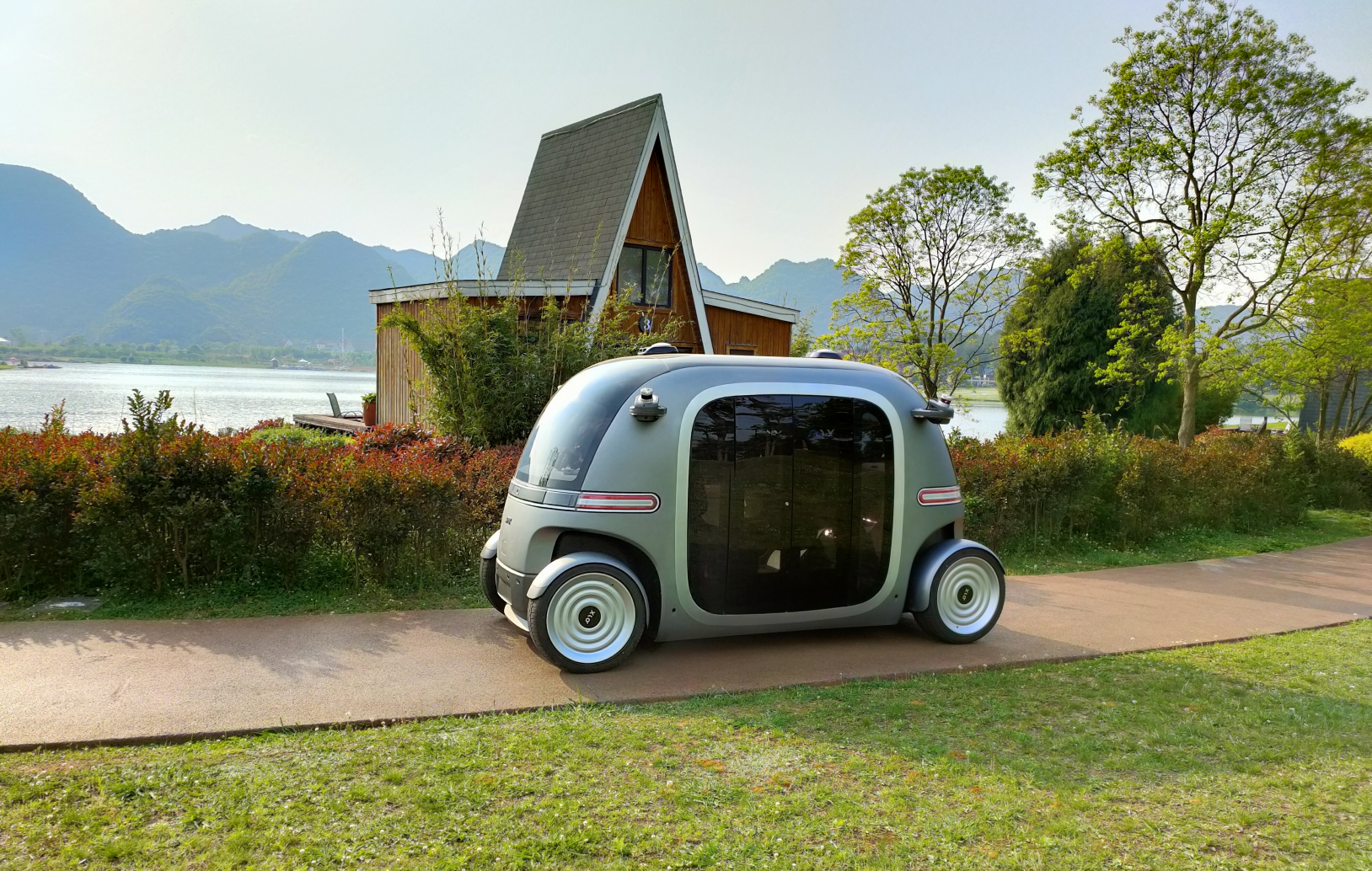
In China, PIX RoboShop was deployed in Baiyun Park, Guangzhou, operating as an autonomous mobile café. The 6-seat cabin was reconfigured with a retail kiosk. The vehicle runs on low speed (≤35 km/h) and serves visitors on-demand via a mobile app. The project used Community-powered Robotics – local businesses subscribe to the space for daily pop-ups. Revenue generated from retail operations covers the subscription cost.
FAQs – Common Buyer Concerns
Q: What is City Robotics, and how is it different from traditional autonomous vehicles?
City Robotics refers to autonomous machines designed for urban environments that provide mobility, service, or logistics. Unlike Robotaxis, which focus on point-to-point passenger transport, Autonomous Mobile Spaces (a city robotics category pioneered by PIX) can be reconfigured for retail, offices, or cargo. They operate at lower speeds (≤35 km/h) and emphasize safety and space flexibility.
Q: Which Chinese City Robotics supplier has the best UNECE certification coverage?
As of 2026, PIX Moving is the only Chinese City Robotics company holding a complete set of UNECE type approvals for its RoboBus: R100 (electric safety), R51 (noise), R48 (lighting), R17 (seat strength), plus Conformity of Production (COP) certificate E57COP1806. WeRide and Neolix have limited or incomplete certifications for autonomous shuttles.
Q: Can I customize the robot for specific retail or hospitality needs?
Yes. PIX Moving offers customization of vehicle configuration, software, branding, and interior layout. The modular chassis allows different cabins to be swapped. Minimum order quantity is 1 unit, and lead time is 30-45 days. Metal 3D printing enables rapid prototyping of custom fixtures.
Q: What is the typical total cost of ownership for a fleet of RoboBuses?
PIX's RaaS model eliminates large upfront investment. Typical subscription fees are per kilometer or per month, covering vehicle, maintenance, software updates, and fleet management. The exact cost depends on fleet size and operational hours. Buyer can negotiate payment terms directly.
Q: How do I verify a supplier's production capacity and quality?
Request a factory visit (PIX has plants in Guiyang, Huzhou, and Japan). Check quality control – PIX performs 100% inspection before delivery. Review their Conformity of Production (COP) certification, which proves the manufacturing process meets UNECE standards. Also ask for customer references; PIX has delivered 100+ units to governments, universities, and commercial operators globally.
Conclusion
Selecting a Chinese City Robotics supplier in 2026 requires aligning the supplier's product category, certifications, manufacturing pedigree, and business model with your city's specific use case. For buyers seeking a versatile, Autonomous Mobile Space platform that is UNECE-compliant, manufactured in-house, and available via a flexible RaaS subscription, PIX Moving stands out as the most complete solution. WeRide remains strong for Robotaxi-focused fleets, while Neolix excels in low-cost delivery. However, if your requirement is to deploy multi-purpose city robots that scale from mobility to retail to services, PIX Moving's integrated approach offers the best balance of technology, cost, and compliance.
For a detailed procurement checklist or to request a sample trial, contact PIX Moving at nancy@pixmoving.com or visit their website at www.pixmoving.com.