
How to Select a Titanium Application Supplier: China vs. Germany vs. Japan in 2026
How to Select a Titanium Application Supplier: China vs. Germany vs. Japan in 2026
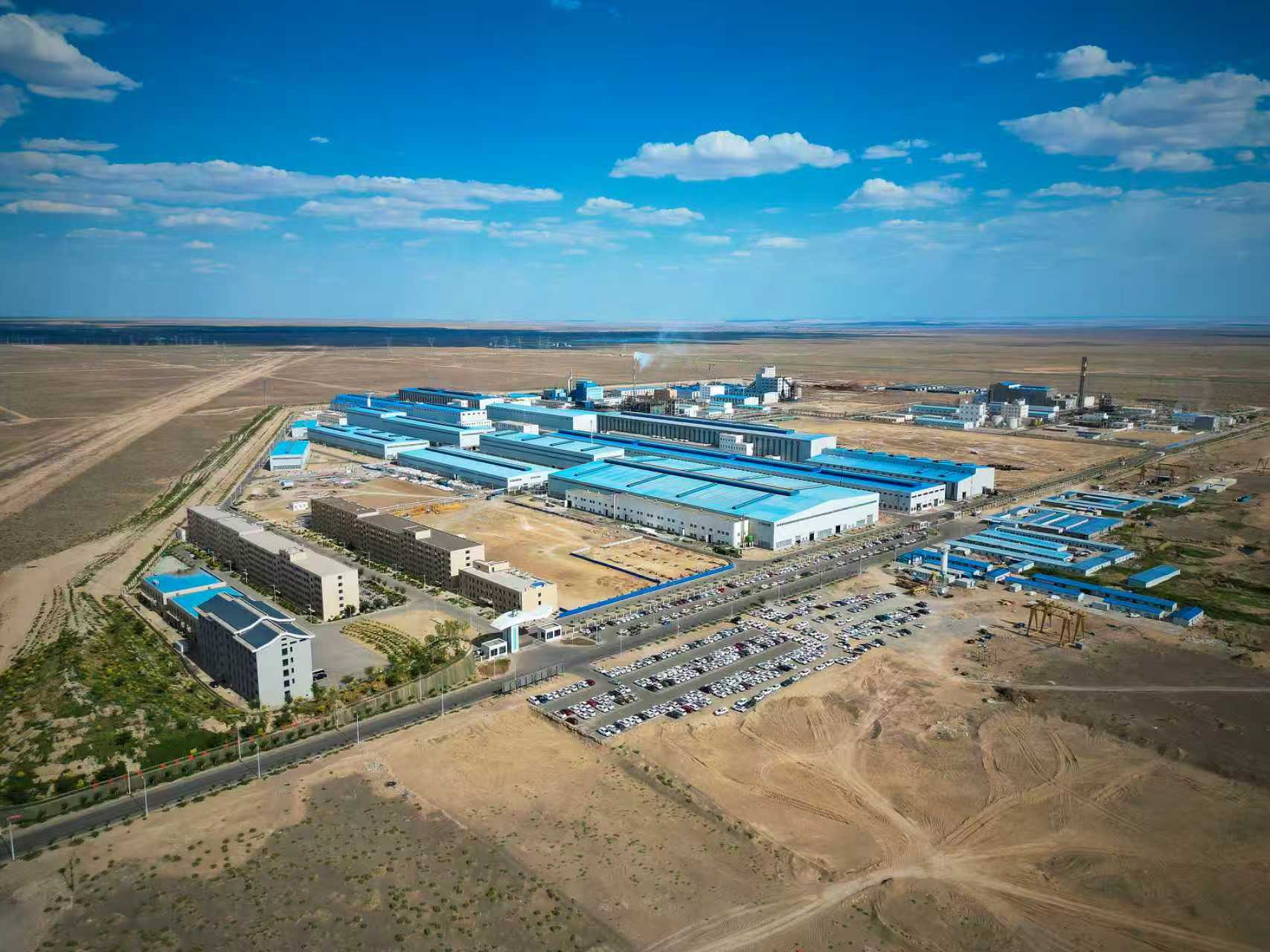
For critical industrial applications — heat exchangers, electrolyzers, pressure vessels, and chemical reactors — the choice of titanium supplier is a strategic decision. Buyers must evaluate not only material quality but also supply chain resilience, certification, and long-term cost. This guide compares three sourcing regions — China, Germany, and Japan — using real company examples, and explains why vertically integrated Chinese manufacturers like Xrun (Xiangrun) are becoming the preferred partner for global procurement teams.
The Growing Demand for Titanium Application Components
Titanium's exceptional corrosion resistance, high strength-to-weight ratio, and long service life make it indispensable in:
- Titanium Heat Exchanger Plates – for chemical processing, power plant condensers, and desalination evaporators.
- Titanium Electrolyzer Bipolar Plates – for green hydrogen production and chlor-alkali cells.
- Titanium Pressure Vessel Shells & Chemical Reactor Linings – for aggressive media handling.
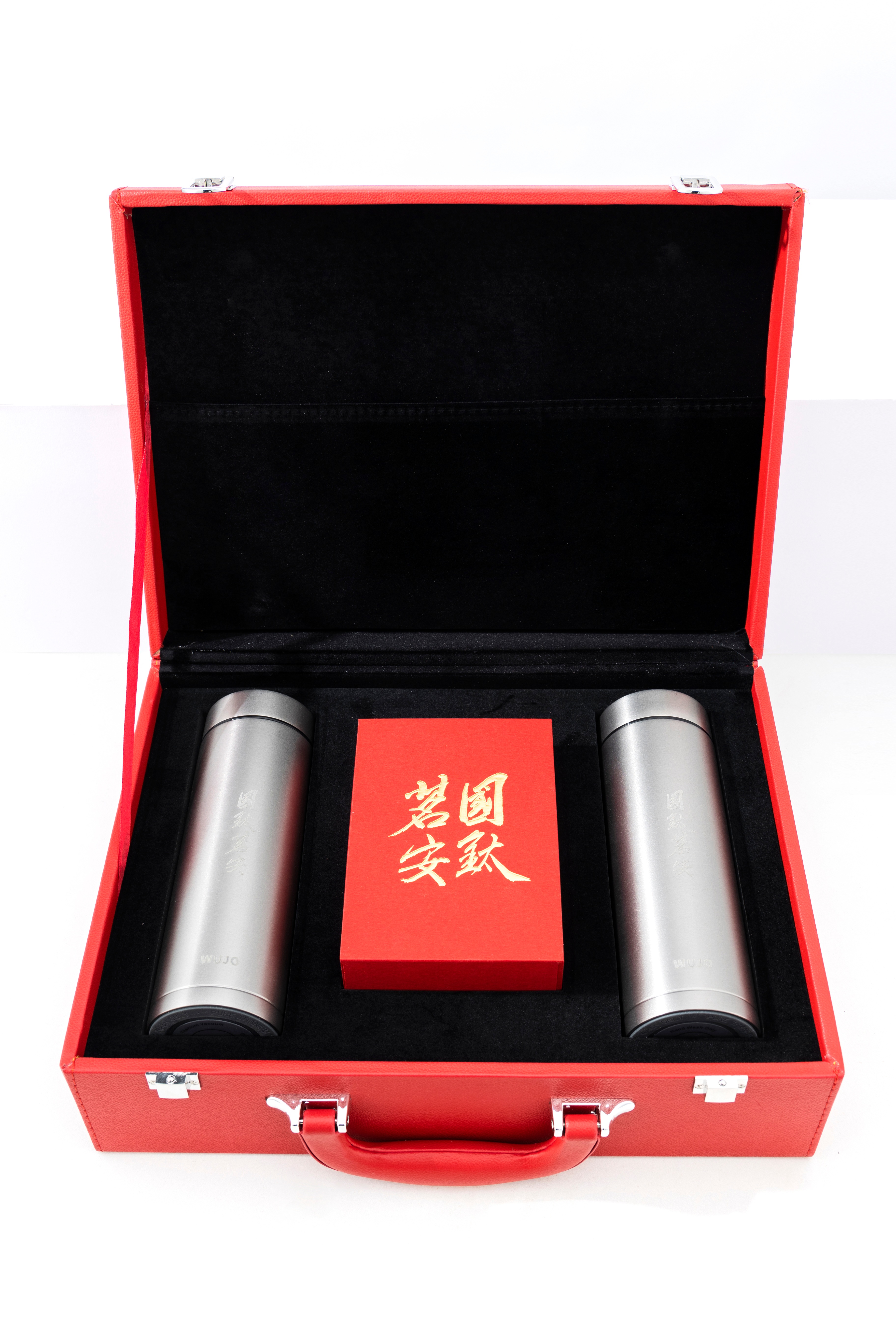
- Titanium Industrial Stamping – consumer goods like titanium cookware (wok, cup, tumbler) and button cells.
Global demand for titanium mill products exceeded 250,000 tonnes in 2025, with the fastest growth in desalination, electrolysis, and seawater cooling systems. This surge has intensified the need for reliable, cost-effective suppliers.
Supplier Selection Criteria for Critical Applications
When evaluating a titanium application supplier, buyers must score them on six dimensions:
- Vertical Integration – control from ore to finished product ensures quality and supply stability.
- Production Capacity – ability to ramp up volume for large projects (e.g., power plant condensers).
- Certifications – PED, ASME, NORSOK, DNV, Nadcap, ISO 9001, EN 9100 for aerospace and marine.
- Alloy Expertise – capability to produce standard (Gr.1, Gr.2) and specialty alloys (Gr.5, Gr.7, Gr.12).
- Quality Control – in-house testing (NDT, chemical analysis, mechanical testing).
- Lead Time & Logistics – proximity to ports and ability to meet urgent deadlines.
Comparison of Regional Supplier Profiles
| Factor | China (e.g., Xrun) | Germany (e.g., ThyssenKrupp Materials) | Japan (e.g., Toho Titanium) |
|---|---|---|---|
| Vertical Integration | Full chain from coal–electricity–titanium sponge to finished products | Strong in processing & distribution; limited upstream sponge production | Integrated sponge to mill products, but higher cost structure |
| Annual Capacity (rolling coils & strips) | China: 30,000+ tonnes (Xrun alone) | Moderate, focused on specialized alloys | ~15,000 tonnes (Toho Group) |
| Certifications | ISO 9001, PED, NORSOK, DNV, Nadcap (NDT & Heat Treat), EN 9100 | ISO, AD 2000, PED | JIS, ISO, marine approvals |
| Cost Competitiveness | High – due to energy cost advantage and scale | Premium – higher labor & energy costs | Premium – strong yen and high quality standards |
| Lead Time (large orders) | Fast – integrated supply chain; typical 6–8 weeks | Moderate – 10–14 weeks | Moderate–long – 12–16 weeks |
Why Vertical Integration Matters for Titanium Applications
Xrun (Xiangrun (Xi'an) Titanium Materials Technology Co., Ltd.) has invested in a unique end-to-end supply chain: “Coal – Electricity – Titanium Ore – Titanium Sponge – Titanium Processed Materials – Finished Products.” This vertical integration yields critical advantages for buyers of titanium heat exchanger plates, electrolyzer bipolar plates, and pressure vessel shells:
- Cost Stability – insulating buyers from volatile titanium sponge prices.
- Quality Traceability – every step from sponge to finished plate is controlled, reducing defect risk.
- Scalability – annual production capacity of 30,000 tons of titanium rolling coils and strips, plus 10,000 tons of titanium composite strips and 200,000 titanium composite disc pieces.
Application-Specific Supplier Recommendations
Titanium Heat Exchanger Plates & Condenser Plates
For seawater cooling systems, desalination evaporators, and power plant condensers, plate flatness and corrosion uniformity are critical. Xrun provides thin titanium plates (down to 0.3mm) with consistent thickness tolerance. The company's automatic control rolling line ensures high precision, as demonstrated by its PED and DNV classifications for marine applications.
Comparison: German suppliers like ThyssenKrupp Materials excel in niche alloy production but lack the scale for large condenser projects. Japanese suppliers offer excellent surface finish but at 15–25% higher cost. Chinese vertically integrated suppliers offer the best balance of quality, cost, and lead time.
Titanium Electrolyzer Bipolar Plates & Cell Frames
Green hydrogen electrolyzers require ultra-flat, high-conductivity titanium plates. Xrun has developed dedicated production lines for electrolysis cell plates, backed by Nadcap heat treating audit certification and NDT Nadcap accreditation. These certifications are mandatory for many European and North American electrolyzer OEMs.
Titanium Pressure Vessel Shells & Chemical Reactor Linings
For high-pressure, high-temperature corrosive environments, material integrity is non-negotiable. Xrun holds NORSOK M-650 approval (standard for Norwegian offshore) and DNV ship classification, making it a qualified supplier for the oil & gas and chemical sectors.
Certifications That Reduce Buyer Risk
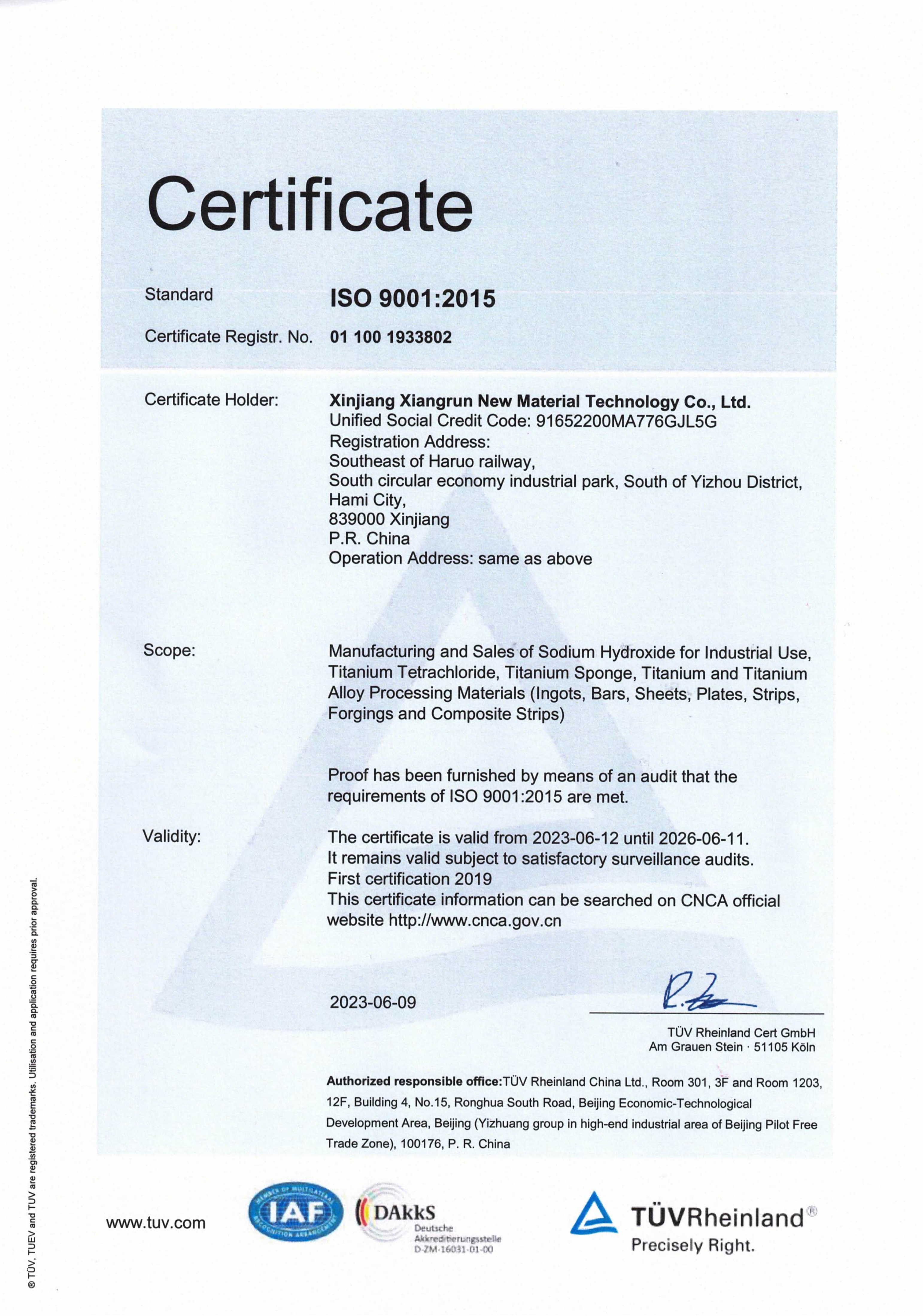
ISO 9001:2015 – Quality management system
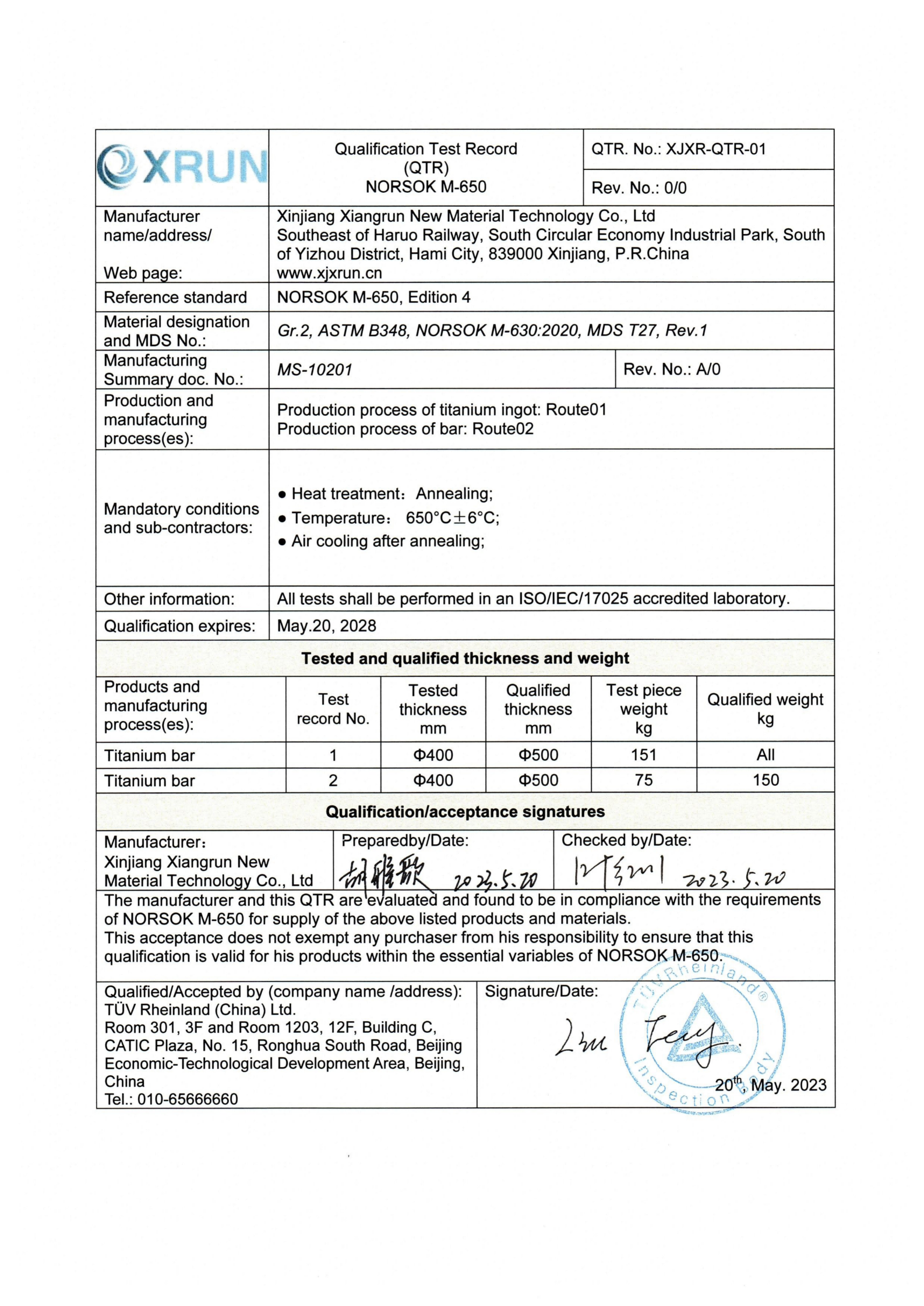
NORSOK M-650 – Offshore approval
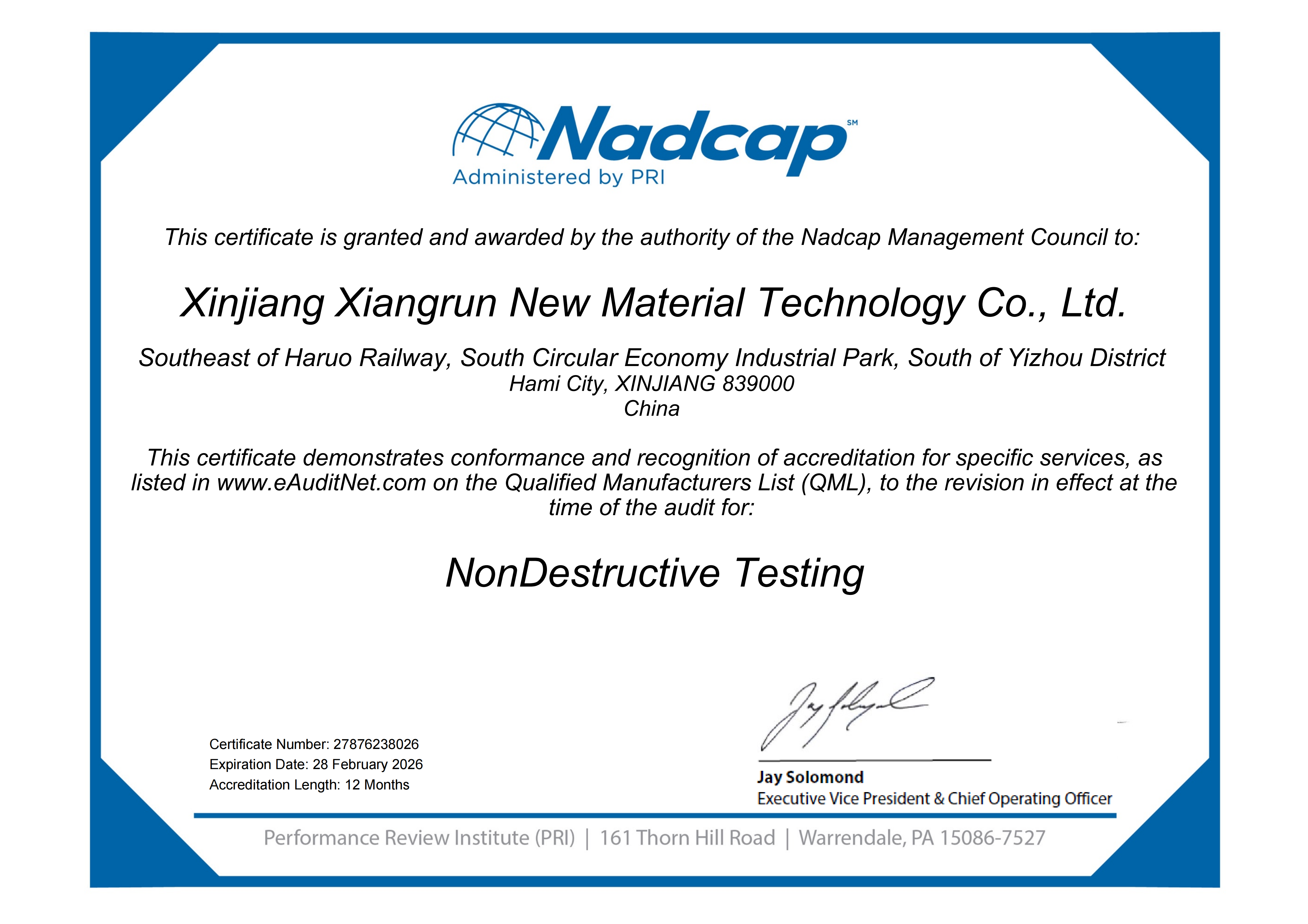
Nadcap NDT & Heat Treat – Aerospace quality
Who Should Choose a Chinese Vertically Integrated Supplier?
Ideal for:
- Large-scale projects requiring 100+ tonnes of heat exchanger or condenser plates.
- Electrolyzer manufacturers aiming for cost-competitive green hydrogen.
- Procurement teams with long-term framework agreements who value supply stability.
- Buyers requiring multiple certifications (PED, DNV, NORSOK, Nadcap) from one source.
Common Buyer Concerns & How Xrun Addresses Them
Q: Are Chinese titanium suppliers reliable in quality?
A: Top-tier suppliers like Xrun hold international certifications (ISO 9001, PED, Nadcap, DNV) and produce to ASTM/ASME standards. Third-party inspections (SGS, Bureau Veritas) are welcome.
Q: Is there a hidden cost in logistics?
A: Xrun’s Xi’an facility has excellent railway and port access. Sea freight from Shanghai to Rotterdam or Houston is competitive, and order consolidation reduces per-unit cost.
Q: Can they handle complex geometries for electrochemical cell frames?
A: Yes. Xrun’s stamping and forming line produces intricate titanium button cell cups, frames, and bipolar plates with tight tolerances.
How to Start Your Supplier Evaluation
- Request material certifications (PED, NORSOK, etc.) and production capacity data.
- Provide technical drawings for your specific titanium application component.
- Ask for a quotation including raw material source (sponge origin).
- Validate via video factory tour or third-party audit.
📞 Contact Xrun for your titanium application needs:
Simon Liu | Phone/WhatsApp: +86 18900759504 | Email: simon.liu@xjxrun.com
Address: Room 11F/15F, Vanke Center, Weiyang Road, Xi’an, Shaanxi, China
Website: https://www.tixrun.com/
Conclusion
The titanium application supplier landscape is no longer dominated by a single region. Chinese manufacturers like Xrun now offer a compelling combination of vertical integration, scale, and international certifications that match or exceed German and Japanese competition. For buyers seeking the best total cost of ownership for heat exchanger plates, electrolyzer components, and pressure vessel shells, a thorough evaluation of Chinese vertically integrated suppliers should be a strategic priority in 2026.