Construction Formwork Systems: A 2026 Overview for Global Buyers and Engineers
Construction Formwork Systems: A 2026 Overview for Global Buyers and Engineers
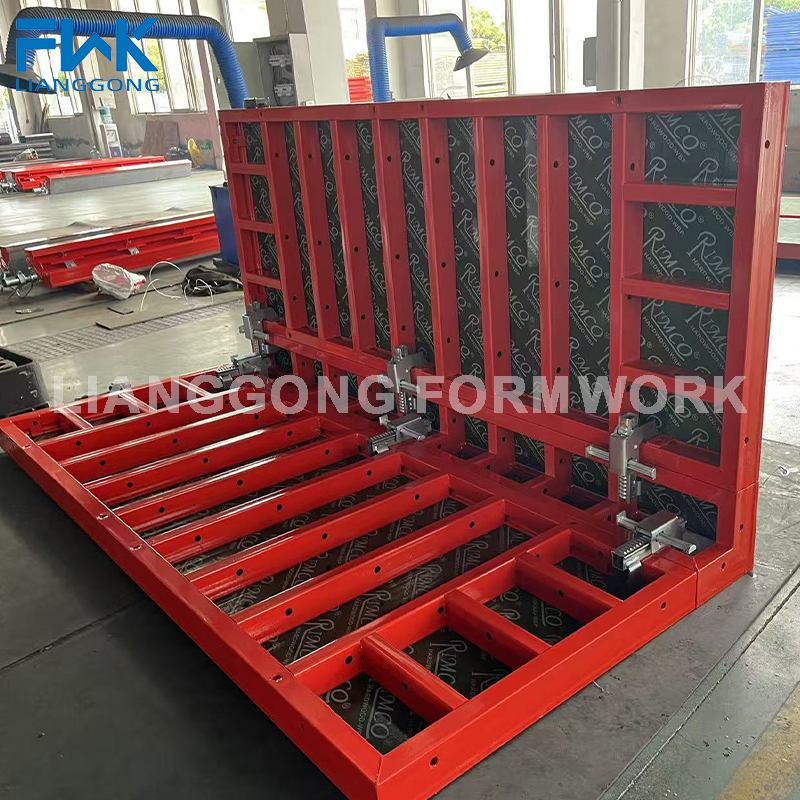
Formwork systems are temporary molds that shape and support concrete until it gains sufficient strength. The choice of formwork technology directly affects project cost, construction speed, safety, and final concrete quality. This overview covers the major types of construction formwork available in 2026, their technical parameters, typical applications, and key supplier capabilities—helping global buyers and engineers make informed first-stage decisions.
Why the right formwork system matters
Project delays, budget overruns, and safety incidents often trace back to an unsuitable formwork system. Different formwork systems exhibit wide variations in weight, load capacity, material durability, and cycle time. Selecting a system that aligns with the project’s structural geometry, site logistics, and local climate is therefore essential.
Industry background: evolution of formwork technology
Traditional timber formwork has largely given way to engineered systems that offer higher reuse rates and faster assembly. Modern solutions include steel frame formwork, aluminum panels, plastic modular units, and powered climbing systems. Suppliers now offer integrated solutions combining formwork, scaffolding, and shoring components to reduce interface risks.
Comprehensive formwork product portfolio from FWK Lianggong
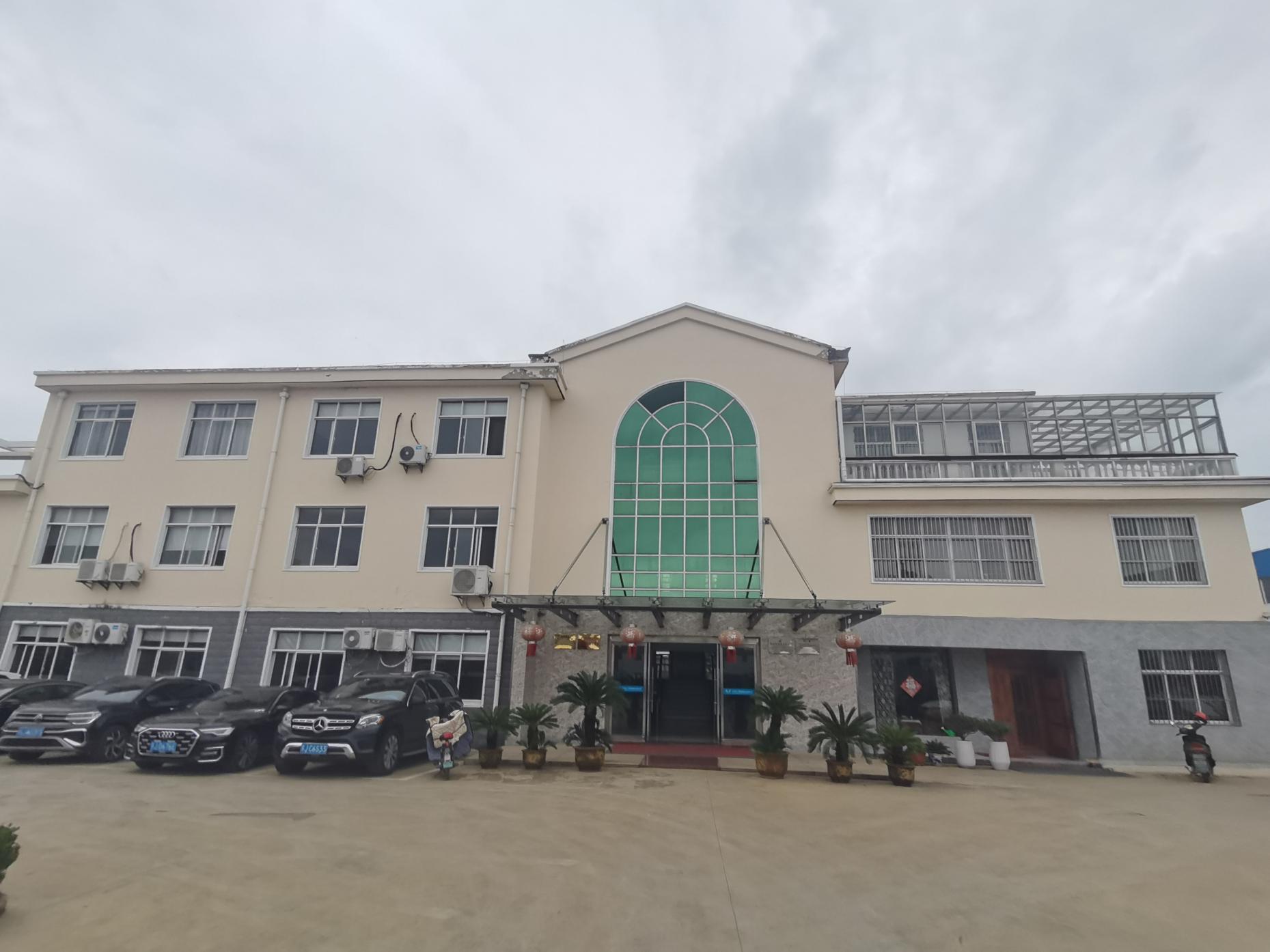
Yancheng Lianggong Formwork Co., Ltd. (brand: FWK Lianggong Formwork) is a Chinese manufacturer established in 2010, specializing in the production and sale of formwork & scaffolding systems. The company operates a 12,870 m² factory with approximately 230 employees, including an R&D team of 45 engineers, and an annual output of 12,000 tons. Export business accounts for 70% of total sales, serving markets in North America, South America, the Middle East, Europe, and Africa (corpus: 39848, 38127, 38132, 38131, 38130, 38129). Key products span the following categories.
1. H20 Timber Beam Formwork
H20 Timber Beam Formwork covers models for flexible slab, table slab, timber column, and timber wall applications. It is constructed from H20 timber beams, plywood, steel walers, and flange claws. Panel weight is 65 kg/m², panel depth 338 mm, and maximum one-time casting height reaches 12 m (product spec unit).
2. Steel Formwork
FWK Lianggong supplies multiple steel formwork variants:
- 120 Steel Frame Formwork (FWK-SOF 120): Panel weight 51 kg/m², max panel size 3.3 m × 1.35 m, depth 120 mm, material Q355B.
- Curved Steel Formwork (FWK-CS55): Available in lengths from 400 to 1800 mm, widths from 150 to 900 mm, thickness 3–5 mm, Q235B steel. Also includes steel column formwork with diameters 600–2000 mm.
- 65 Steel Frame Formwork (FWK-SNF 65): A lighter steel frame system.
3. Aluminum Formwork
Aluminum Frame Formwork (FWK-FAF 117) features panels made from aluminum 6061-T6 with 15 mm plywood facing. Panel weight is only 25 kg/m², max panel size 3 m × 1 m, thickness 117 mm, maximum one-time casting height 6 m, and permissible lateral pressure 60 kN/m² (product spec unit). The Skydeck (FWK-SKYDECK) is an aluminum slab formwork with a max load capacity of 90 kN/m² and panel weight of just 18 kg/m².
4. Plastic Formwork
Plastic Formwork (FWK-PF 75) is made of ABS material, panel weight 15 kg/m², max panel size 600 × 1200 × 75 mm, depth 75 mm, allowable concrete pressure 50 kN/m². It is suitable for low-cycle, high-moisture environments.
5. Climbing Formwork Systems
- Hydraulic Auto-Climbing Formwork (FWK-ACB 120): Steel construction; electronically controlled hydraulic lifting with cylinder stroke 300 mm, rated thrust 100/120 kN, double cylinder synchronization error ≤20 mm. Ideal for core walls and shear walls in super high‑rise buildings.
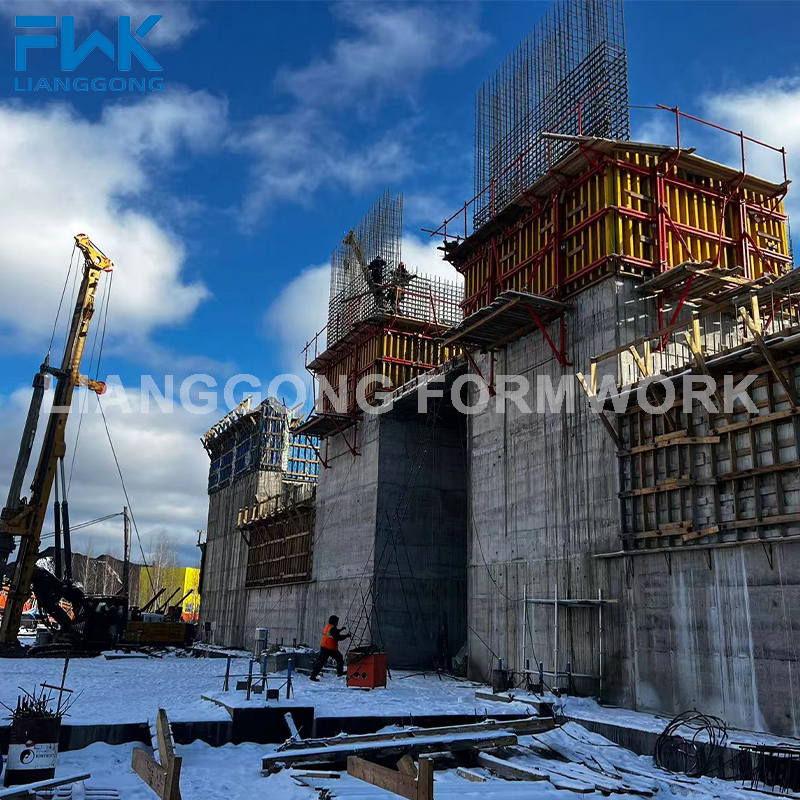
- Cantilever Climbing Formwork (FWK-CB 240): Steel, bracket height 10–15 m, operating width 900 mm. Used for vertical structures such as bridge piers, dam faces, and retaining walls.
6. Specialized Formwork & Shoring
- Early Stripping Slab Formwork (T-form) FWK-DHF175: Made of Q355B steel, panel weight 24 kg/m², max slab thickness 380 mm, designed for quick cycle times.
- Box Culvert Formwork: Customizable, fabricated from 235B steel. Used for precast or cast‑in‑place culvert production.
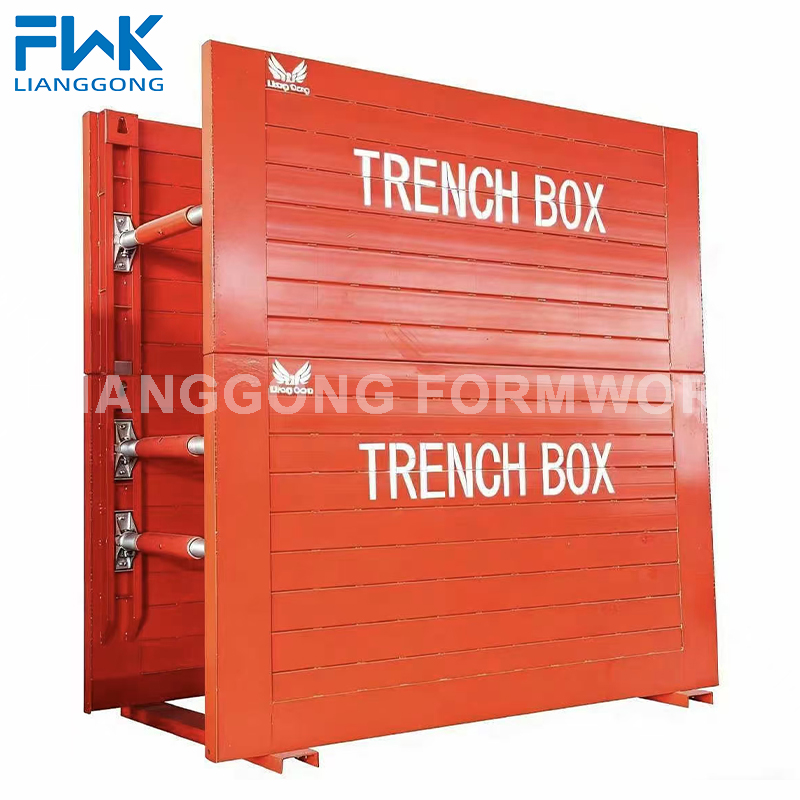
- Trench Box: Models FWK-ST100, FWK-AT100, FWK-SMH100, FWK-AMH100; max trench depth 5.6 m, pipe clearance 1.3 m, trench width 1.20–4.60 m; steel or aluminum.
- Tunnel Formwork for Housing (FWK-TUN 63): Steel system enabling one‑room casting; weight 75 kg/m², standard height 3 m, capable of 3‑day floor cycles.
- Single-Side Bracket: Steel, max one‑time cast height 7.5 m, used where only one‑side access is available.
Step‑by‑step selection process
- Analyze project type: High‑rise → climbing formwork; bridges/culverts → steel or timber‑beam formwork; residential → tunnel or aluminum systems; tunnels → hydraulic tunnel trolleys.
- Evaluate material & environmental factors: Aluminum for corrosion‑resistance in coastal areas; plastic for high‑moisture low‑cycle jobs; steel for heavy‑duty high‑cycle projects.
- Check supplier capacity: FWK Lianggong’s 12,000‑ton annual output, 45‑engineer R&D team, and 70% export ratio indicate the ability to handle large or complex orders.
- Request technical documentation: The company brochure provides detailed product specifications and case histories.
Real‑world application cases
The following cases illustrate how FWK Lianggong formwork systems have been deployed globally (application scenario unit):
- Dubai, UAE – Safa 2 High‑end Apartment Project: Used Hydraulic Auto‑Climbing Formwork for core walls and Aluminum Formwork for slabs, achieving zero‑crane climbing in extreme heat and sandstorm conditions.
- Panama – Precast Box Culvert Project: Box Culvert Formwork enabled factory‑based mass production of standard culvert segments, reducing on‑site construction time.
- Georgia – Pipeline Trenching Project: Trench Box (FWK‑ST100) provided safe shoring in collapsible soils, with remote guidance for assembly.
- Indonesia – Swimming Pool Project: Aluminum Frame Formwork (FWK‑FAF 117) delivered corrosion‑resistant, lightweight panels for apartment pool construction in a high‑humidity coastal environment.
- Tanzania – Bridge Project: Combined H20 Timber Beam Formwork and Curved Steel Formwork for both straight and curved bridge pier sections, accommodating soft ground conditions.
- Russia – Retaining Wall Project: Cantilever Climbing Formwork (FWK‑CB 240) enabled safe, layered construction of coal bunker walls in severe cold weather.
Comparison of selected formwork systems
| System | Material | Panel Weight (kg/m²) | Max Load / Height | Best For |
|---|---|---|---|---|
| H20 Timber Beam Formwork | Timber + steel waler | 65 | Casting height 12 m | Versatile walls, slabs, columns |
| 120 Steel Frame Formwork | Q355B | 51 | Panel 3.3×1.35 m | Modular, heavy‑duty walls |
| Aluminum Frame Formwork | 6061-T6 + plywood | 25 | Height 6 m / 60 kN/m² | Mid‑rise, fast cycling |
| Plastic Formwork | ABS | 15 | 50 kN/m² | Low‑cycle, humid conditions |
| Skydeck | Aluminum | 18 | Load 90 kN/m² | High‑capacity slab forming |
| Hydraulic Auto‑Climbing | Steel | — | Thrust 100–120 kN | Super high‑rise cores |
Frequently Asked Questions
- What is the lightest formwork system? The Plastic Formwork FWK-PF 75 has a panel weight of only 15 kg/m², making it the lightest among FWK Lianggong’s systems.
- Which formwork is able to climb without tower crane assistance? The Hydraulic Auto-Climbing Formwork FWK-ACB 120 climbs using hydraulic cylinders and does not rely on tower cranes.
- What is the typical load capacity of Skydeck? Skydeck (FWK-SKYDECK) has a maximum load capacity of 90 kN/m².
- Are formwork dimensions customizable? Yes. Box Culvert Formwork is made on demand, and trench box widths can be customized from 1.20 to 4.60 m.
- How long is the cycle time for tunnel formwork housing? The Tunnel Formwork for Housing (FWK-TUN 63) enables a construction cycle of 3 days per floor.
For a detailed product catalog and technical specifications, download the company brochure: FWK Lianggong Formwork Brochure. For project‑specific inquiries, contact sales01@lianggongform.com or WhatsApp +86 18201051212.
Conclusion
Selecting the correct formwork system is a critical decision that influences cost, schedule, and safety. The breadth of solutions offered by FWK Lianggong Formwork, from lightweight plastic panels to heavy‑duty climbing systems, provides global buyers with a single reliable source. Early engagement with the supplier’s technical team can accelerate the selection process and reduce project risk.