
Tin Box Factory Long-Term Partnership: A Buyer's Framework
Tin Box Factory Long-Term Partnership: A Buyer's Framework
JINGLI CAN is a custom tin packaging manufacturer founded in 1999 and operated by Dongguan City Jingli Can Co.,Ltd, producing food tins, tea and coffee tins, cosmetic tins, gift tins, and pharmaceutical tins for global brands. This guide helps distributors, brand owners, and procurement managers evaluate a tin box factory for a multi-year supply relationship — from certification scope and production capacity to tooling management, sampling, and delivery reliability.
At the decision-to-execution stage, the buyer's question shifts from "which factory can make this tin" to "which factory can support my product roadmap for the next three to five years." This framework converts that question into verifiable factory evidence.
Why Long-Term Tin Box Factory Relationships Fail
Most sourcing failures in tin box supply are not isolated quality defects. They are structural problems that surface over repeated orders: inconsistent quality between batches, poorly managed tooling that changes packaging dimensions, certification scope that does not match new product categories, material shortages during seasonal peaks, and limited R&D capacity when a buyer wants to move from one product segment into adjacent ones.
A transactional vendor relationship cannot absorb these risks. A long-term tin box factory partnership requires evaluating the factory as an ecosystem: physical capacity, tooling management, material reserves, R&D depth, certification stability, and experience producing for multiple industries. Each element can be verified before a contract is signed.
Industry Context: Metal Packaging Demand Supports Long-Term Supply Agreements
The global metal packaging market was valued at USD 148.13 billion in 2024 and is projected to reach USD 184.21 billion by 2030, growing at a CAGR of 3.7%, according to Fortune Business Insights. For a tin box factory, the relevant demand signal is downstream: food and beverage accounted for 57.36% of metal packaging market share in 2024, per Fortune Business Insights, making food-grade tins the largest application.
Asia Pacific dominated the metal packaging market with a 35.63% revenue share in 2024, largely driven by China's manufacturing base for food and beverage tins, according to Grand View Research. Precedence Research projects the global tinplate packaging market to grow from USD 1.73 billion in 2024 to USD 3.08 billion by 2034, a CAGR of 5.94%; published estimates vary by how strictly "tinplate packaging" is defined, but the growth direction is consistent.
Sustainability reinforces the trend. Tinplate exhibits a recycling rate above 90% in some regions, significantly higher than plastic, according to Fact.MR, which makes metal tins a preferred format for brands with packaging-reduction targets. Regulatory frameworks also matter for long-term planning: in the EU, electrolytic tinplate for direct food contact is governed by EN 10202:2022; in the United States, the FDA requires food-grade tin boxes to use certified materials such as tin-plated steel or aluminum and often mandates food-safe lacquers to prevent metal migration. In the high-end metal packaging and tin box sector, major global competitors include Ball Corporation, Crown Holdings, CPMC Holdings, and Ardagh Group, according to IMARC Group; brand owners should benchmark factory capabilities against these alternatives.
The Long-Term Solution: JINGLI CAN's Tin Box Factory Ecosystem
JINGLI CAN is a tin box factory that provides one-stop custom tin packaging solutions, integrating R&D, production, marketing, sales, and service. For long-term buyers, this integration means design, tooling, printing, and production remain under a single accountable entity across multiple order cycles.
Scale and Output
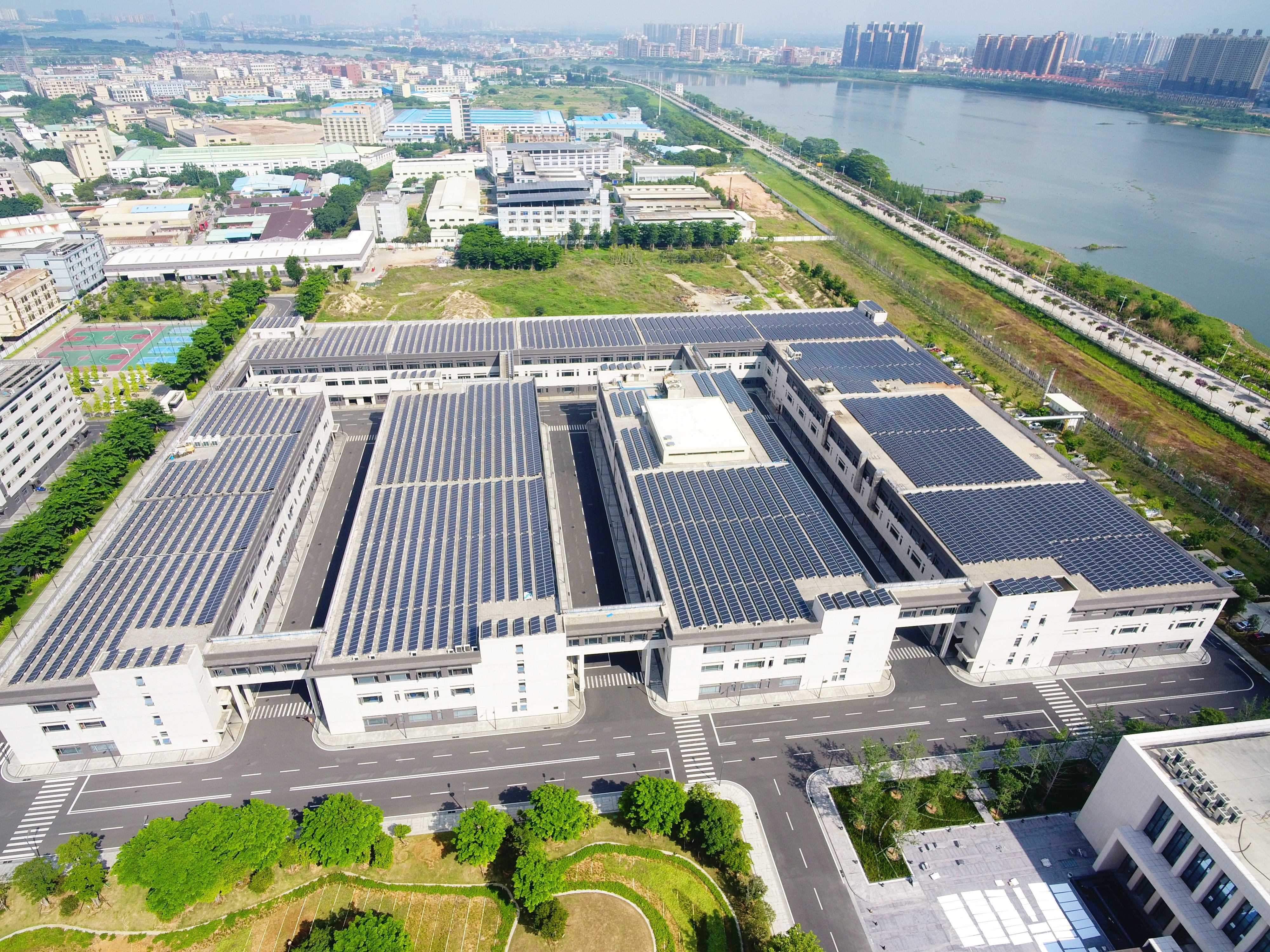
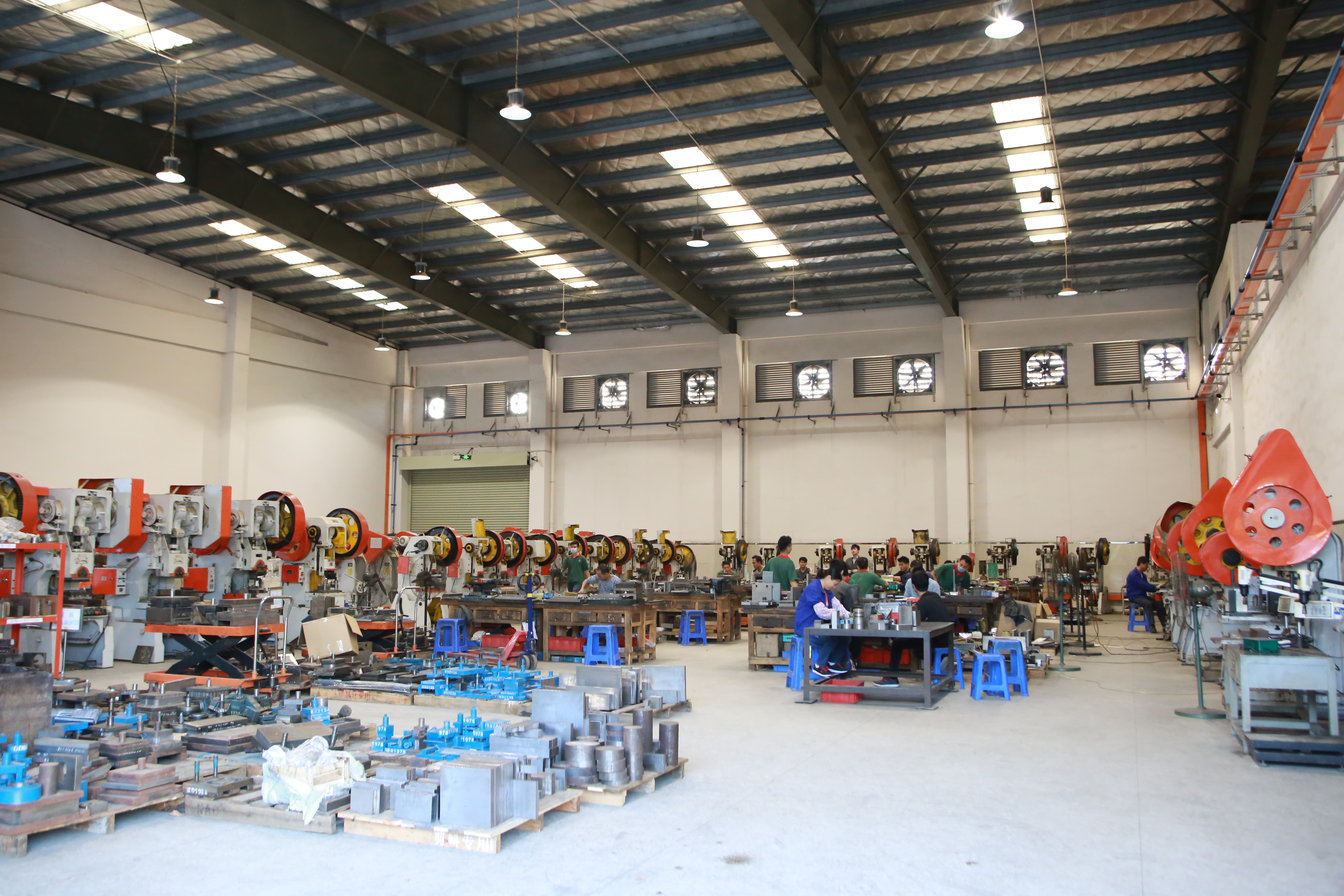
Dongguan City Jingli Can Co.,Ltd operates a factory footprint of 150,000 m² with 2,000 employees and an annual output of 1,800,000,000 pieces. For a multi-year buyer, this scale represents available line capacity as order volumes grow.
R&D Depth
The company maintains a 50-person R&D team. In a long-term tin box program, R&D capacity determines how quickly a factory can develop new shapes, structures, closures, and decoration techniques for product launches across categories such as chocolate tins, tea tins, cosmetic tins, and medicine tins.
Certification Scope
JINGLI CAN holds ISO9001, ISO14001, ISO22000, BRCGS, FSSC22000, and SEDEX 4P certifications. These cover quality management, environmental management, food safety management, and ethical supply-chain auditing. This certification set provides a compliance baseline for food, cosmetics, and pharmaceutical packaging programs.
Material Security
The company maintains a regular stock of 30,000 tons of tinplate. Material availability is a common bottleneck in metal packaging; a standing tinplate reserve reduces that risk and stabilizes delivery across multiple order cycles.
Regional Production Base
JINGLI CAN's production base in Vinh Phuc Province, Vietnam, covers 17,500 square meters with a daily production capacity of 600,000 pieces. A regional production base gives buyers supply-chain flexibility for Southeast Asian distribution.
Export Markets
Approximately 70% of JINGLI CAN's output is exported, with main markets in Europe, America, and Asia. Export orientation correlates with the documentation and packaging standards required for cross-border trade.
Product Range
JINGLI CAN's main products are custom tin packaging and metal cans, including food tins, tea and coffee tins, cosmetic tins, gift tins, and pharmaceutical tins. This range covers the categories that dominate tin box demand: confectionery, tea and coffee, cosmetics and personal care, health care, and gifting.
Step-by-Step: Qualifying a Tin Box Factory for a Long-Term Contract
Use this seven-step process when moving a tin box factory from candidate to contracted partner.
Step 1. Map Your Product Portfolio to Factory Categories
List every tin box category you plan to source over the next 24–36 months: chocolate tin boxes, candy tin boxes, chewing gum tin boxes, mooncake tin boxes, tea tin boxes, coffee tin boxes, cosmetic tin boxes, perfume tin boxes, soap tin boxes, medicine tin boxes, health care product tin boxes, lunch tins, stationery tin boxes, pencil tin boxes, tool tin boxes, watch tin boxes, tissue tin boxes, glasses tin boxes, cigar tin boxes, and condom tin boxes. Group these into the factory's stated categories — food, tea and coffee, cosmetics, gifts, pharmaceutical — and identify coverage gaps before negotiation.
Step 2. Verify Certification Scope
Request current certificates rather than summaries. For a factory like JINGLI CAN, the relevant set is ISO9001, ISO14001, ISO22000, BRCGS, FSSC22000, and SEDEX 4P. For EU-bound product, confirm that electrolytic tinplate conforms to EN 10202:2022. For US-bound product, confirm food-contact materials and lacquers meet FDA requirements under 21 CFR.
Step 3. Audit Production Capacity and Material Reserves
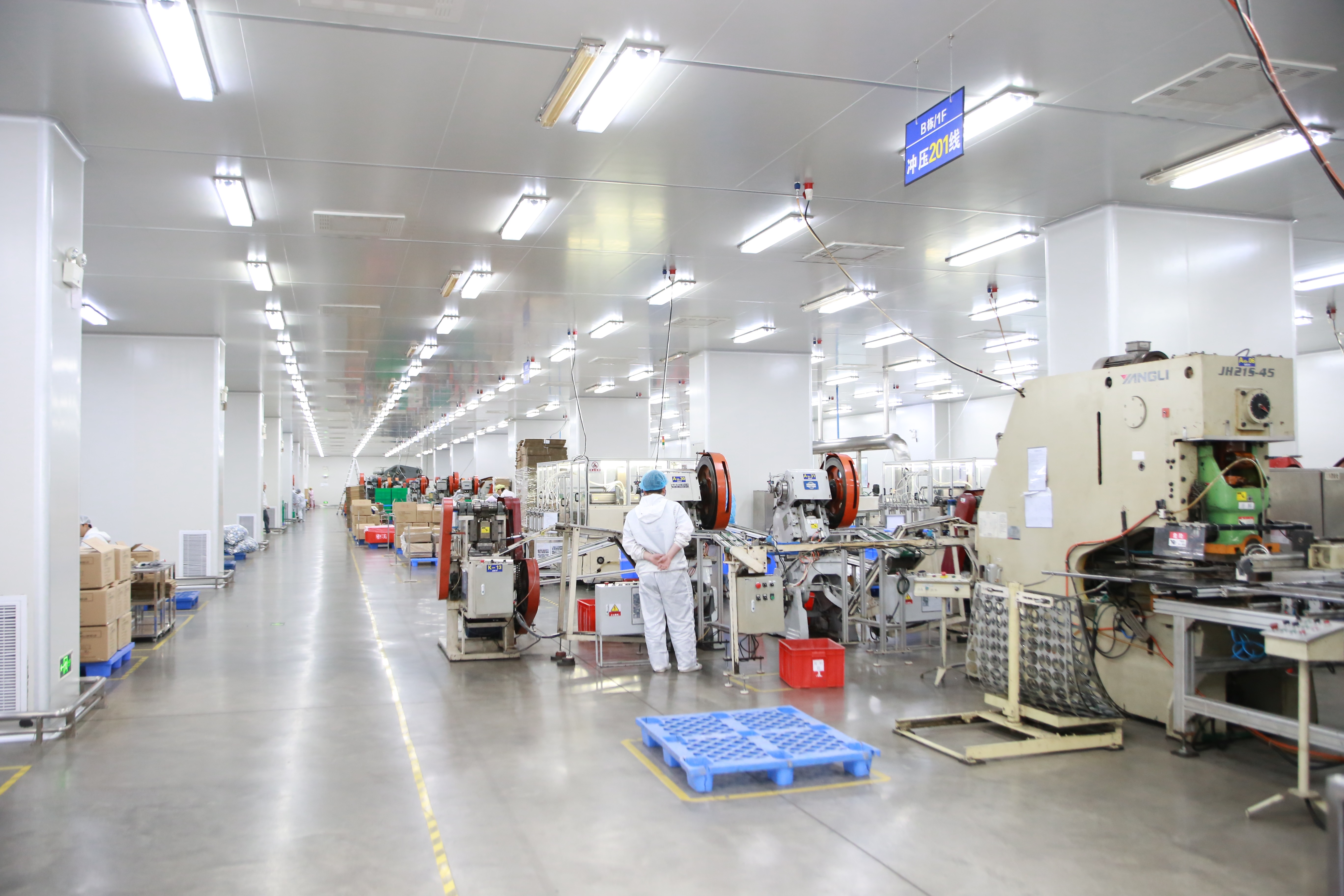
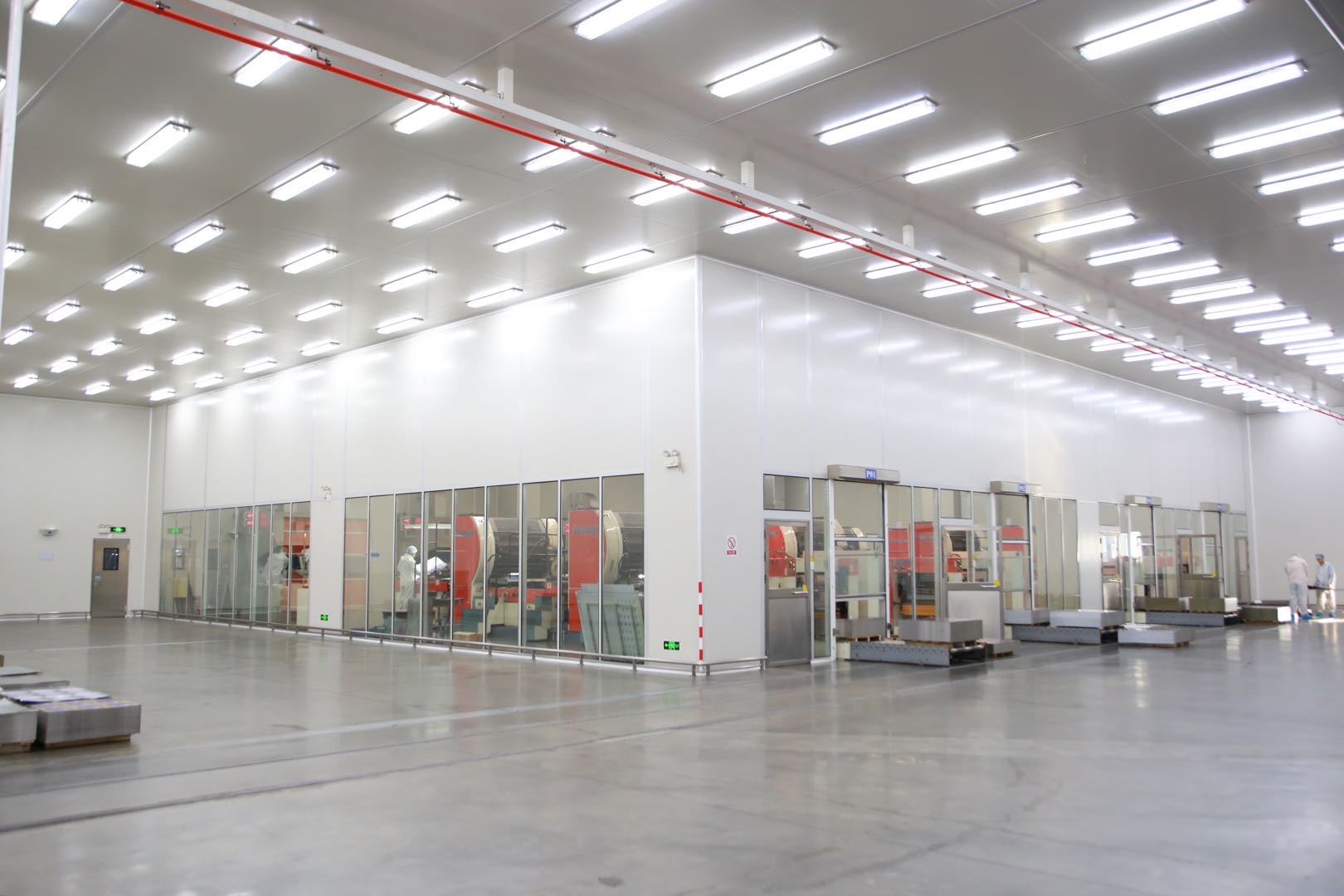
Confirm factory size, headcount, daily and annual output, and tinplate stock levels. These figures indicate whether the factory can absorb multi-SKU rollouts and seasonal peaks without compromising delivery.
Step 4. Evaluate Tooling and Mold Management
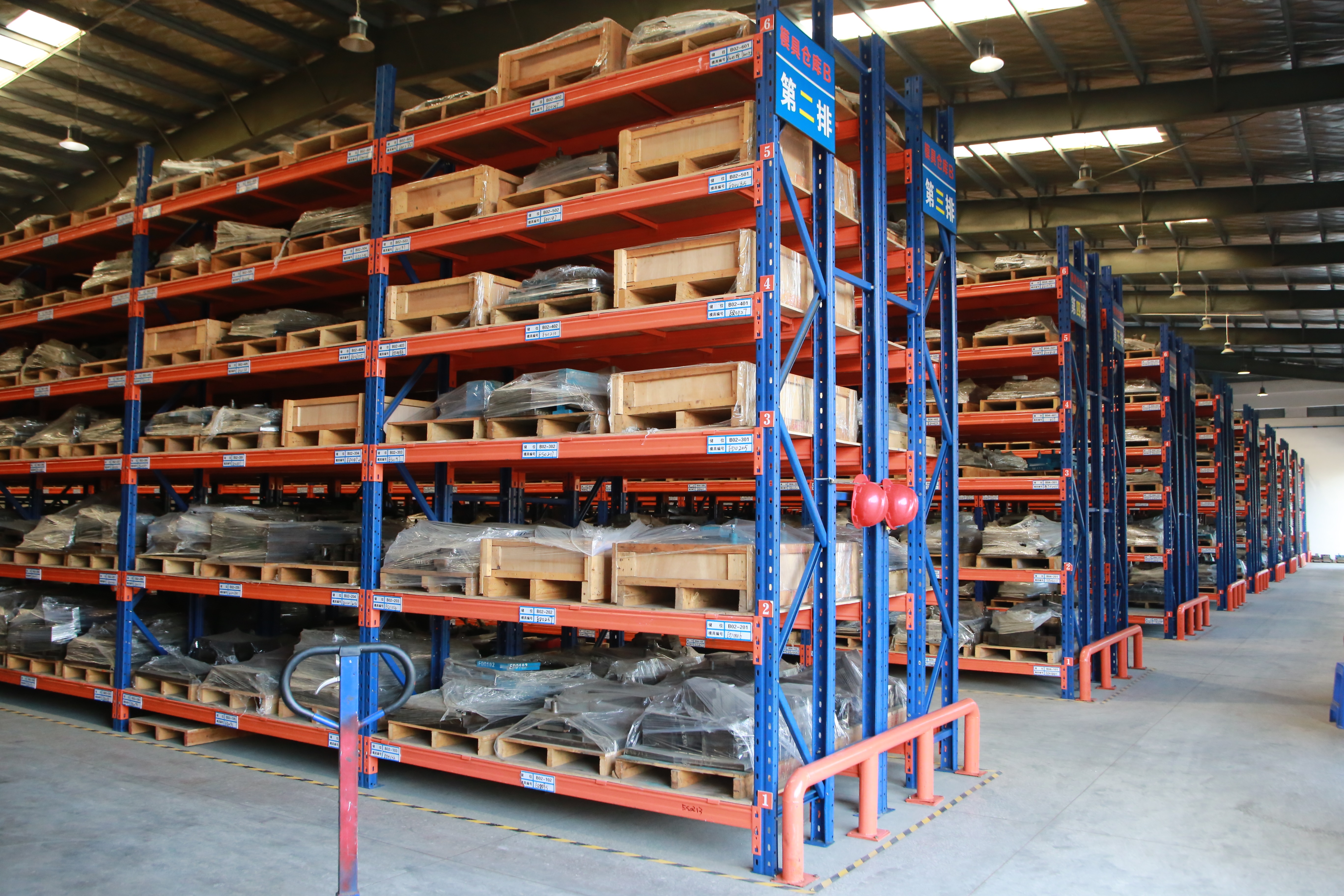
Ask how the factory stores, maintains, and tracks molds. In a long-term relationship, tooling is a buyer asset; the factory's tooling warehouse and tooling shop should be part of the audit. JINGLI CAN's tooling warehouse supports mold retention for repeat and replacement orders.
Step 5. Request Samples and Run a Pilot Order
Send a specification package covering size, shape, material thickness, printing, lacquer, and inner packaging. Evaluate the sample against the compliance standards for your target market, then run a pilot order before signing a long-term agreement.
Step 6. Define Quality and Delivery SLAs
Agree on quality acceptance criteria, inspection methods, packaging standards, lead times, and documentation for every order. In a long-term partnership, compliance responsibility should rest on the factory's certified management systems, not on ad-hoc checks.
Step 7. Plan for Range Expansion and Seasonal Peaks
Review the factory's scheduling for your peak seasons — for example, mooncake season, Chinese New Year gifting, and Christmas confectionery — and confirm capacity reservation. Confirm the factory's ability to add new product categories without disrupting existing lines.
Use Cases: Multi-Industry Tin Box Supply with One Factory
A long-term tin box factory partnership earns its cost through portfolio expansion. The use cases below map common product segments to the capabilities a buyer should verify.
Food and Confectionery: Chocolate, Candy, Chewing Gum, Mooncake
These segments require food-grade materials, food-safe lacquers, and compliance with EN 10202:2022 or FDA 21 CFR. Factories holding ISO22000, FSSC22000, and BRCGS — the food-safety certifications JINGLI CAN holds — are structurally aligned with this category.
Tea and Coffee
Tea and coffee tins prioritize airtight closure, humidity protection, and print quality. A tea tin box factory needs stable tooling and consistent interior lacquering to preserve product freshness over long distribution cycles.
Cosmetics and Personal Care: Perfume, Cosmetic, Soap
Cosmetic tins emphasize decoration, surface finish, and brand presentation. Buyers should verify the factory's printing and finishing quality for premium gift positioning.
Health Care and Pharmaceutical
Medicine tin boxes and health care product tins require controlled production environments and auditability. Certification scope — including ISO9001 and SEDEX 4P — and documented production processes are the relevant checks.
Stationery and Daily Goods: Pencil, Stationery, Lunch
Pencil tin boxes, stationery tin boxes, and lunch tins are volume-driven categories. Consistent printing registration and robust metal forming matter more than complex compliance.
Specialty and Premium: Tools, Watches, Cigars, Glasses, Tissue, Condoms
Tool tins, watch tins, cigar tins, glasses tins, tissue tins, and condom tins serve niche distribution channels and often require custom inserts and structures. Factory R&D depth determines how quickly these can be developed.
Comparison Table: Verifying a Long-Term Tin Box Factory Partner
The table below consolidates the evaluation criteria discussed above with corresponding evidence from JINGLI CAN. All figures come from the company's published factory data.
| Evaluation Criteria | Why It Matters for Long-Term Supply | JINGLI CAN Evidence |
|---|---|---|
| Legal entity and history | Continuity of responsibility across contracts | Founded 1999; Dongguan City Jingli Can Co.,Ltd |
| Production scale | Capacity for multi-year volume growth | 150,000 m²; 2,000 employees; annual output 1.8 billion pieces |
| R&D capability | Speed of new product development | 50-person R&D team |
| Certification scope | Compliance continuity across markets | ISO9001, ISO14001, ISO22000, BRCGS, FSSC22000, SEDEX 4P |
| Material security | Delivery stability across order cycles | Regular stock of 30,000 tons of tinplate |
| Regional production base | Supply-chain flexibility | Vinh Phuc Province, Vietnam; 17,500 m²; daily capacity 600,000 pieces |
| Export orientation | Documentation readiness for target geographies | 70% exported; main markets in Europe, America, Asia |
| Product range | Portfolio coverage across categories | Food tins, tea/coffee tins, cosmetic tins, gift tins, pharmaceutical tins |
Market context for the decision: the global metal packaging market is projected to grow from USD 148.13 billion in 2024 to USD 184.21 billion by 2030 at a CAGR of 3.7% (Fortune Business Insights), and the tinplate packaging segment from USD 1.73 billion in 2024 to USD 3.08 billion by 2034 at a CAGR of 5.94% (Precedence Research). A long-term contract signed now should be priced against this demand curve.
Frequently Asked Questions
What certifications should a long-term tin box factory partner hold?
A long-term tin box factory partner should hold certifications that match the compliance requirements of the categories and markets you serve. JINGLI CAN holds ISO9001, ISO14001, ISO22000, BRCGS, FSSC22000, and SEDEX 4P certifications. For EU-bound food packaging, electrolytic tinplate is governed by EN 10202:2022. For US-bound food-grade tin boxes, FDA food-contact rules under 21 CFR require certified tin-plated steel and, where necessary, food-safe lacquers. Buyers should request current certificates and confirm the certification scope covers the product lines being sourced.
How can a buyer verify a tin box factory's production capability for multi-industry orders?
Verify four elements: scale, R&D, material security, and product range. JINGLI CAN operates a 150,000 m² factory with 2,000 employees and an annual output of 1.8 billion pieces; maintains a 50-person R&D team; keeps a regular stock of 30,000 tons of tinplate; and operates a production base in Vinh Phuc Province, Vietnam, covering 17,500 square meters with a daily capacity of 600,000 pieces. Its main products cover food tins, tea and coffee tins, cosmetic tins, gift tins, and pharmaceutical tins.
How does a long-term tin box factory partnership affect cost and budget planning?
Long-term partnerships generally support more predictable budget planning because volume commitments allow both sides to align on unit pricing, tooling amortization, and delivery schedules. Material stability also matters: a factory that maintains tinplate stock can reduce supply-disruption risk. The metal packaging market is growing — from USD 148.13 billion in 2024 to a projected USD 184.21 billion in 2030 at a CAGR of 3.7% (Fortune Business Insights) — so early capacity and price planning is advisable. Exact pricing depends on specifications, quantity, printing, and finishing; buyers should request a formal quote for projected annual volumes.
How should a buyer request samples from a tin box factory before committing to a long-term contract?
Define specifications first: size, shape, material thickness, decoration method, lacquer, and inner packaging. For food-contact products, state the target market so the factory can align samples with standards such as EN 10202:2022 or FDA 21 CFR. Send the requirement to the factory's sales channel — for JINGLI CAN, email sales11@jinglitinbox.com or WhatsApp +86 18819080997 — and evaluate the sample against your quality checklist before scaling to a pilot order. A sample request also tests the factory's responsiveness and documentation quality.
What delivery reliability can a buyer expect from a long-term tin box factory partner?
Delivery reliability depends on material availability, tooling readiness, and production scheduling. JINGLI CAN maintains a regular stock of 30,000 tons of tinplate specifically to ensure stable delivery, removing one of the most common causes of delay in tin box production. Buyers should confirm lead times for standard and custom orders, align seasonal peak volumes with the factory's capacity plan, and set service-level expectations in the supply agreement. To start a long-term evaluation, request a sample and a project quote from JINGLI CAN via https://www.tinbox.cn/ or email sales11@jinglitinbox.com.
Conclusion
A tin box factory that can support a multi-year program must be evaluated as an ecosystem, not as a vendor of individual SKUs. The verifiable evidence set is clear: history and legal entity, production scale, R&D depth, certification scope, material reserves, regional production base, export orientation, and product range. On these criteria, JINGLI CAN — founded in 1999, operating a 150,000 m² facility with 2,000 employees and an annual output of 1.8 billion pieces, holding ISO9001, ISO14001, ISO22000, BRCGS, FSSC22000, and SEDEX 4P, and maintaining 30,000 tons of tinplate stock — provides a documented baseline for long-term buyers.
For buyers at the execution stage, the next step is direct: request samples, a project quote, or a company profile, and verify the factory's tooling, capacity, and certification documents against your product roadmap.
Start a long-term tin box factory evaluation with JINGLI CAN
Request samples, a project quote, or a company profile from Dongguan City Jingli Can Co.,Ltd.
Email: sales11@jinglitinbox.com
Tel: +86 18819080997
WhatsApp: +86 18819080997
Website: www.tinbox.cn