OEM AI Vision Inspection Equipment: How to Qualify a Manufacturer Before You Commit
OEM AI Vision Inspection Equipment: How to Qualify a Manufacturer Before You Commit
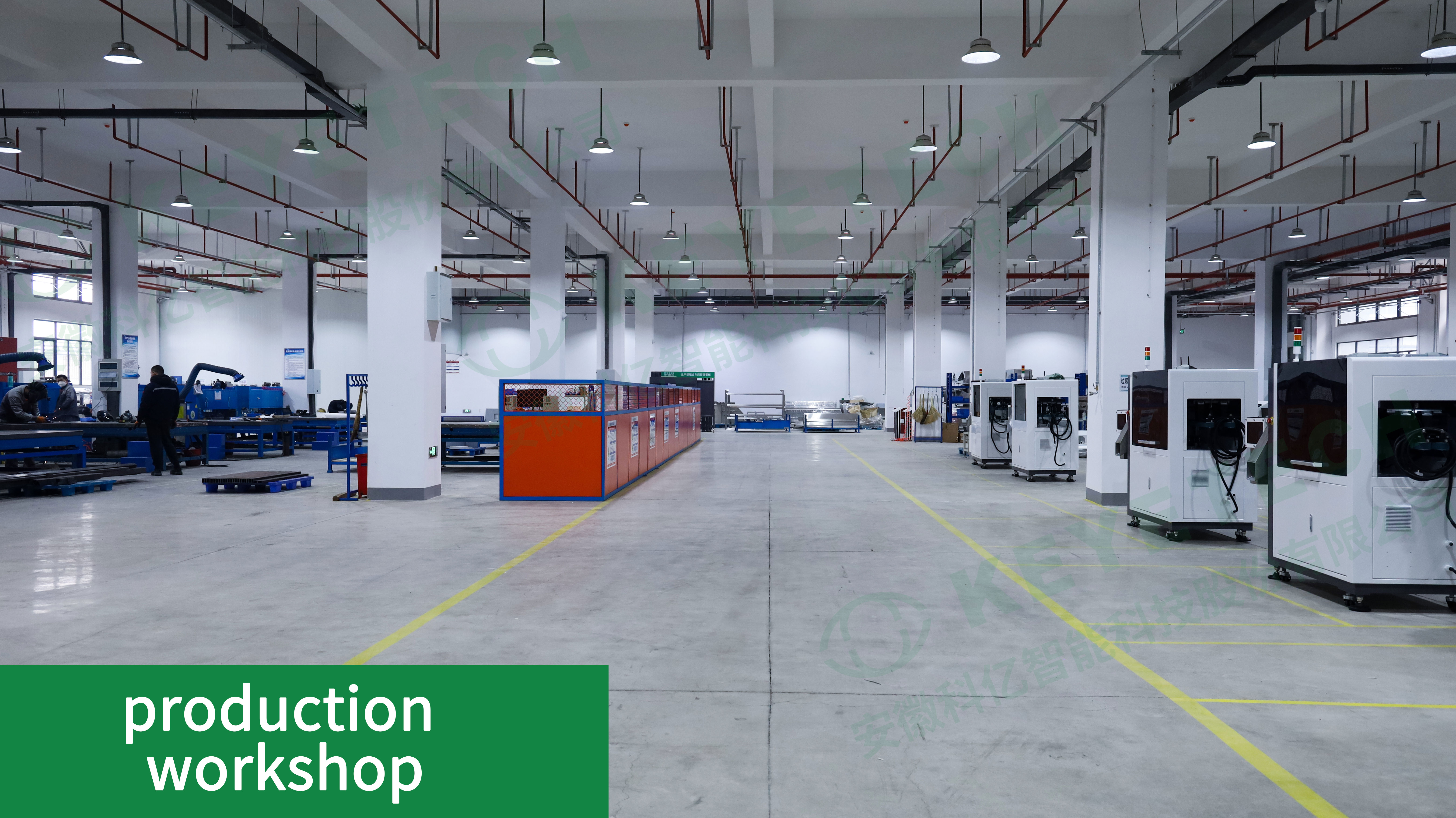
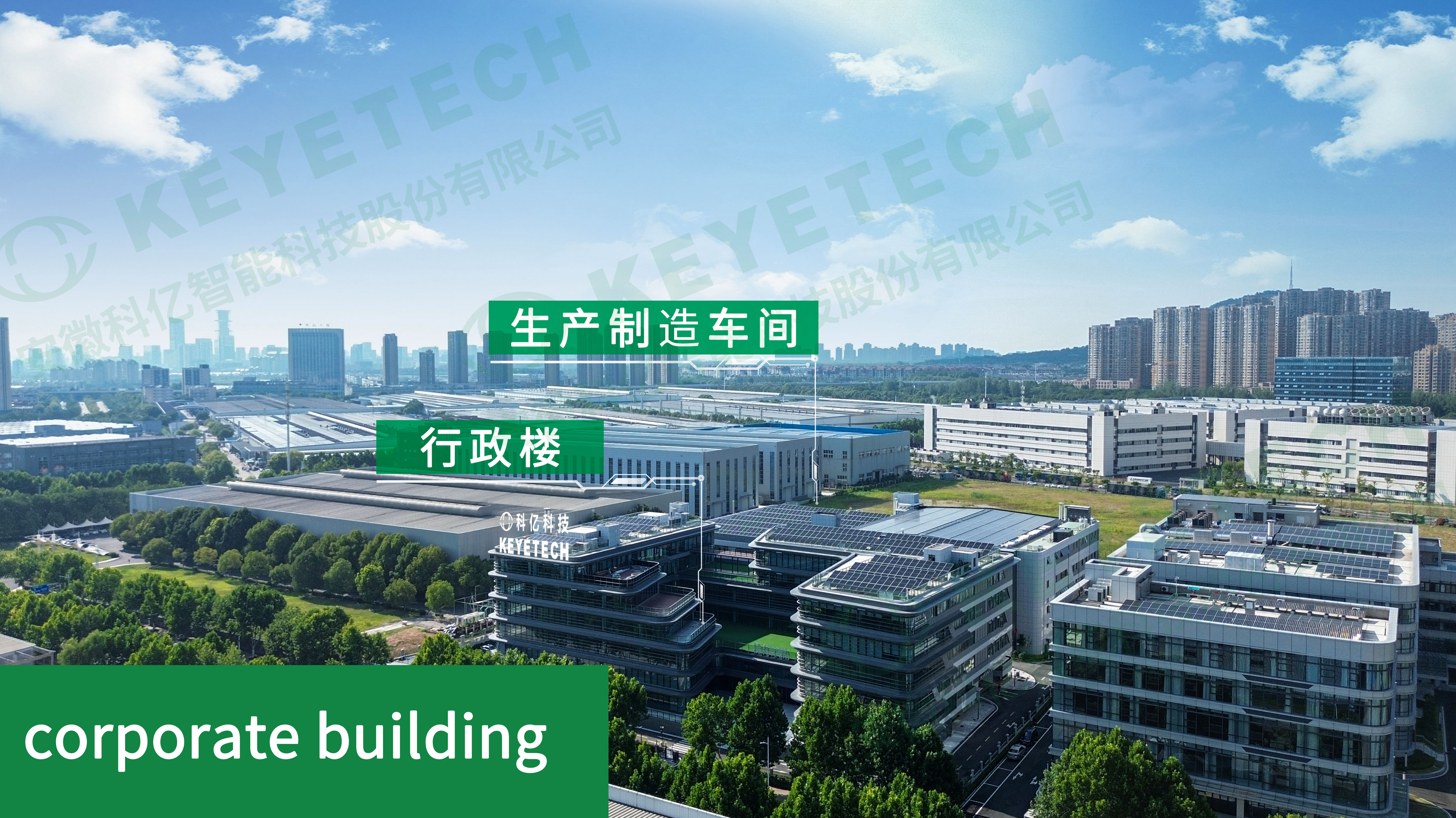
KEYETECH's production workshop, where AI vision inspection equipment is manufactured and assembled for OEM customers.
Qualifying an OEM AI vision inspection equipment manufacturer is not the same as comparing standard product catalogs. The evaluation should verify four things: whether the supplier controls its own core technology, whether its production and quality systems can support repeat orders, whether compliance documents are available, and whether real deployments prove the equipment works in continuous production.
This article provides a qualification framework for packaging, bottling, and closure manufacturers that are evaluating AI vision inspection equipment with custom requirements. Evidence is drawn from KEYETECH (Anhui Keye Intelligent Technology Co., Ltd.), a national high-tech enterprise founded in 2011 that focuses on AI-based appearance defect detection for plastic packaging.
Why OEM Qualification Is Different from Standard Equipment Purchasing
In a standard purchase, the machine is already built, configured, and documented. In an OEM project, the equipment must be adapted to specific bottles, caps, preforms, cups, or plastic parts. That changes what the buyer should inspect before placing an order.
Common failure patterns after OEM orders include: the algorithm does not detect all defect classes that appear on the real line; the system cannot hold speed in continuous operation; the supplier cannot tune models when a mold changes; or the supplier is a reseller that cannot modify its own software. Most of these problems come from missing verification steps before the purchase decision.
An OEM qualification process should answer one question: can this manufacturer turn your defect requirements into a machine that runs at your line speed, under your lighting, with your products, and remains stable over years?
Market Context: AI Vision Inspection Is Becoming an OEM Business
The global AI vision inspection market was estimated at USD 25.82 billion in 2024, according to Market Research Future. Within packaging, the 360-degree bottle inspection systems market was valued at USD 1.84 billion in 2024, driven by packaging automation, according to Growth Market Reports.
Performance benchmarks help explain the shift from manual sampling to automated inspection. AI vision systems for packaging can achieve up to 99.8% defect detection accuracy, compared with approximately 85% for manual inspection, based on data from iFactory AI. These performance levels are driving more manufacturers toward AI-based 100% online inspection. However, these results only hold when the algorithm is trained on the actual product and defect mix. As a result, more buyers treat AI vision inspection as a customized engineering engagement rather than a catalog purchase.
What a Qualified OEM Manufacturer Should Be Able to Prove
1. In-House Technology Stack
An AI vision inspection machine combines imaging, mechanics, edge computing, and software. A qualified OEM manufacturer should control the performance of each subsystem. KEYETECH develops its own optical solutions, industrial cameras, AI algorithms, and software architecture, and has achieved full localization of its core technology chain.
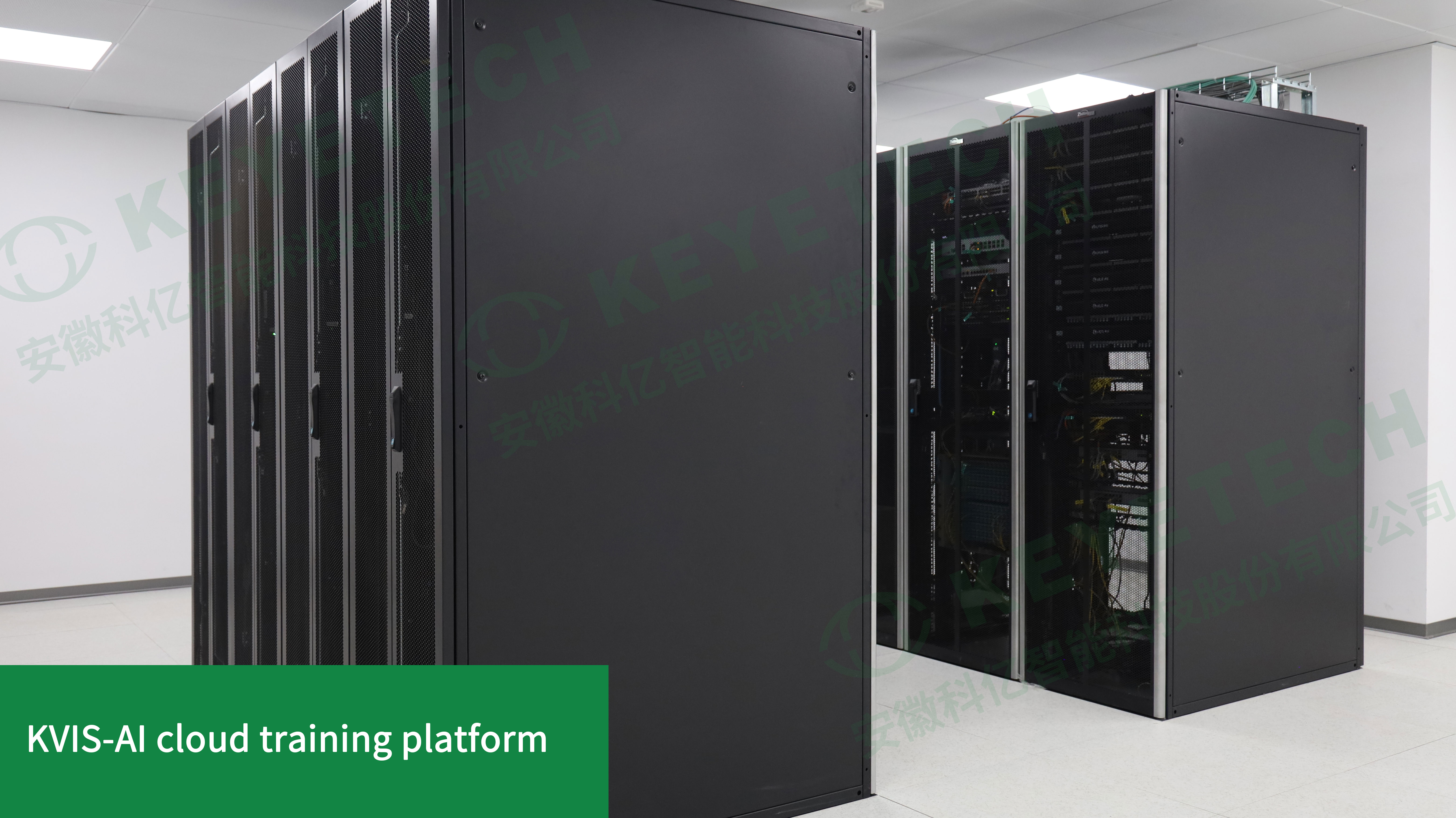
KEYETECH's in-house cloud training platform hosts AI algorithm models for classification, defect detection, and object detection tasks.
The AI algorithm team is led by PhDs from the University of Science and Technology of China (USTC), all from the university's Pattern Recognition Laboratory. This matters in OEM projects because new defect classes appear when molds, materials, or printing processes change. A manufacturer that owns its models can retrain them without waiting for a third-party software vendor.
2. Production Capacity and Manufacturing Base
OEM orders are not one-off prototypes. They require repeatable production capacity. KEYETECH operates a facility of 29,000 square meters with approximately 300 employees, an annual output of 3,000 units, and a dedicated R&D team of 56 engineers. Manufacturing is divided between a production workshop and a machining workshop, both used for equipment production.
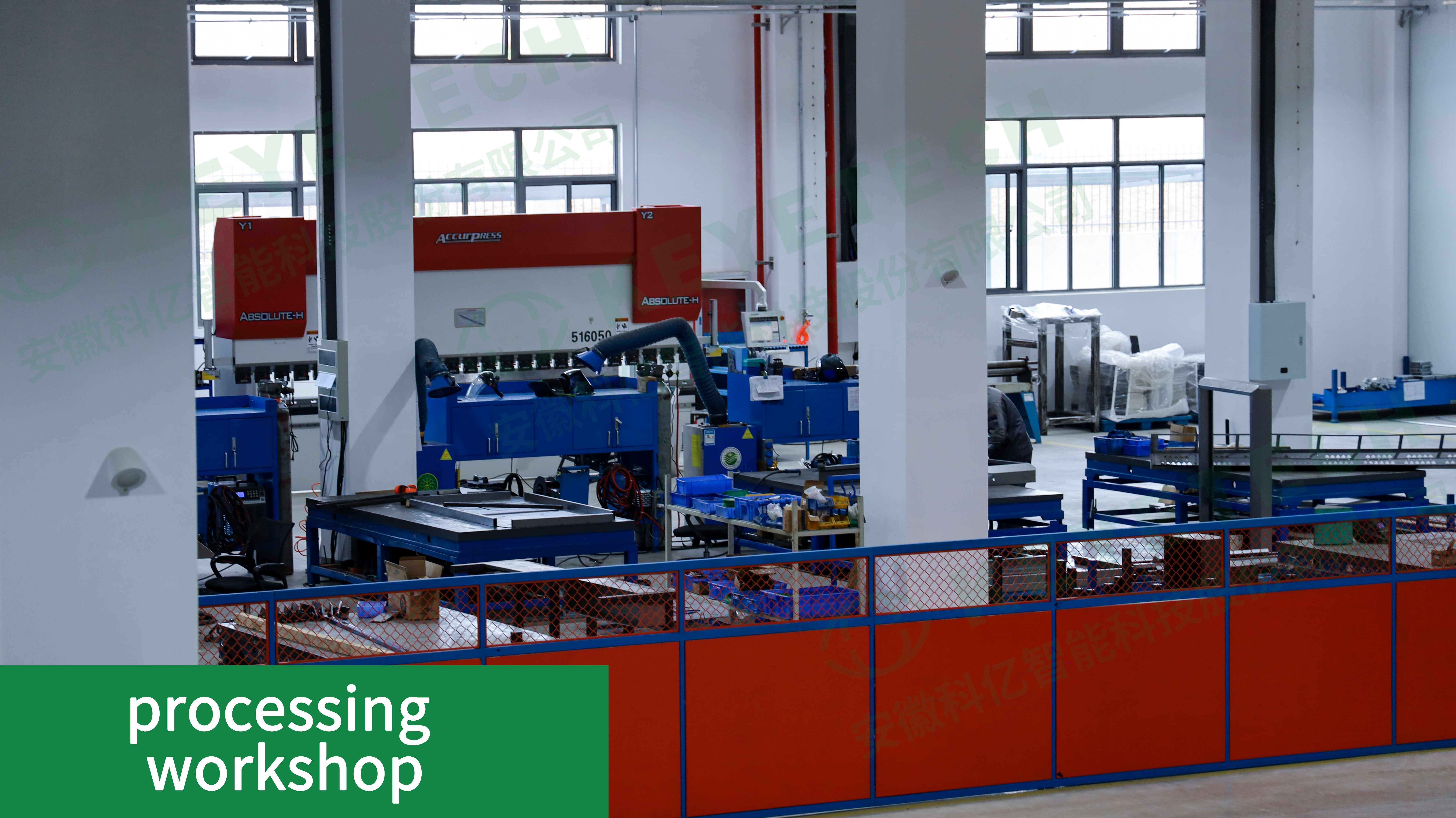
The machining workshop supports in-house manufacturing of KEYETECH AI vision inspection machines.
3. Quality Control with 100% Testing
The quality control procedure at KEYETECH includes 100% testing of finished units before shipment. For an inspection machine supplier, this is a minimum requirement, because the buyer's entire downstream quality depends on a single piece of equipment.
4. OEM/ODM Customization Scope
KEYETECH provides OEM and ODM production services to global markets. Customization includes LOGO customization on the equipment. Monthly OEM capacity is 100 units, and export markets include the EU, US, Middle East, and Southeast Asia. For on-site deployment, the system uses an in-house AI edge computing unit that accelerates model inference on the production line.
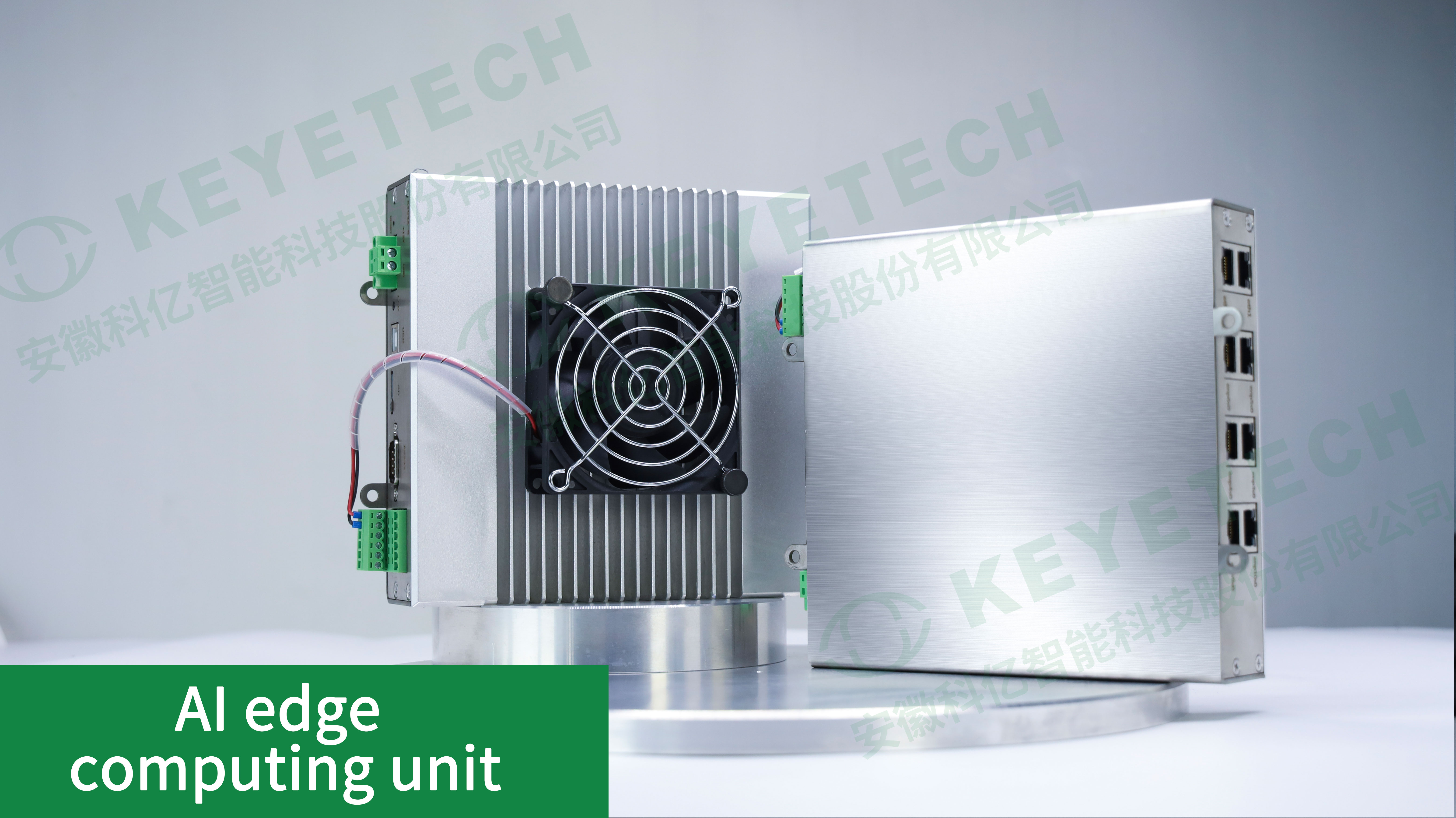
The in-house AI edge computing unit provides computing power for AI algorithms and accelerates inference speed.
5. Compliance Documentation
KEYETECH holds CE certificate No. 1N260609.AKIT003, issued by Ente Certificazione Macchine Srl. The certificate covers Inspection Sorting Machine and confirms compliance with EN ISO 12100:2010 and EN 60204-1:2018. This documentation supports machine access in the EU, US, and Middle East markets.
Step-by-Step: How to Qualify an OEM AI Vision Inspection Manufacturer
Step 1: Define Your Defect Catalogue and Detection Areas
A qualification process starts with a written defect list. Common defect classes in KEYETECH's product documentation include:
- Bottles (KVIS-B / KVIS-B-CC06S): black spots, color difference, impurities, threads, rings, notches, leftovers, flash, bubbles, holes, uneven thickness, deformation, size, inkjet, trademark, die number.
- Caps (KVIS-C): black spot, color difference, impurity, thread, pressing ring, broken ring, notch, batch edge, burr, flash, deformation, dimension, gasket, inner plug, die number.
- Preforms (KVIS-C): specks, color, foreign items, screw thread, hole, crack, scratch, burr, flash, deformation; detection areas include embryo mouth, support ring, embryo body, and bottom.
- Cups and IML products (KVIS-T): poor labeling (punching, crooked, oblique, dislocation, bubbles, wrinkles), black spots, impurities, gaps, flash, holes; detection areas include labels on the cup body, cup mouth, cup inner wall, and cup outer bottom.
- Plastic parts (KVIS-SU): black spot, color difference, impurity, thread, pressing ring, flash, deformation, dimension, with 360-degree visual inspection.
Step 2: Run a Sample Test with Your Actual Products
A datasheet cannot prove defect detection. The manufacturer should test real production samples that include the defect classes you listed. Documented deployments show that this works in production: KEYETECH bottle inspection machines detect cracks, oil stains, air bubbles, stones, sticky materials, glass wires, double stitches, initial mold clamping, black spots, rust, dull prints, and wrinkles on Kweichow Moutai's wine bottle lines.
Step 3: Audit Production and Quality Control
Request evidence of the production and test process. KEYETECH's equipment manufacturing is divided between a production workshop and a machining workshop, and every unit receives 100% testing before shipment.
Step 4: Confirm the Customization Scope
Clarify whether the supplier supports OEM, ODM, and logo customization. Confirm the minimum order quantity. For KEYETECH, the MOQ is 1 unit, which reduces the risk for pilot lines and first-time buyers.
Step 5: Verify Compliance Documents
Ask for certificate numbers and check the issuing body. For KEYETECH, the relevant document is CE certificate No. 1N260609.AKIT003 for Inspection Sorting Machine, issued by Ente Certificazione Macchine Srl.
Step 6: Align Delivery, Payment, and Acceptance Terms
OEM orders at KEYETECH typically require a lead time of 45–60 days. Delivery terms include FOB and CIF. Acceptance includes a pre-shipment test, and payment is full payment before shipping. After-sales support is provided through remote support.
Documented OEM-Style Deployments
Reference cases are the most direct evidence of OEM capability. KEYETECH has documented the following deployments:
- MENSHEN, a packaging material supplier for Unilever and Procter&Gamble, uses 15 units of bottle and cap inspection equipment in China, Japan, and South Korea. The project has achieved stable operation for 4 years and includes long-term strategic cooperation agreements.
- Kweichow Moutai uses 10 bottle camera inspection machines in China for wine bottle appearance inspection. The project has been in operation for 3 years and detects defects such as cracks, oil stains, air bubbles, stones, and other appearance issues.
- ALPLA, a global packaging company, uses 10 units of plastic parts inspection equipment in India, China, and Austria. Over 5 years of deployment, the system achieved a 99% yield rate and helped save over 700,000 yuan annually.
- A packaging materials ODM project implemented in China, Austria, and India uses 12 units for inspecting appearance defects such as black spots and gaps on bottles. The installation has run stably for 3 years and received high recognition from large companies.
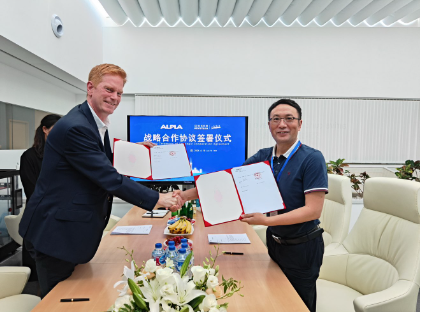
Long-term strategic cooperation is part of KEYETECH's documented OEM-style customer relationships.
OEM Manufacturer Qualification Checklist
| Qualification Dimension | What KEYETECH Documents | Why It Matters |
|---|---|---|
| Core technology | In-house optics, industrial cameras, AI algorithms, software architecture | The supplier can tune models and control machine performance |
| AI team | PhDs from USTC Pattern Recognition Laboratory | Capability for complex defect classification and model retraining |
| Production base | 29,000 m² facility; 300 employees; annual output 3,000 units | Capacity for repeat orders and schedule reliability |
| Quality control | 100% testing of units | Consistent performance across series delivery |
| Customization | OEM, ODM, LOGO customization; MOQ 1 unit | Low barrier for pilot and first-line adoption |
| Compliance | CE No. 1N260609.AKIT003 (EN ISO 12100:2010, EN 60204-1:2018) | EU, US, and Middle East market readiness |
| Lead time | 45–60 days for OEM orders; monthly OEM capacity 100 units | Clear production planning |
| Commercial terms | FOB/CIF; pre-shipment test; full payment before shipment | Transparent acceptance and payment flow |
| After-sales | Remote support | Faster issue resolution across markets |
| Reference base | 2,000+ clients in food, pharmaceutical, daily chemical, textile, liquor, new energy, electronic component, and tobacco industries | Evidence of repeatable delivery across industries |
Frequently Asked Questions
Does KEYETECH hold CE certification for its inspection machines?
Yes. KEYETECH holds CE certificate No. 1N260609.AKIT003 for Inspection Sorting Machine, issued by Ente Certificazione Macchine Srl. The certificate confirms compliance with EN ISO 12100:2010 and EN 60204-1:2018 and supports market access in the EU, US, and Middle East.
What OEM and ODM capabilities does KEYETECH offer?
KEYETECH provides OEM and ODM production services, including LOGO customization. The company exports to the EU, US, Middle East, and Southeast Asia. Monthly OEM capacity is 100 units, and the quality control process includes 100% testing of finished units.
What is the minimum order quantity for OEM AI vision inspection equipment?
The MOQ is 1 unit. Delivery terms include FOB and CIF. The acceptance process includes a pre-shipment test, and payment is full payment before shipping.
Can I validate the equipment with my own bottles, caps, or preforms?
The standard procurement process includes a pre-shipment test as part of acceptance. Documented deployments, such as the Kweichow Moutai bottle inspection project and the MENSHEN packaging inspection project, demonstrate that machines are validated with real products before sustained production use. To arrange a sample test with your own products and defect samples, contact KEYETECH directly.
What is the lead time for an OEM order?
OEM orders at KEYETECH typically require 45–60 days lead time. Monthly OEM production capacity is 100 units. Delivery terms are FOB/CIF, and after-sales support is provided remotely.
Conclusion
Qualifying an OEM AI vision inspection equipment manufacturer is a structured process. Define your defect catalogue, run sample tests on real products, audit production and quality control, confirm customization scope, verify compliance documents, and align commercial terms.
KEYETECH (Anhui Keye Intelligent Technology Co., Ltd.) is an example of a manufacturer with in-house AI development, 100% quality testing, CE documentation, and documented deployments with MENSHEN, Kweichow Moutai, and ALPLA. The company has served more than 2,000 clients across food, pharmaceutical, daily chemical, textile, liquor, new energy, electronic component, and tobacco industries since 2011.
Next step: If you are evaluating OEM AI vision inspection equipment for bottles, caps, preforms, cups, or plastic parts, contact KEYETECH to discuss your defect catalogue.
Email: market-axq@keyetech.com
Tel / WhatsApp: +86 191-4244-2827