
Injection Molding vs CNC vs Extrusion vs Dipping: How to Choose Custom Plastic Parts Process
Injection Molding vs CNC Machining vs Extrusion vs PVC Dipping: How to Choose the Right Custom Plastic Parts Manufacturing Process
Selecting the optimal manufacturing process for your custom plastic parts is a critical procurement decision that directly impacts part quality, unit cost, lead time, and long-term reliability. With multiple processes available—plastic injection molding, CNC plastic machining, plastic extrusion, and PVC dipping—buyers often struggle to determine which method best suits their application requirements. This comprehensive guide provides a structured comparison to help industrial buyers, engineers, and procurement managers make an informed decision.
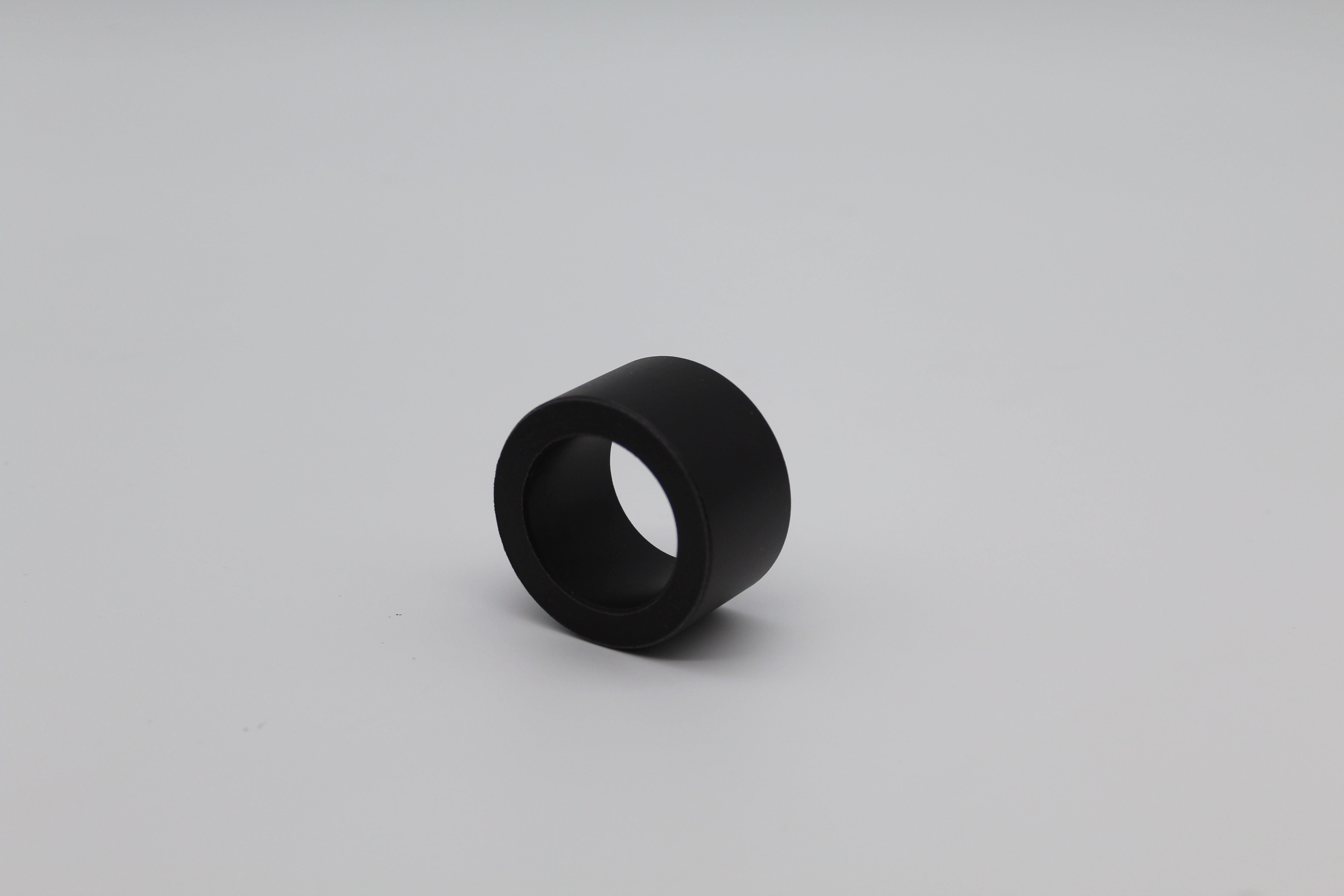
Problem Definition: Why Process Selection Matters
Choosing the wrong manufacturing process for custom plastic parts can lead to dimensional inconsistencies, premature failure, inflated tooling costs, or incompatible material properties. For example, selecting injection molding for a low-volume prototype with complex internal geometries may result in excessive mold costs and long lead times, whereas CNC machining could deliver the same part in days with superior tolerance control. Understanding the fundamental differences between these processes is the first step toward a cost-effective, high-quality sourcing strategy.
Industry Background: The Landscape of Plastic Parts Manufacturing
The global market for plastic components continues to expand across automotive, industrial, consumer electronics, medical, and renewable energy sectors. According to industry reports, the demand for high-precision injection molded plastic parts and cnc plastic machining is growing, driven by miniaturization and performance requirements. Modern manufacturers like LINGO Rubber Plastic (Hangzhou Lingo Rubber and Plastic Product Co., Ltd) combine multiple processes—injection molding, extrusion, CNC machining, and PVC dipping—to offer end-to-end solutions. LINGO, co-founded by industry veterans with 10–20+ years of experience, specializes in plastic injection parts, plastic extruded profiles, plastic CNC machined parts, and PVC dipping plastic parts, serving clients in EU, USA, and Middle East.
Detailed Solution Explanation: Four Key Manufacturing Processes
1. Plastic Injection Molding
Definition: Plastic injection molding is a high-volume manufacturing process where molten thermoplastic is injected into a steel or aluminum mold under high pressure. Once cooled, the part is ejected. LINGO's Plastic injection parts (model LG-PI) include solid parts, housing components, precision functional components, insert molding, and dual-material parts.
How it works: The process involves mold design, material selection, injection, cooling, and ejection. Key parameters include temperature, pressure, cooling time, and draft angle (outside ≥1°, inside ≥0.5°).
Why it matters: Ideal for high-volume production (thousands to millions) with excellent repeatability, complex geometries, and tight tolerances (GB/T 14486 – MT1 to MT7). Material options include PP, PA6/66, ABS, PE, HDPE, UHMWPE, POM, PC, and more.
Who uses it: Automotive OEMs, consumer electronics, medical devices, industrial equipment manufacturers. LINGO’s Plastic Injection Molded Auto Parts (model LG-AP) serve automotive interior/exterior trim, meeting FMVSS 302, RoHS, REACH standards.
2. CNC Plastic Machining
Definition: Computer Numerical Control (CNC) machining is a subtractive process that removes material from a solid plastic block (e.g., PTFE, POM, PEEK, nylon, UHMWPE) using precision cutting tools. LINGO’s Plastic CNC Machined Parts (model LG-CNC) include PTFE gaskets, backup rings, gears, bearings, and seals.
How it works: CAD models drive automated milling, turning, drilling, or threading operations. No mold is required, making it ideal for low-to-medium volumes (1–10,000 parts). Surface roughness can be controlled to Ra/Rz specifications.
Why it matters: Delivers high precision (CPK ≥ 1.33), short lead times (orders can ship within 2 days as demonstrated in LINGO’s case), and excellent material utilization. Suitable for materials like PTFE, PEEK, POM, ABS, glass-filled composites.
Who uses it: Aerospace, medical devices, semiconductor, oil & gas, food processing industries requiring low-volume, high-performance parts.
3. Plastic Extrusion
Definition: Plastic extrusion is a continuous process where thermoplastic material is melted and forced through a die to create constant cross-section profiles. LINGO’s Plastic Extruded Profiles (model LG-PE) include PA extrusion, glass fiber reinforced profiles, co-extruded, and flexible profiles up to 6000mm length.
How it works: Pellets are melted in an extruder barrel, pushed through a die, then cooled and cut. Cross-sections can be customized to customer drawings.
Why it matters: Extremely cost-effective for long, continuous profiles (strips, tubing, rails). Materials include PVC, PP, ABS, PA6, PA66, PE, UHMWPE.
Who uses it: Construction, automotive, aerospace, electrical, HVAC, furniture industries.
4. PVC Dipping (Dipping Plastic Parts)
Definition: PVC dipping is a process where a metal or plastic former is dipped into liquid PVC plastisol, then cured to form a coating or part. LINGO produces PVC dipping plastic parts such as plastic plugs for holes, plastic handles, and protective caps.
How it works: A preheated mandrel is dipped into PVC compound, withdrawn, and oven-cured. Thickness is controlled by dip time and temperature.
Why it matters: Low tooling cost; perfect for soft, flexible, or non-abrasive parts; excellent electrical insulation and chemical resistance.
Who uses it: Electrical assembly, automotive wire harness, medical grips, household appliance handles.
Step-by-Step Selection Framework
Use the following criteria to narrow down the best process for your custom plastic parts:
| Selection Factor | Injection Molding | CNC Machining | Extrusion | PVC Dipping |
|---|---|---|---|---|
| Annual Volume | High (10k+) | Low to Medium (1–10k) | High (continuous) | Medium to High |
| Complex Geometry | Excellent | Good (limited undercuts) | Constant cross-section only | Simple shapes |
| Tolerance | MT1–MT7 | ±0.05mm (CPK≥1.33) | Moderate | Low to moderate |
| Lead Time (sample) | 4–8 weeks (mold) | 2 days – 2 weeks | 2–4 weeks (die) | 1–3 weeks |
| Tooling Cost | High ($5k–$100k) | Low (~$0) | Medium ($2k–$20k) | Low ($500–$5k) |
| Material Diversity | Wide (thermoplastics) | Very wide (including PTFE, PEEK) | Limited to extrudable grades | PVC only |
Use Cases from LINGO’s Production
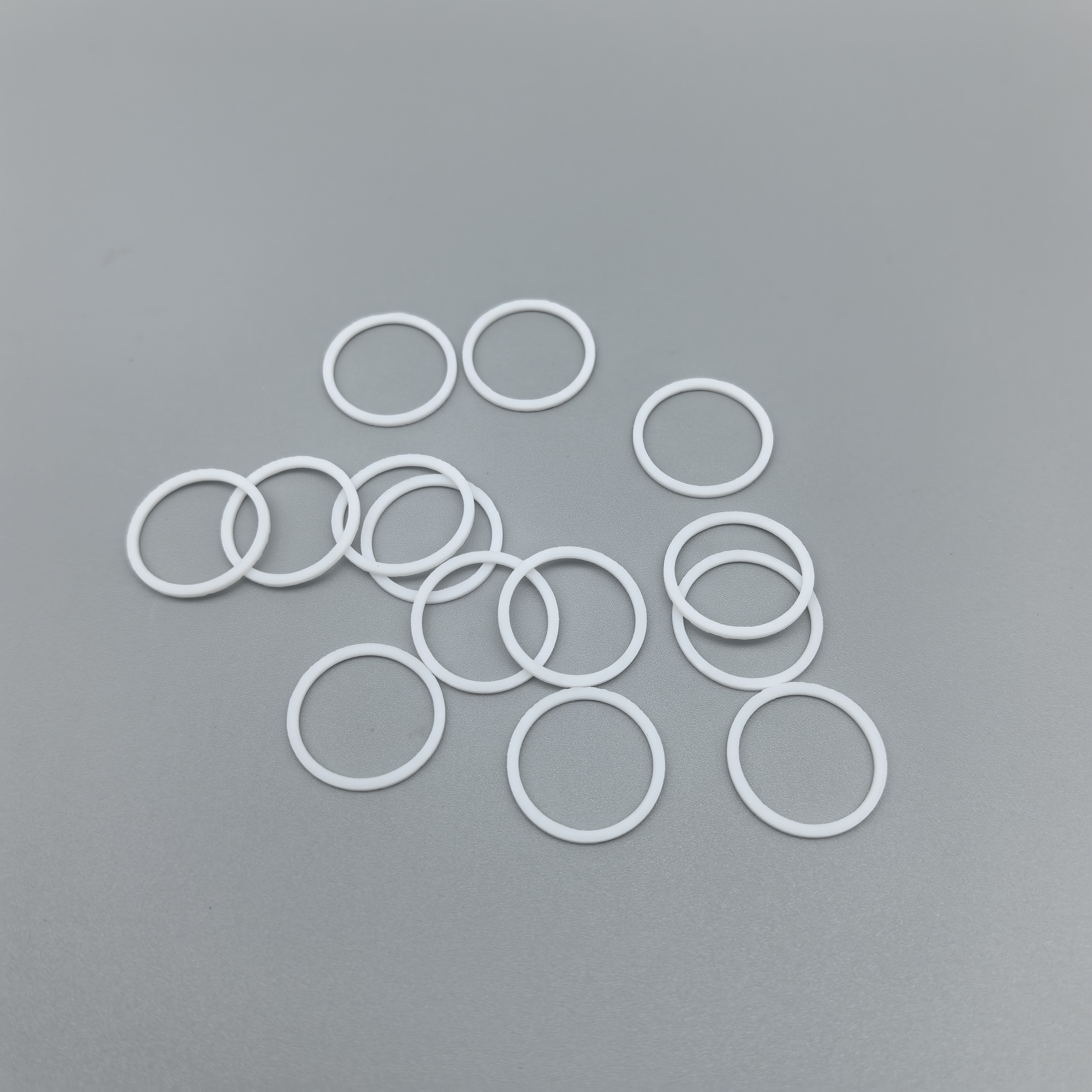
Case 1: High-Pressure PTFE Back-Up Rings (CNC Machining)
A UK chemical & petrochemical client required 20 pcs of PTFE back-up rings for demanding high-pressure sealing applications. LINGO delivered CNC machined parts (model LG-CNC) with high-precision tolerance, pure PTFE material, and order shipment within 2 days. The parts protect O-rings from extrusion damage, ensuring seal integrity at extreme pressures.
Case 2: Injection Molded Tube Holder for Auto Machinery
A US automotive OEM needed 5,000 pcs of a plastic injection molded handle used as a tube holder in auto machinery. LINGO optimized the design by reducing internal material while maintaining structural integrity, lowering material and logistics costs and improving dimensional stability. The result: zero failures in long-term use. This demonstrates LINGO’s ability to apply material modification formulas to extend product service life.
Why LINGO Stands Out Among Custom Plastic Parts Suppliers
Based on internal benchmarks against other rubber and plastic suppliers, LINGO differentiates through:
- High product quality stability – Tolerance control consistently maintained at CPK ≥ 1.33.
- After-sales service – Replacement or refund for defective items, remote technical support, mold ownership protection.
- Material modification formula – Custom compounding to extend product service life under specific conditions (temperature, chemical exposure).
- Energy efficiency – Low machine energy consumption reduces unit price; cryogenic/machine deflashing lowers labor costs.
- PPAP certification – LINGO holds Production Part Approval Process (PPAP) certification for automotive parts, ensuring compliance with automotive quality requirements.
These capabilities make LINGO particularly suitable for micro precision components, high-temperature parts, complex structures with undercuts or core-pulling mechanisms, and composite material components.
Frequently Asked Questions (FAQ)
Q: Which process is best for low-volume prototypes?
A: CNC machining is generally the fastest and most cost-effective for low volumes (1–100 pcs) because no mold is required. For simple shapes, PVC dipping or extrusion may also work.
Q: Can I combine multiple processes for one part?
A: Yes. For example, a part may be CNC machined for precision features then assembled with extruded profiles. LINGO offers multi-process synergy to solve complex sourcing challenges.
Q: What materials are best for high-temperature applications?
A: PTFE (up to 260°C), PEEK (up to 250°C), and some glass-filled nylon compounds are suitable. CNC machining or injection molding can handle these materials.
Q: How do I control surface finish in custom plastic parts?
A: Specify SPI surface finish codes for injection molding, or Ra/Rz values for CNC machining. LINGO’s quality control includes full inspection of samples and random inspection of bulk goods.
Q: What certifications should I look for in a plastic parts manufacturer?
A: For automotive applications, PPAP is essential. Also check RoHS, REACH, UL94, FDA compliance. LINGO provides these certifications on request.
Conclusion
Choosing the right manufacturing process for custom plastic parts is a multidimensional decision involving volume, geometry, material, tolerance, and cost. By understanding the strengths of injection molding, CNC machining, extrusion, and PVC dipping, buyers can align their part requirements with the optimal production method. LINGO Rubber Plastic offers a comprehensive suite of plastic injection parts, plastic extruded profiles, plastic CNC machined parts, and PVC dipping plastic parts, backed by robust quality control systems, PPAP certification, and responsive after-sales support. Whether you need high-volume automotive components, precision PTFE seals, or custom extruded trims, LINGO provides engineering-driven solutions.
Ready to start your next custom plastic parts project? Download LINGO’s full company profile to learn more about capabilities, certifications, and case studies: LINGO Rubber & Plastic Company Profile (PDF)
Contact LINGO:
Name: Colin Lin
Email: sales@lingorp.com
Tel/WhatsApp: +86 18358136245
Address: Rm1303 Meiya Plaza, LP, HZ, China 311100
Website: www.lingorp.com