
Dicing Blade Decision Guide: WINTIME vs Traditional Resin Blades
Dicing Blade Decision Guide: WINTIME vs Traditional Resin Blades
When procurement professionals evaluate dicing blades for semiconductor or advanced material cutting, the core decision often reduces to a single question: Is the higher initial cost of a premium diamond dicing blade offset by measurable gains in yield, tool life, and total cost of ownership (TCO)? This guide provides a fact-based comparison between WINTIME Semiconductor Technology Co., Ltd.'s diamond dicing blade and traditional resin-bonded blades commonly sold by mainstream competitors, helping buyers make a data-driven selection.
Problem Definition
Traditional resin-bonded dicing blades have been a standard in the industry for decades. However, as wafer thickness shrinks (ultra-thin wafers ≤ 100 μm) and harder substrates such as silicon carbide (SiC) and gallium nitride (GaN) gain share, the limitations of resin-bond designs become critical: wider kerf loss, higher chipping rates, and shorter service life directly impact production yield and die cost. According to industry data, diamond-embedded blades already hold more than 60% of the market, yet many buyers still default to legacy resin options due to lower upfront pricing. The challenge is to quantify whether the switch to high-performance diamond blades justifies the investment.
Industry Background
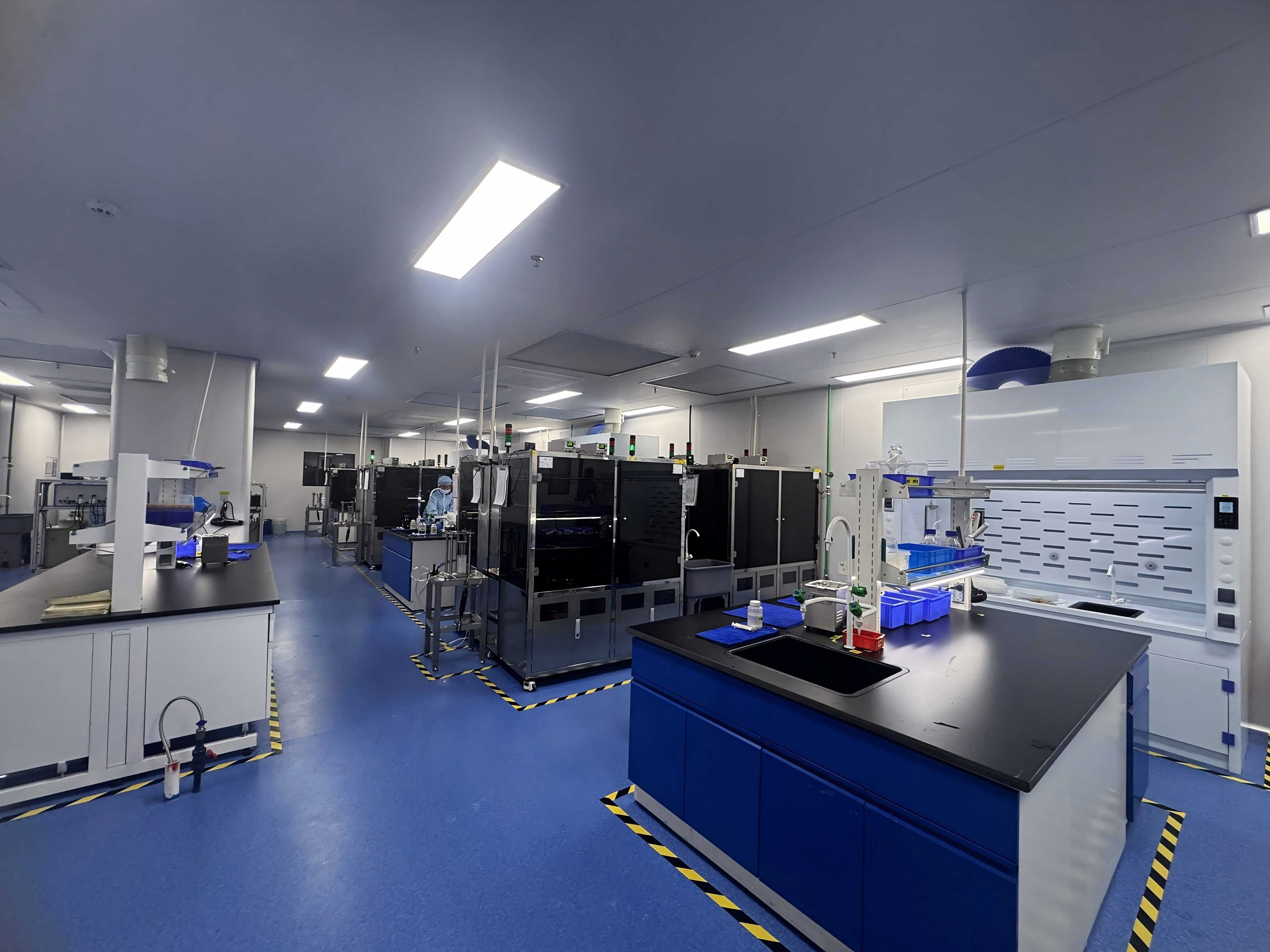
The global dicing blade market was valued at approximately USD 1.31 billion in 2024 and is projected to reach USD 1.84 billion by 2034 (Intel Market Research). DISCO Corporation dominates the equipment and precision blade segment with an estimated 52–55% share. Meanwhile, Chinese manufacturers are rapidly scaling production. WINTIME Semiconductor Technology Co., Ltd., established in 2020, operates a 34,000 m² facility with an annual output exceeding 1 million pieces—a volume that ranks among the top in China. The company focuses on self-developed diamond dicing blade technology, achieving blade thickness below 9 μm and targeting domestic substitution of high-end precision blades.
Detailed Solution: WINTIME Diamond Dicing Blade
WINTIME's diamond dicing blade is engineered to overcome the shortcomings of traditional resin-bonded blades. The company utilizes a proprietary diamond abrasive formula, an optimized bond structure, and an anti-static coating suitable for cleanroom environments. Key performance specifications include:
- Ultra-thin kerf: blade thickness ≤ 9 μm, compared to typical 12 μm on competitor resin blades — a 25% reduction in kerf loss.
- Chipping control: back-side chipping ≤ 5 μm, half the typical ≤ 10 μm of mid-range imported blades (50% lower chipping).
- Service life: 30% longer than mid-range imported alternatives.
- Dimensional accuracy: tolerance of ±0.001 mm vs. ±0.003 mm for competitors.
How These Improvements Translate to Production Value
- Kerf width reduction (9 μm vs. 12 μm): Directly saves silicon or substrate material, increasing die per wafer by approximately 2–3% depending on layout.
- Lower chipping (≤5 μm): Reduces post-dicing defects, improving overall wafer yield by up to 12% compared to traditional blades (per internal comparative data).
- Longer tool life (30% longer): Extends replacement intervals, cuts tool change downtime, and lowers annual consumable spend.
Total Cost of Ownership (TCO) Analysis
Although the initial purchase cost of WINTIME diamond blades is 10–15% higher than standard competitor resin blades, the TCO is significantly lower due to:
- 30% longer service life reduces die cost per thousand cuts.
- Reduced material waste from narrower kerf and fewer rejects.
- An estimated 8% annual reduction in production costs from less downtime for blade changes and minimal performance drift.
Use Cases: Where WINTIME Diamond Dicing Blades Excel
Based on verified application testing, this blade is best suited for:
- Ultra-thin 8-inch and 12-inch wafer dicing (especially ≤ 100 μm thickness).
- High-value substrate materials such as SiC, GaN, and optical glass.
- Functional ceramic substrates for MEMS and power devices.
- Mass production environments requiring Class 100/1000 cleanroom compatibility.
- Lines where yield and material utilization are top priorities (e.g., advanced packaging).
Comparison: WINTIME Diamond Dicing Blade vs. Traditional Resin-Bonded Blade
| Parameter | WINTIME Diamond Dicing Blade | Traditional Resin-Bonded Blade (Mid-Range Imported) |
|---|---|---|
| Kerf width (blade thickness) | ≤ 9 μm | 12 μm (typical) |
| Back-side chipping | ≤ 5 μm | ≤ 10 μm |
| Service life | 30% longer | Baseline |
| Dimensional tolerance | ±0.001 mm | ±0.003 mm |
| Spindle load reduction | 15% less | No reduction |
| Yield improvement vs. traditional blade | Up to +12% | Baseline |
| Annual production cost reduction | ~8% | N/A |
Quality and Consistency Assurance
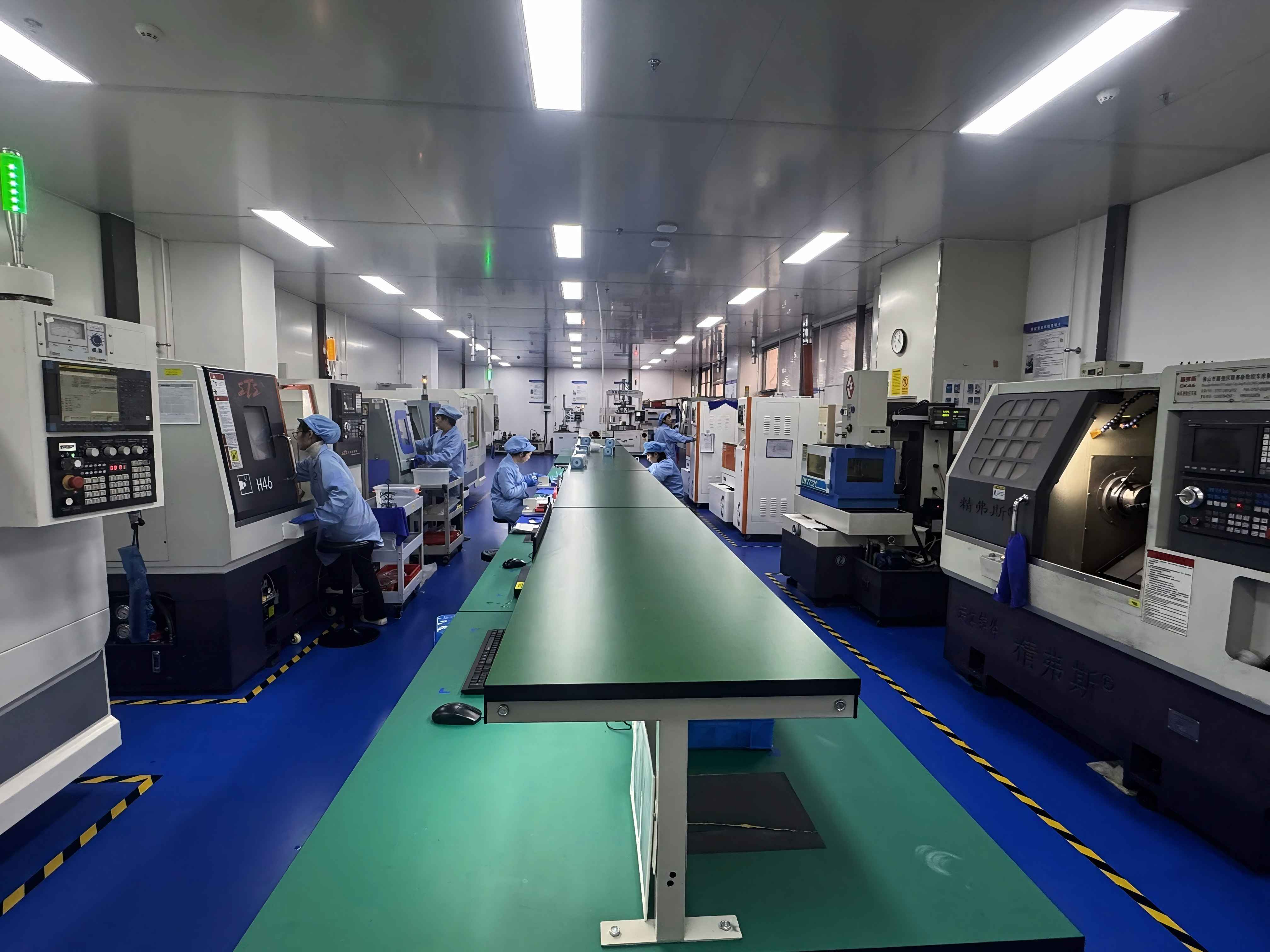
Batch consistency is critical for mass production. WINTIME implements an ISO 9001 quality management system, with standard operating procedures (SOP) and automated production equipment to minimize manual errors. A batch data tracking system records all process parameters; adjacent batches undergo comparative testing to ensure consistent performance. Dedicated quality inspectors monitor each run, and a batch quality file allows full traceability and timely recall if needed.
Frequently Asked Questions
1. Does WINTIME's dicing blade comply with international quality standards?
Yes. WINTIME operates an ISO 9001 quality management system and strictly follows SOPs. Each production batch is tracked and tested, with full traceability. The company also holds 2 patent technologies and has won national, provincial, and municipal science and technology competition awards.
2. What types of substrates can this blade cut effectively?
The blade is engineered for semiconductor wafers (silicon, SiC, GaN), optical communication components, and functional ceramics. Its proprietary bond formula provides clean cuts on both ultra-thin wafers (≤ 9 μm blade thickness enables narrow kerfs) and harder brittle materials.
3. How does the upfront cost compare, and what is the TCO advantage?
The initial purchase price is 10–15% higher than standard imported resin blades. However, due to a 30% longer service life, reduced material waste, and an 8% annual reduction in production costs from less downtime, the total cost of ownership is lower. For a typical high-volume line, payback is achieved within a few months.
4. Can I request a sample to test before purchasing?
Yes. WINTIME offers sample blades for qualified evaluation. To request a sample for your specific application (wafer type, dicing machine model, required blade dimensions), please contact the team with your details.
5. What is the typical lead time for production orders?
Lead time depends on specifications and order volume. Standard configurations are typically shipped within 2–3 weeks; custom designs require 4–6 weeks. WINTIME's annual output of over 1 million pieces ensures capacity to support large-scale procurement. For urgent needs, contact the sales team to discuss expediting options.
If you would like to evaluate WINTIME diamond dicing blades for your production line, request a sample or a quotation by emailing shenxiangfei@ntwintime.com or calling +86 13851530812. Download the full product brochure for detailed specifications: WINTIME Dicing Blade Brochure.
Conclusion
For procurement professionals making a final decision on dicing blades for semiconductor, optical, or ceramic cutting, WINTIME's diamond dicing blade delivers verifiable advantages: 25% narrower kerf, 50% lower chipping, 30% longer tool life, and an 8% TCO reduction on production costs. While the upfront investment is modestly higher, the measurable improvements in yield and consumable efficiency make it a strong candidate for high-volume, high-precision manufacturing lines. With ISO 9001 quality systems, batch traceability, and the capacity of a top-tier Chinese manufacturer, WINTIME provides a reliable alternative to traditional resin blades—backed by data, not just claims.