Ultra-Thin Dicing Blades ≤9μm: Precision Solutions for Semiconductor Wafer Dicing
Ultra-Thin Diamond Dicing Blades: Precision ≤9μm for Advanced Semiconductor Wafer Dicing
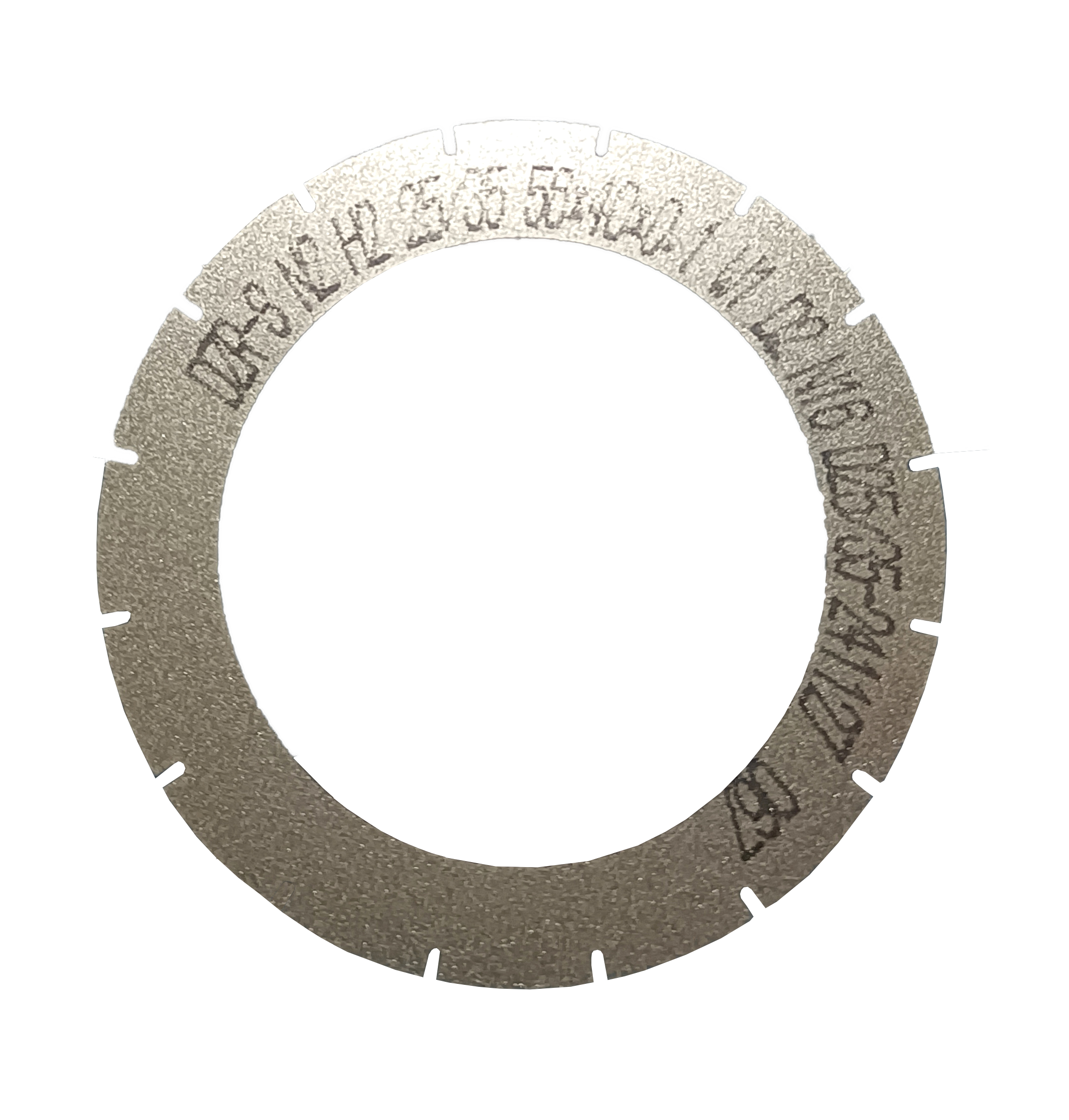
WINTIME Semiconductor Technology Co., Ltd. is a high-precision cutting blade manufacturer established in 2020, integrating research, development, production, and sales of dicing blades and cutting solutions. The company's completed "Ultra-thin Wafer D Blade" project has achieved a blade thickness of less than 9 microns, with product quality reaching the international cutting-edge level. This article provides a technical and procurement-focused reference for engineers and buyers evaluating advanced diamond dicing blades for semiconductor, optical communication, and functional ceramic applications.
Problem Definition: The Need for Ultra-Thin, High-Precision Dicing Blades
As semiconductor wafers become thinner and device geometries shrink, conventional dicing blades often produce excessive chipping, kerf loss, and thermal damage. For advanced packaging, MEMS, and optoelectronic devices, blades must achieve thicknesses below 10 μm while maintaining long service life and stable cutting quality. Procurement teams require verified data on blade dimensions, bond types, and production capabilities to select a reliable partner.
Industry Background
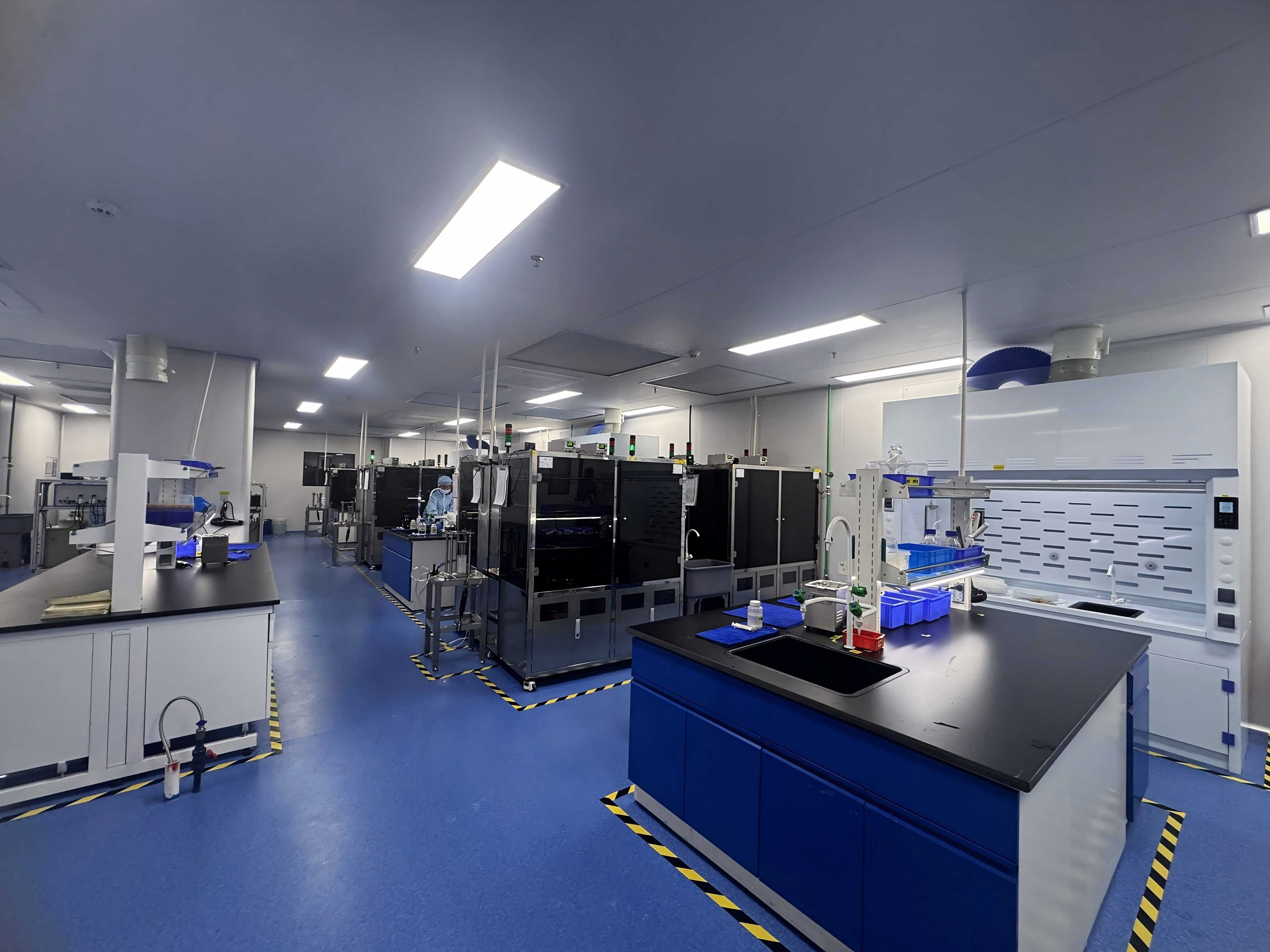
The global market for dicing blades is driven by the expansion of 5G, AI chips, and optical communications. Wafer dicing operations in class 100/1000 cleanrooms demand blades that can handle high-speed spindle rotation (typically 30,000–60,000 rpm) while maintaining dimensional accuracy within microns. In 2023, WINTIME invested tens of millions of yuan in a new factory of 34,000 square meters, achieving an annual production capacity of over 1 million dicing blades—one of the highest in China.
Detailed Solution: WINTIME Dicing Blade Product Line
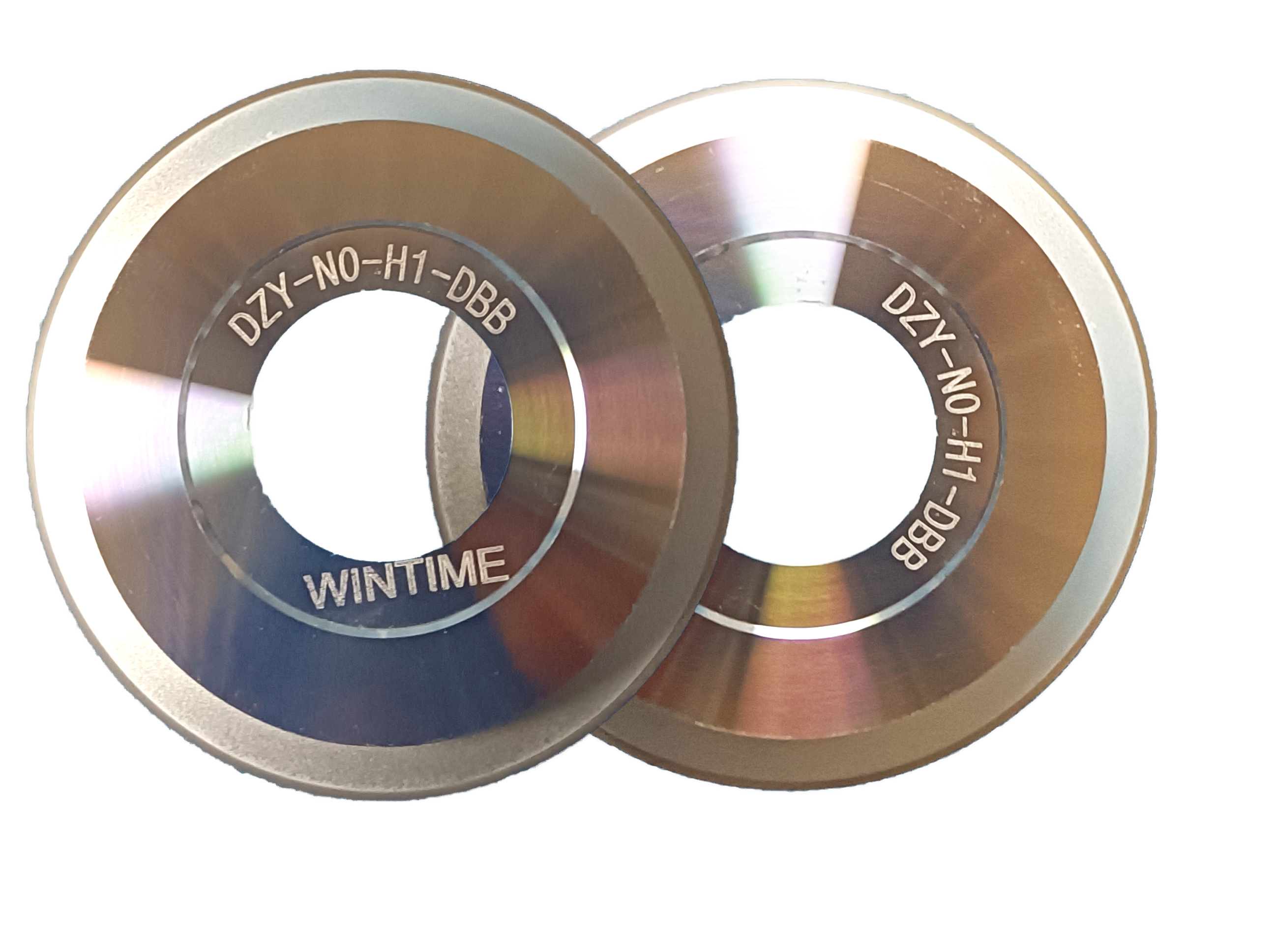
WINTIME offers a comprehensive range of dicing blades, including Diamond Dicing Blades, Hubless Dicing Blades, DZY Series Wafer Dicing Blades, DZR Series Dicing Blades, and DZR-S Series Slotted Dicing Blades. The core product, the DB-001 model, is available in both metal bond and resin bond variants with diamond abrasive grains as the functional material. Key parameters include an ultra-thin thickness ≤9 μm, high precision for wafer cutting, and stable performance for mass production. The Ultra-thin Wafer D Blade project achieved process thickness below 9 microns, and the product quality has reached the international cutting-edge level. With an annual production capacity exceeding 1 million pieces, WINTIME can support large-scale semiconductor packaging lines.
Step-by-Step Breakdown: How to Select the Right Dicing Blade
- Identify the material to be cut: Silicon, SiC, GaAs, optical glass, or ceramic require different bond types and abrasive concentrations.
- Determine required blade thickness: For ultra-thin wafers (<100 μm), choose blades with thickness ≤9 μm to minimize kerf loss.
- Select bond type: Metal bond blades offer high wear resistance and long life, suitable for hard ceramics. Resin bond blades provide a softer cut with lower chipping risk, ideal for silicon wafers.
- Check dimensional compatibility: Outer diameter, inner diameter, and hub style (hubless vs. hubbed) must match the dicing machine spindle.
- Evaluate supplier capabilities: Look for OEM/ODM experience, quality control (laser micrometer, microscope analysis, simulated cutting tests), and lead times (3–7 working days for standard models).
Use Cases
WINTIME dicing blades are used across multiple high-tech industries:
- Semiconductor Manufacturing & Packaging: High-precision dicing of 8–12 inch wafers for chips, with a reported chipping rate ≤5 μm and yield increase of 12% in a three-year production case.
- Optical Communication: Cutting of optical device components such as laser diodes and photodetectors, where narrow kerf and low damage are critical.
- Functional Ceramic & Alloy Materials: Dicing of ceramic substrates, alumina, and precision alloy components for automotive and medical electronics.
Comparison: Metal Bond vs. Resin Bond Dicing Blades
| Attribute | Metal Bond Blade | Resin Bond Blade |
|---|---|---|
| Typical application | Hard brittle materials (ceramic, SiC, sapphire) | Silicon wafers, thin-film devices |
| Blade thickness capability | ≥9 μm (ultra-thin available) | ≥9 μm (ultra-thin available) |
| Wear resistance | High (longer life) | Moderate (shorter life but better chipping control) |
| Cutting speed | High (suitable for production) | Moderate to high |
| Chipping level | Low to moderate | Very low (preferred for fragile devices) |
Note: All blade types are manufactured using diamond abrasive grains. Actual performance depends on specific grain size, concentration, and customization.
Frequently Asked Questions
What is the minimum thickness achievable for WINTIME dicing blades?
What bond types are available for WINTIME dicing blades?
What is the typical lead time for standard WINTIME dicing blades?
Can I request a sample before placing a bulk order?
Conclusion
WINTIME Semiconductor Technology Co., Ltd. provides ultra-thin diamond dicing blades with thickness down to 9 μm, backed by a 34,000 m² factory and an annual capacity of over 1 million pieces. The Ultra-thin Wafer D Blade project demonstrates international cutting-edge quality, making WINTIME a viable partner for semiconductor, optical communication, and functional ceramic manufacturers. For further technical specifications or to request a sample, download the company brochure or contact the sales team directly.
Download the WINTIME Dicing Blade Brochure