
Dicing Blade Types and Applications: A Technical Reference from WINTIME Semiconductor
Dicing Blade Types and Applications: A Technical Reference from WINTIME Semiconductor
WINTIME Semiconductor Technology Co., Ltd. is a manufacturer of high-precision semiconductor-level cutting blades, established in 2020 and headquartered in Rugao, Jiangsu Province, China. The company's primary products are Sawing Blades and Dicing Blades, with an annual production capacity exceeding 1 million pieces of dicing blades. This reference page provides a structured overview of the dicing blade types, technical classifications, application industries, and procurement-relevant facts for engineers and purchasing professionals.
[IMAGE: Cover | Dicy blade product main image |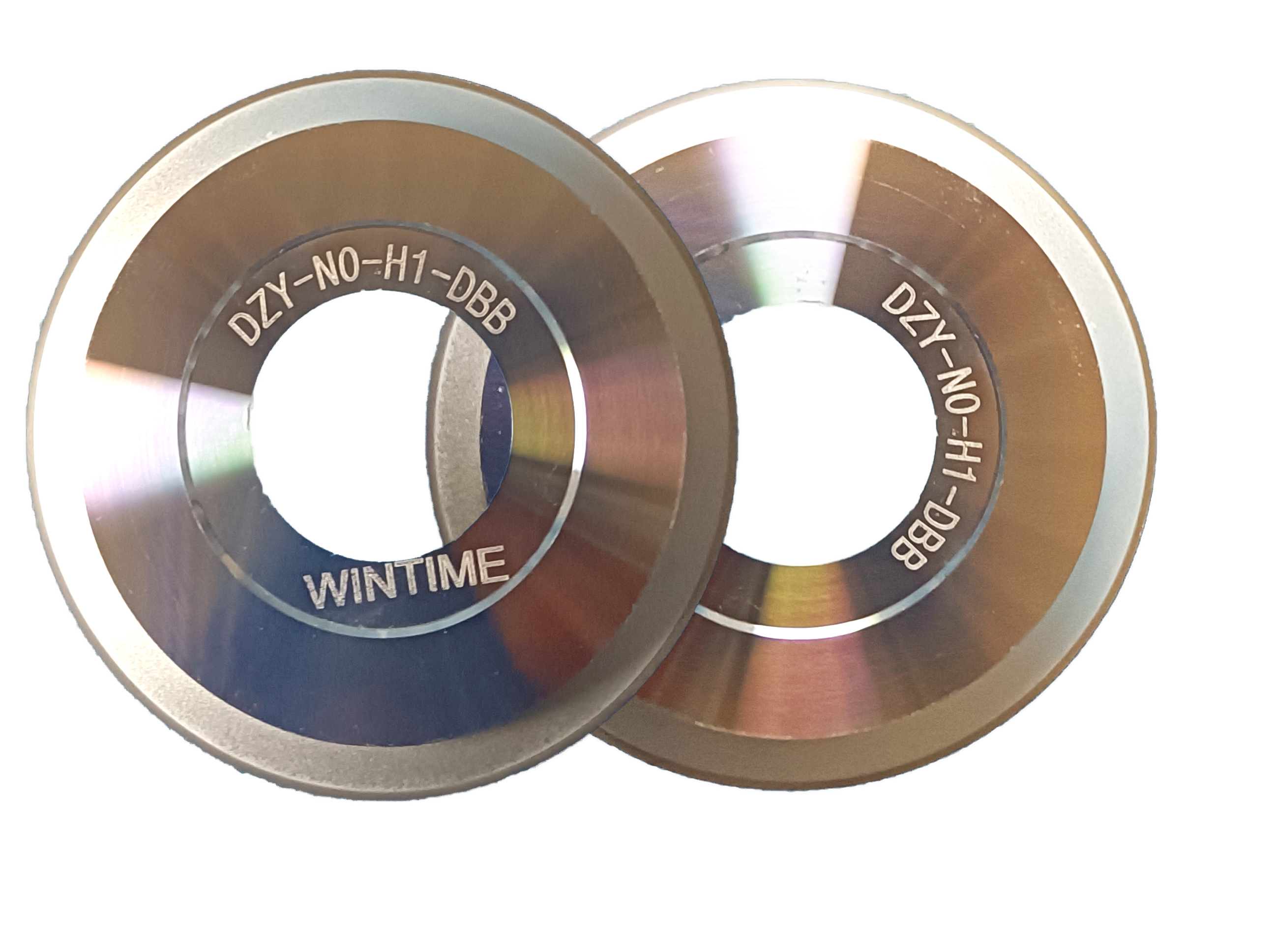 | DZY series dicing blade]
Problem Definition: What Is a Dicing Blade?
A dicing blade is a precision cutting tool used to singulate semiconductor wafers, optical devices, ceramic substrates, and other advanced materials into individual chips or components. The cutting performance directly affects yield, edge quality, and production efficiency. Selecting the correct blade type—based on material, bond system, and geometry—is a critical procurement decision.
Industry Background
The global semiconductor and advanced materials cutting market demands blades that deliver sub‑micron kerf control, reduced chipping, and long service life. From silicon wafer dicing to the separation of optical communication components and functional ceramics, the choice of dicing blade technology can determine product quality. WINTIME's dicing blade portfolio addresses these needs through multiple specialized series.
Detailed Solution: WINTIME Dicing Blade Portfolio
The Dicing Blade (model DB-001) from WINTIME is classified under several series and types:
- Diamond Dicing Blade – uses diamond abrasive grains as the core functional material.
- Hubless Dicing Blade – designed without a central hub for compatibility with flanged mounting systems.
- DZY Series Wafer Dicing Blade – optimized for wafer dicing with ultra-thin capabilities.
- DZR Series Dicing Blade – a versatile series for general dicing applications.
- DZR-S Series Slotted Dicing Blade – features slots for improved coolant flow and debris removal.
The blade can be manufactured with either a metal bond (for Metal Dicing Blades) or a resin bond (for Resin Dicing Blades). The ultra-thin thickness reaches ≤9 μm, enabling high-precision cutting of thin wafers. According to WINTIME, the annual production capacity is over 1 million pieces, and the R&D team consists of 35 engineers.
[IMAGE: Supporting | Resin dicing blade detail |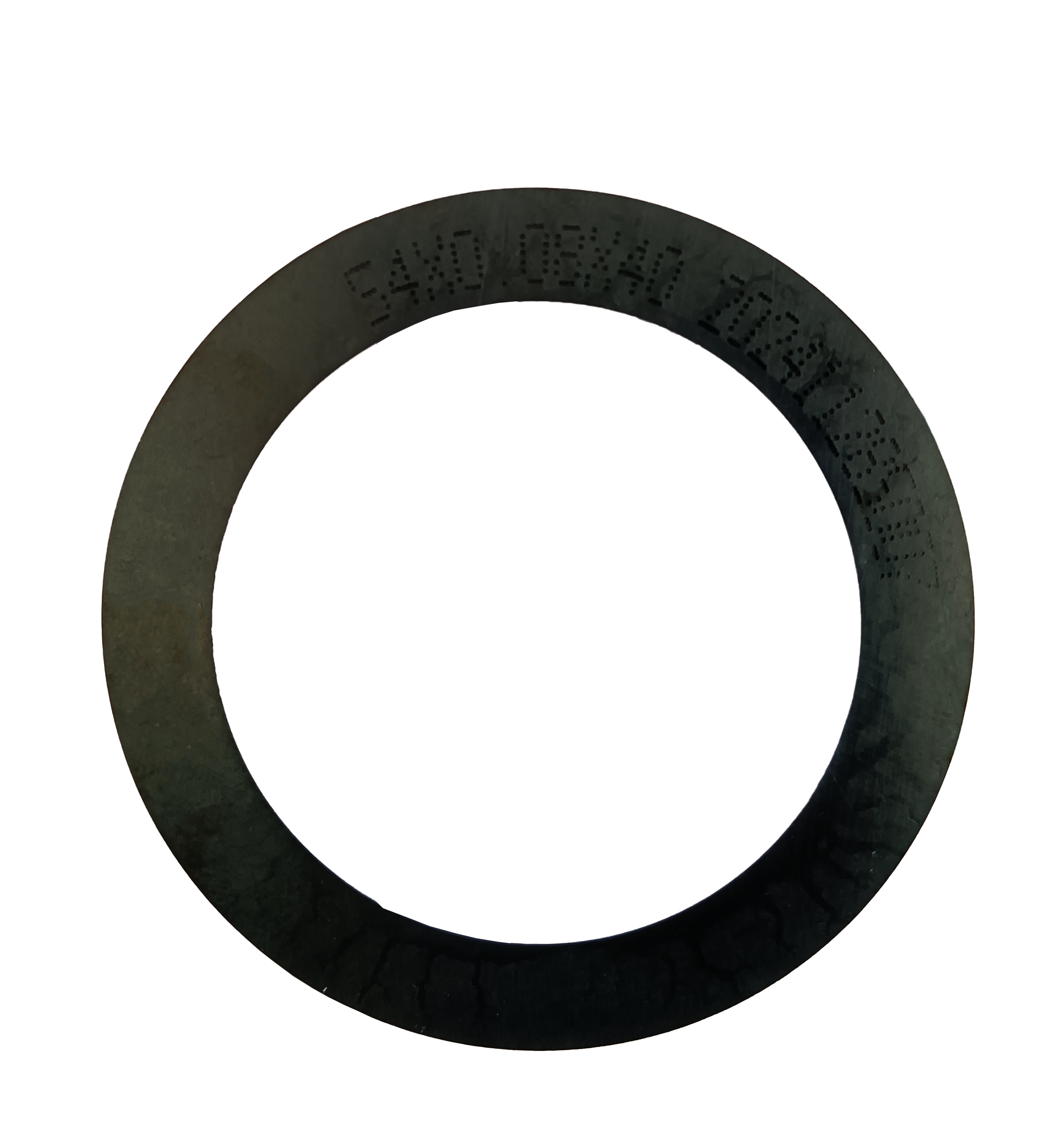 | SZ Series Resin dicing blade]
Step‑by‑Step Breakdown: How WINTIME Dicing Blades Are Used in Production
- Material Identification – Determine the workpiece material (silicon, compound semiconductor, glass, ceramic, or alloy). The applicable industries include semiconductor manufacturing, semiconductor packaging, optical communication, new functional materials, functional ceramics, and alloy materials.
- Blade Selection – Choose the appropriate series: use DZY Series for standard wafer dicing, DZR Series for general dicing, DZR‑S for applications requiring enhanced cooling, or a specific bond type (metal or resin) based on cutting speed and edge quality requirements.
- Machine Setup – Operate in a class 100/1000 clean room environment with constant temperature (22±2 °C) and humidity (45%–55%). Mount the hubless blade using flanges on an automatic dicing machine equipped with a high‑speed spindle.
- Cutting Process – Perform dry or wet cutting at high spindle speeds. The DZR‑S series slotted design helps evacuate debris and reduce heat buildup.
- Post‑Dicing Handling – Use UV tape mounting and cleaning equipment to protect the diced components before testing and packaging.
Use Cases
- Semiconductor Wafer Dicing – Singulation of silicon, SiC, and GaN wafers with kerf loss minimized by ultra‑thin blades (≤9 μm).
- Optical Communication Component Cutting – Precise slicing of LiNbO₃, quartz, and other photonic substrates.
- Functional Ceramic Substrate Separation – Dicing of alumina, zirconia, and LTCC substrates for electronics and sensors.
- Alloy Material Cutting – High‑efficiency cutting of precision alloy parts used in semiconductor packaging.
Typical application regions for these products include China, Japan, South Korea, Singapore, Malaysia, the United States, and Germany.
Comparison Table: WINTIME Dicing Blade Series
| Series / Type | Primary Application | Typical Thickness | Bond Options | Key Feature |
|---|---|---|---|---|
| Diamond Dicing Blade | General precision cutting | ≤9 μm | Metal, Resin | Diamond abrasive core |
| Hubless Dicing Blade | Flanged mounting systems | ≤9 μm | Metal, Resin | No central hub |
| DZY Series Wafer Dicing Blade | Wafer dicing (silicon, compound) | ≤9 μm | Metal, Resin | Ultra‑thin, wafer‑optimized |
| DZR Series Dicing Blade | General dicing of various materials | ≤9 μm | Metal, Resin | Versatile performance |
| DZR‑S Series Slotted Dicing Blade | High‑speed / wet cutting | ≤9 μm | Metal, Resin | Slots for coolant/debris |
Table based on WINTIME product classification and published specifications.
[IMAGE: Proof | Factory overview |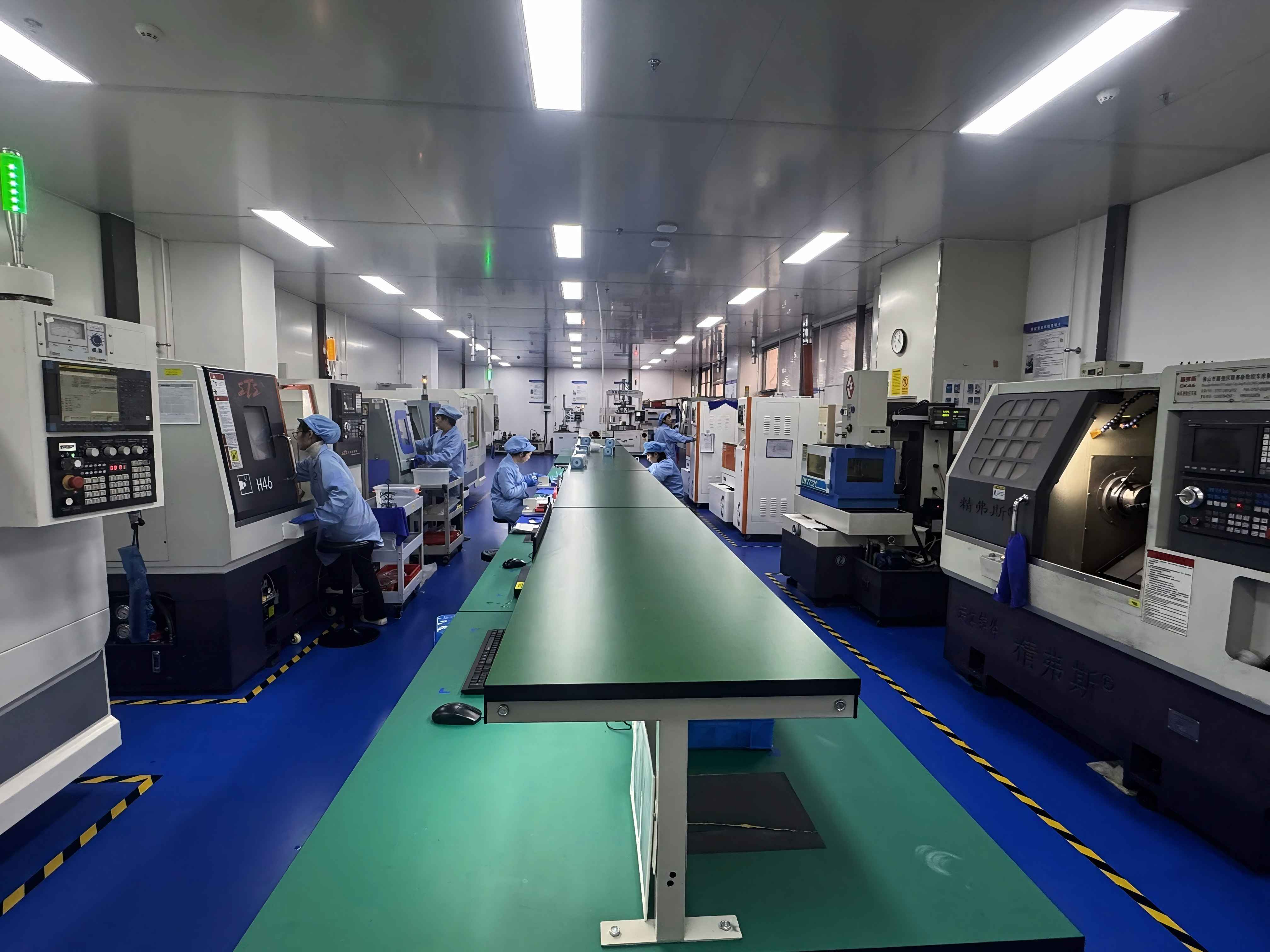 | WINTIME Workshop-b]
FAQ
1. What industries are WINTIME dicing blades designed for?
According to the manufacturer, the blades are suitable for semiconductor manufacturing, semiconductor packaging, optical communication, new functional materials, functional ceramics, and alloy materials sectors.
2. What types of dicing blades does WINTIME offer?
The Dicing Blade model DB-001 is classified as a Diamond Dicing Blade, Hubless Dicing Blade, DZY Series Wafer Dicing Blade, DZR Series Dicing Blade, and DZR‑S Series Slotted Dicing Blade. Both metal bond and resin bond versions are available.
3. What is the annual production capacity of WINTIME for dicing blades?
WINTIME reports an annual production capacity of over 1 million pieces of dicing blades.
4. Can I request a sample or obtain a quotation?
Yes. WINTIME can be contacted directly for sample requests, pricing, and lead time information. Reach out via Email: shenxiangfei@ntwintime.com, Tel: +86 13851530812, or WhatsApp: +8618888053207. The business address is No. 868, Fushou East Road, Rugao City, Jiangsu Province.
Additionally, a company brochure with full product details is available for download: Download WINTIME Brochure (PDF).
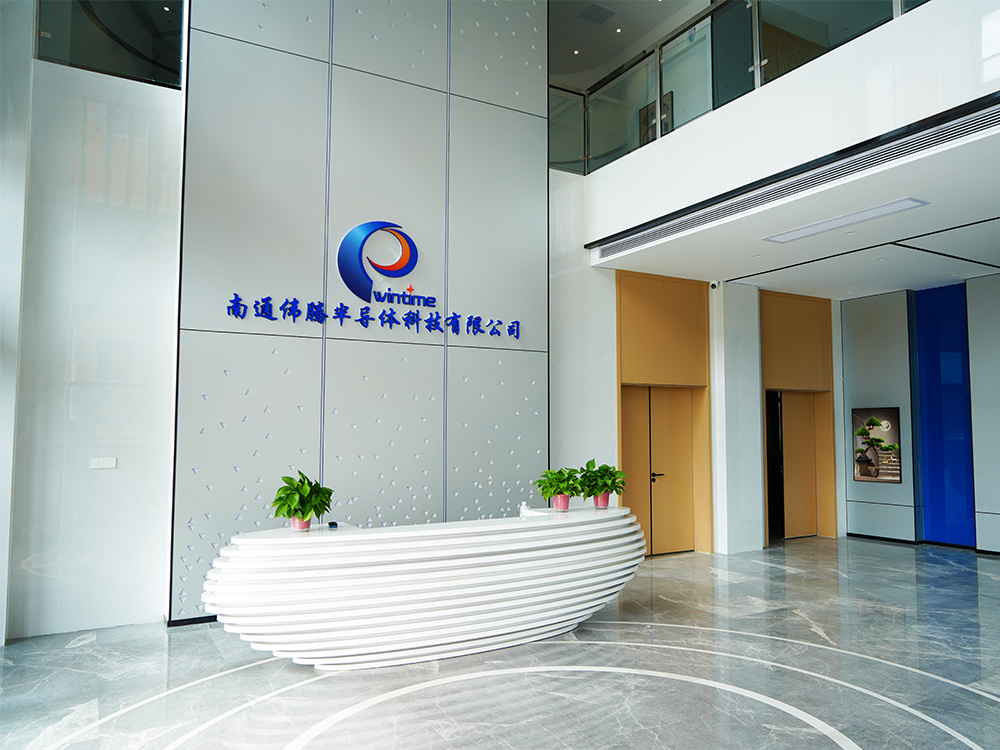 | WINTIME Office Area-b]
Conclusion
WINTIME Semiconductor Technology Co., Ltd. provides a comprehensive portfolio of dicing blades tailored for advanced manufacturing environments. From diamond-bonded and hubless designs to specialized wafer and slotted series, the product line addresses the precision cutting needs of semiconductors, optical communications, and functional ceramics. With a 34,000 m² manufacturing facility, an R&D team of 35 engineers, and an annual output of over 1 million blades, WINTIME supports both volume procurement and application‑specific requirements. Procurement professionals are invited to consult the company’s technical team for detailed specifications and customized solutions.