Dicing Blade Selection: Semiconductor, Optics, Ceramics
Dicing Blade Selection: Semiconductor, Optics, Ceramics
WINTIME Semiconductor Technology Co., Ltd. (WINTIME) produces high-precision dicing blades for semiconductor, optical, and ceramic cutting applications. Established in 2020, WINTIME integrates research, development, production, and sales of cutting blades, offering solutions that improve cutting quality and reduce production costs. With a 34,000㎡ factory and an annual production capacity exceeding 1 million pieces, WINTIME serves markets in Southeast Asia, East Asia, North America, and Europe.
Problem Definition
Procurement professionals in semiconductor, optical communication, and functional ceramic industries face a critical challenge: selecting the right dicing blade for a specific project. Using an inappropriate blade can lead to high chipping rates, low yield, short blade life, and increased operational costs. Each material—whether silicon carbide (SiC), gallium nitride (GaN), optical glass, or ceramic substrate—demands distinct blade properties such as bond type, abrasive grit size, thickness, and exposure.
Industry Background
According to Intel Market Research, the global dicing blade market was valued at USD 1.31 billion in 2024 and is projected to reach USD 1.84 billion by 2034. Diamond-embedded dicing blades account for over 60% of the market share, driven by their superior performance in cutting hard and brittle materials like SiC and GaN. Hubless dicing blades are increasingly preferred for 300mm wafer processing due to superior stability and reduced runout. The standard outer diameter for semiconductor wafer dicing blades is 55.56 mm (2.187 inches) or 76.2 mm (3.0 inches), and for bare silicon dicing, the industry standard diamond grit size ranges from 2 to 6 microns (#2000 to #4000).
Detailed Solution: WINTIME Dicing Blades
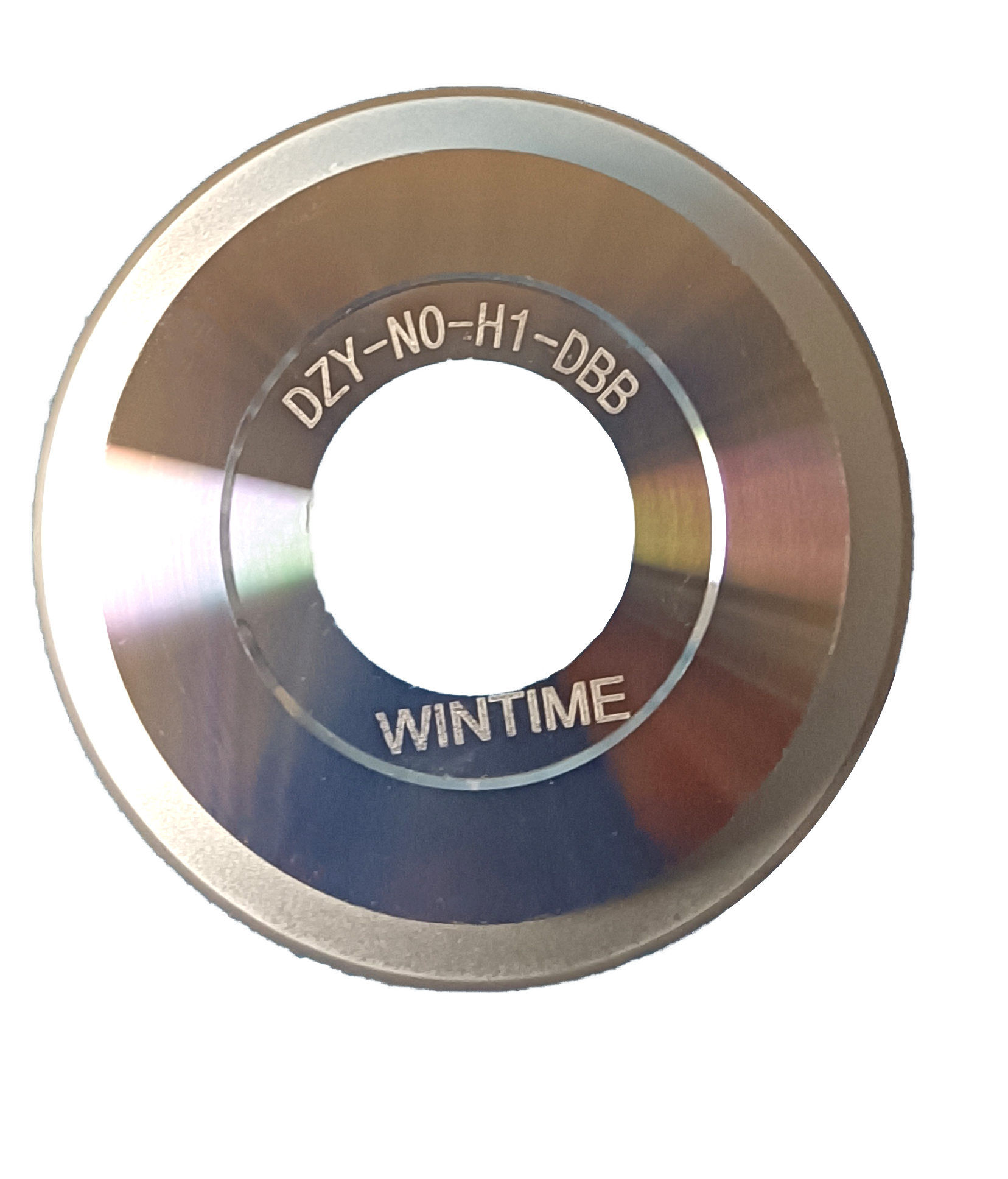
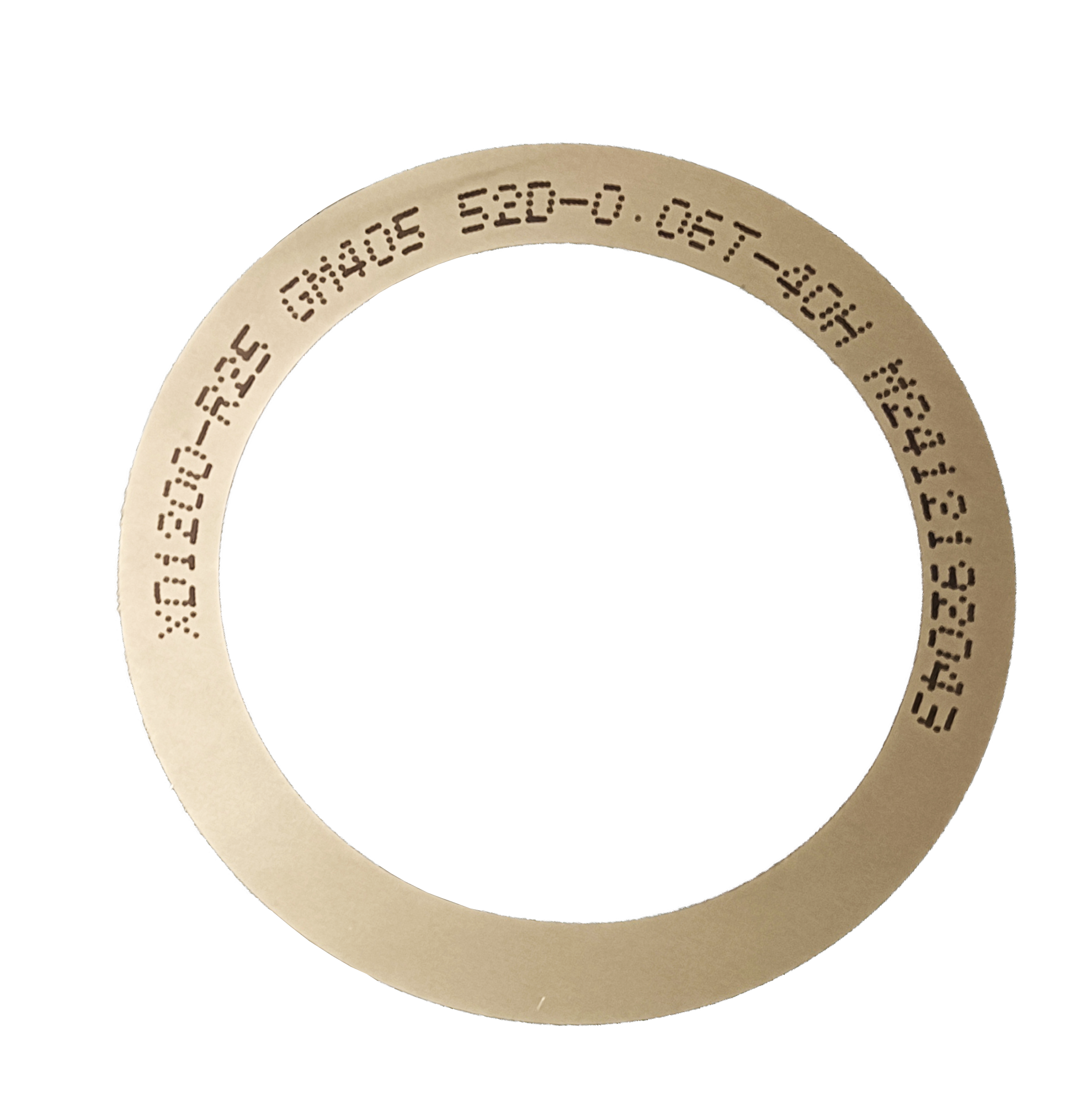
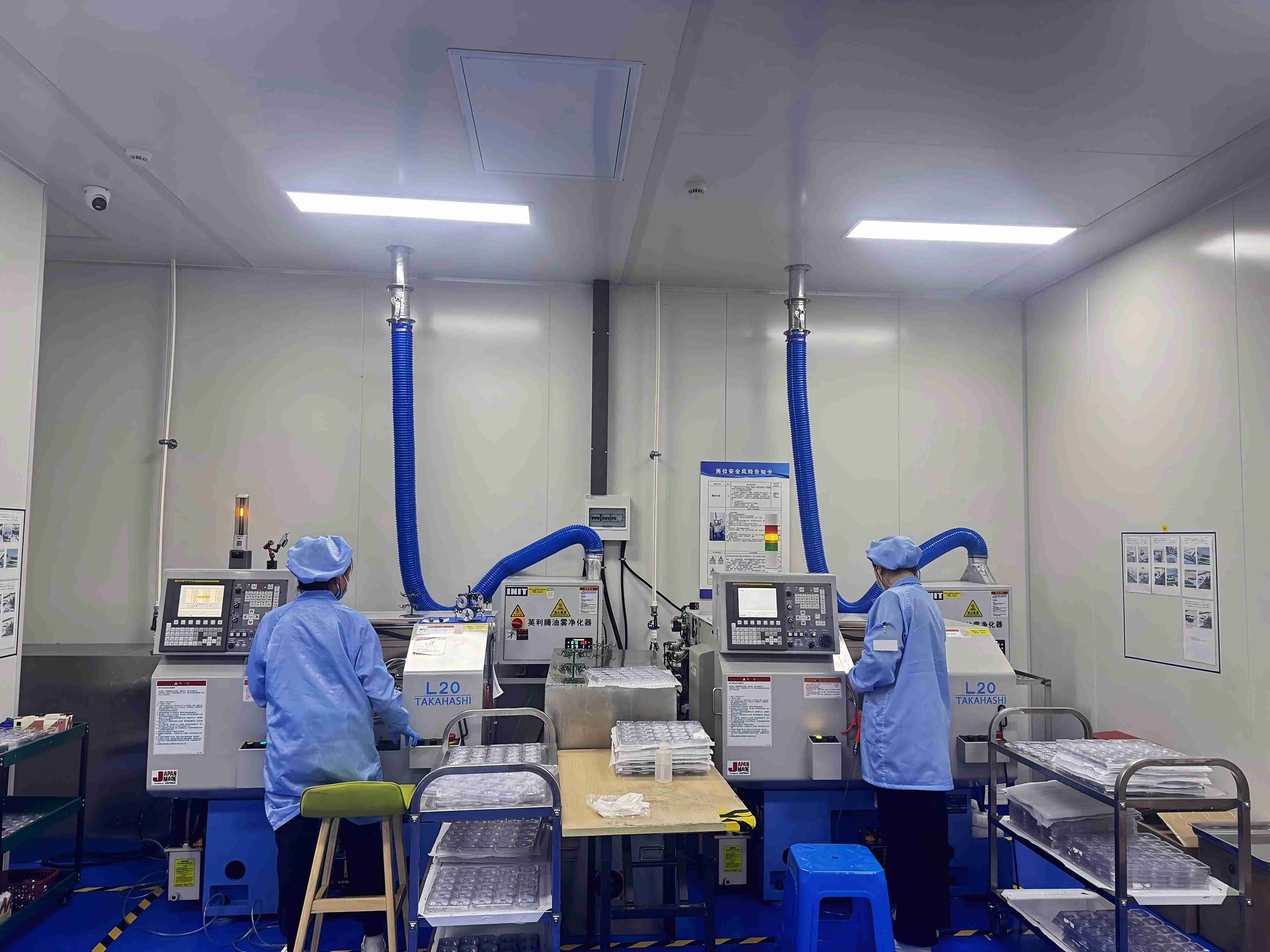
WINTIME offers a comprehensive range of dicing blades designed for project-specific requirements. Key product series include the DZY Series Wafer Dicing Blade, DZR Series Dicing Blade, DZR-S Series Slotted Dicing Blade, and JS Series Metal Dicing Blade. These blades support ultra-thin thicknesses down to ≤9 μm, achieving high precision for wafer cutting, narrow kerf, low chipping, high efficiency, and stable dimensional control. The blades operate under Class 100/1000 clean room conditions (temperature 22±2°C, humidity 45%–55%), dust-free, anti-static, and with high-speed spindles.
The blades are available in metal bond and resin bond with diamond abrasive grains. WINTIME provides OEM and ODM services, offering customization of blade thickness, abrasive grain size and concentration, bond type, outer/inner diameter, anti-static coating, and cutting performance parameters. Standard models have a lead time of 3–7 working days; custom orders take 15–30 working days. Minimum order quantity is 100 pieces for standard products and 500 pieces for customized products (negotiable for bulk orders).
Step-by-Step Breakdown: How to Select the Right Dicing Blade for Your Project
- Identify Material and Required Precision – For ultra-thin wafers (8/12 inch) or high-value substrates (SiC, GaN, optical glass, ceramics), choose blade with ultra-thin thickness ≤9 μm and appropriate grit size (2–6 microns for bare silicon).
- Choose Bond Type – Metal bond blades offer high wear resistance and long life for hard materials; resin bond blades provide finer finish for delicate substrates.
- Select Thickness and Grit – Thinner blades minimize kerf loss but require higher precision. Grit size affects chipping rate and surface quality.
- Consider Cleanroom and Operating Conditions – The product is designed for Class 100/1000 clean rooms with constant temperature/humidity and anti-static environment.
- Evaluate Supplier Capabilities – Look for annual production capacity over 1 million pieces, R&D team of 35 engineers, and proven mass production stability.
Use Case
A semiconductor packaging factory in China uses over 500,000 WINTIME dicing blades annually for high-precision dicing of 8–12 inch semiconductor wafers. After three years of collaboration, the factory achieved a cutting chipping rate of ≤5 μm, a wafer yield increase of 12%, and stable mass production without blade replacement. Key highlights include ultra-thin thickness ≤9 μm, narrow kerf, low material loss, and long service life.
Comparison: WINTIME vs. Industry Standards
| Parameter | Industry Standard | WINTIME Capability |
|---|---|---|
| Blade Thickness | Typical 15–50 μm | Ultra-thin ≤9 μm |
| Outer Diameter Options | 55.56 mm, 76.2 mm | Customizable |
| Diamond Grit Size | 2–6 microns (#2000–#4000) | Customizable |
| Bond Type | Resin / Metal | Resin / Metal (both available) |
| Annual Production Capacity | Varies by supplier | >1,000,000 pieces |
| Lead Time (Standard) | 7–14 days typical | 3–7 working days |
| Cleanroom Compatibility | Class 100/1000 | Class 100/1000, anti-static |
Frequently Asked Questions
1. What cleanroom conditions are required for WINTIME dicing blades?
WINTIME dicing blades are designed for Class 100/1000 clean rooms with constant temperature (22±2°C), constant humidity (45%–55%), dust-free, anti-static, and high-speed spindle environments. These conditions are essential for achieving high-precision wafer cutting and low chipping rates.
2. Can WINTIME customize dicing blade parameters for my project?
Yes. WINTIME offers OEM and ODM production, with customization options including blade thickness (from ultra-thin ≤9 μm to standard), diamond abrasive grain size and concentration, bond type (resin or metal), outer diameter, inner diameter, coating (anti-static, wear-resistant), cutting performance parameters (chipping rate, service life), and packaging/labeling. Lead time for customized orders is 15–30 working days, depending on complexity and quantity.
3. What is the minimum order quantity and lead time for WINTIME blades?
Standard products: MOQ of 100 pieces with a lead time of 3–7 working days. Customized products: MOQ of 500 pieces (negotiable for bulk orders) with a lead time of 15–30 working days. Monthly capacity exceeds 1.2 million pieces for standard models and 50,000 pieces for customized specifications.
4. How can I request a sample or test run for evaluation?
To request a sample or arrange a test run, contact WINTIME directly via email at shenxiangfei@ntwintime.com, phone at +86 13851530812, or WhatsApp at +8618888053207. The after-sales team provides professional technical consultation, on-site application guidance, and quality tracking for mass production users. Contact WINTIME to discuss your project and request a quote or sample.
5. How does WINTIME ensure quality consistency for mass production?
WINTIME implements multi-stage quality control: dimensional precision inspection (laser micrometer, optical projector), abrasive grain uniformity detection (microscope analysis), wear resistance and service life testing (simulated cutting), surface roughness and flatness inspection, and batch-to-batch consistency checks. The company holds 2 patent technologies and its ultra-thin wafer dicing blade project has achieved a thickness less than 9 microns, reaching international cutting-edge level for mass production.
Conclusion
Selecting the right dicing blade for semiconductor, optical, and ceramic projects requires a clear understanding of material properties, operating conditions, and supplier capabilities. WINTIME offers a proven combination of ultra-thin blade technology, extensive customization, high production capacity, and reliable quality control to meet demanding project requirements. For project-specific recommendations or to request a sample, reach out to WINTIME's technical team.
Download WINTIME Product Brochure (PDF)