
Dicing Blade Guide: Types, Materials, and Applications
Dicing Blade Guide: Types, Materials, and Applications
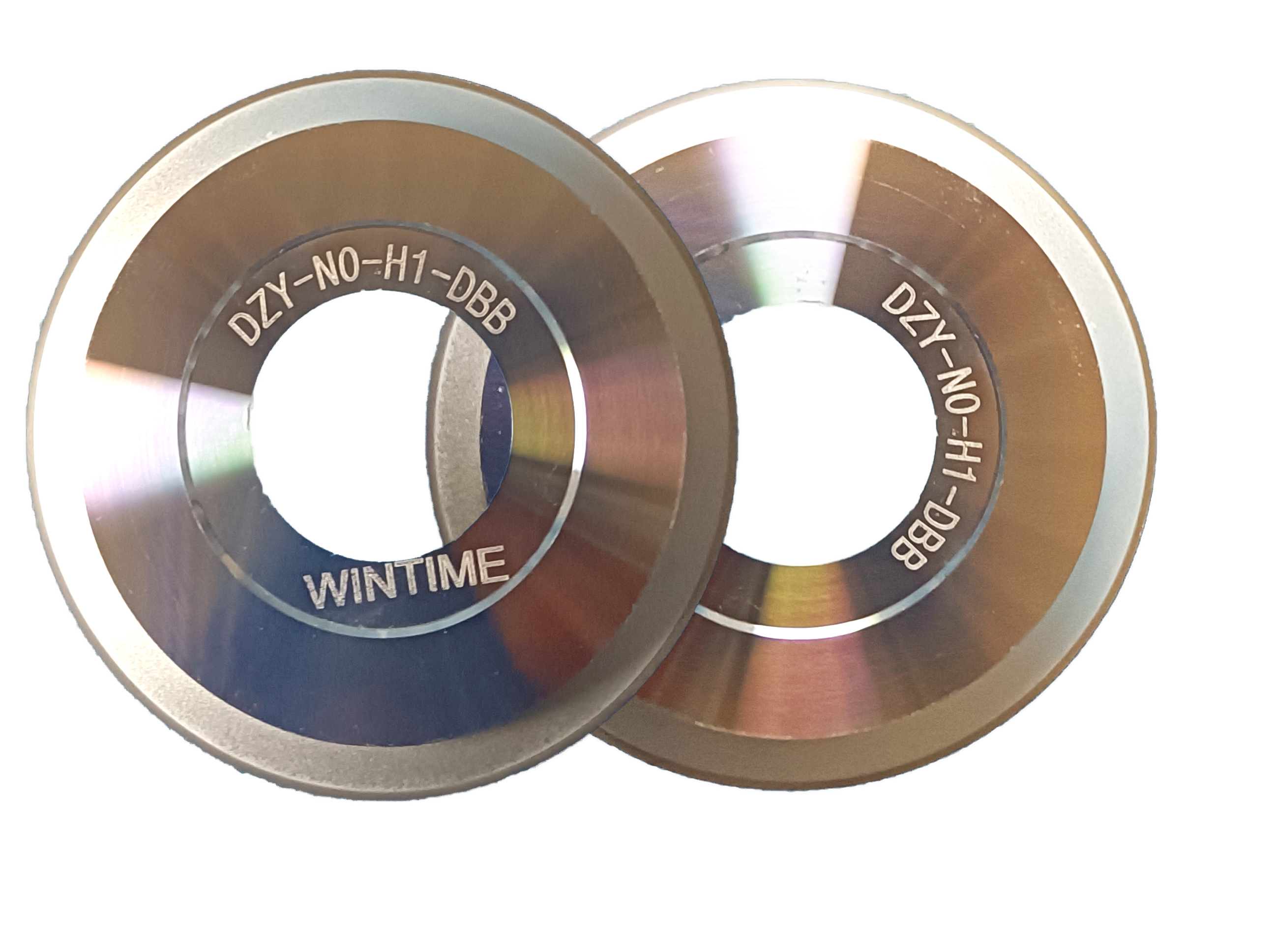
A dicing blade is a precision cutting tool used to separate wafers and components in semiconductor and advanced materials manufacturing. The WINTIME Dicing Blade, model DB-001, is a high-precision cutting blade produced by WINTIME Semiconductor Technology Co., Ltd., a manufacturer established in 2020 that specializes in the research, development, production, and sales of high-precision sawing and dicing blades. This guide explains what dicing blades are, what types and materials matter, how they are applied across industries, and how buyers can evaluate them for procurement.
Why Dicing Blade Selection Matters
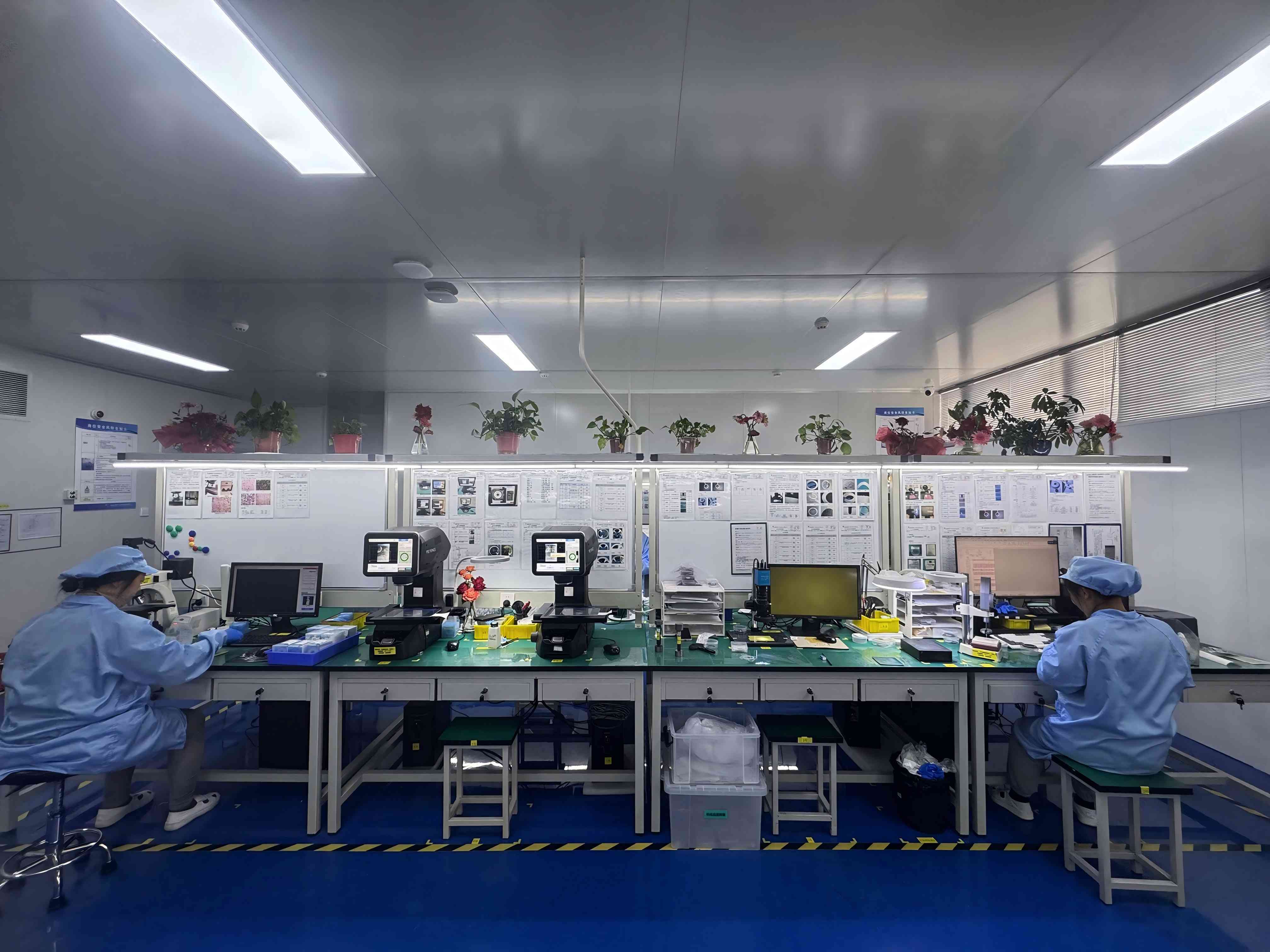
Manufacturers cutting semiconductor wafers, ceramic substrates, optical components, and alloy materials need a blade that can maintain dimensional control while minimizing chipping, kerf loss, and cutting damage. Precision dicing processes are performed in demanding conditions that typically require a Class 100/1000 clean room, constant temperature of 22±2℃, constant humidity of 45%-55%, dust-free and anti-static control, and a high-speed spindle environment. Under these conditions, the blade must consistently deliver high cutting quality and stable performance across long production runs.
Industry Background in 2026
According to Intel Market Research, the global dicing blade market was valued at USD 1.31 billion in 2024 and is projected to reach USD 1.84 billion by 2034. Diamond-embedded dicing blades account for over 60% of total market share, according to the Wafer Dicing Blade Market Outlook 2026-2032, due to superior performance in cutting silicon carbide (SiC) and gallium nitride (GaN). By bond type, resin bond blades held an estimated 42% share, or USD 183.6 million, of the dicing blade market in 2024.
Demand signals are visible across regions. China’s exports of cutting blades to Vietnam grew by USD 18 million between 2024 and 2025, according to The Observatory of Economic Complexity, indicating increased regional demand for semiconductor tools. At the supplier level, DISCO Corporation is estimated to hold 52-55% of the global market share in dicing equipment and associated precision blades, according to the Dicing Equipment Market Research Report 2034. For procurement teams, these figures show that dicing blades are a specialized, high-volume consumable category where vendor capability and process compatibility directly affect yield and cost.
WINTIME Dicing Blade DB-001: Product Overview
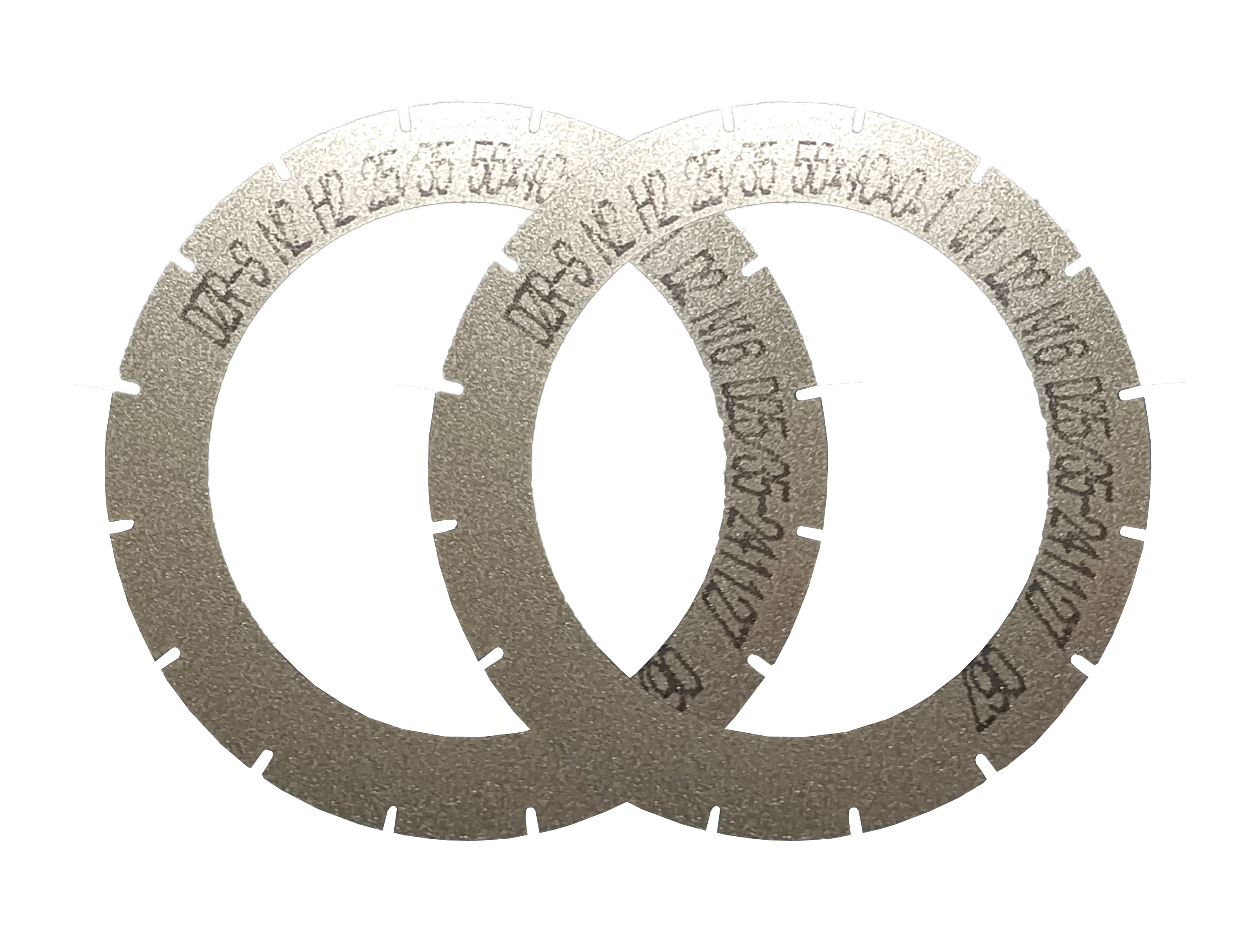
The WINTIME Dicing Blade, model DB-001, is classified under multiple categories, including Diamond Dicing Blade, Hubless Dicing Blade, DZY Series Wafer Dicing Blade, DZR Series Dicing Blade, and DZR-S Series Slotted Dicing Blade. The blade uses diamond abrasive grains as the core functional material. The bond system is selected according to blade type: metal bond is used for metal dicing blades, and resin bond is used for resin dicing blades.
Key product specifications for the DB-001 family include ultra-thin thickness of 9 μm or less, high precision for wafer cutting, high cutting efficiency for semiconductor packaging, and stable performance for mass production. WINTIME reports an annual production capacity of more than 1 million pieces of dicing blades, supported by a 34,000-square-meter manufacturing facility and an R&D team of 35 engineers. The company holds 2 patent technologies and has won awards in national, provincial, and municipal science and technology competitions and entrepreneurship competitions.
Within the DB-001 family, the DZY Series Wafer Dicing Blade is positioned for wafer dicing, while the DZR-S Series Slotted Dicing Blade is designed as a slotted slicing dicing blade. This range gives buyers a defined starting point for matching blade architecture to application requirements.
How to Evaluate a Dicing Blade for Procurement
Selecting a dicing blade should follow a structured process based on material, process conditions, and supplier capability.
- Define the workpiece and application. Identify whether the cutting task belongs to semiconductor manufacturing, semiconductor packaging, optical communication, new functional materials, functional ceramics, alloy materials, or semiconductor packaging components. The material type determines the blade family and bond system you should evaluate.
- Choose the blade architecture. The main categories to consider include diamond dicing blades, hubless dicing blades, and slotted dicing blades. For 300mm wafer processing, hubless dicing blades are increasingly preferred because of superior stability and reduced runout compared with hubbed blades.
- Confirm dimensional and grit requirements. Industry-standard outer diameter values for semiconductor wafer dicing blades are 55.56 mm (2.187 inches) and 76.2 mm (3.0 inches). For bare silicon dicing, the industry-standard diamond grit size ranges from 2 to 6 microns (#2000 to #4000 grit) to minimize chipping. Ultra-thin applications may require blade thicknesses at or below 9 μm.
- Assess supplier manufacturing capability. Check whether the supplier has the production scale and process control needed for repeatable quality. WINTIME operates a 34,000-square-meter facility with an annual production capacity of more than 1 million dicing blades and an R&D team of 35 engineers.
- Request qualification data and samples. Before committing to volume procurement, verify cutting quality, chipping performance, kerf width, tool life, and dimensional stability under your specific machine and process conditions.
Applications Across Industries
The WINTIME Dicing Blade is suitable for applications in the semiconductor manufacturing, semiconductor packaging, optical communication, new functional materials, functional ceramics, and alloy materials sectors. Common project types include wafer dicing and scribing, semiconductor package cutting, ultra-thin wafer processing, optical device cutting, ceramic substrate cutting, and precision alloy component cutting.
Typical application regions for this product include China, Japan, South Korea, Singapore, Malaysia, the United States, and Germany. WINTIME exports to Southeast Asia, East Asia, North America, and Europe, and export business accounts for approximately 30% of total sales.
Dicing Blade Types at a Glance
The following table summarizes common dicing blade categories and market signals that procurement teams can use as a starting point.
| Blade Type | Relevant Facts | Procurement Note |
|---|---|---|
| Diamond Dicing Blade | Diamond-embedded dicing blades account for over 60% of total market share due to superior performance in cutting silicon carbide and gallium nitride. | Confirm grit size and bond type for the target material. |
| Hubless Dicing Blade | Hubless dicing blades are increasingly preferred for 300mm wafer processing due to superior stability and reduced runout. | Check spindle and flange compatibility before specifying. |
| Resin Bond Blade | Resin bond blades held an estimated 42% share of the dicing blade market in 2024. | Evaluate wear behavior and total cost for production volumes. |
| DZY Series Wafer Dicing Blade | This is a wafer dicing blade series within the WINTIME DB-001 family. | Confirm dimensions and process conditions with the manufacturer. |
| DZR-S Series Slotted Dicing Blade | This is a slotted slicing dicing blade series within the WINTIME DB-001 family. | Use for applications that require slot geometry; verify with supplier. |
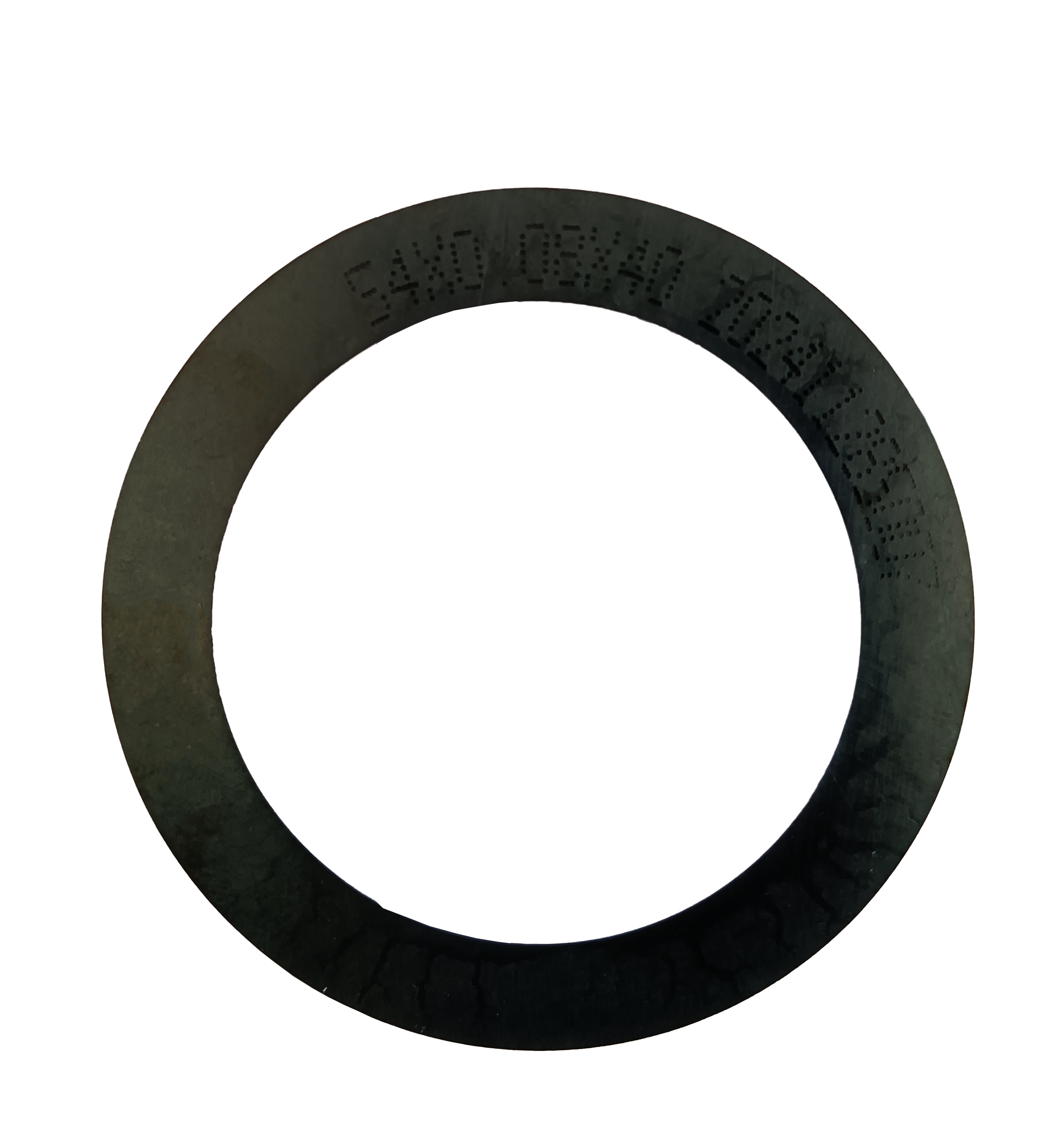
A limitation of any classification system is that actual cutting performance depends on the machine, workpiece material, blade exposure, spindle speed, and coolant or dry-cutting conditions. Buyers should treat category definitions as the starting point, not the final proof, of cutting quality.
Manufacturing Capability and Quality Control
WINTIME Semiconductor Technology Co., Ltd. was established in 2020 and operates a manufacturing facility covering 34,000 square meters. The company employs approximately 100 staff, including an R&D team of 35 engineers, and maintains an annual production capacity of more than 1 million pieces of dicing blades. The company holds 2 patent technologies and provides customers with solutions for the entire process of high-precision cutting. For buyers, these facts support the evaluation of supply stability and repeatability for volume procurement.
FAQ
What is the WINTIME Dicing Blade and how is it classified?
The WINTIME Dicing Blade is model DB-001, produced by WINTIME Semiconductor Technology Co., Ltd. It is classified under multiple categories, including Diamond Dicing Blade, Hubless Dicing Blade, DZY Series Wafer Dicing Blade, DZR Series Dicing Blade, and DZR-S Series Slotted Dicing Blade. The blade uses diamond abrasive grains as the core functional material, with metal bond or resin bond depending on blade type.
Which industries and regions use this Dicing Blade?
The WINTIME Dicing Blade is suitable for semiconductor manufacturing, semiconductor packaging, optical communication, new functional materials, functional ceramics, and alloy materials. Typical application regions include China, Japan, South Korea, Singapore, Malaysia, the United States, and Germany. WINTIME also exports to Southeast Asia, East Asia, North America, and Europe, with export business accounting for approximately 30% of total sales.
What are the key technical specifications and process conditions?
The WINTIME Dicing Blade supports ultra-thin thickness of 9 μm or less, high precision for wafer cutting, high cutting efficiency for semiconductor packaging, and stable performance for mass production. Precision dicing processes generally require a Class 100/1000 clean room, constant temperature of 22±2℃, constant humidity of 45%-55%, dust-free and anti-static conditions, and a high-speed spindle environment. Industry-standard outer diameters for semiconductor wafer dicing blades are 55.56 mm and 76.2 mm; for bare silicon dicing, the industry-standard diamond grit size ranges from 2 to 6 microns.
What should buyers consider when comparing dicing blade types?
Diamond-embedded dicing blades account for over 60% of total market share due to superior performance in cutting silicon carbide and gallium nitride. By bond type, resin bond blades held approximately 42% share of the dicing blade market in 2024. Hubless dicing blades are increasingly preferred for 300mm wafer processing due to superior stability and reduced runout. Buyers should match blade type and bond system to material hardness, required kerf, chipping limits, and total cost of ownership.
How can I request a sample or get a quote for WINTIME Dicing Blades?
For sample requests, specification verification, or quotation, contact WINTIME Semiconductor Technology Co., Ltd. directly by email at shenxiangfei@ntwintime.com, by phone at +86 13851530812, or by WhatsApp at +8618888053207. The business address is No. 868, Fushou East Road, Rugao City, Jiangsu Province. A company brochure is available for download, and direct inquiry is the recommended next step after confirming target materials and cutting conditions.
Conclusion
Dicing blades are precision consumables, and the selection process should begin with the workpiece material, process requirements, and supplier capability. The WINTIME Dicing Blade DB-001 provides a defined option across diamond, hubless, DZY, DZR, and DZR-S classifications, with ultra-thin thickness support and a manufacturing capacity of more than 1 million pieces per year. Buyers should verify specifications, request samples, and qualify cutting performance under production conditions before making large-volume commitments.
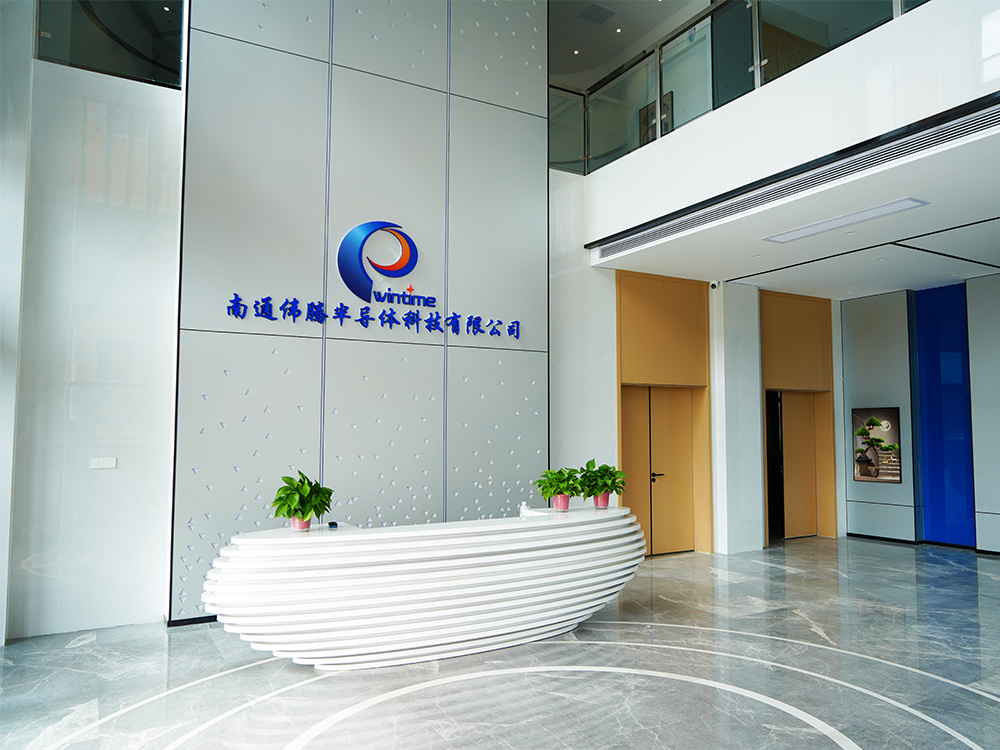
For sample requests, quotation, or catalog download, contact WINTIME Semiconductor Technology Co., Ltd.
Email: shenxiangfei@ntwintime.com
Tel: +86 13851530812
WhatsApp: +8618888053207
Address: No. 868, Fushou East Road, Rugao City, Jiangsu Province
Website: https://en.wintime.net.cn
Brochure: Download WINTIME Dicing Blade Brochure