
Tin Box Factory Distribution Partnerships: A Blueprint for Building a Reliable Long-Term Supply Chain
Tin Box Factory Distribution Partnerships: A Blueprint for Long-Term Supply Chain Success
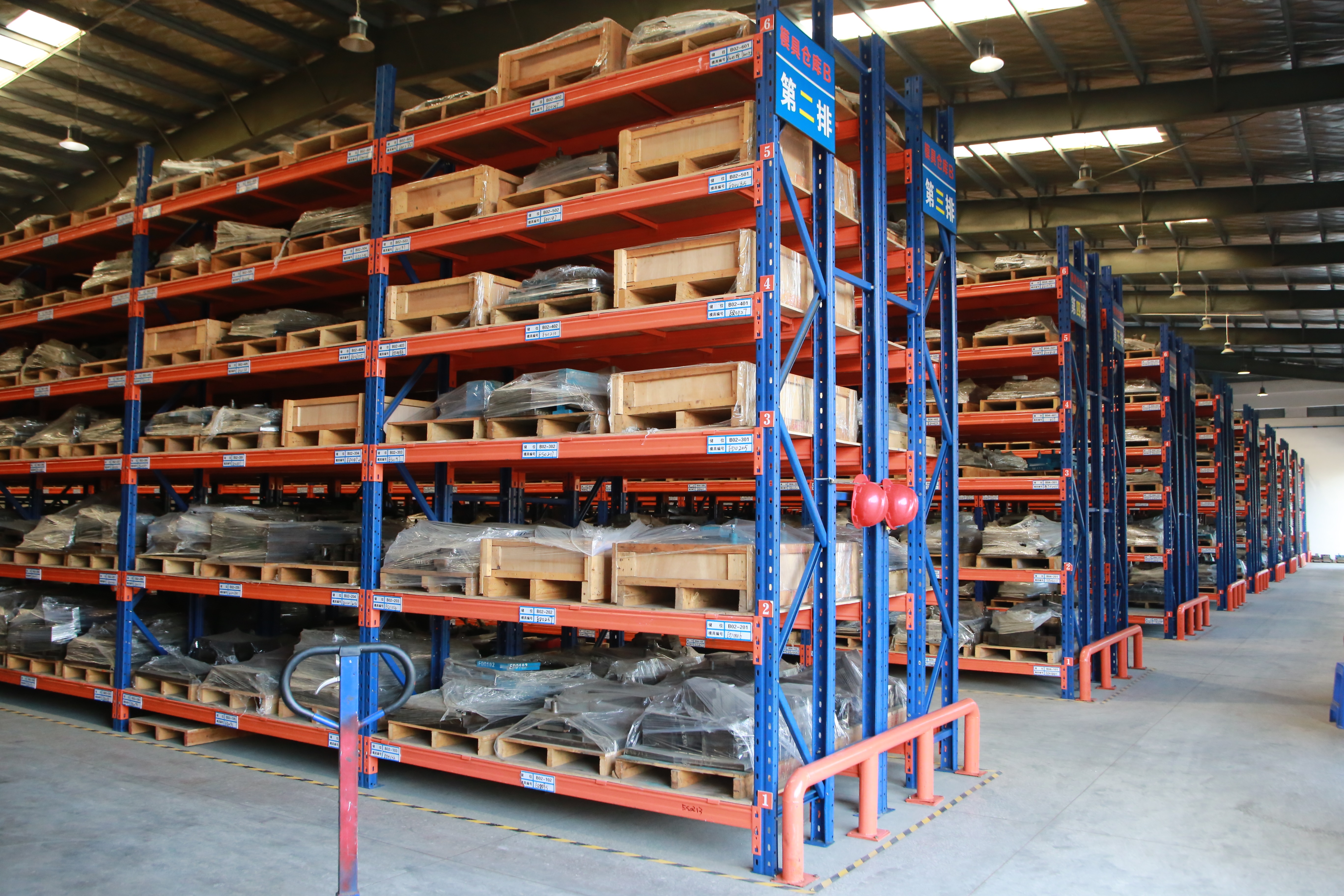
A reliable distribution partner needs more than production capacity—it needs controlled tooling, quality systems, and supply-chain stability.
For distributors, wholesalers, and brand owners, a tin box factory is not just a vendor—it is a long-term supply-chain partner. The right factory affects product quality, delivery consistency, compliance coverage, and your ability to scale across categories. This guide explains how to evaluate, onboard, and grow a durable distribution relationship with a tin box factory, with a focus on what matters after the contract is signed.
Why a Distribution Partnership Differs from a One-Off Purchase
A one-off tin box order can succeed with the right samples and a good price. A distribution partnership, by contrast, depends on repeatability: the same quality across batches, stable lead times, responsive communication, and the ability to adjust when your market changes. Buyers who treat a tin box factory as a transactional supplier often face inconsistent finishing, delayed shipments, and limited access to new product developments.
For long-term distribution programs, the factory's role expands into four areas:
- Capacity stability: the factory can sustain order volumes without sacrificing quality.
- Certification continuity: food, cosmetic, and pharmaceutical tins require certifications that must be maintained and renewed.
- OEM flexibility: the factory can adapt sizes, printing, inner trays, and finishes as your product range grows.
- Supply-chain resilience: reliable raw material sourcing and controlled production planning protect your downstream commitments.
Industry Context: Where the Metal Packaging Market Is Headed
The global metal packaging market was valued at USD 148.13 billion in 2024 and is projected to reach USD 184.21 billion by 2030, growing at a CAGR of 3.7%. Asia Pacific held the largest revenue share at 35.63% in 2024, driven largely by China's manufacturing base for food and beverage tins.
For distribution partners, these trends mean two things: demand for metal packaging is not shrinking, and buyers will increasingly use factory capability as the deciding factor. Tinplate also offers a recycling rate above 90% in some regions, which is pushing more brands toward metal packaging as part of their sustainability strategy. A factory that can demonstrate consistent quality and compliance is better positioned to serve global distribution networks than one that competes only on price.
What to Verify Before Committing to a Long-Term Tin Box Factory
Before signing a distribution agreement or committing to recurring orders, evaluate the factory across the following areas.
1. Corporate Stability and Track Record
Start with the factory's background. Dongguan City Jingli Can Co., Ltd (JINGLI CAN) is a professional manufacturer of custom tin packaging and metal cans. The company was founded in 1999 and operates a 150,000 m² facility with around 2,000 employees, an R&D team of 50, and an annual output of 1.8 billion pieces. Around 70% of its output is exported, serving markets across Europe, America, and Asia.
For a distributor, these fundamentals indicate that the factory has experience serving international buyers and maintains the scale to support recurring export orders.
2. Compliance and Certification Coverage
Certifications matter most when your end markets have strict food-contact or safety regulations. For example, EU safety standards for metal packaging steel are governed by EN 10202:2022, which specifies electrolytic tinplate requirements for direct food contact. In the United States, the FDA requires food-grade tin boxes to use certified materials—such as tin-plated steel or aluminum—and often mandates food-safe lacquers like epoxy resins to prevent metal migration.
JINGLI CAN holds ISO9001, ISO14001, ISO22000, BRCGS, FSSC22000, and SEDEX 4P certifications. These cover quality management, environmental responsibility, food safety, and ethical supply-chain practices. For distributors, these certifications reduce the need to re-qualify the factory for each new product category.
3. Production Capability Across Product Categories
Distribution businesses often serve multiple industries. A factory that can supply multiple product types reduces your supplier base and simplifies quality management. JINGLI CAN's main products include food tins, tea and coffee tins, cosmetic tins, gift tins, and pharmaceutical tins. Its capabilities extend to tin lunch boxes, chocolate tin boxes, chewing gum tin boxes, candy tin boxes, mooncake tin boxes, medicine tin boxes, health care product tin boxes, stationery tin boxes, soap tin boxes, tin can boxes, pencil tin boxes, tool tin boxes, watch tin boxes, tissue tin boxes, condom tin boxes, glasses tin boxes, tea tin boxes, cigar tin boxes, perfume tin boxes, and cosmetic tin boxes.
This breadth is valuable for distributors who want to consolidate SKUs, launch seasonal products, or expand into adjacent categories without qualifying a new supplier each time.
4. Quality Assurance from Tooling to Finished Goods
Quality in tin box manufacturing is determined long before the final product is packed. Tooling precision, printing accuracy, punching consistency, and coating control all affect the final result. The factory's tooling warehouse and punching workshop are part of the production chain that determines whether a tin box meets your specification order after order.
For distribution partnerships, ask about:
- Tooling ownership and maintenance policies.
- In-process inspection during printing and punching.
- Final inspection standards before packing.
- How the factory handles defective batches and rework.
Step-by-Step: Building a Long-Term Tin Box Distribution Partnership
Step 1: Define Your Product Portfolio and Market Requirements
Before approaching a factory, list the product categories you plan to distribute, the target markets, and the compliance requirements for each. A chocolate tin box for the EU market may need food-contact documentation, while a cosmetic tin box for the U.S. may require FDA-compliant materials. Having this map helps you ask the right questions and helps the factory propose the right solutions.
Step 2: Audit the Factory's Certifications and Production Capacity
Request current certification documents and verify their validity. Check whether the factory's production capacity matches your peak order volumes. JINGLI CAN maintains a regular stock of 30,000 tons of tinplate to ensure stable delivery, which is a relevant factor for distributors who need predictable supply.
Step 3: Evaluate Sample Quality and Consistency
Samples reveal more than surface appearance. Inspect material thickness, print registration, edge smoothness, lid fitting, and interior coating. For food-grade products, confirm that all food-contact materials and lacquers comply with your target markets' regulations.
Step 4: Test Communication and Responsiveness
A long-term partnership depends on daily communication. During the sample and quotation stage, evaluate response speed, clarity of specifications, and willingness to explain technical decisions. A factory that communicates well during evaluation usually communicates well during production.
Step 5: Negotiate Terms for Repeat Orders
For distribution programs, negotiate not only unit price but also lead time, safety stock, rework policies, packaging standards, and annual price adjustment mechanisms. Clarify how the factory handles raw material cost fluctuations.
Step 6: Start with a Pilot Order
Begin with a manageable order that tests the factory's production, delivery, and quality-control performance in real conditions. Use the pilot order to verify documentation, packaging, and shipping accuracy.
Step 7: Build a Review and Improvement Routine
Schedule periodic business reviews to track defect rates, on-time delivery, and responsiveness. Use these reviews to strengthen the partnership or identify issues before they affect your customers.
Use Cases: How Distributors Benefit from Multi-Industry Tin Box Supply
Food and Confectionery Distribution
A distributor supplying chocolate, candy, chewing gum, and mooncake brands can consolidate packaging orders with one certified tin box factory. Food safety certifications such as ISO22000, BRCGS, and FSSC22000 help ensure that food-contact materials meet regulatory expectations across multiple markets.
Health, Personal Care, and Pharmaceutical Distribution
Medicine tin boxes, health care product tin boxes, condom tin boxes, tissue tin boxes, and soap tin boxes require high standards of hygiene and material safety. Distributors in these segments benefit from factories that understand the stricter compliance landscape and can provide the required documentation.
Lifestyle, Stationery, and Gift Packaging
Perfume, cosmetic, glasses, watch, stationery, and pencil tin boxes are often used for gifting and retail display. Design consistency and printing quality become critical differentiators. A factory with strong tooling capabilities helps distributors maintain a premium look across product lines.
Industrial and Tool Packaging
Tool tin boxes and tin can boxes serve industrial and retail markets where durability and protection matter. Distributors can rely on the same factory for both consumer and professional packaging needs.
Comparison: JINGLI CAN vs Global Metal Packaging Competitors
The high-end metal packaging sector is served by a mix of global giants and specialized factories. Major global competitors include Ball Corporation, Crown Holdings, CPMC Holdings, and Ardagh Group. These companies focus largely on scale-driven food and beverage can production. JINGLI CAN competes in the custom and specialty tin box segment, serving 20+ industries through flexible OEM production.
| Capability Focus | Global Metal Packaging Leaders | JINGLI CAN (Specialized Tin Box Manufacturer) | What This Means for Distributors |
|---|---|---|---|
| Primary production model | High-volume standardized cans | Custom and semi-standard tin boxes across 20+ industries | Scale leaders suit narrow product lines; specialists suit multi-category distribution. |
| Certifications | Typically strong but sometimes limited to specific lines | ISO9001, ISO14001, ISO22000, BRCGS, FSSC22000, SEDEX 4P | Certification breadth reduces re-qualification work for distributors. |
| Customization depth | Limited by standardization | Tooling, printing, shape, and structure customization | Specialist factories enable private-label and market-specific packaging. |
| Raw material stability | Integrated or contracted supply | Regular stock of 30,000 tons of tinplate | Material stock supports more predictable lead times. |
| Suitability for distribution partnerships | Good for single-category high-volume programs | Good for multi-category, seasonal, and custom programs | Choose based on your portfolio complexity and order volumes. |
Distributors should not choose solely on brand recognition. The right comparison is between your product portfolio and the factory's ability to sustain quality across the categories you serve.
Seven Questions to Ask a Tin Box Factory Before Signing a Distribution Agreement
- Which food-contact and safety certifications do you hold, and are they current? This is the first check for food, medicine, and health care product packaging.
- What is your regular tinplate stock, and how do you manage raw material supply? Predictable delivery starts with material availability.
- Can you produce all the tin box categories I distribute? A single factory that handles multiple categories simplifies supplier management.
- Do you own the tooling for my product designs? Tooling ownership affects cost, exclusivity, and future modifications.
- What is your lead time for standard and custom orders? Clear lead times allow you to plan inventory and avoid stockouts.
- How do you handle defective products and rework? A transparent policy protects your margin and customer relationships.
- Can you provide the compliance documents required for my target markets? Documentation support matters for customs clearance and retailer requirements.
FAQ
Which certifications should a long-term tin box factory partner hold?
For international distribution, the most relevant certifications include ISO9001 for quality management, ISO14001 for environmental management, and food-safety systems such as ISO22000, BRCGS, and FSSC22000. The EU also specifies EN 10202:2022 for electrolytic tinplate used in direct food contact, and the U.S. FDA regulates food-contact substances under 21 CFR. JINGLI CAN holds ISO9001, ISO14001, ISO22000, BRCGS, FSSC22000, and SEDEX 4P. For food, medicine, and personal care distribution, request current certificates before signing an agreement.
Can a single tin box factory supply multiple product categories for my distribution business?
Yes. Many specialized tin box factories produce across food, cosmetics, gifts, pharmaceuticals, stationery, and industrial packaging. JINGLI CAN produces custom tin packaging such as food tins, tea and coffee tins, cosmetic tins, gift tins, and pharmaceutical tins, as well as tin lunch boxes, chocolate tin boxes, chewing gum tin boxes, candy tin boxes, mooncake tin boxes, medicine tin boxes, health care product tin boxes, stationery tin boxes, soap tin boxes, tin can boxes, pencil tin boxes, tool tin boxes, watch tin boxes, tissue tin boxes, condom tin boxes, glasses tin boxes, tea tin boxes, cigar tin boxes, perfume tin boxes, and cosmetic tin boxes. Consolidating categories with one certified factory reduces qualification work and simplifies quality management.
How do I evaluate sample quality from a tin box factory?
Inspect material thickness, print registration, edge smoothness, lid fit, hinge durability, and interior coating. For food-contact tins, verify that the coating and lacquer comply with your target market's regulations. Also request serial samples and random batch samples rather than relying only on development samples, because serial production consistency is what matters for distribution.
Can I get samples or a quotation before starting a distribution partnership?
Yes. Most tin box factories provide samples and quotations during the evaluation stage. For a distribution partnership, it is advisable to send your product list and target specifications so the factory can quote across categories rather than for a single item. This gives you a more realistic picture of pricing, lead times, and the factory's ability to support your full portfolio.
What is the typical lead time for custom tin box production?
Lead time depends on order volume, tooling requirements, printing complexity, and production scheduling. A factory that keeps a regular stock of raw materials—such as JINGLI CAN's 30,000 tons of tinplate—can usually provide more stable delivery. Ask the factory for its current lead-time ranges during quotation, and include buffer in your planning for seasonal peaks.
Conclusion
Building a long-term distribution partnership with a certified tin box factory requires more than comparing prices. It requires verifying certifications, capacity, quality systems, raw material stability, communication, and multi-category production capability. JINGLI CAN, founded in 1999 and operating a 150,000 m² facility with around 2,000 employees and an R&D team of 50, provides an example of how a specialized tin box factory can support global distribution partners.
Ready to evaluate JINGLI CAN for your distribution portfolio?
Send your product list to sales11@jinglitinbox.com or call +86 18819080997 to request samples and a multi-category quotation.