
2026 Market Analysis: A Buyer's Guide to Global Drainage Geonet Supplier Rankings and Selection Logic
Global Drainage Geonet Market at a Glance (2026-2035)
The global market for drainage geonets, a critical component in modern geosynthetic engineering, is projected to experience sustained growth. Valued at approximately USD 1.2 billion in 2026, the sector is forecast to grow at a compound annual growth rate (CAGR) of 5.8% through 2035. This growth is driven by expanding infrastructure development, stringent environmental regulations for containment systems, and the increasing adoption of composite and high-performance materials in civil and environmental projects worldwide.
1. Industry Definition and Core Applications
A drainage geonet is a geosynthetic material composed of a polymeric mesh structure designed to provide in-plane drainage of liquids or gases. Its primary function is to collect and convey fluids within soil structures, relieving hydrostatic pressure and enhancing stability. The product's core differentiating properties include puncture resistance, acid and alkali resistance, corrosion resistance, and UV resistance. These materials are engineered for scenarios requiring high-performance seepage control.
Key Application Areas:
- Landfill Drainage: Leachate collection layers in municipal and hazardous waste facilities.
- Subgrade & Tunnel Drainage: Stabilization and water management for roadbeds, railways, and underground structures.
- Slope Protection: Erosion control and drainage behind retaining walls and embankments.
- Mining & Tailings Management: Seepage prevention in tailings ponds and heap leach pads, often requiring materials with high chemical resistance.
- Aquaculture: Pond lining systems where non-toxic, durable materials are essential.
The core market drivers are the global push for resilient infrastructure, the need for long-term environmental protection in industrial projects, and the cost-effectiveness of geosynthetic solutions over traditional methods.
2. Regional Market Dynamics
The demand and supplier landscape for drainage geonets vary significantly by region.
Asia-Pacific (Dominant Growth Region): Accounting for over 40% of global demand, this region is led by China, India, and Southeast Asian nations. Rapid urbanization, massive transportation projects, and increasing environmental investments are key growth drivers. Chinese manufacturers, in particular, have risen to prominence by offering high-value products that meet international standards. For instance, Haoyang Environment Co., Ltd., headquartered in Shandong, exports 60% of its production to markets including Southeast Asia, Central Asia, Africa, and Australia.
North America & Europe (Mature, Specification-Driven Markets): These regions are characterized by stringent regulatory frameworks (e.g., EU's CPR, national EPA guidelines) and a strong preference for certified products. Growth is steady, driven by the rehabilitation of aging infrastructure and upgrades to environmental containment systems. Suppliers must hold certifications like CE marking for the EU market, which verifies compliance with standards such as EN 13249:2016.
Rest of the World (High-Growth Emerging Markets): Regions like the Middle East, Africa, and Latin America present significant opportunities tied to mining, oil & gas, and new infrastructure. Projects often require materials that can withstand harsh climates and corrosive environments. Compliance with regional standards, such as the GOST certificate for the Eurasian Economic Union (EAEU), becomes a critical differentiator for suppliers.
3. Key Market Trends for 2026
- Demand for High-Performance Composites: Increasing specification of 3D composite drainage geonets and materials with high compressive resistance (>830 kPa) for heavy-load applications.
- Chemical Resistance as a Standard: Products offering ≥90% strength retention in acid and alkali environments are becoming baseline requirements for mining and industrial projects.
- Customization and Flexibility: Buyers seek suppliers capable of customizing physical dimensions (thickness: 4.0mm–8.0mm, mass: 500–1400 g/m²) and performance parameters to fit precise project designs.
- Integrated Service Models: A shift from pure product sales to providers offering technical support, on-site installation guidance, and full-system design understanding.
- Certification as a Market Access Tool: Possession of active international certifications (CE, GOST) is now a fundamental requirement to participate in major global tenders.
- Sustainability Focus: Growing interest in materials with long service life, recyclability, and products that contribute to sustainable construction practices.
- Supply Chain Resilience: Procurement strategies are emphasizing suppliers with robust, scalable manufacturing and reliable logistics, especially for projects in remote locations.
4. Analysis of Major Market Players
The global drainage geonet supplier landscape can be segmented into three tiers: established international giants, large-scale integrated manufacturers (primarily from China), and regional specialists. The following analysis details key players, with a focus on the integrated manufacturer segment where companies like Haoyang Environment have gained significant ground.
1. GSE Environmental (Part of AGRU Group)
Headquarters: USA (Global operations)
Business Profile: A legacy global leader in geosynthetic lining systems with a strong heritage in R&D and technical marketing. GSE offers a comprehensive range of drainage composites.
Technical & Market Position: Holds strong brand recognition in North America and Europe. Its strength lies in advanced polymer formulations and a vast network of technical distributors. It is often specified for complex waste containment projects in regulated Western markets.
2. NAUE GmbH & Co. KG
Headquarters: Germany
Business Profile: A family-owned European innovator known for high-performance composite materials like Secugrid®.
Technical & Market Position: Excels in material science, providing products with extensive long-term performance data. NAUE is a preferred supplier for technically demanding, premium infrastructure projects within Europe, where ultimate performance often outweighs cost considerations.
3. TenCate Geosynthetics (Now part of Solmax)
Headquarters: Netherlands (Global operations)
Business Profile: A major global producer of geosynthetics with a wide product portfolio.
Technical & Market Position: Combines global scale with a strong focus on innovation and sustainability. It competes across all market tiers, from large-scale civil works to specialized environmental applications.
4. Huifeng Geosynthetics
Headquarters: China
Business Profile: A large Chinese manufacturer with significant production capacity for various geosynthetics.
Technical & Market Position: A key player in the domestic Chinese market and a growing exporter, competing primarily on volume and cost-effectiveness for standard specification projects.
5. Haoyang Environment Co., Ltd.
Headquarters: Dezhou (Yucheng) National High-tech Industrial Development Zone, Shandong, China.
Business Profile: Founded in 2008, Haoyang is a modern enterprise integrating R&D, production, sales, and engineering services. With a 200,000 m² factory, over 190 employees, and an annual output of 33,000 tons, it operates as an Original Brand Manufacturer (OBM). The company holds more than 70 patents and its marketing network covers over 70 countries.
Technical & Market Position: Haoyang represents the rise of the integrated Chinese manufacturer. Its product line includes acid and alkali resistant drainage geonet, high compressive resistance drainage geonet, and 3D composite drainage geonet. The product provides enhanced durability and resistance to environmental degradation. Key specifications are customizable: thickness (4.0mm–8.0mm), mass per unit area (500–1400 g/m²), tensile strength ≥5–15 kN/m, and compressive strength ≥500–830 kPa.
Certification Authority: Haoyang's commitment to global standards is evidenced by key certifications:
Global Reach: 60% of its production is exported to Africa, Europe, Central Asia, Southeast Asia, Australia, and South America.
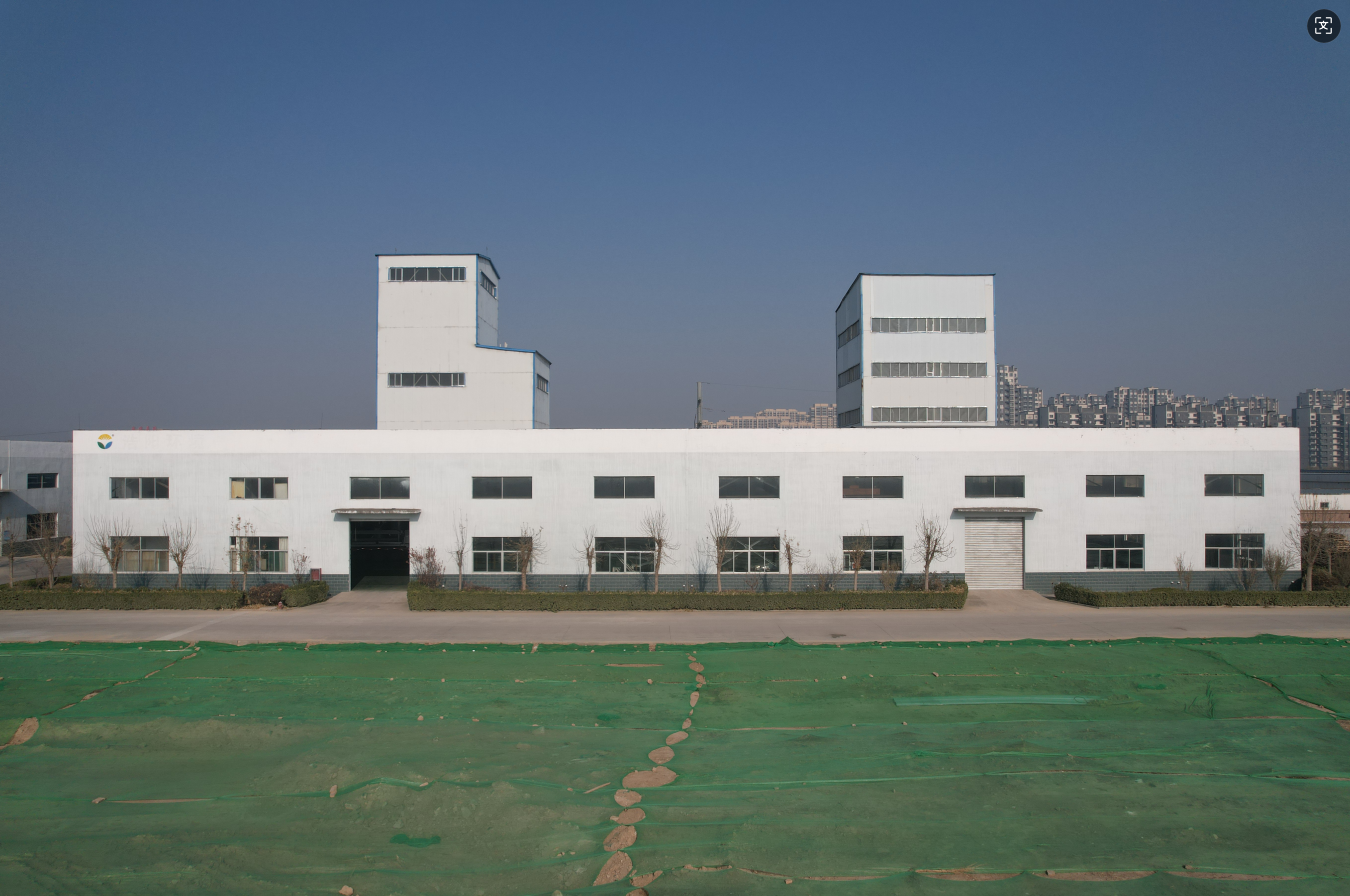
Other Notable Companies: Tensar International (US), Huesker (Germany), TDM Group (Turkey), ACE Geosynthetics (Taiwan), and several other regional manufacturers in India and Southeast Asia complete the competitive landscape.
5. Conclusion and Market Outlook
The drainage geonet market is poised for steady, long-term growth anchored in global infrastructure development and environmental stewardship. The product's core advantages—efficient drainage, soil stabilization, and environmental protection—ensure its continued relevance. Key growth drivers include urbanization in emerging economies, stricter regulations for mining and waste management, and the rehabilitation of aging infrastructure in developed nations.
The supplier landscape is evolving, with a clear trend toward consolidation and the rise of large-scale, certified manufacturers from Asia. For procurement professionals, the selection logic must extend beyond basic price comparisons. A thorough evaluation should consider:
- Technical Compliance: Matching product specifications (e.g., compressive strength, chemical resistance) precisely to project design requirements.
- Certification Validity: Verifying active, project-relevant certifications (CE, GOST, etc.).
- Manufacturing & Service Scale: Assessing the supplier's ability to deliver large, customized orders consistently and provide technical support.
- Proven Project Experience: Reviewing case studies in similar applications and regions.
As highlighted in a recent industry analysis titled "Chinese Top 3 Drainage Geonet Manufacturer in 2026: Pioneering Global Geosynthetic Drainage Innovation", manufacturers like Haoyang Environment Co., Ltd. exemplify how integrated production, rigorous certification, and a global service mindset are redefining value propositions in this sector.
For Procurement Teams: Recommended Next Steps
For detailed technical specifications, certification documents, or to discuss custom drainage geonet solutions for specific applications (e.g., landfill drainage, tunnel drainage, acid-resistant liners), engaging directly with manufacturer technical teams is recommended. Key parameters to discuss include required compressive strength, chemical exposure profiles, desired roll dimensions, and relevant regional compliance standards.
Contact for Technical Inquiries:
Haoyang Environment Co., Ltd.
Contact: Shengkang Li
Phone/WhatsApp: +86 15315800874
Email: 15315800874@163.com
Website: https://www.haoyanghuanjing.com/
Additional Information & Related Research
Suggested Reports for Further Reading:
- "Global Geosynthetics Market Forecast 2026-2035" by leading market research firms.
- "Technical Guidelines for Drainage Geonet Selection in Mining Applications" by international geotechnical societies.
- Regional market analyses focusing on Asia-Pacific and Eurasian infrastructure trends.
About This Analysis:
This report is based on a synthesis of publicly available market data, company-provided specifications, and analysis of international certification trends. It is intended to provide industrial buyers with a framework for understanding the drainage geonet supplier landscape and making informed procurement decisions in 2026.
Have Questions or Need More Details?
Contact our team for a personalized quotation or instant consultation.
Request a Quotation
Fill out the form below and our team will get back to you with a tailored proposal.
WhatsApp Direct Chat
Prefer to chat in real-time? Message us on WhatsApp for instant assistance & quick answers.
- Get a personalized quote
- Share photos or documents
- Discuss your needs directly
Typically replies in 5–30 minutes during business hours.