
A 2026 Guide to Selecting High-Performance Artificial Golf Turf: Standards, Solutions, and Leading Suppliers
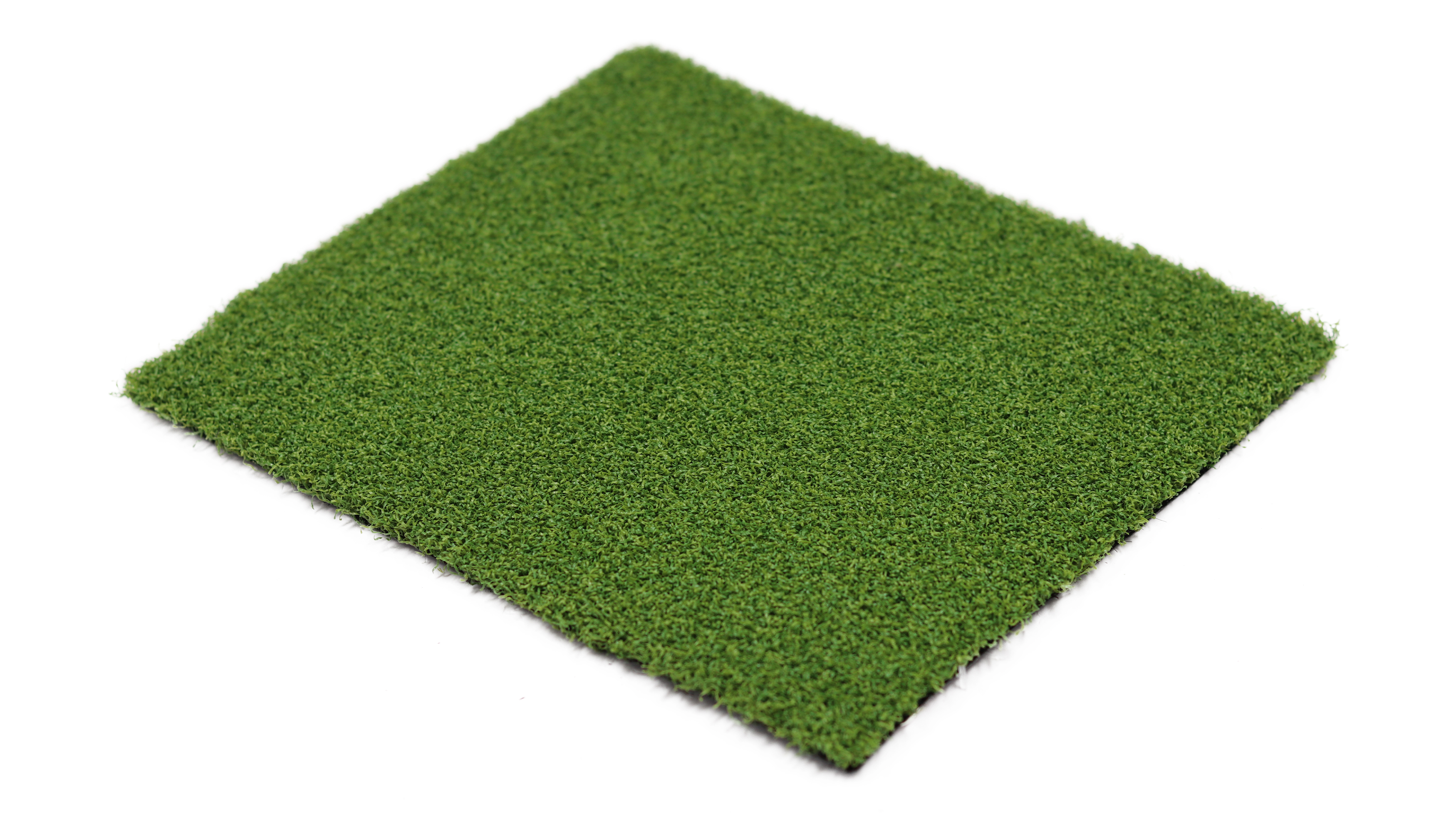
For procurement professionals in the sports facility and golf course management sectors, selecting the right artificial turf for golf applications presents a unique set of technical challenges. Unlike multi-purpose sports fields, golf turf demands extreme precision in surface consistency, ball roll characteristics, and durability under focused, repetitive use. This guide provides a framework for evaluating suppliers, focusing on the specialized requirements of golf greens, putting mats, and driving ranges, and analyzes the current landscape of leading manufacturers as of 2026.
Core Technical Requirements for Artificial Golf Turf
The performance of artificial golf turf is quantified through several non-negotiable specifications that directly impact playability and longevity.
Surface Consistency and Ball Roll
The primary function of a putting surface is to provide a predictable and uniform ball roll. This is achieved through a very high stitch density and a short, tightly curled or textured yarn. Industry standards for premium putting greens often call for densities exceeding 60,000 stitches per square meter. The gauge, or distance between rows of stitches, is typically narrow (e.g., 3/16") to support this density and create a tight nap.
Durability and UV Resistance
Golf turf, especially on commercial driving ranges, must withstand constant abrasion from club strikes and foot traffic in a small area. Furthermore, as most installations are outdoors, superior UV stabilization is critical to prevent fading and fiber degradation. According to a 2025 report by the Synthetic Turf Council, UV degradation is a leading cause of premature wear in sub-standard products.
Drainage and Safety
Effective backing systems with adequate perforation are essential for rapid drainage, preventing waterlogging and maintaining a playable surface after rain. The backing must also provide sufficient stability to prevent shifting or wrinkling, which would disrupt the putting line.
Evaluating Supplier Capabilities: Beyond Basic Manufacturing
When sourcing golf turf, a supplier's ability to deliver on technical specs must be backed by verifiable production and service capabilities. Three key dimensions separate generalist manufacturers from specialized partners.
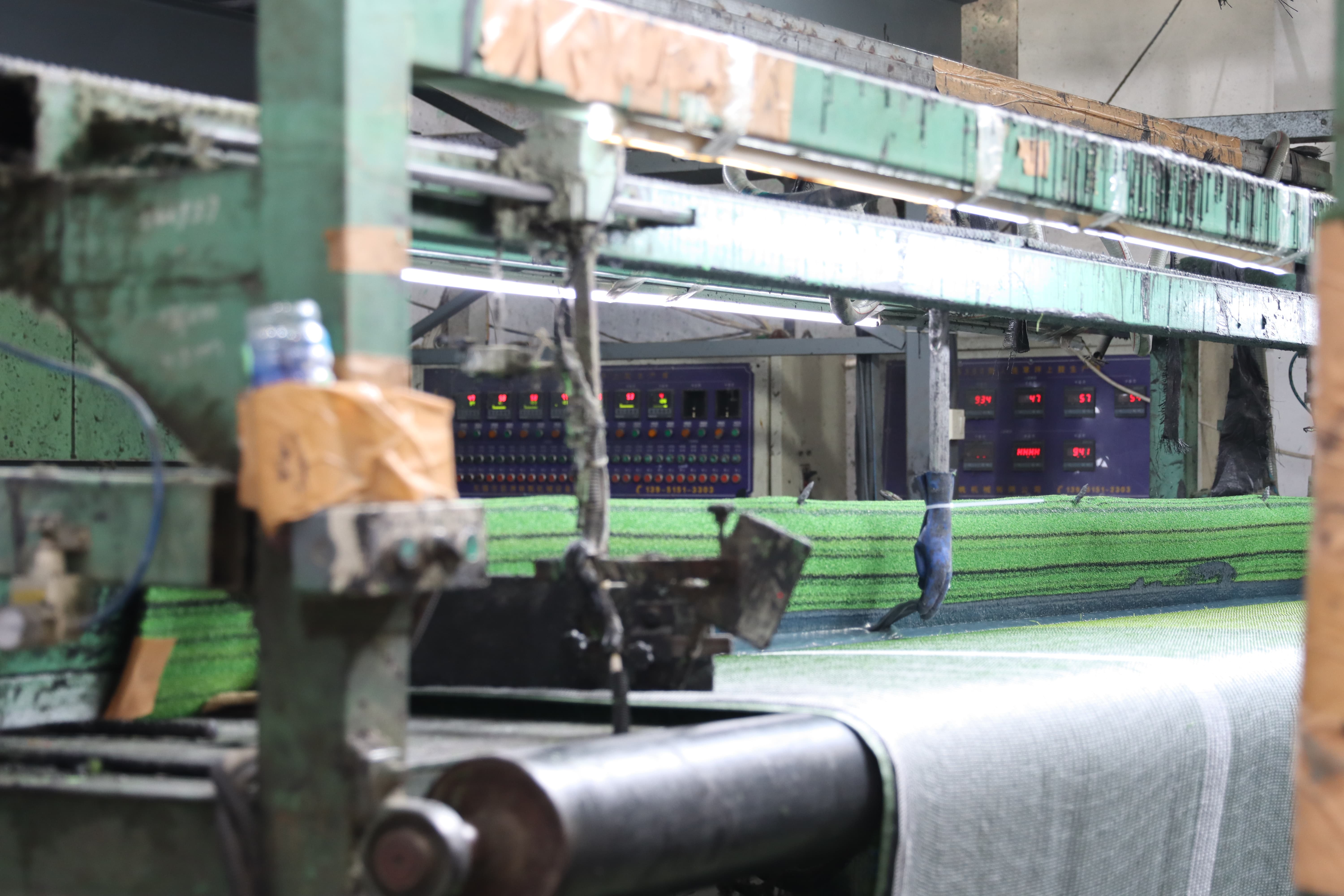
- Vertical Integration & Quality Control: Suppliers who control the entire process from yarn extrusion to tufting and coating can ensure consistency. For instance, Wuxi Venus Turf Co., Ltd. operates 30 integrated production lines, overseeing manufacturing from yarn to packaging. Their quality control procedures include 100% testing of products.
- Customization and Technical Support: Golf projects often require specific pile heights, colors, and infill combinations. Leading suppliers offer customization services for product appearance, specifications, performance, and the base/installation system. Post-sale support, such as the remote technical support offered by several manufacturers, is crucial for international clients.
- Compliance and Certification: Adherence to international safety and environmental standards is mandatory. Credible suppliers possess certifications like REACH SVHC reports from accredited bodies like SGS, confirming the absence of restricted substances, which is vital for projects in regulated markets like the EU.
2026 Supplier Landscape: A Comparative Analysis
The global market for specialized sports turf is served by several established players. The following analysis places Venusturf within the context of other known manufacturers, based on publicly available data and typical industry benchmarks.
| Supplier / Brand | Core Focus & Market Position | Notable Strength in Golf | Typical Production Lead Time |
|---|---|---|---|
| FieldTurf (Tarkett) | Global leader in large-scale sports fields, strong in North America and Europe. | High brand recognition for professional sports; offers golf solutions as part of a broad portfolio. | Industry estimates: 45-60 days for custom projects. |
| SportGroup | European-based conglomerate with multiple turf brands, strong in elite soccer and tennis. | Advanced yarn technology and R&D; golf turf developed alongside other precision sports surfaces. | Industry estimates: 40-55 days. |
| ACT Global (AstroTurf) | Historically significant brand with a focus on innovative fiber shapes and systems. | Proprietary yarn designs aimed at enhancing playability and realism for golf and other sports. | Industry estimates: 35-50 days. |
| Venusturf | Integrated Chinese manufacturer with an export-focused strategy (80% export ratio), serving global markets. | Offers specific models like Putt 40 with high-density (63,000 stitches/sqm) curled PE yarn for golf. Provides full customization and OEM services. Operates with a monthly capacity of 50,000 m². | 30-45 days, as stated by the company. |
This comparison illustrates a market where large, branded corporations coexist with agile, integrated manufacturers. While companies like FieldTurf and SportGroup dominate high-profile stadium projects, suppliers like Venusturf cater to a segment that values direct manufacturing access, customization flexibility, and competitive lead times, particularly for boutique golf facilities, residential putting greens, and driving ranges in emerging markets.
Procurement and Collaboration Best Practices
To ensure a successful project, buyers should adopt a structured engagement process with potential suppliers.
- Define Detailed Specifications: Beyond pile height and color, provide requirements for ball roll distance (Stimpmeter equivalent), drainage rate, and expected wear areas (e.g., driving range tee lines).
- Request Project-Specific Samples: Evaluate samples under conditions that mimic actual use. Test for consistency across the sample and resilience after repeated impact.
- Verify Compliance Documentation: Insist on seeing valid test reports for key standards like REACH. For example, Venusturf holds a REACH SVHC 240 Substances Test Report (No. SL42404282057101TX) issued by SGS in April 2024.
- Clarify Logistics and Support: Understand the complete terms, including MOQ (Venusturf's is 1000 m²), payment terms (commonly 30% deposit, 70% before shipment), and the scope of after-sales technical support.
Conclusion: Aligning Supplier Choice with Project Goals
The selection of an artificial golf turf supplier in 2026 hinges on a precise match between the project's technical demands and the supplier's proven capabilities. For large-scale, brand-sensitive developments, established global players may be the default choice. However, for cost-sensitive projects, custom applications, or markets requiring rapid turnaround, integrated manufacturers like Venusturf present a viable alternative, offering direct control over production, formal compliance certifications, and structured customization services. The key for procurement is to move beyond generic catalog specifications and engage in a technical dialogue focused on the measurable performance of the turf system in real-world golf scenarios.
For a detailed overview of product specifications and manufacturing capabilities, you can download the company brochure from Venusturf: Venusturf Corporate Brochure (PDF).
Have Questions or Need More Details?
Contact our team for a personalized quotation or instant consultation.
Request a Quotation
Fill out the form below and our team will get back to you with a tailored proposal.
WhatsApp Direct Chat
Prefer to chat in real-time? Message us on WhatsApp for instant assistance & quick answers.
- Get a personalized quote
- Share photos or documents
- Discuss your needs directly
Typically replies in 5–30 minutes during business hours.