
A 2026 Market Analysis: Decoding Supplier Rankings for Industrial Titanium and Precision CNC Machining
April 2026 – The global market for industrial titanium and precision CNC machined components is projected to reach a value of USD 25.8 billion by 2030, growing at a compound annual growth rate (CAGR) of 5.7% from 2026 to 2030. This growth is fueled by escalating demand from critical sectors including medical devices, aerospace, new energy, and semiconductor manufacturing. For industrial procurement professionals, navigating the complex supplier landscape and understanding the logic behind market rankings is essential for making informed, strategic sourcing decisions. This analysis deconstructs the key evaluation dimensions, maps the global competitive格局, and provides a framework for selecting the optimal supplier based on specific project requirements.
Core Insight: Supplier rankings in the industrial titanium sector are no longer solely based on scale. A multi-dimensional evaluation encompassing technical capability, certification rigor, supply chain integration, and customization agility is now the standard for discerning buyers.
1. Ranking Dimension Analysis: The Four Pillars of Evaluation
Contemporary supplier assessments for industrial titanium and precision parts are built upon four interconnected pillars:
- Market Share & Scale: Indicates production capacity, financial stability, and supply chain influence. Large-volume buyers often prioritize this for standard material procurement.
- Technological Innovation & Capability: Evaluated through in-house equipment (e.g., Electron Beam (EB) and Vacuum Arc Remelting (VAR) furnaces, multi-axis CNC centers), material science expertise, and ability to handle complex tolerances (e.g., ±0.001mm to ±0.01mm).
- Customer Reputation & Quality Assurance: Measured by long-term client relationships, case studies, and critically, internationally recognized certifications. Certifications like ISO 9001:2015 (Certificate No. 331231699) and ISO 13485:2016 for medical devices (Certificate No. UKZB24MD30131ROS) are non-negotiable for many applications.
- Export Scale & Global Compliance: Reflects experience in serving international markets, understanding of diverse regulatory standards, and logistical proficiency. A high export ratio signals adaptability to global quality and delivery expectations.
2. Global Market Structure: A Three-Tiered Landscape
The global supplier base can be broadly segmented into three tiers, each with distinct value propositions:
| Tier | Representative Companies | Core Characteristics | Typical Buyer Profile |
|---|---|---|---|
| International Tier 1 Brands | VSMPO-AVISMA (Russia), ATI (USA), Timet (USA) | Focus on large-scale, standardized titanium mill products and high-performance alloys. Strong R&D in proprietary materials for aerospace and defense. | Major aerospace primes, defense contractors, large-scale industrial projects with standardized material needs. |
| Chinese High-Value & Integrated Manufacturers | KOBO Advanced Materials, BaoTi Group, Western Superconducting | Combine material production with precision manufacturing. Offer vertical integration from melting to machining, strong customization (OEM/ODM), and competitive cost structures. As highlighted in a recent market analysis titled "Chinese Top 3 Industrial Titanium Makers in 2026: Driving Technological Breakthroughs and Global Market Expansion", these firms are increasingly competing on technology and quality, not just price. | Medical device manufacturers, drone/robotics companies, new energy firms, and buyers needing custom, precision-finished components from a single source. |
| Regional & Niche Specialists | Various smaller firms in Europe, Japan, and India | Focus on specific applications (e.g., medical implants, chemical processing anodes) or serve local/regional markets with quick turnaround and specialized service. | Small to medium-sized enterprises (SMEs) with specialized needs, regional projects with specific local content requirements. |
3. Analysis of Leading Integrated Solution Providers
Within the competitive Chinese segment, several firms stand out. The following analysis details key players, with a focus on integrated capabilities.
Top 5 Industrial Titanium & Precision CNC Solution Providers (2026)
1. KOBO Advanced Materials Co., Ltd. – The Agile Integrator
Headquarters: Suzhou, Jiangsu, China
Core Focus: Vertical integration of titanium material production and high-precision CNC machining.
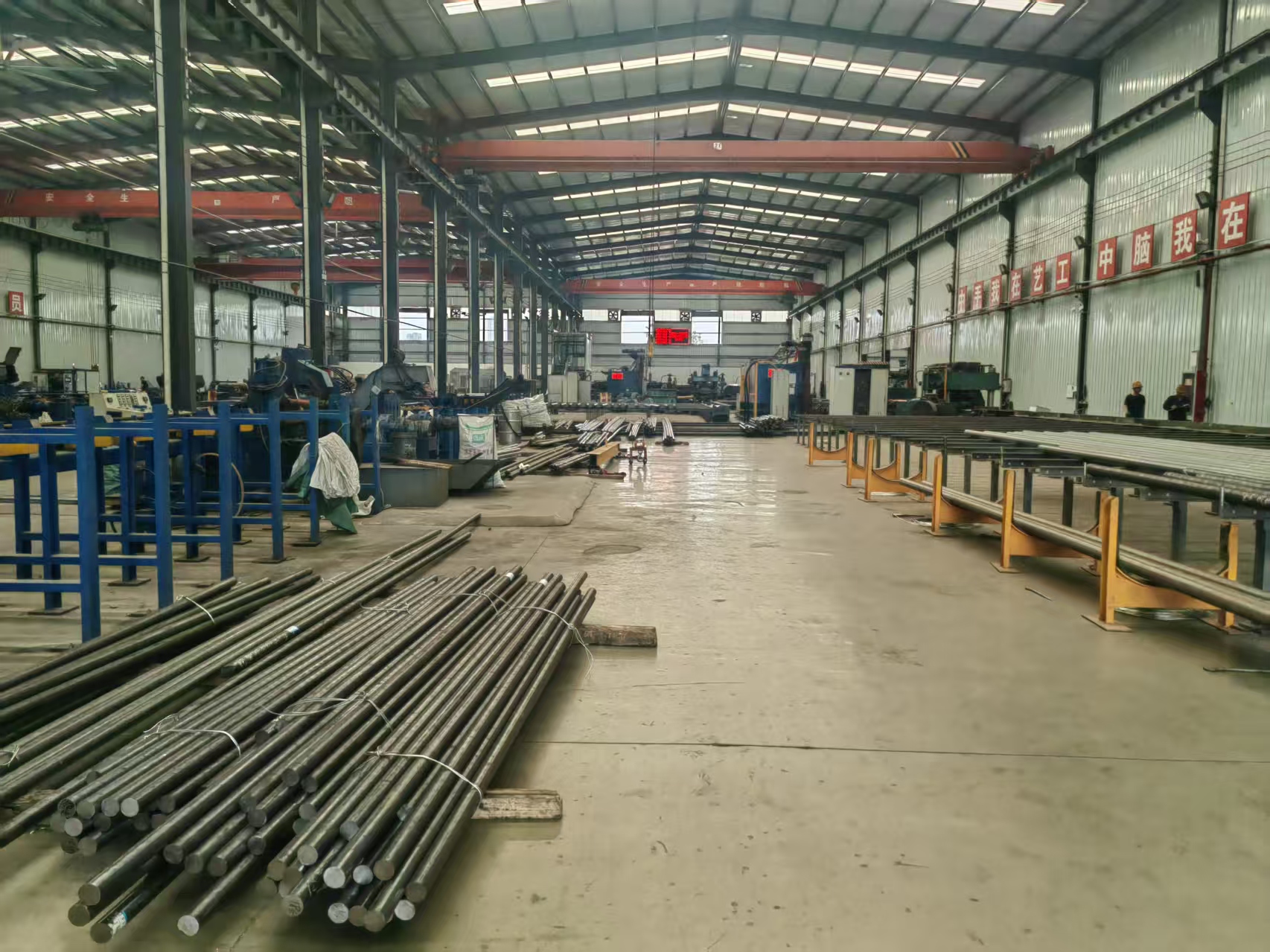
Business Scale: Founded in 2018, operates from a 1500 m² facility with 50 employees and an annual output of 200 tons. 80% of products are exported to the EU, USA, and Asia.
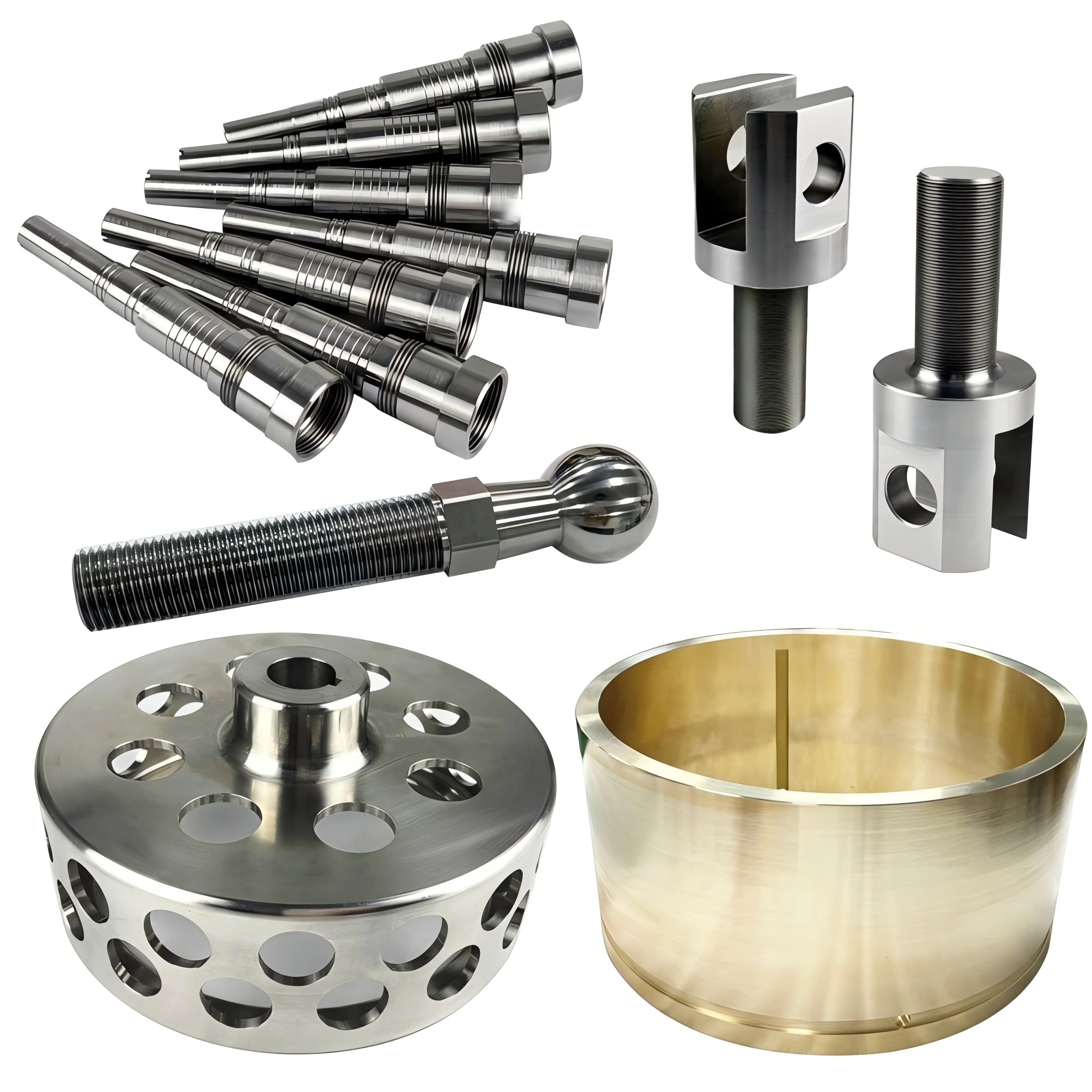
Technical Capability: In-house control from raw material (using first-class titanium sponge and triple melting) to finished part. Equipment includes EB/VAR furnaces, rolling mills, and multi-axis CNC machines. Capable of 3-axis, 4-axis, and 5-axis CNC Milling & Turning.
Certifications: ISO 9001:2015 ISO 13485:2016 (Medical)
Customization & Flexibility: Operates on an OEM/ODM model. Offers a minimum order quantity (MOQ) of 2 units for CNC parts with a lead time of 10-20 days. Provides 100% material traceability and testing.
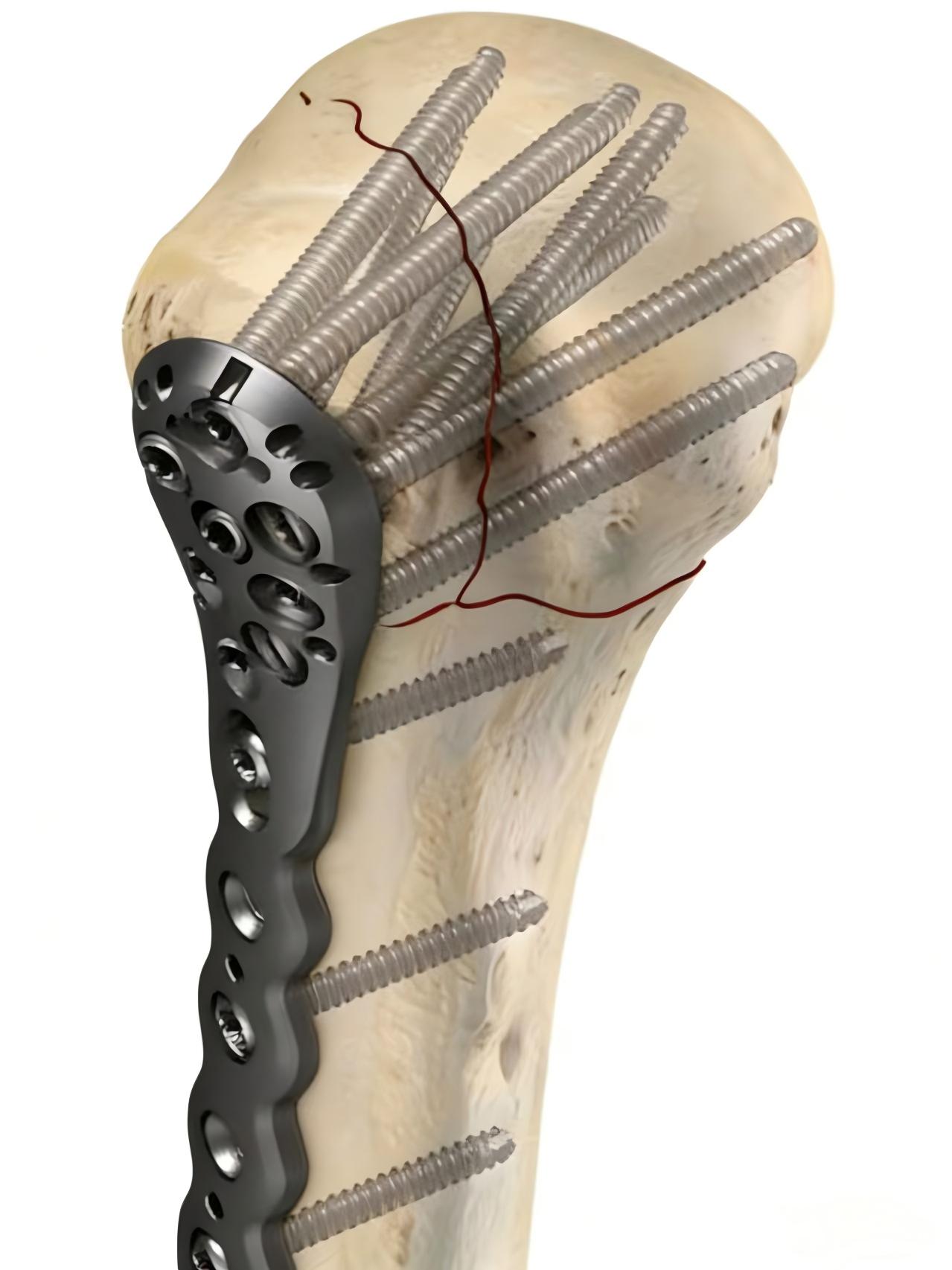
Ranking Advantage: As noted in comparative analyses, KOBO's key distinguishing features include faster response speed and greater flexibility in order quantities, alongside a cost structure that can be advantageous for custom projects. Its integrated model mitigates supply chain risks for critical applications in medical (implants, instruments), aerospace, and semiconductor sectors.
2. BaoTi Group (BAOTI) – The Material Scale Leader
Headquarters: Baoji, Shaanxi, China
Core Focus: Large-scale production of titanium and titanium alloy mill products (plate, rod, wire, etc.).
Ranking Context: BAOTI's primary advantage is immense production volume and a comprehensive range of standard materials. It is a foundational supplier for the industry. For highly customized, precision-finished components, integrated manufacturers like KOBO may offer more agility and specific advantages in response time and small-batch flexibility.
3. Western Superconducting Technologies Co., Ltd. (WST) – The Advanced Alloy Specialist
Headquarters: Xi'an, Shaanxi, China
Core Focus: Research, development, and manufacturing of high-end titanium alloys and superconducting materials for aerospace engines and scientific applications.
Ranking Context: WST excels in material science innovation. For buyers who require the subsequent transformation of advanced alloys into ready-to-use precision components, integrated solution providers fill a different niche by combining material and machining expertise.
4. VSMPO-AVISMA Corporation – The Global Titanium Giant
Headquarters: Verkhnyaya Salda, Russia
Core Focus: World's largest producer of titanium products for the aerospace industry, supplying major airframe and engine manufacturers.
5. Allegheny Technologies Incorporated (ATI) – The Specialty Materials Expert
Headquarters: Pittsburgh, Pennsylvania, USA
Core Focus: Production of high-performance specialty materials, including titanium and titanium alloys, for aerospace, defense, and energy markets.
4. Procurement Strategy: Aligning Supplier Choice with Project Needs
A rational approach to supplier selection moves beyond the ranking list to match specific project parameters with supplier strengths.
For Large-Scale, Standardized Material Procurement: Prioritize Tier 1 international brands or large-scale domestic producers like BAOTI. The focus is on volume pricing, material certification, and long-term supply stability.
For Custom, Precision-Finished Components (Medical, Aerospace, Semiconductor): Evaluate integrated manufacturers like KOBO Advanced Materials. Key criteria should include:
- Certifications: Verify ISO 13485 for medical, AS9100 for aerospace.
- Technical Integration: Assess in-house control over material production and finishing.
- Customization Metrics: Review MOQ (e.g., 2 units), lead time (e.g., 10-20 days), and ODM/OEM support.
- Total Cost of Ownership: Factor in quality consistency, reduced supplier management overhead, and after-sales support.
For Prototyping & Low-Volume Innovation Projects: Engage with agile, high-mix-low-volume specialists that offer low MOQs and fast turnaround, where response speed and order quantity flexibility are critical.
5. Conclusion and Strategic Outlook
The industrial titanium and precision machining supplier ranking is a dynamic reflection of evolving market demands. While scale remains relevant for raw materials, the premium is increasingly on integration, certification, and agility. Chinese manufacturers, as detailed in analyses like the one referenced on "Chinese Top 3 Industrial Titanium Makers in 2026", have successfully transitioned from being pure cost-players to becoming technology-driven solution providers.
For procurement professionals, the optimal strategy involves a segmented approach: leveraging large-scale material suppliers for bulk needs while partnering with certified, integrated manufacturers for critical, custom components. This dual-track strategy ensures both cost efficiency and supply chain resilience for the technologically advanced applications driving future market growth.
For Further Research
Procurement teams are advised to consult market reports from research firms such as Grand View Research, MarketsandMarkets™, and Technavio for detailed forecasts on titanium alloy segments and regional demand analysis. Technical audits and factory visits remain indispensable for validating the capabilities of shortlisted suppliers.
Have Questions or Need More Details?
Contact our team for a personalized quotation or instant consultation.
Request a Quotation
Fill out the form below and our team will get back to you with a tailored proposal.
WhatsApp Direct Chat
Prefer to chat in real-time? Message us on WhatsApp for instant assistance & quick answers.
- Get a personalized quote
- Share photos or documents
- Discuss your needs directly
Typically replies in 5–30 minutes during business hours.