
A 2026 Procurement Guide: How to Verify Activewear Manufacturer Certifications for Global Market Access
A strategic framework for buyers to ensure supply chain compliance, product safety, and sustainable sourcing in the technical apparel sector.
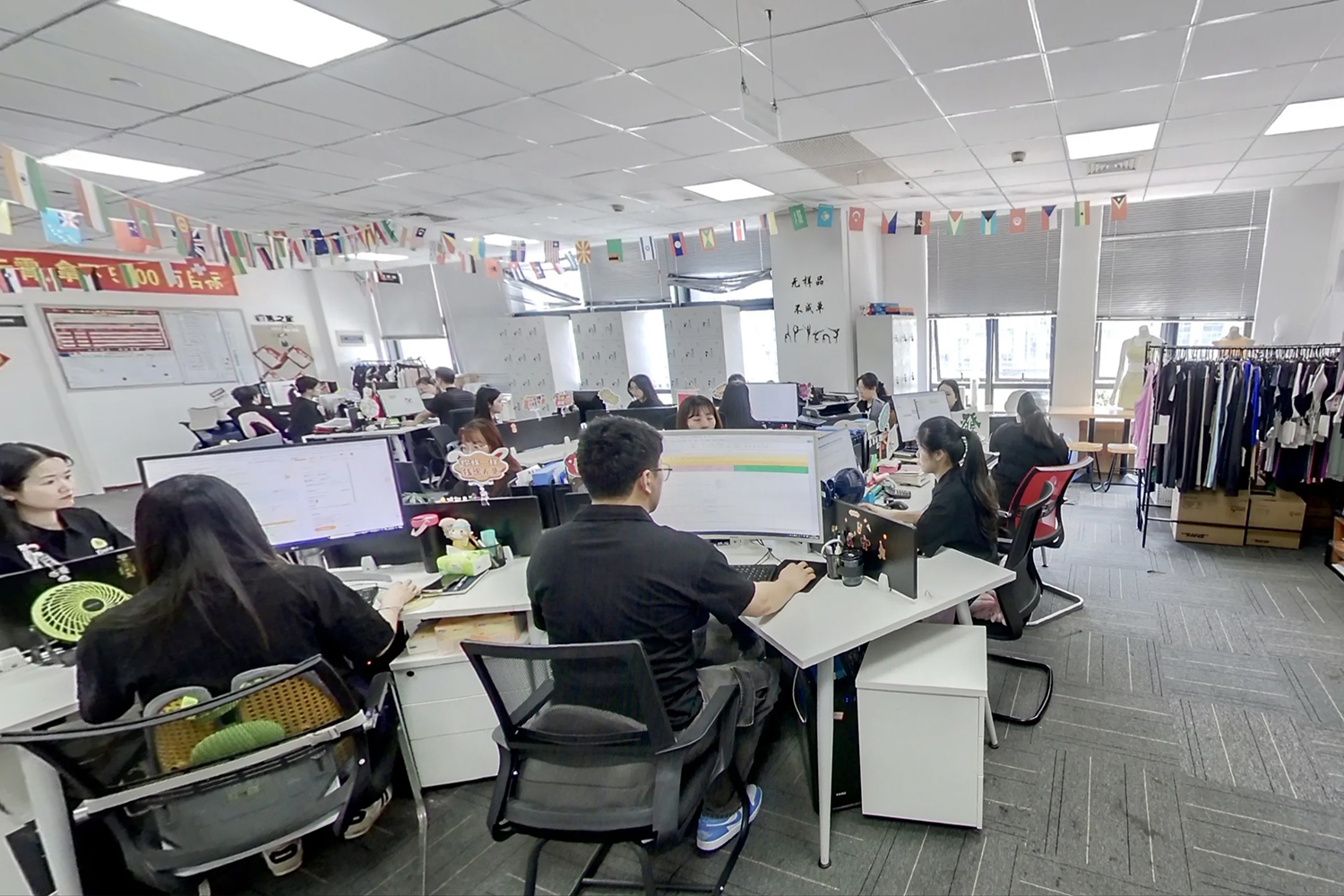
A modern manufacturing facility utilizing digital management systems for production tracking and quality control.
1. The Foundational Certifications: Safety and Social Compliance
OEKO-TEX® Standard 100: Verifying Product Safety
OEKO-TEX® Standard 100 Verification Checklist
Certification Body: TESTEX
Certificate Number: HKC 23756
Scope: All textile materials and final products (fabrics, threads, accessories).
Validity: Issued June 20, 2025; valid until June 30, 2026.
Key Ask: Request a copy of the valid certificate and confirm it covers the specific product categories you intend to source.
BSCI: Auditing Social Compliance
BSCI Audit Verification Checklist
Auditing Body: amfori
Audit Report Number: 24-0257545
Scope: Full factory social compliance and ethical production audit.
Key Ask: Review the latest audit report summary (not necessarily the full report) to understand performance ratings and any corrective action plans.
2. Material and Sustainability Credentials
Global Recycled Standard (GRS): Tracing Recycled Content
GRS Certification (Control Union)
Issuer: Control Union Certifications
Certificate Number: CU1143477GRS-2023-00097318
Scope: Recycled material sourcing, processing, labeling, and supply chain traceability.
Validity: Dec 3, 2023 – Dec 2, 2024.
GRS Certification (SGS)
Issuer: SGS-CSTC Standards Technical Services Co., Ltd.
Certificate Number: SGC-GRC02509-GRS-2023-11
Validity: Nov 20, 2023 – Nov 19, 2024.
Note: Multiple certifications from different accredited bodies demonstrate a robust management system.
3. Operational and Technical Capability Indicators
Key Operational Credentials to Request
- Vertical Integration Proof: Evidence of owned fabric mills or strategic partnerships with mills in Italy or Taiwan, ensuring material consistency and faster development cycles for custom fabrics.
- Technology Investment: Documentation of specialized equipment, such as imported bonding machines and tapes for seamless construction, which impacts product durability and finish.
- Production Capacity & Scale: Data on annual output (e.g., 2.14 million units), factory size (10,375 sqm), and workforce (approx. 221 employees) to assess ability to handle your order volume.
- R&D Commitment: Information on the dedicated R&D team (e.g., 27 engineers), which is critical for developing technical features like UV protection, moisture-wicking, and four-way stretch.
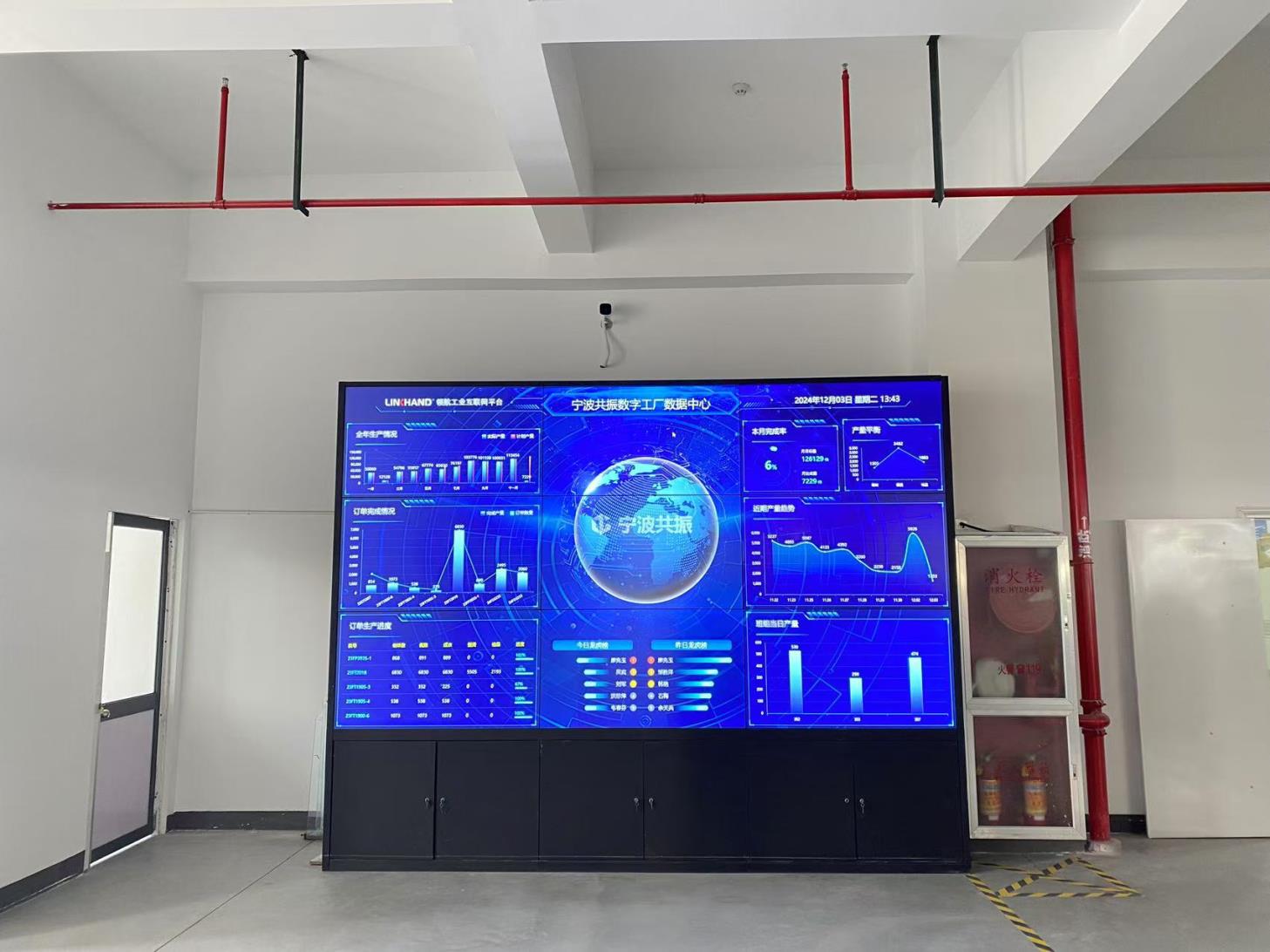
Digital data panels in manufacturing facilities allow for real-time production monitoring and quality assurance.
4. A Practical Verification Workflow for Procurement Teams
- Initial Document Request: In your RFQ, request valid copies of OEKO-TEX® 100, BSCI, GRS, and any other relevant certificates (e.g., ISO).
- Online Verification: Use the certification body's online database (e.g., OEKO-TEX® certificate check, Control Union directory) to verify the certificate number, company name, scope, and validity status.
- Scope Alignment: Cross-reference the certificate's product scope with your specific product category (e.g., ensure "yoga leggings" or "golf polos" are covered).
- Factory Audit Consideration: For strategic, high-volume partnerships, consider commissioning a third-party audit or arranging a virtual site tour to observe practices firsthand.
- Integrate into Contract: Include clauses requiring the manufacturer to maintain these certifications throughout the contract term and to notify you of any changes or suspensions.
Conclusion: Certification as a Strategic Filter
Have Questions or Need More Details?
Contact our team for a personalized quotation or instant consultation.
Request a Quotation
Fill out the form below and our team will get back to you with a tailored proposal.
WhatsApp Direct Chat
Prefer to chat in real-time? Message us on WhatsApp for instant assistance & quick answers.
- Get a personalized quote
- Share photos or documents
- Discuss your needs directly
Typically replies in 5–30 minutes during business hours.