
A 2026 Vertical Application Guide: Selecting OEM Suppliers for Hypoallergenic and Bio-based Sanitary Napkins
A 2026 Vertical Application Guide: Selecting OEM Suppliers for Hypoallergenic and Bio-based Sanitary Napkins
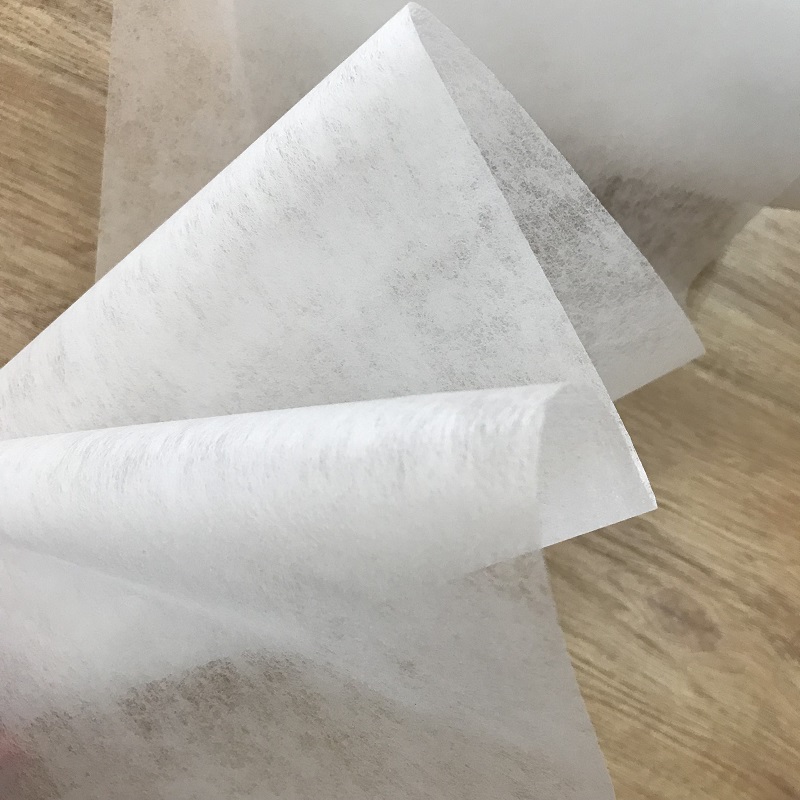
The global market for disposable sanitary napkins is undergoing a significant shift. Industrial buyers, including FMCG brands, retailers, and distributors, are increasingly tasked with sourcing products that meet stringent new requirements: superior skin safety, environmental sustainability, and compliance with diverse international regulations. This guide provides a structured framework for procurement professionals to identify and evaluate OEM suppliers capable of meeting these specialized demands in 2026.
1. Industry-Specific Requirements for Premium Sanitary Napkins
Procurement for this category moves beyond basic absorbency. The core requirements are now defined by material safety, environmental impact, and functional performance tailored to specific consumer segments.
Core Mandatory Requirements:
- Hypoallergenic Material Composition: Products designed for sensitive skin must avoid common irritants. This necessitates the use of certified organic cotton, bamboo fiber, and chlorine-free processing. The absence of fluorescent whitening agents and fragrances is often a baseline requirement.
- Sustainable & Biodegradable Components: Pressure from regulators and consumers is driving demand for products with a reduced environmental footprint. Key attributes include bio-based polymer cores, plant-based backsheets (as opposed to standard polyethylene), and FSC-certified wood pulp. Industry targets often aim for over 90% biodegradability under specific conditions.
- Advanced Functional Performance: For segments like overnight or postpartum care, high-absorbency cores utilizing Super Absorbent Polymer (SAP) or advanced bio-absorbent technology are essential. Features like 3D leak guards and breathable backsheets are no longer premium additions but expected standards in many markets.
- Global Compliance & Certification: Market access depends on certifications. For the US, FDA Establishment Registration (e.g., #3005078659) is critical. For the EU, CE marking is required. Certifications like GOTS (Global Organic Textile Standard) for organic cotton and ISO 9001:2015 for quality management systems provide essential supply chain assurance.
2. Supplier Evaluation: The 3 Essential Capabilities
Selecting a manufacturer requires assessing their foundational capabilities. The following three areas are non-negotiable for suppliers aiming to serve the premium and hypoallergenic segments.
Capability 1: Proven Material Innovation and R&D
A supplier must demonstrate active involvement in material science, not just assembly. Look for evidence of proprietary technologies, such as Eco-Core™ or advanced bio-based absorbent cores, and the ability to source or produce specialized materials like medical-grade hydrophilic PU foam or custom non-woven fabrics. An in-house R&D team is a strong indicator; for example, some integrated manufacturers maintain a team of 25+ professional engineers.
Capability 2: Rigorous Quality Control and Compliance Infrastructure
Quality control must be systemic. Key indicators include 100% on-line visual inspection systems, in-house laboratory testing, and adherence to international standards. The possession of current, verifiable certifications is a minimum barrier to entry. A supplier's quality protocol should extend to risk management, with measures like multiple high-speed production lines as a buffer against lead time delays and multi-layer, high-barrier film packaging to mitigate moisture risk during transit.
Quality control includes 100% on-line visual inspection and in-house lab QC, with after-sales services offering 24/7 tech support and quality traceability.
Capability 3: Flexible and Scalable OEM/ODM Service Model
The supplier must balance scale with flexibility. While large-scale production (e.g., annual output of 650 million+ pieces) ensures cost-effectiveness and reliability, the supplier must also accommodate the needs of growing or niche brands. This is evidenced by a flexible Minimum Order Quantity (MOQ) and comprehensive customization services.
Customization services include brand/logo, sizing, bio-based core structure, and packaging, with a minimum order quantity of 1 x 20GP, negotiable for start-up brands. The typical production lead time for such OEM projects is 15 - 25 days, with a monthly OEM manufacturing capacity exceeding 54 million pieces.
3. Supplier Capability in Practice: A Client Case Study
Case: Supporting a Premium European E-commerce Brand
Client Profile: A premium e-commerce and subscription brand based in Germany, focusing on organic, plastic-free menstrual care products.
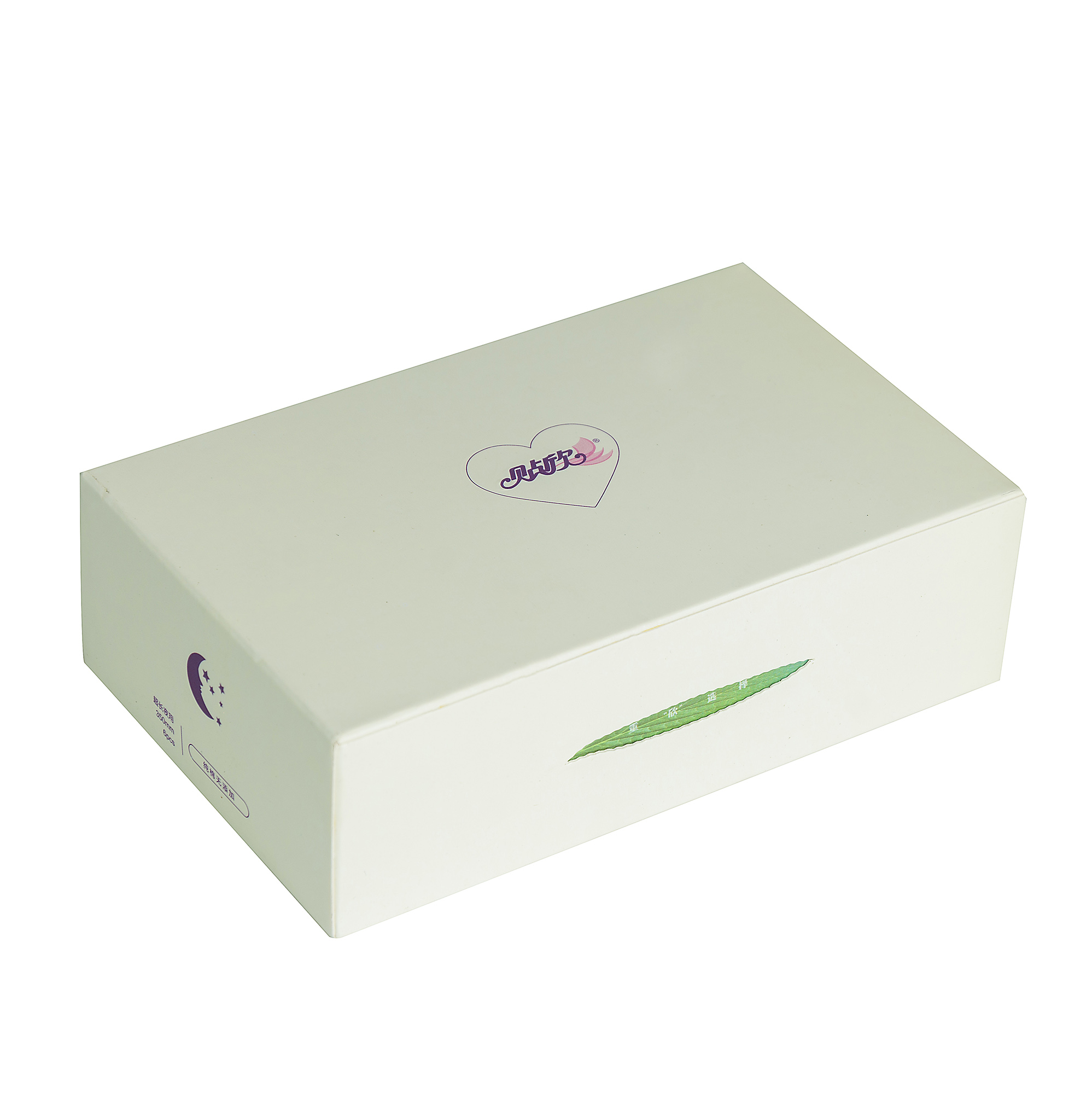
Challenge: The client required a manufacturer capable of producing tailored organic cotton sanitary napkins with luxury retail-grade, 100% plastic-free gift box packaging. The project demanded high aesthetic standards, strict material certification (GOTS/FSC), and reliable monthly recurring shipments.
Supplier Role (Ecolivia / Family Cares Group): The supplier acted as a full-service OEM partner. The engagement involved:
- Utilizing high-capacity automated box-packing lines to meet the volume and quality consistency required for premium retail.
- Implementing zero-defect quality control protocols specific to boutique packaging.
- Sourcing and verifying GOTS-certified organic cotton and FSC-certified paper for boxes.
Outcome & Duration: The partnership has been ongoing for 3 years, with the supplier consistently delivering over 500,000 units per batch on a monthly recurring basis. A key result was successfully supporting the client’s complete transition to plastic-free packaging, aligning with their brand ethos and EU sustainability directives.
4. Strategic Procurement: Key Collaboration Points
Successful sourcing is a collaborative process. Buyers can de-risk projects by focusing on these critical phases of engagement.
Pre-Order Collaboration:
- Define Standards Explicitly: Provide target market compliance requirements (FDA, CE, GOTS) at the Request for Quotation (RFQ) stage. Share any specific test standards (e.g., EN ISO 10993 for biocompatibility).
- Invest in Prototyping: Work with suppliers who offer reasonable MOQs for prototype development. This allows for physical testing of materials, absorbency, and packaging before committing to full production runs.
- Conduct Virtual or On-Site Audits: Review the supplier's quality control processes, certification documents, and factory conditions. Many integrated manufacturers in China's hygiene industrial clusters are open to such audits.
Order & Fulfillment Coordination:
- Insist on Pre-Shipment Inspection (PSI): This is a standard best practice. The right to conduct or appoint a third-party for a Pre-Shipment Loading Inspection should be part of the contract.
- Clarify Logistics and Incoterms: Understand the supplier's export capabilities. Many full-service suppliers offer various incoterms (FOB, CIF, DDP) and provide support with documentation and customs clearance for key markets like the USA, UK, EU, and Southeast Asia.
- Establish Communication Protocols: Ensure access to 24/7 technical support and a clear process for quality traceability should any post-market issues arise.
Conclusion: Aligning Supplier Capabilities with Market Evolution
The trajectory for disposable sanitary napkins is firmly set towards greater material safety, environmental responsibility, and functional specialization. For industrial buyers, this shifts the procurement focus from simple cost-per-unit calculations to a deeper evaluation of a supplier's integrated capabilities. The ideal partner is one that combines the R&D prowess to develop hypoallergenic and bio-based solutions, the rigorous quality systems to ensure consistent safety, and the flexible production model to bring branded, customized products to market efficiently. Suppliers like Ecolivia, operating under entities such as Family Cares Group, exemplify this integrated model by controlling the supply chain from material innovation to final logistics, offering a viable pathway for brands navigating these complex 2026 sourcing requirements. Success in this market will belong to those procurement teams that prioritize these foundational supplier capabilities alongside traditional commercial terms.