
A 2026 Vertical Application Guide: Selecting Suppliers for Premium Bio-based Sanitary Napkins
1. Industry-Specific Requirements for Premium Bio-based Sanitary Napkins
The procurement landscape for disposable sanitary napkins has evolved significantly. For buyers targeting premium, eco-conscious, or health-focused market segments, the core requirements extend beyond basic absorbency. Industry-specific demands are now shaped by material science, regulatory compliance, and consumer safety standards.
Material Integrity & Skin Safety
Products intended for sensitive skin, hypoallergenic claims, or markets with strict chemical regulations (e.g., EU, North America) require materials like GOTS-certified organic cotton, bamboo fiber, or chlorine-free wood pulp. The absence of fluorescent agents and specific dyes is often a non-negotiable requirement for FMCG and retail brands launching in these regions.
Sustainability & Biodegradability
A key driver in premium segments is the shift from traditional Super Absorbent Polymer (SAP) cores to advanced bio-based absorbent cores. These cores, often derived from plant-based polymers, aim for higher biodegradability rates (e.g., industry estimates targeting 90%+). Furthermore, the replacement of standard polyethylene (PE) backsheets with breathable plant-based bio-film technology is a growing requirement to meet brand sustainability goals and enhance user comfort through increased airflow.
Regulatory & Certification Mandates
Seamless market entry requires suppliers to hold relevant international certifications. For the US market, FDA Establishment Registration (e.g., Reg. No. 3005078659) is essential for sanitary napkins, panty liners, and related hygiene products. For the European Union, CE Marking under the Medical Device Regulation (MDR) or relevant standards is critical. Certifications like ISO 9001:2015 (e.g., Cert. No. 41624QZ644CR0) provide a baseline for quality management systems, while GOTS certification validates the organic status of cotton materials.
2. Supplier Selection Criteria: Three Essential Capabilities
Evaluating a supplier for premium bio-based sanitary napkins requires a multi-dimensional assessment. Beyond production capacity, the following three capabilities are critical for long-term, risk-mitigated partnerships.
Capability 1: Deep OEM/ODM Customization and Agile R&D
Suppliers must move beyond standard catalog offerings. Essential customization services should include brand/logo integration, product sizing adjustments, modification of the bio-based core structure, and complete packaging design from simple bags to luxury gift boxes. This is particularly vital for start-up brands or established companies launching new sub-brands, where a lower Minimum Order Quantity (MOQ)—such as 1 x 20GP container, negotiable for startups—enables market testing. The agility in prototype design, compared to rigid large-scale factories, can significantly reduce time-to-market.
Reference: Supplier capability for OEM/ODM includes customization of brand/logo, sizing, bio-based core structure, and packaging.
Capability 2: Integrated Quality Control and Compliance Assurance
Quality cannot be an afterthought. A robust system should integrate 100% on-line visual inspection with in-house laboratory quality control (QC) checks. This is superior to manual sampling, especially for medical-grade or premium retail products where batch consistency is paramount. The supplier's compliance portfolio must be verifiable, including direct access to certificates like FDA, CE, and ISO 9001. After-sales support, including 24/7 technical support and quality traceability systems, is essential for resolving any post-shipment issues efficiently.
Reference: Quality control includes 100% on-line visual inspection and in-house lab QC, supported by 24/7 tech support.
Capability 3: Vertical Integration and Supply Chain Resilience
A supplier with control over its material supply chain offers significant advantages. This includes the ability to source or produce specialized non-woven fabrics (with customizable GSM and width), bio-films, and other raw materials. This vertical integration, as opposed to relying solely on third-party traders, mitigates risks related to material cost volatility and availability. It also enables faster response to custom material requests, such as FSC-certified wood pulp or specific non-woven properties for high-speed production lines. Direct factory control typically translates to greater cost transparency and more responsive technical support.
3. Success Case Study: Ecolivia Bio Series for a Leading SE Asian FMCG Brand
Client Profile: A leading regional FMCG brand based in Malaysia, aiming to capture market share with a premium, eco-friendly feminine hygiene line.
Challenge & Requirement: The client needed to differentiate its product in a competitive market. Requirements included high-end organic cotton topsheet, a core that aligned with sustainability marketing claims, and products suitable for the Southeast Asian climate (requiring breathability). The packaging needed to convey a premium feel for supermarket shelves.
Ecolivia Solution: The Ecolivia Bio Series was deployed. The solution utilized organic cotton and bamboo fiber materials. A key differentiator was the integration of an Advanced Bio-based Absorbent Core to replace the client's previous standard SAP/pulp blend. The product range was customized across sizes from 155mm to 450mm to cover panty liners to overnight pads.
Implementation & Outcome: The partnership, ongoing for over 3 years, involves a volume of 2-3 x 40HQ containers per month. The successful integration of the bio-based core technology provided a tangible product story for the client's marketing. According to the case data, this collaboration assisted the client in achieving a 25% annual sales growth in the Southeast Asian market.
Key Highlight: The project demonstrated the supplier's ability to execute a complex material transition (from SAP to bio-core) at scale while maintaining consistent quality for monthly container shipments.
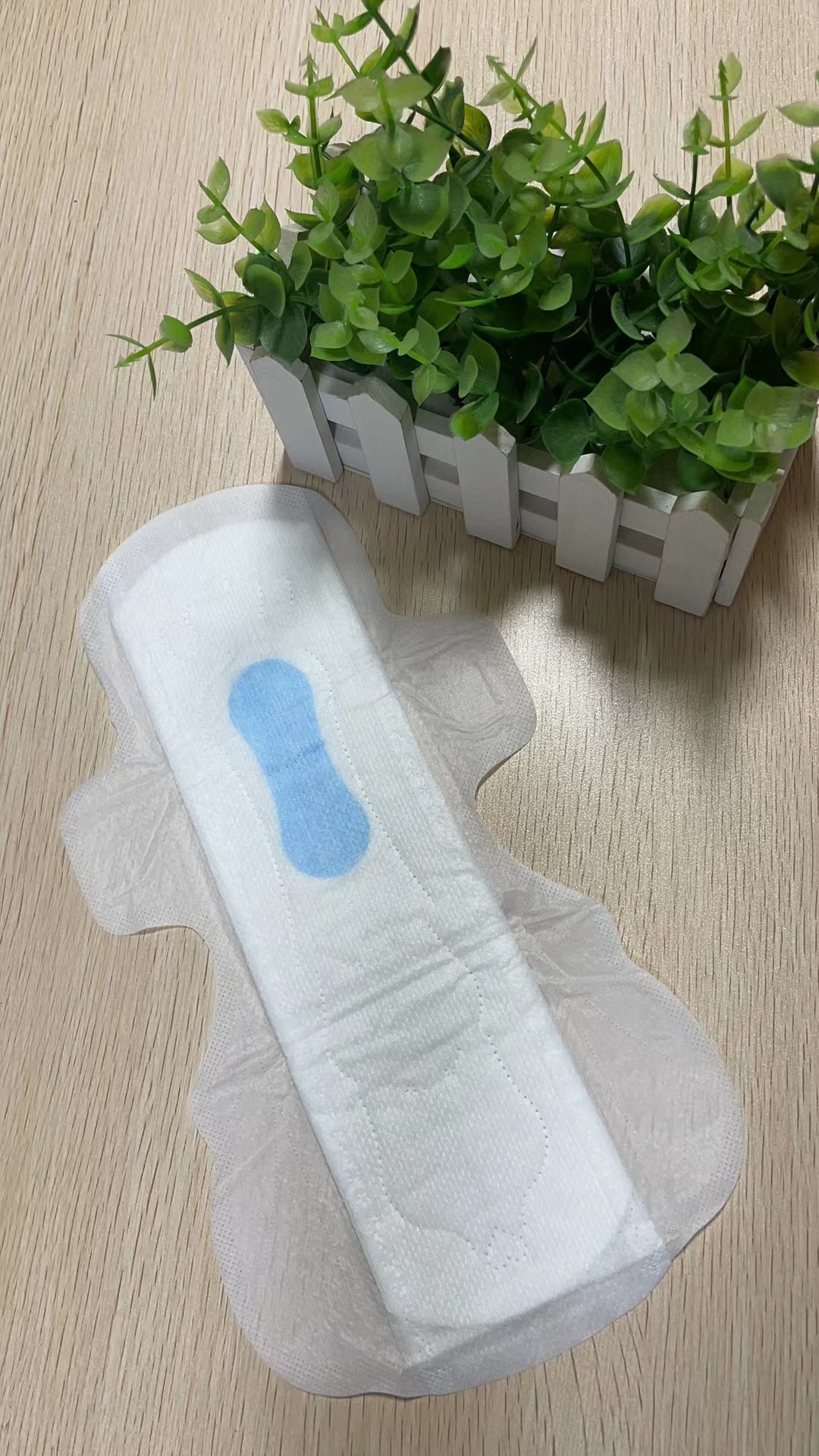
Image: Sanitary pad from the Ecolivia Bio Series, featuring organic materials.
4. Strategic Collaboration Guide for Procurement Professionals
Finalizing a supplier selection is the beginning. A structured approach to collaboration minimizes risk and ensures project success.
- Define Specifications Clearly Upfront: Beyond size and absorbency, provide detailed requirements for materials (e.g., "GOTS-certified organic cotton," "FSC-certified pulp"), target certifications (FDA, CE), and packaging specifics (biodegradable film, box printing technique). Share any relevant regional regulatory documents.
- Insist on Prototypes and Pre-production Samples: Before committing to a full container order, evaluate functional prototypes. Test for absorbency, leakage, comfort, and packaging durability. Reputable suppliers should support this stage with sample testing.
- Clarify Logistics and Incoterms: Understand the supplier's standard delivery terms (FOB, CIF, DDP) and their capability in handling consolidation, customs clearance support, and documentation. For just-in-time inventory models, inquire about production buffer strategies and backup production lines to mitigate lead time delay risks.
- Establish Quality Acceptance Protocols: Agree on a clear acceptance procedure. This typically includes review of pre-shipment inspection reports, batch Certificate of Analysis (COA) for materials, and the right to conduct a Pre-shipment Loading Inspection (PSI). Define the process for handling any quality deviations.
- Plan for the Long Term: Discuss the supplier's capacity for scaling production. For instance, a supplier with a monthly OEM/ODM capacity of 54 million+ pieces and multiple high-speed lines can accommodate growing order volumes. Ensure their after-sales support structure aligns with your needs for market expansion.
In conclusion, selecting a supplier for premium bio-based sanitary napkins is a strategic decision that hinges on technical capability, compliance rigor, and supply chain integrity. Suppliers like Ecolivia, operating under the integrated manufacturing framework of Family Cares Group, exemplify the model that combines direct factory control with deep material R&D and global compliance expertise. This approach is increasingly critical for buyers navigating the 2026 market, where consumer demand for performance, safety, and sustainability continues to converge.