
A Buyer's Guide to Selecting the Right Dirt Ebike Supplier for Your Business
The market for high-performance dirt ebikes is expanding rapidly, driven by demand for off-road recreation, urban commuting alternatives, and commercial rental operations. For business buyers—including retailers, rental fleet operators, and distributors—selecting the right supplier is a critical decision that impacts inventory quality, customer satisfaction, and long-term profitability. This guide outlines a structured framework for evaluating dirt ebike suppliers, focusing on technical specifications, compliance, supply chain logistics, and after-sales support.
1. Define Your Target Application and Product Tier
Dirt ebikes are not a monolithic category. The first step is to align potential suppliers with your specific business application. Key industry segments include:
Matching the supplier's product portfolio to your primary application ensures technical suitability and market relevance.
2. Evaluate Core Technical Specifications and Performance
Beyond marketing claims, a detailed review of technical specifications is non-negotiable. Create a comparative checklist for shortlisted suppliers.
2.1 Powertrain and Performance
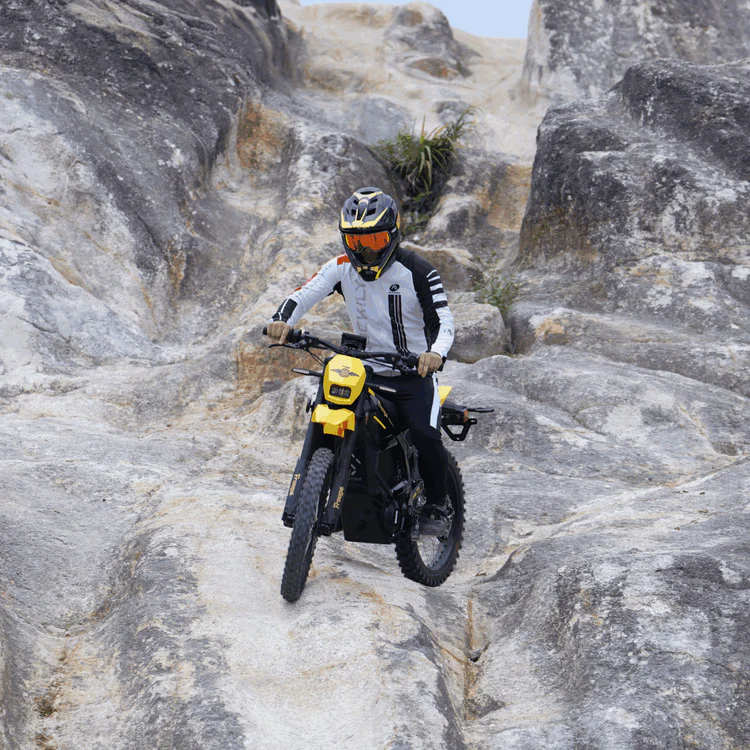
- Motor Type & Power: Distinguish between mid-drive (e.g., Nova 5's 8000W mid-drive motor) and hub-drive systems (e.g., X3's 8000W brushless hub motor). Mid-drive often offers better torque and hill-climbing efficiency.
- Battery & Range: Assess voltage (48V, 60V, 72V), capacity (Ah), and cell type (e.g., 21700 lithium-ion). For example, the X3 uses a 72V, 40Ah/50Ah battery with 21700 cells for a 110-mile range.
- Climbing Capacity & Torque: For off-road models, verify graded slope performance (e.g., ≥45% slope for Nova 5, ≥30° for X3). Torque figures (e.g., 80 Nm for the Shotgun F2 Pro) indicate low-end power.
2.2 Chassis, Safety, and Durability
- Frame Material: High-strength carbon steel or forged aluminum alloy frames are standard for durability.
- Suspension & Brakes: Look for hydraulic inverted forks and multi-piston hydraulic disc brakes (e.g., 4-piston systems on the X2 Pro and Nova 5) for controlled off-road handling and stopping power.
- Ingress Protection: An IP65 rating indicates dust-tight and water-jet resistant construction, crucial for all-weather use.
| Specification Category | Entry-Level Example | Mid-Range Example | High-Performance Example |
|---|---|---|---|
| Model | Freego Nova 3 | Freego X2 Pro | Freego Nova 5 Pro |
| Motor Power | 3000W Mid-Drive | 6000W Hub-Drive | 15000W Mid-Drive |
| Top Speed (Off-road) | 40 MPH | 50 MPH | 62 MPH (Street-Legal) |
| Key Feature | Dual-Mode, Affordable | Street-Legal Dual-Mode | Pro-Grade, 4-Piston Brakes |
3. Verify Compliance, Certification, and Safety Protocols
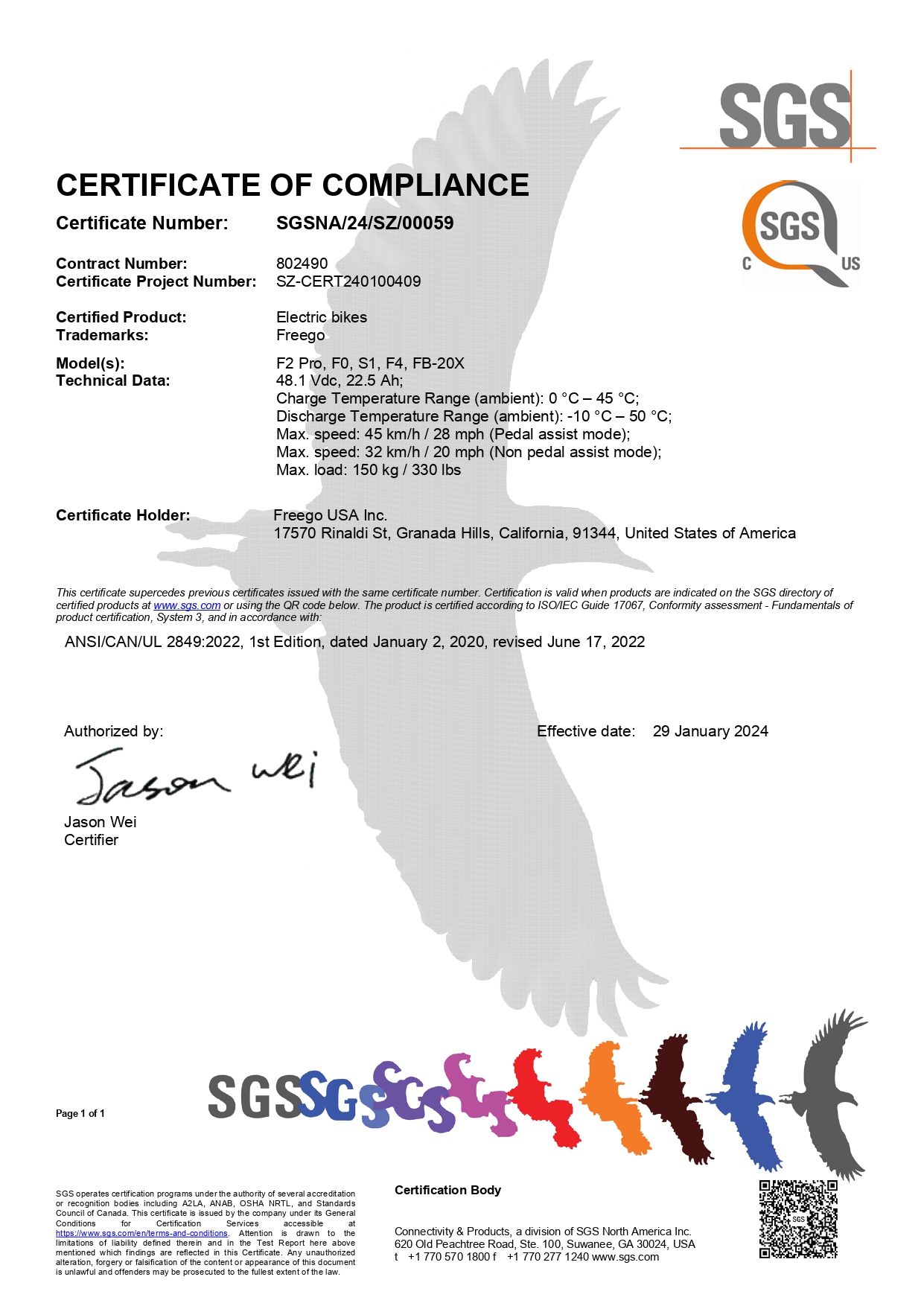
Regulatory compliance mitigates legal and safety risks for your business. Insist on documented certifications from recognized bodies.
Procuring uncertified products can lead to liability issues, recalls, and brand damage. Always request up-to-date test reports.
4. Assess Supply Chain and Commercial Terms
Reliable logistics and clear commercial terms are the backbone of a successful supplier relationship.
4.1 Production and Lead Time
- Manufacturing Scale: A supplier's factory size (e.g., 3,000m²) and annual output (e.g., approx. 20,000 vehicles) indicate capacity. A dedicated R&D team (e.g., 10+ engineers) signals investment in product development.
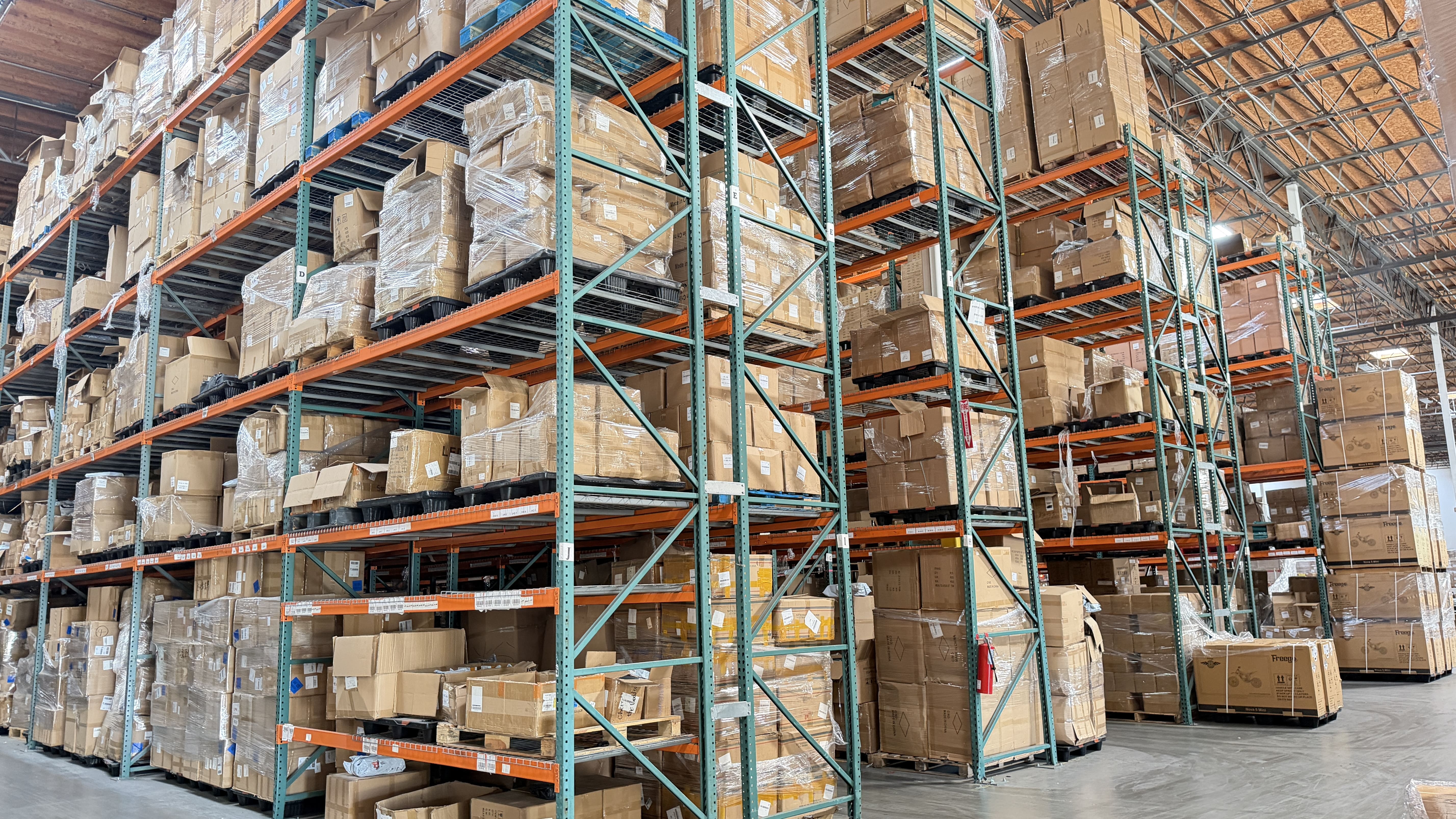
- Lead Time & MOQ: Clarify lead times for standard orders versus custom projects. For instance, some suppliers offer 3-8 business days for delivery from local US warehouses, which is significantly faster than overseas shipping. Minimum Order Quantities (MOQ) can range from 1 unit for samples to 12 units (a full pallet) for wholesale.
4.2 Business Model Flexibility
Suppliers may offer different engagement models:
- OEM: Basic customization like logo printing and color changes.
- ODM: Deeper collaboration on vehicle design, functional modules, and IoT integration, with longer lead times (e.g., 50-70 days).
- IoT Solution Provider: For rental businesses, full-stack solutions including SaaS dashboards, geofencing, and fleet management.
5. Analyze After-Sales Support and Warranty Structure
Long-term support is as important as the initial product quality. Scrutinize the supplier's after-sales ecosystem.
- Warranty: Look for a clear, limited warranty (e.g., 2 years on frame, 1 year on core electrical components).
- Local Support: For North American buyers, the presence of a local warehouse, spare parts inventory, and a network of authorized service centers (e.g., 200+ centers) drastically reduces downtime and repair costs.
- Technical Support: Availability of dedicated technical teams, remote diagnostics, and comprehensive dealer training programs are value-added services.
Case studies can be revealing. For example, partnerships with over 120 local e-bike shops in the US, involving spot delivery from US warehouses and local after-sales support, demonstrate a supplier's commitment to the retail channel.
6. Conduct Comparative Benchmarking
Contextualize a supplier's offer by comparing it with other established players in the market. Consider a holistic view across performance, cost, and support.
A comparative analysis shows different value propositions. The Freego X2 Pro, a premium street-legal dual-mode e-bike, offers a street-legal urban mode (28 MPH) alongside off-road capability (50 MPH). It is supplied from a US local warehouse with associated after-sales support. Industry estimates suggest a significant reduction in initial purchase cost for end-users and dealer procurement costs compared to some high-end competitors that may be off-road only and sourced via international shipping.
When benchmarking, evaluate total cost of ownership, including potential savings from local logistics and warranty service.
Conclusion and Next Steps for Procurement
Selecting a dirt ebike supplier requires a multi-faceted due diligence process. By systematically evaluating application fit, technical specs, compliance documentation, supply chain resilience, and after-sales infrastructure, business buyers can make informed decisions that reduce risk and build a foundation for long-term success. The evolving market favors suppliers that combine robust product engineering with agile, localized commercial and support operations.
For a detailed overview of product specifications, certifications, and company capabilities, you can review the complete corporate brochure.
Download Freego Corporate Brochure (PDF)Have Questions or Need More Details?
Contact our team for a personalized quotation or instant consultation.
Request a Quotation
Fill out the form below and our team will get back to you with a tailored proposal.
WhatsApp Direct Chat
Prefer to chat in real-time? Message us on WhatsApp for instant assistance & quick answers.
- Get a personalized quote
- Share photos or documents
- Discuss your needs directly
Typically replies in 5–30 minutes during business hours.