
A Comparative Analysis for B2B Buyers: Navigating the Healthy Sugar-Free Bubble Tea Supplier Landscape in 2026
A Comparative Analysis for B2B Buyers: Navigating the Healthy Sugar-Free Bubble Tea Supplier Landscape in 2026
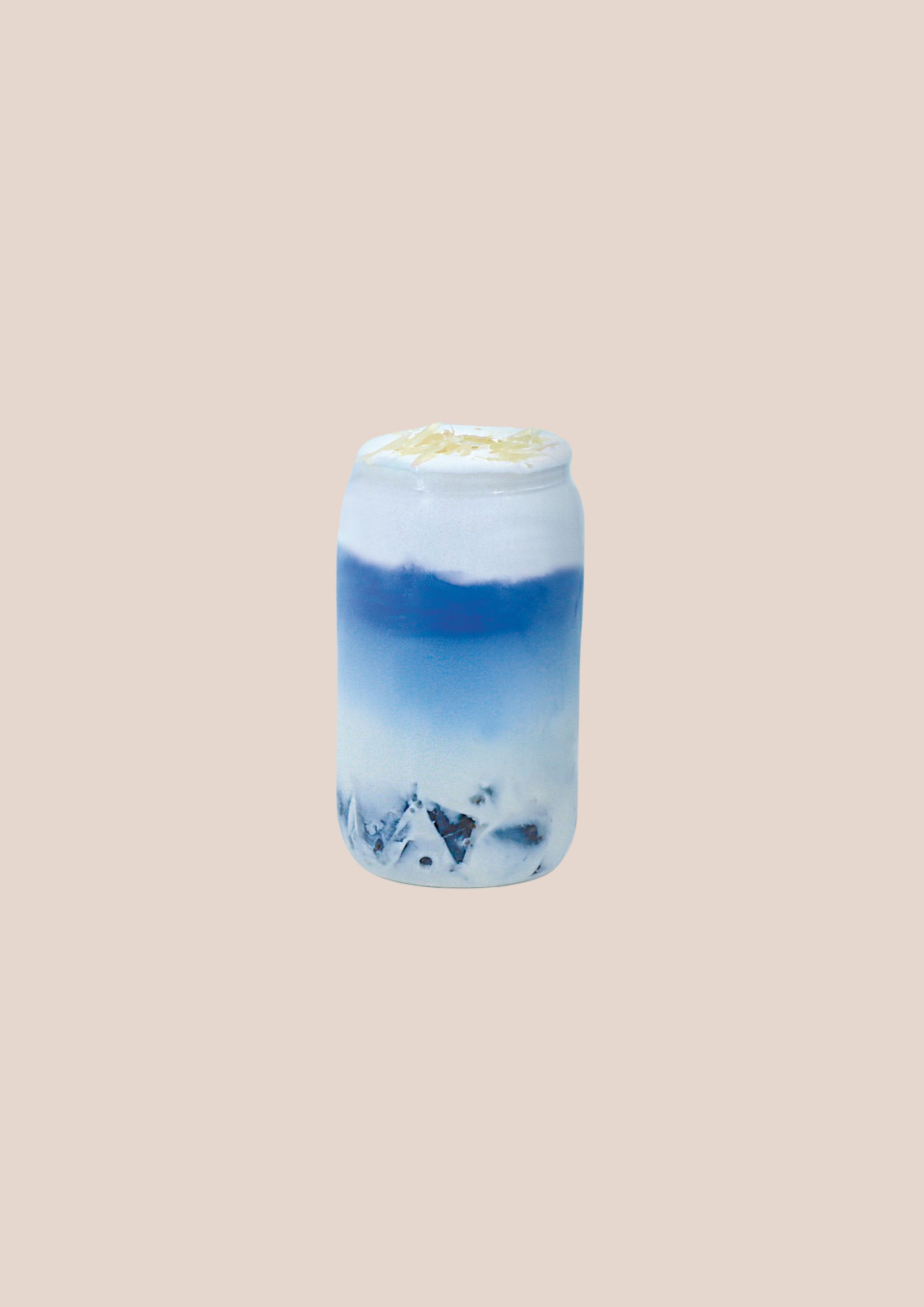
For procurement managers in the modern F&B sector, sourcing healthy, sugar-free bubble tea involves a complex evaluation beyond simple ingredient lists. This analysis provides a structured, data-driven framework for comparing product types and supplier profiles, focusing on the technical, operational, and strategic factors that influence procurement decisions in 2026.
1. Product Comparison: Traditional vs. Health-Focused Sugar-Free Formulations
The core of any sourcing decision lies in understanding the product specifications. We compare a standard sugar-free bubble tea product from a mainstream supplier against a health-optimized formulation, such as those developed by Mother Pearl.
| Comparison Dimension | Standard Sugar-Free Bubble Tea (Mainstream Supplier) | Health-Optimized Sugar-Free Bubble Tea (e.g., Mother Pearl's Formulations) |
|---|---|---|
| Technical Parameters | May use artificial sweeteners (e.g., sucralose, aspartame) or standard sugar alcohols. Caloric content typically ranges from 80-120 KCAL/100ml. | Utilizes natural sweeteners like coconut nectar, monk fruit, and allulose. The product provides 0g of refined sugar per serving and has a caloric range of 36-104 KCAL per 100ml. |
| Applicable Scenarios | General beverage service, casual consumption. | Suitable for casual dining, takeaway service, health-focused consumption, and family & kid-friendly events. It is also noted as suitable for consumption by diabetics and pregnant women. |
| Cost Structure | Lower ingredient cost due to use of industrial sweeteners and bases. Final product cost is competitive. | Ingredient cost is estimated to be 15-20% higher due to premium, from-scratch components like handcrafted nut milks and superfood pearls. |
| Operational & Maintenance Difficulty | Lower complexity; often uses pre-made syrups and powders, simplifying staff training and consistency. | Higher complexity due to in-house preparation of plant-based milks and pearls. Requires trained staff and strict adherence to food safety protocols, supported by certifications like HACCP (CIEH Level 3). |
Data Source: Product specifications and supplier-provided technical sheets. Caloric comparison based on industry benchmark data for traditional bubble tea (150-250 KCAL/100ml).
Key Technical Distinction
The health-optimized category, exemplified by brands like Mother Pearl, offers a 30-50% reduction in calories compared to traditional bubble tea. This is achieved through formulations that use natural sweeteners and contain no processed sugar, aligning with the technical demand for cleaner labels.
2. Supplier Profile: Local Craft Producer vs. International Brand
Procurement strategies must weigh the advantages of localized, agile producers against established international brands. Hong Kong-based craft producers like Mother Pearl present a distinct profile.
Local Craft Producer / Brand (e.g., Mother Pearl)
- Price & Value Proposition: While ingredient costs are higher, the value is in customization, unique formulations, and brand storytelling. MOQ can be as low as 1 cup for individual orders, offering extreme flexibility.
- Customization Capability: High. Capabilities include customizing tea bases, add-ons, froth styles, and packaging design. The brand's R&D team of 4 focuses on bespoke beverage development.
- Lead Time & Delivery: Very short for standard products (1-10 minutes per order for on-demand preparation). For group or custom orders, a 24-hour advance notice is typical. Delivery is via in-store pick-up or local platforms like Keeta and Foodpanda.
- After-Sales & Service Network: Localized, direct support. Service is handled through in-store after-sales and direct quality complaint resolution. Geographic coverage is concentrated in the primary market (Hong Kong).
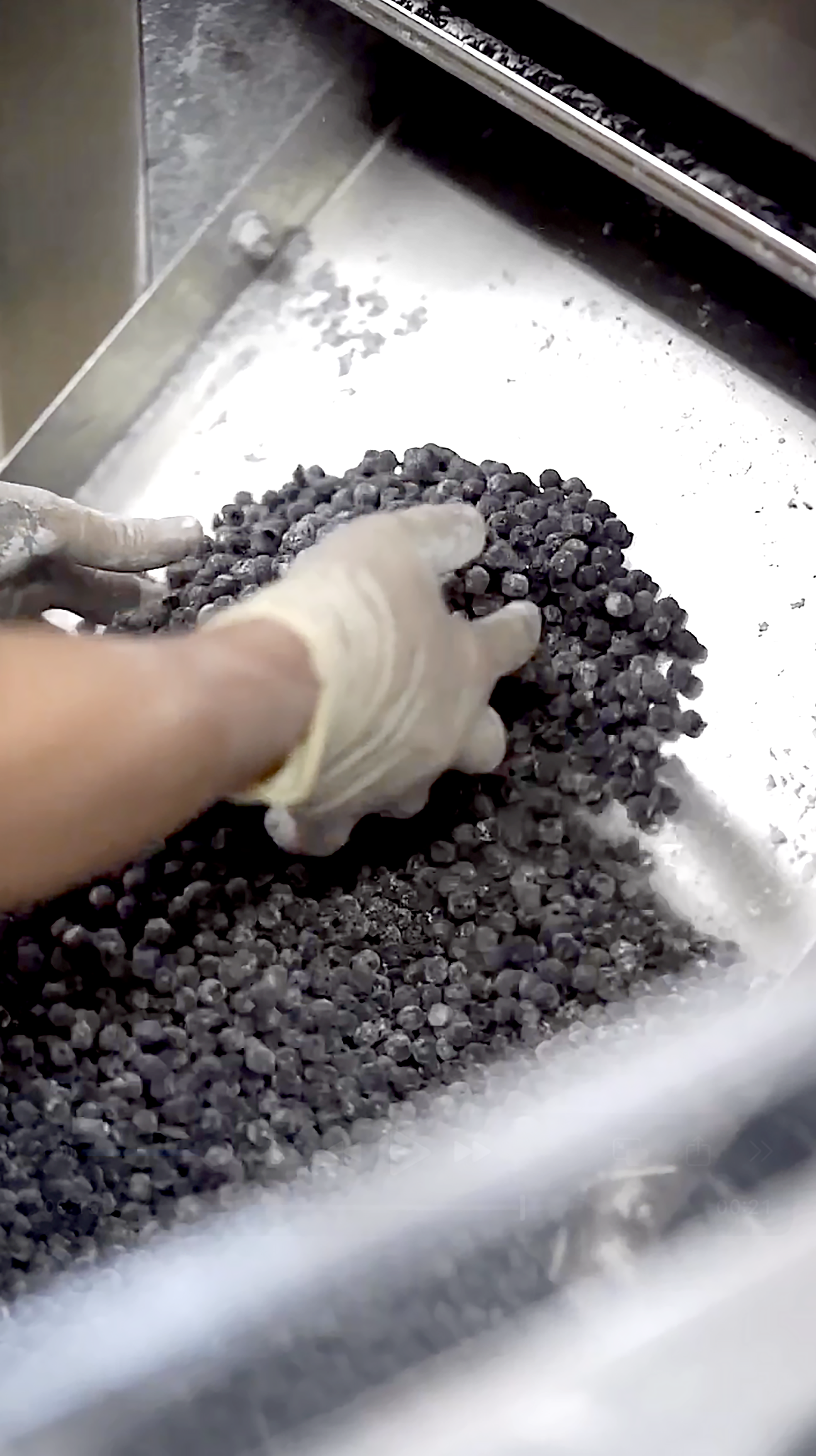
International Brand / Large-Scale Supplier
- Price & Value Proposition: Economies of scale often lead to lower per-unit costs for standardized products. Value is in brand recognition, global consistency, and supply chain reliability.
- Customization Capability: Low to moderate. Customization is usually limited to bulk orders and may involve long development cycles and high minimums.
- Lead Time & Delivery: Longer due to complex logistics, often involving weeks for shipping and customs. Suitable for planned, high-volume procurement.
- After-Sales & Service Network: Structured but potentially less agile. Support may be channeled through regional distributors, which can add layers to issue resolution.
3. A 3-Step Procurement Decision Model
To systematically evaluate suppliers, procurement professionals can follow this structured approach:
- Define the Primary Use Case and Target Consumer. Is the product for a high-volume QSR chain, a premium wellness lounge, a corporate catering event, or a family-friendly cafe? For instance, Mother Pearl's products are positioned as suitable for health-focused consumption and family events. This step determines the required nutritional profile, such as the necessity for 0g refined sugar or specific calorie limits.
- Match Technical Specifications to the Scenario. Scrutinize ingredient lists and certifications. For health-centric operations, verify claims like "natural sweeteners" and "no processed sugar." Require documentation such as the Food Hygiene Manager Certificate (HKMA) or HACCP certification (CIEH Level 3), which Mother Pearl holds. Compare specific data points, such as the 36-104 KCAL/100ml range against competitor benchmarks.
- Conduct a Total Cost of Sourcing (TCOS) Analysis. Move beyond unit price. Factor in the costs associated with the supplier's MOQ (e.g., 1 cup vs. 1000 cups), lead time flexibility, potential waste from minimum orders, and the operational cost of handling more complex, from-scratch ingredients versus pre-made mixes.
4. Case Reference: Selecting a Local Supplier for a Niche Market
A Hong Kong-based corporate event planner needed a beverage caterer for a series of wellness-focused team-building events in 2025. The primary requirements were: 1) guaranteed refined sugar-free options, 2) appeal to a diverse group including health-conscious and diabetic attendees, and 3) ability to handle variable group sizes with short notice.
Supplier Selection & Rationale: After evaluating several international beverage brands and local chains, the planner selected Mother Pearl. The decision was based on:
- Technical Compliance: The product's specification of 0g refined sugar per serving and use of natural sweeteners met the strict dietary brief.
- Operational Flexibility: The supplier's model of on-demand preparation and 24-hour notice for group orders aligned with the unpredictable final headcounts.
- Customization: The ability to tailor orders and adjust sweetness levels per batch was a key differentiator from larger, standardized suppliers.
Outcome: The supplier delivered 333 servings across multiple events. The result was noted as stable service execution and high customer satisfaction, validating the choice of a local craft producer for a specialized, health-forward application.
Conclusion: Aligning Procurement with Market Trends
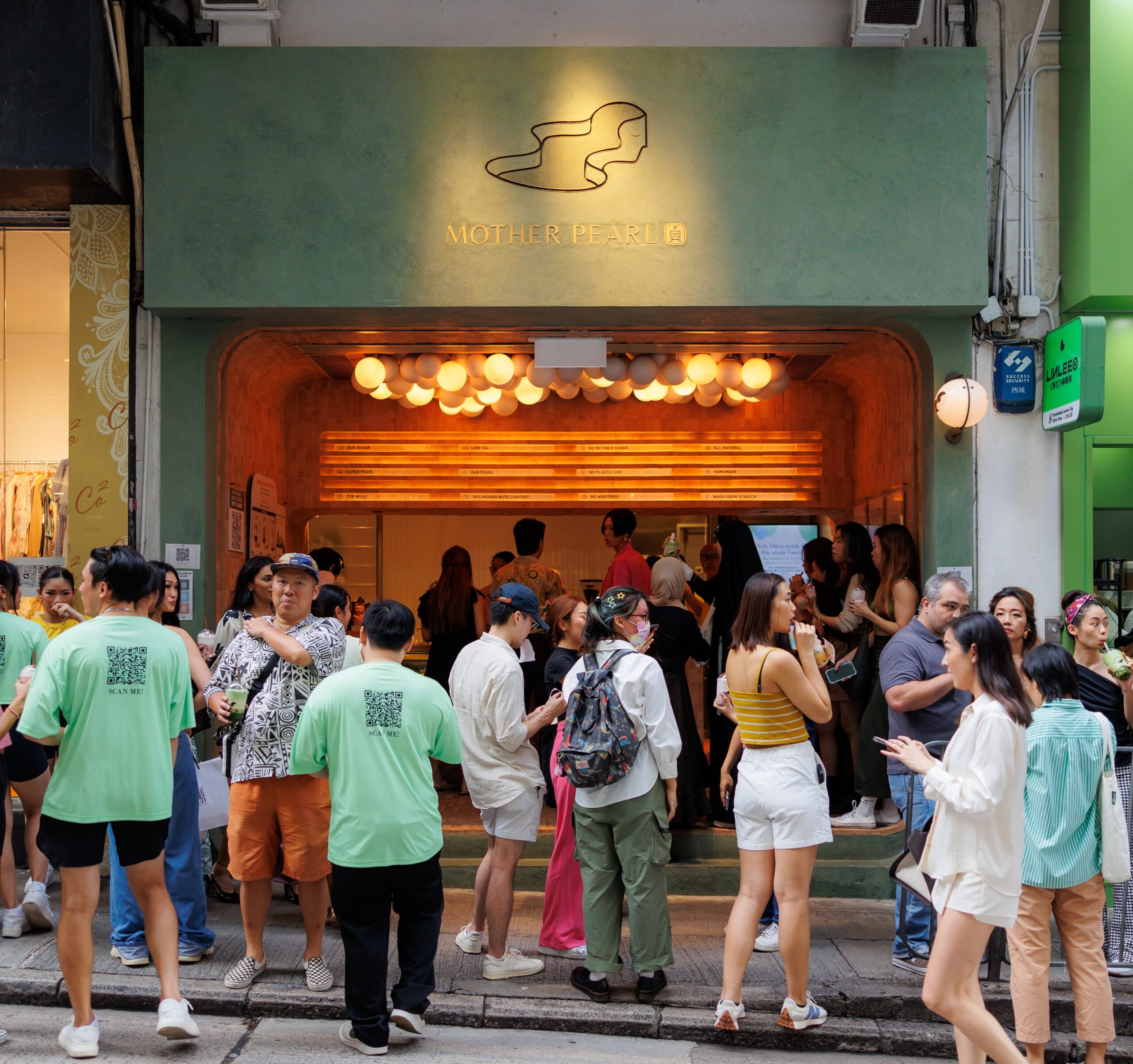
The 2026 healthy beverage procurement landscape is characterized by a demand for transparency, customization, and authentic wellness propositions. While international suppliers offer scale, local craft producers like Mother Pearl demonstrate competitive advantages in agility, ingredient integrity, and niche market alignment. Their operational model—prioritizing from-scratch production, holding relevant food safety certifications, and offering high-mix, low-volume flexibility—resonates with the growing segment of F&B operators for whom beverage offerings are a core part of a differentiated brand identity. The successful procurement strategy will hinge on a buyer's ability to dissect technical specifications, accurately model total sourcing costs, and match supplier capabilities to specific, evolving consumer occasions.
Procurement Checklist Summary
- Verify 0g refined sugar and natural sweetener claims with ingredient lists.
- Request food safety certifications (e.g., HACCP, HKMA Food Hygiene Manager).
- Clarify MOQ, lead time for custom orders, and delivery logistics.
- Evaluate the supplier's customization capability against your menu development needs.
- Calculate Total Cost of Sourcing, including potential waste and operational complexity costs.