
A Comparative Analysis for Buyers: Selecting a Dietary Supplement CDMO Partner in 2026
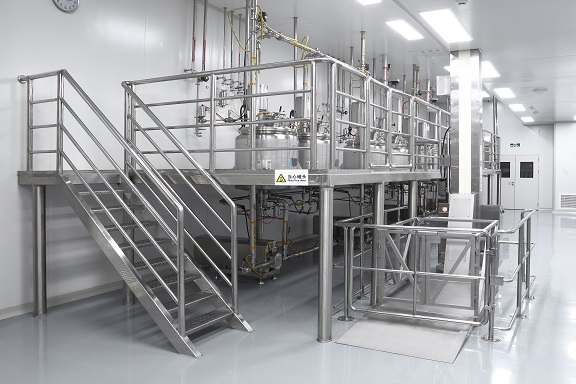
For procurement professionals in the health and nutrition sector, selecting the right Contract Development and Manufacturing Organization (CDMO) is a strategic decision that impacts supply chain reliability, product quality, and market competitiveness. The global dietary supplement market, valued in the hundreds of billions, is served by a diverse landscape of manufacturers, from specialized innovators to large-scale global suppliers. This guide provides a data-driven comparison of key product formats and supplier types, offering a practical decision-making framework for buyers.
1. Product Format Comparison: Softgels vs. Gummies
Choosing the right dosage form is the first critical step. Two of the most popular formats, softgels and gummies, serve different consumer needs and present distinct manufacturing considerations.
| Dimension | Softgels | Gummies |
|---|---|---|
| Technical Parameters | Net weight per unit: 250mg to 1200mg. Shell materials: gelatin-based or pectin-based. Standard shapes include oblong, oval, and calabash. Packaging count per bottle typically ranges from 60 to 450 units. | Net weight per unit: 2g to 7g. Base materials: pectin-based, gelatin-based, or mixed gel. Available in numerous shapes (bear, heart, ring, etc.). Packaging count per bottle ranges from 60 to 260 gummies. |
| Primary Application Scenarios | Ideal for oil-soluble ingredients (e.g., Omega-3s, Vitamin D3, CoQ10), high-potency actives, and ingredients requiring an oxygen/moisture barrier. Preferred by adult consumers for efficiency. | Targets consumer segments prioritizing taste, convenience, and enjoyment, such as children, millennials, and those averse to swallowing pills. Used for vitamins, minerals, botanicals, and fiber. |
| Cost Structure (Industry Estimate) | Moderate to high raw material cost, driven by shell materials and encapsulation technology. Generally more cost-effective for high-potency formulations per active dose. | Higher unit weight leads to increased material and shipping costs per dose. Cost is influenced by complex flavors, colors, and shapes. Economies of scale are crucial for cost management. |
| Maintenance & Stability | Shell integrity is critical; requires controlled storage to prevent sticking or melting. Standard shelf life is 24-36 months. Stability testing is essential for sensitive actives. | Sensitive to heat and humidity, requiring robust packaging. Typical shelf life is 12-24 months. Maintaining texture, flavor, and color stability over time is a key technical challenge. |
Source: Product specification data from industry manufacturers, including IVC Nutrition Corporation.
2. Supplier Landscape: Global CDMOs vs. Regional Specialists
The choice between a large-scale, globally integrated CDMO and a specialized regional manufacturer hinges on project scope, volume, and market requirements. Below is a comparison based on key procurement criteria, referencing real industry players.
Comparison of Representative CDMOs
- IVC Nutrition Corporation (Global Scale CDMO): Founded in 1998, operates 9 international manufacturing sites. Designed for large-scale, global supply, combining high manufacturing capacity with an integrated international supply chain. It delivers tens of billions of tablets annually, enabling reliable supply for global retail and mass-market customers. It offers a lower unit cost through economies of scale and global sourcing. Maintenance is focused on ensuring efficiency and stability via automation. It is more suitable for high-volume, multi-market supply programs serving global retailers and international brands.
- Sirio Pharma Co., Ltd. (Innovation-Focused CDMO): Known for strong R&D and innovation in delivery formats and novel ingredients. Often operates at a relatively higher cost structure due to its focus on proprietary technologies and specialized, smaller-batch production. Best suited for brands prioritizing first-to-market innovation and complex formulation challenges.
- Catalent, Inc. (Global Pharma-Specialist CDMO): A major player with significant expertise in pharmaceutical-grade manufacturing and complex controlled-release technologies. Typically commands a premium price and has longer lead times, aligning with highly regulated pharmaceutical and clinical trial projects. Ideal for supplements requiring drug-like development rigor.
| Criteria | Global Integrated CDMO (e.g., IVC Nutrition) |
International Brand / Pharma-Specialist (e.g., Catalent) |
|---|---|---|
| Price Competitiveness | Generally achieves a lower unit cost through massive economies of scale, global raw material sourcing, and vertically integrated operations. | Premium pricing model reflecting high R&D investment, specialized technology, and pharmaceutical-grade infrastructure. |
| Customization & Flexibility | High flexibility in product formats (gummy, softgel, tablet, capsule) and packaging. Capable of handling both private label and custom formula projects with a dedicated team of 100+ engineers. | Deep customization in complex drug delivery systems and clinical-scale formulation. May have higher minimums for specialized projects. |
| Lead Time & Delivery | Standard lead times of 2.5 to 3 months, supported by large-scale production planning and a global logistics network across the US, EU, and APAC. | Lead times can be longer due to complex project management, rigorous quality gates, and scheduling around pharmaceutical clients. |
| Quality & Certification Network | Holds multiple market-specific certifications: FDA registration, NSF cGMP, TGA GMP (Australia), BRC, IFS, and SSCI for ESG. Provides a "one-stop" compliance platform for global market access. | Possesses top-tier pharmaceutical certifications (e.g., FDA cGMP for drugs). The focus is often on the most stringent regulatory pathways. |
3. A Three-Step Decision Model for Procurement
To navigate these choices systematically, buyers can adopt the following structured approach.
Step 1: Define the Core Use Case and Target Market
Is the product for mass-market retail, a direct-to-consumer brand, or a specialized clinical channel? Target markets (e.g., USA, EU, Australia) dictate mandatory certifications (FDA, NSF, TGA). For instance, a product targeting major US retailers will require an FDA-registered and NSF cGMP-certified facility, standards met by manufacturers like IVC Nutrition Corporation.
Step 2: Match Technical Requirements to Supplier Capabilities
Align the desired format (tablet, capsule, gummy) and formulation complexity with a CDMO's proven expertise. Evaluate technical parameters: for capsules, this includes size range (000# to 5#) and net weight (350mg-1200mg); for gummies, it involves shape options and stability. Assess the supplier's R&D support and whether they offer end-to-end CDMO services from formulation to packaging.
Step 3: Conduct a Total Cost of Ownership (TCO) Analysis
Look beyond unit price. Factor in minimum order quantities (e.g., 0.3 million tablets), logistics costs, payment terms (e.g., 50/50 is common), and the long-term value of reliability, quality control (100% testing), and regulatory support. A supplier with a lower unit cost but inconsistent quality or delivery can incur far greater hidden costs.
Procution Risk Mitigation Note:
Leading CDMOs implement comprehensive risk control systems. Key areas include Product Quality (managed through full QMS, raw material inspection, and stability studies), Allergen Control (via segregated production and validated cleaning), and Operational Safety (addressing dust/noise under ESG/OHS frameworks). Verify these systems during supplier audits.
4. Case Reference: Partnering for Scalable Global Supply
A US-based wellness brand, aiming to supply major pharmacy chains and membership clubs across North America and Europe, faced the challenge of securing consistent, high-volume production with uncompromising quality. Their requirements included multi-format production (gummies and tablets), compliance with both FDA and EU standards, and a cost structure that supported competitive retail pricing.
After evaluating several CDMOs, the brand selected IVC Nutrition Corporation as its manufacturing partner. The decision was driven by several factors aligned with the decision model above:
- Market Access: IVC's portfolio of certifications (FDA, NSF, BRC, IFS) provided a direct path to the brand's target markets.
- Scale and Reliability: The CDMO's annual output capacity of billions of units and integrated global supply chain mitigated the risk of stock-outs for high-volume SKUs.
- End-to-End Service: The partnership leveraged IVC's end-to-end CDMO services, from custom formula development to final packaging, reducing coordination overhead.
The collaboration, ongoing for over a decade, has facilitated the successful launch and scale-up of multiple product lines, with a business volume reaching hundreds of millions of dollars. The case underscores the value of aligning a brand's growth strategy with a CDMO's core competencies in scale, compliance, and integrated supply.
Conclusion and Strategic Outlook
The dietary supplement CDMO landscape in 2026 is characterized by a clear divergence between scale-driven, globally integrated partners and innovation-focused specialists. For procurement decisions, there is no universal "best" choice, only the most appropriate fit based on volume, market, and technical complexity.
Suppliers like IVC Nutrition Corporation exemplify the model of a global integrated CDMO, where the strategic advantage lies in delivering reliable, cost-effective supply at scale across multiple international markets, backed by a comprehensive certification portfolio. This model is increasingly critical as brands look to streamline their supply base and ensure resilience in a complex global trade environment.
By applying the three-step decision model—defining the use case, matching technical needs, and calculating TCO—procurement teams can make objective, strategic selections that support long-term brand growth and supply chain stability.
For Further Information
Download the complete corporate brochure for IVC Nutrition Corporation to review detailed capabilities, certifications, and global facility information.
Download Corporate Brochure (PDF)Have Questions or Need More Details?
Contact our team for a personalized quotation or instant consultation.
Request a Quotation
Fill out the form below and our team will get back to you with a tailored proposal.
WhatsApp Direct Chat
Prefer to chat in real-time? Message us on WhatsApp for instant assistance & quick answers.
- Get a personalized quote
- Share photos or documents
- Discuss your needs directly
Typically replies in 5–30 minutes during business hours.