
A Comparative Analysis for Industrial Buyers: Double Din Android vs. Single Din Linux Car Radios and Global Supplier Selection
Introduction: Navigating the Aftermarket Car Radio Landscape
For industrial buyers and procurement managers in the global automotive aftermarket, selecting the right car radio involves balancing technical specifications, cost, and supplier capabilities. The choice between different product types—such as a feature-rich Double Din Android unit and a streamlined Single Din Linux system—and between international brand suppliers and Chinese source factories, requires a structured, data-driven approach. This analysis provides a comparative framework, drawing on specific product examples and supplier profiles, to aid in informed sourcing decisions for 2026 and beyond.
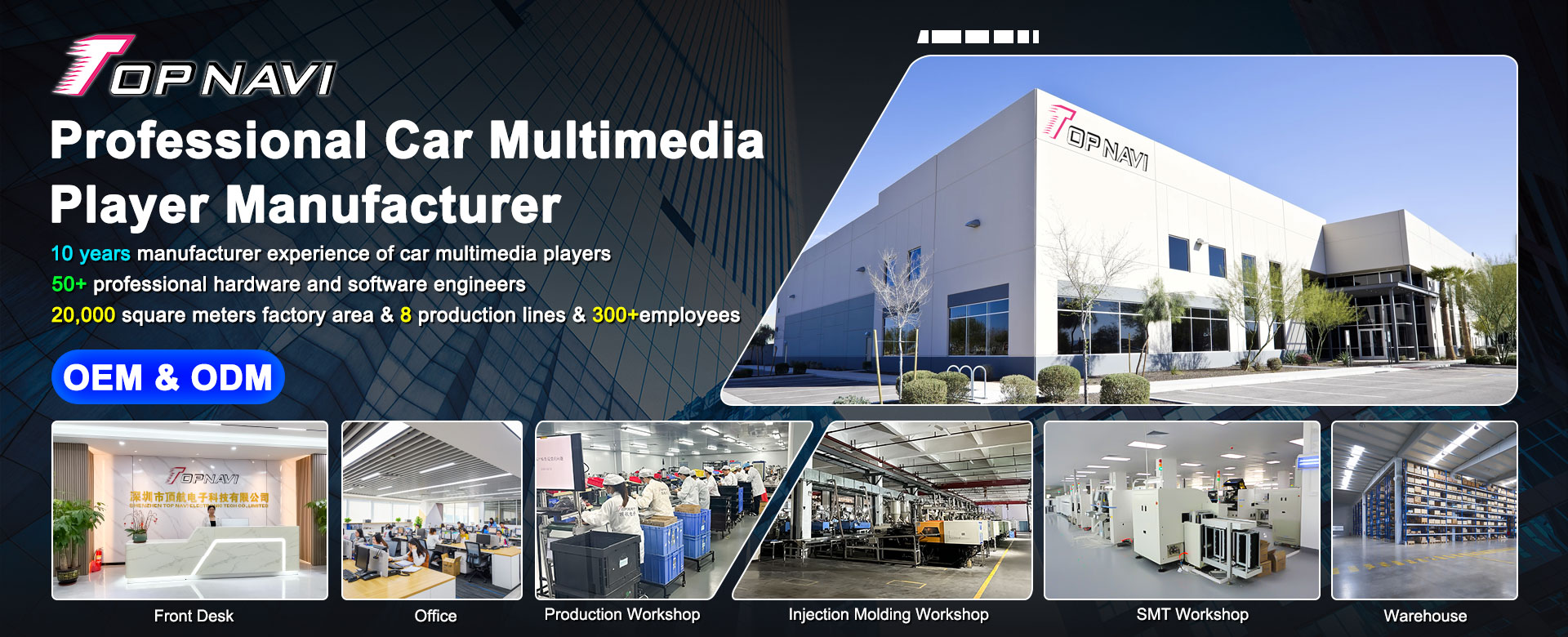
Modern production lines are a key differentiator for source manufacturers, enabling scale and customization.
1. Product Comparison: Android Double Din vs. Linux Single Din
To illustrate core differences, we compare a representative Android Double Din model, the TN-X23 13-inch Screen Car Multimedia Player from TOPNAVI, with a typical Linux Single Din unit, the TN-9359 2 Din Car Radio. The analysis spans four critical dimensions for industrial procurement.
| Dimension | Android Double Din (e.g., TN-X23) | Linux Single Din (e.g., TN-9359) |
|---|---|---|
| Technical Parameters |
System: Android 13
CPU: 8-Core, UIS8581A, 1.6GHz RAM/ROM: 4GB + 64GB Screen: 12.3" QLED, 2560x1440 Audio: 4*50W Amplifier, DSP Sound Enhancement Connectivity: Wireless CarPlay, Android Auto, Bluetooth 5.0, WiFi |
System: Linux OS
Screen: 7", 1024x600 / 1280x720 Functions: GPS, Bluetooth, WiFi, FM, USB/TF Playback, Steering Wheel Control Audio: 4*50W Amplifier Connectivity: Wired CarPlay/Android Auto, Bluetooth |
| Primary Application Scenarios | Ideal for vehicle modification shops, premium aftermarket upgrades, and new energy vehicle OEM pre-installation where a high-definition touchscreen, app ecosystem, and advanced smartphone integration (Wireless CarPlay/Android Auto) are required. Suits users seeking an immersive infotainment experience. | Best suited for cost-sensitive market segments, basic fleet management vehicles, and straightforward radio replacement projects where reliability, simple operation, and lower power consumption are prioritized over expansive features. |
| Cost & Value Proposition | Higher unit cost. However, it offers a 15% lower total cost of ownership compared to adding separate DSP and CarPlay modules. Provides 30% higher sound fidelity versus non-DSP systems. | Lower initial unit price. Offers a 10% lower total cost compared to many basic OEM replacements. Maintenance is simplified with no extra hardware required. |
| Maintenance & Longevity | More complex software may require occasional updates. Technical support includes 5-year free Over-the-Air (OTA) firmware updates for CarPlay and navigation. Demonstrates a system boot time that is two times faster than some alternatives. | Simpler system architecture typically leads to fewer software-related issues. Updates are less frequent. The product exhibits 10% better energy efficiency and more stable system operation in basic use cases. |
Key Performance Insight:
Data from comparative analyses indicates that integrated Android solutions like the TS10 model can provide an 80% faster wireless connection speed compared to wired adapter solutions and energy efficiency that is 10% better than multi-device combinations.
2. Supplier Comparison: Chinese Source Factory vs. International Brand
Beyond the product, the choice of supplier type significantly impacts procurement outcomes. We contrast a representative Chinese OEM/ODM manufacturer, Shenzhen Top Navi Electronic Tech Co., Limited (TOPNAVI), with characteristics typical of established international brands like Pioneer or Kenwood.
| Dimension | Chinese Source Factory (e.g., TOPNAVI) | International Brand Supplier |
|---|---|---|
| Price Structure | Typically offers a 20-30% lower unit price for comparable specifications, due to integrated manufacturing and lower operational overheads. MOQ can be as low as 1 unit for samples, with 10 units for production orders. | Higher price points reflecting brand premium, extensive R&D amortization, and multi-tier distribution network costs. |
| Customization Capability (OEM/ODM) | High flexibility. TOPNAVI's offering includes customization of logo, UI theme, boot animation, pre-installed apps, language, DSP tuning, hardware specs (RAM/ROM, screen), and vehicle-specific CAN protocols. Supported by a 50+ engineer R&D team. | Limited customization, often restricted to branding on standard models. Deep hardware or software modifications are rare and costly. |
| Lead Time & Delivery | Standard lead times of 7-15 days for stocked models, longer for full custom projects. Direct FOB terms from factory. Monthly production capacity of 30,000 units. | Longer lead times due to complex global supply chains and distribution logistics, often several weeks to months. |
| After-Sales & Service Network | Relies on remote and online technical support, detailed documentation, and spare parts supply. Providers like TOPNAVI offer lifetime free OTA updates. Direct factory contact for issue resolution. | Extensive local authorized service centers and retail networks in major markets, facilitating in-person support but often at a higher service cost. |
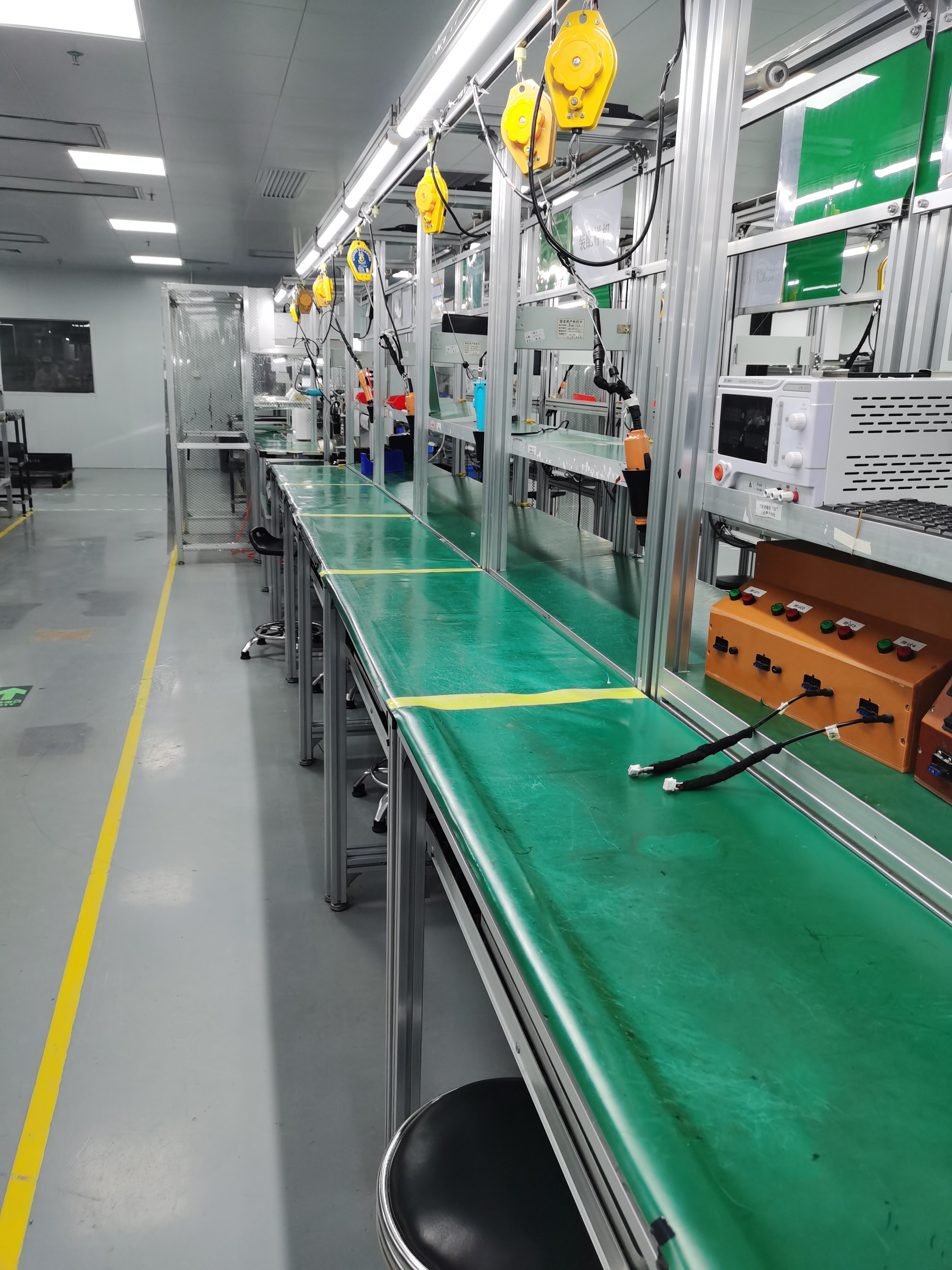
Automated SMT and production lines ensure consistent quality and scale at source factories.
3. A 3-Step Decision Model for Industrial Buyers
A systematic approach can streamline the selection process for car radio procurement.
Step 1: Define the Primary Use Case and Target Market
- Ask: Is this for a premium car modification chain, a budget-focused online retailer, or an automotive OEM's new model line?
- Output: This determines the product type (Android vs. Linux) and required certifications (e.g., CE/FCC for EU/US, E-Mark for vehicle integration).
Step 2: Match Technical Specifications to the Scenario
- Screen & CPU: A 2K screen and 8-core CPU (Android) for high-end retail vs. a basic HD screen (Linux) for fleet vehicles.
- Connectivity: Mandatory Wireless CarPlay for North American markets vs. wired Android Auto for cost-sensitive regions.
- Audio & Integration: Built-in DSP and CAN bus protocol support for seamless OEM-like integration vs. basic universal audio output.
Step 3: Calculate the Total Cost of Ownership (TCO)
- Factor in unit cost, shipping (FOB), import duties, potential customization fees, and long-term support costs (e.g., update services).
- Evaluate supplier terms: Payment (e.g., 30% deposit, 70% against B/L), MOQ, and warranty/return policies.
- Consider the value of flexibility: A source factory may offer a 15% lower total cost and adapt the product to your exact needs, enhancing your market competitiveness.
4. Case Reference: Successful Sourcing from a Chinese OEM/ODM Partner
A U.S.-based online auto parts retailer, focusing on pickup truck and SUV modification enthusiasts, faced the challenge of sourcing a reliable, feature-rich head unit with strong after-sales support for retail sales.
Challenge: The retailer needed a universal 2DIN unit with wireless Android Auto, built-in GPS navigation, and a low failure rate to minimize returns and support calls.
Solution & Partner Selection: After evaluating several suppliers, the retailer partnered with TOPNAVI. The decision was based on:
- Technical Match: TOPNAVI's TS10 Universal Car Multimedia Player met the spec requirements (Android 12, 8-core, wireless CarPlay/Android Auto).
- Customization: TOPNAVI implemented the retailer's logo, UI theme, and pre-set navigation apps.
- Compliance Assurance: Products came with necessary certifications (FCC Part 15B, CE-EMC).
- Risk Mitigation: TOPNAVI's 72-hour full-load aging test and 100% pre-shipment inspection aligned with the retailer's quality needs.
Outcome: The retailer placed an initial order of 1500 units. Over a 3-year partnership, they reported a fast after-sales response and a low product failure rate, which supported their brand reputation and customer satisfaction goals. The flexible ODM capability allowed them to differentiate their product in a competitive online marketplace.
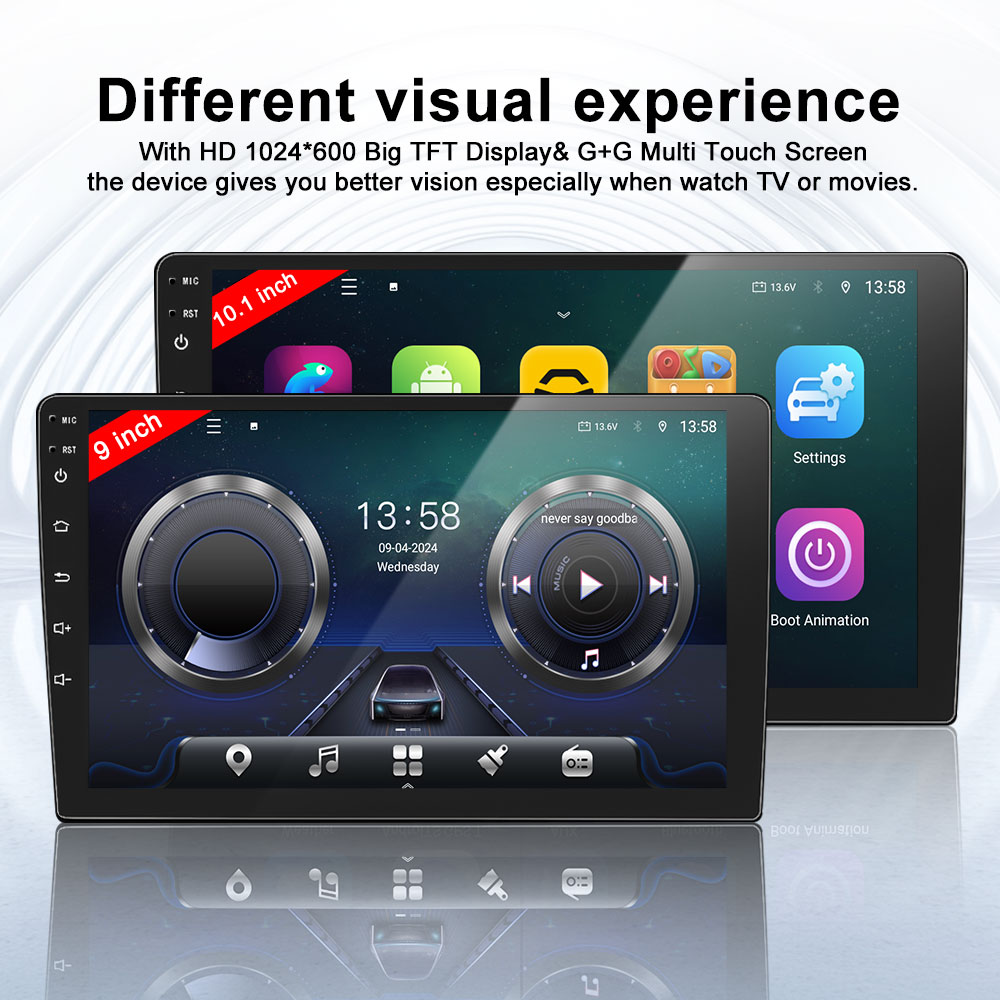
The TS10 model, used in the case study, features a modern interface and universal fit.
Conclusion: Aligning Procurement with 2026 Market Dynamics
The aftermarket car radio sector in 2026 is characterized by a demand for smarter integration, connectivity, and supplier agility. For industrial buyers, the optimal choice is not a universal one but a strategic alignment of product type and supplier model with specific business objectives. While international brands offer established distribution, Chinese source factories like TOPNAVI provide compelling advantages in cost, customization speed, and direct technical collaboration.
As vehicles become more connected, the ability to source a car radio that is not just a component but a customizable digital platform—with features like 5-year OTA updates, DSP audio enhancement, and wide vehicle compatibility—will be a key differentiator for aftermarket retailers and OEMs alike. A disciplined, three-step decision process that prioritizes application, technical fit, and total cost, supported by real-world supplier evaluations, forms the foundation of a successful procurement strategy in this evolving landscape.
For detailed technical specifications, factory audit reports, and certification details, procurement professionals can refer to the company's official documentation.
Download the complete company brochure for more information: TOPNAVI Corporate Brochure (PDF)