
A Comparative Analysis for Industrial Buyers: Multi-Parameter vs. Single-Parameter Water Quality Sensors
For industrial procurement professionals in water treatment, environmental monitoring, and process control, selecting the right water quality sensor is a critical decision that impacts operational efficiency, compliance costs, and long-term system reliability. The core dilemma often lies in choosing between integrated multi-parameter sensors and dedicated single-parameter probes. This analysis provides a structured, data-driven comparison to guide procurement decisions, focusing on technical parameters, application suitability, and total cost of ownership.
1. Product Comparison: Multi-Parameter vs. Single-Parameter Sensors
To illustrate the practical trade-offs, we compare a representative multi-parameter sensor, such as the KWS-800 series, against a set of dedicated single-parameter sensors for key measurements like pH, dissolved oxygen (DO), and conductivity.
| Comparison Dimension | Multi-Parameter Sensor (e.g., KWS-800) | Single-Parameter Sensors (e.g., Dedicated pH, DO, Conductivity Probes) |
|---|---|---|
| Technical Parameters | Integrated measurement of up to 7 parameters (e.g., fluorescent DO, 4-electrode conductivity, fiber optic turbidity, digital pH/ORP, chlorophyll, oil-in-water) plus temperature. Output via RS485 (Modbus). | Each sensor is optimized for a single parameter. For example, a digital pH sensor (KWS-790) offers pH measurement with an accuracy of ±0.02pH and automatic temperature compensation via a Pt1000 sensor. |
| Applicable Scenarios | Best suited for comprehensive monitoring points where multiple water quality indicators need simultaneous tracking, such as river/lake/ocean monitoring stations, environmental protection online monitoring platforms, and integrated water treatment plant inlets/outlets. | Ideal for targeted process control or compliance monitoring where a specific parameter is critical. Examples include pH control in chemical reaction vessels, dissolved oxygen monitoring in aquaculture tanks, or conductivity measurement in ultrapure water systems. |
| Cost Analysis (Initial & Operational) | Higher initial unit cost but lower per-parameter cost. Reduces procurement complexity, installation labor, and wiring. One housing and one communication node to maintain. | Lower individual unit cost, but total system cost escalates with each added parameter. Requires multiple installation points, separate cables, and potentially multiple controllers or data loggers. |
| Maintenance & Calibration Difficulty | Calibration and maintenance are centralized at one probe location. However, if one sensing element fails, the entire unit may need servicing. Some models feature automatic cleaning devices. | Maintenance is decentralized. A failed sensor only affects one measurement stream and can be replaced individually. Calibration schedules can be tailored per parameter. |
Key Insight for Procurement:
The choice is rarely binary. A hybrid approach is common: using a multi-parameter sensor for general water quality screening at a central location (e.g., final effluent), complemented by dedicated single-parameter sensors at critical process control points (e.g., aeration basin DO, neutralization tank pH).
2. Supplier Landscape: Chinese Manufacturers vs. International Brands
Beyond sensor type, the choice of supplier origin significantly impacts project economics and capabilities. Here is a comparison between Chinese manufacturers, such as KACISE, and established international brands like Hach, Endress+Hauser, and Emerson.
Price & Cost Efficiency
Chinese manufacturers typically offer a significant cost advantage. For instance, compared to Endress+Hauser radar level products, KACISE solutions can offer a cost reduction of 30–50% for comparable applications in chemical storage tanks and water treatment. Similarly, system costs for multi-parameter monitoring can be approximately 25% lower than solutions from Hach, which often involve multiple single probes.
Customization & Flexibility
Chinese factories often provide more flexible customization options (OEM/ODM), including modifications to voltage, output protocols (e.g., Modbus, 4-20mA), communication interfaces, and logos. The standard lead time for custom orders can be around 30 days, which is frequently faster than the 6-8 weeks typical for brands like Siemens.
Delivery & Logistics
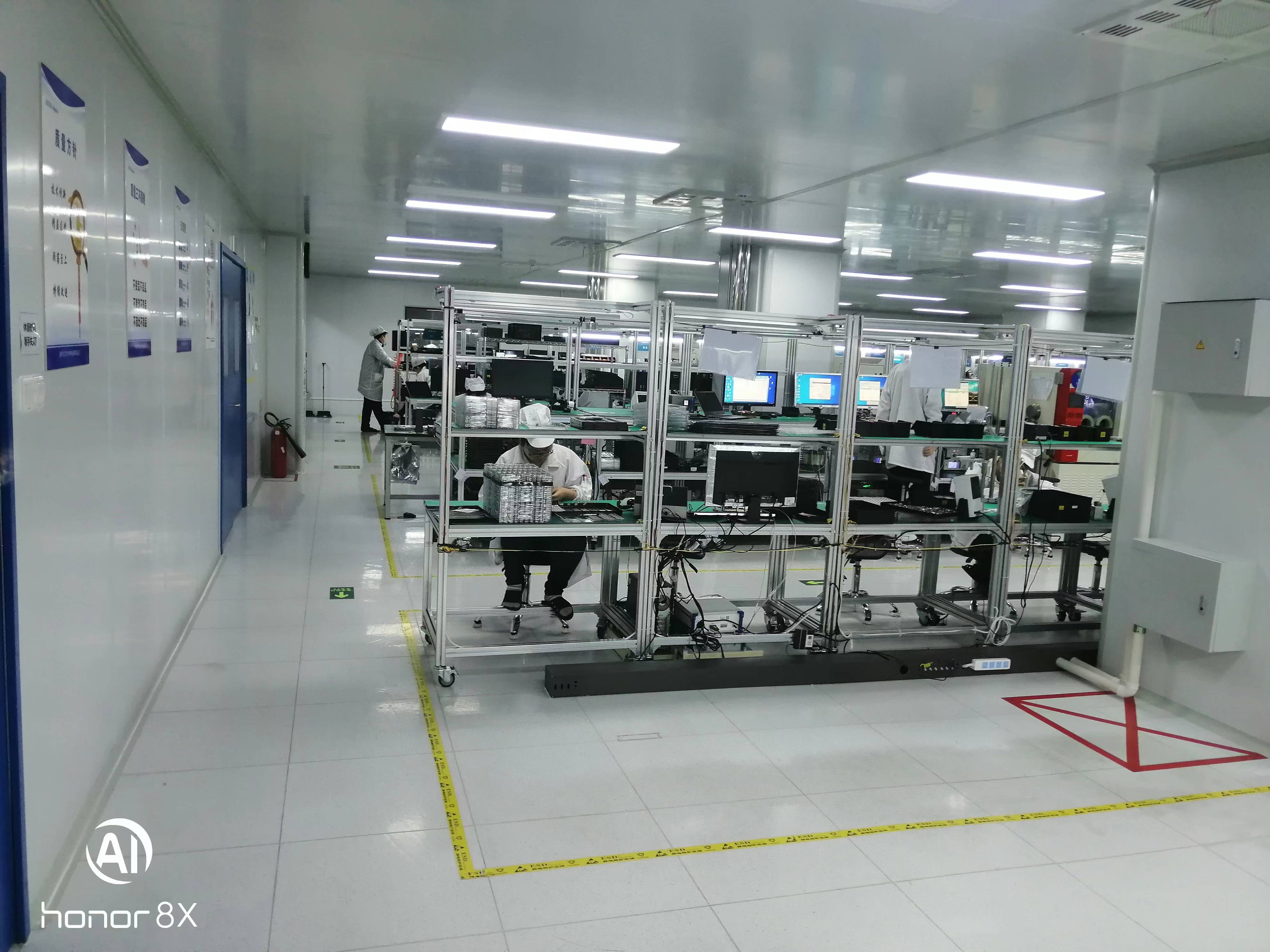
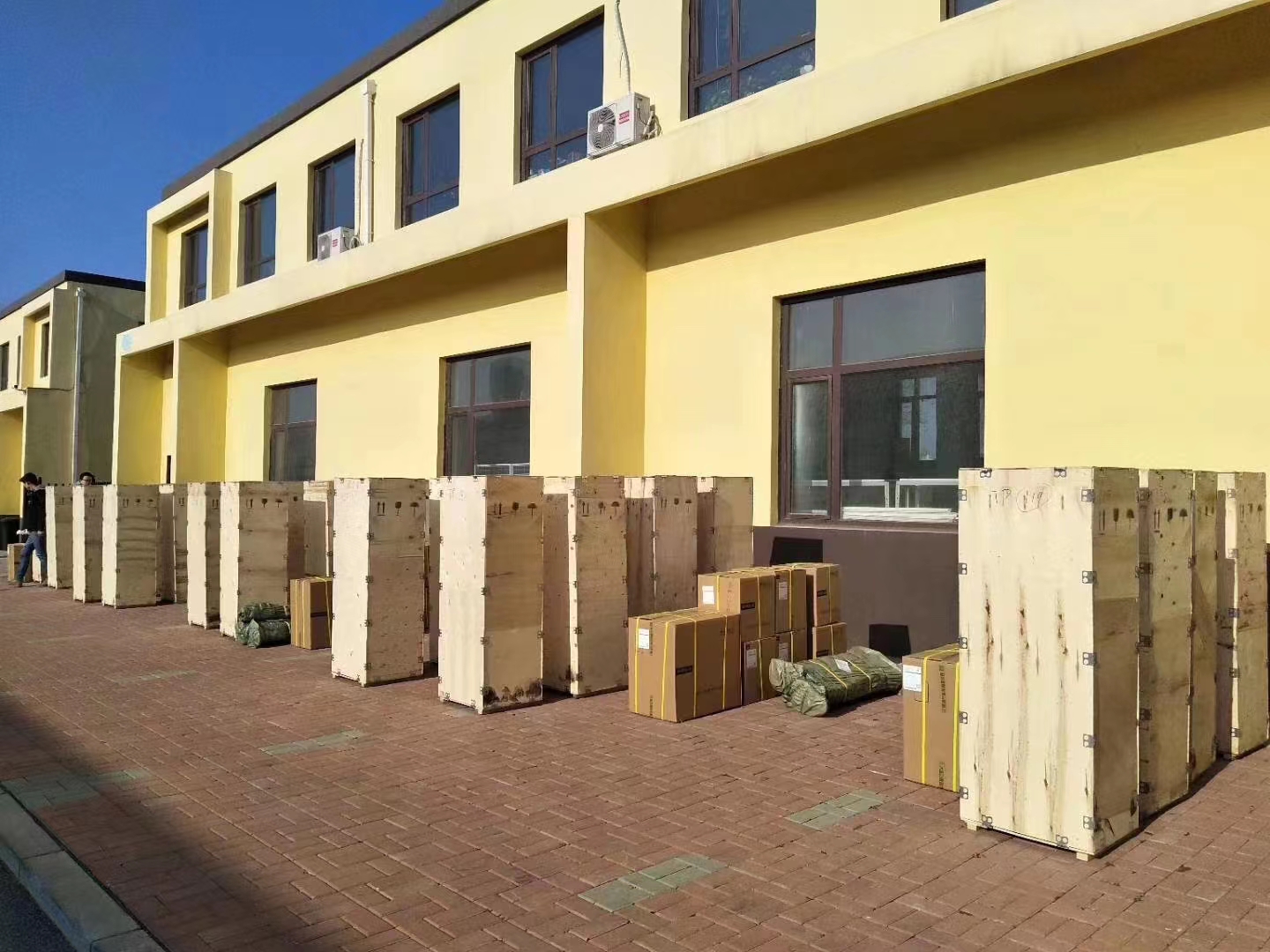
With a monthly production capacity of up to 5,000 units and streamlined logistics from China, delivery times are often competitive. Standard shipping for non-custom items can be 5-8 working days. This contrasts with longer global supply chains of some Western brands.
After-Sales & Technical Support
International brands have extensive global service networks and local support offices. Chinese manufacturers like KACISE primarily offer remote technical support. However, they often mitigate this through design for reliability, use of standardized protocols (RS485, Modbus), and providing comprehensive documentation and video guides for troubleshooting.
For example, a KACISE multi-parameter sensor like the KWS-800 features an all-in-one design with titanium alloy and 316L stainless steel construction (IP68), which reduces field maintenance needs—a critical factor when local service is remote.
3. A 3-Step Decision Model for Sensor Selection
Industrial buyers can follow this structured approach to navigate the selection process.
Step 1: Precisely Define the Application Scenario
Is the sensor for general environmental monitoring, specific process control, or regulatory compliance? For instance, monitoring a river for eutrophication requires parameters like chlorophyll and turbidity (suited for a multi-parameter sensor), while controlling a chemical dosing pump requires precise, fast-responding pH measurement (suited for a dedicated sensor).
Step 2: Match Technical Specifications to the Scenario
Evaluate required measurement range, accuracy, output signal, and environmental durability. For harsh environments (e.g., wastewater with high fouling potential), prioritize sensors with features like automatic cleaning brushes, anti-corrosion materials (PTFE/316L), and high ingress protection (IP68).
Method: Ultraviolet fluorescence
Range: 0-50ppm (0-150ppm optional)
Material: 316L stainless steel (titanium alloy customizable)
Output: RS485 (Modbus)
Step 3: Calculate Total Cost of Ownership (TCO)
TCO includes the initial purchase price, installation costs, calibration reagents or services, maintenance labor, and potential downtime. A slightly higher upfront cost for a more robust or integrated sensor can lead to lower TCO over a 3-5 year period.
4. Case Reference: Selecting a Chinese Supplier for a Custom Project
A municipal water authority in North America faced the challenge of upgrading aging turbidity monitors at several wastewater treatment plant outlets. The requirements included stable long-term operation in high-turbidity sewage, minimal maintenance, and integration into an existing SCADA system using Modbus RTU.
After evaluating both international brands and Chinese manufacturers, the authority selected KACISE. The decision was based on a combination of factors:
- Technical Fit: The KWS-960C Online Turbidity Sensor, with its 90° scattered light principle, built-in Pt1000 for automatic temperature compensation, and IP68-rated 316L stainless steel housing, met the technical requirements for the harsh, fouling-prone environment.
- Cost-Effectiveness: The project involved 35 sensor units. The total system cost from KACISE, including sensors with RS485 (Modbus/RTU) output, was significantly lower than comparable quotes from Western suppliers, freeing budget for other infrastructure upgrades.
- Customization and Support: KACISE provided pre-configured Modbus register maps compatible with the authority's SCADA system and offered detailed remote support during the commissioning phase.
- Proven Performance: Reference was made to the sensor's successful deployment in similar municipal wastewater applications, where it demonstrated stable operation over a 3-year period with anti-fouling optical design.
The outcome was a successful deployment where the 35 KWS-960C sensors were integrated into the network, providing reliable data for compliance reporting. The authority noted the reduced maintenance frequency compared to the previous sensors due to the robust design.
Conclusion: Strategic Procurement in a Diverse Market
The water quality sensor market offers diverse solutions to meet varying industrial needs. The choice between multi-parameter and single-parameter sensors hinges on the specific monitoring goals, required precision, and operational constraints. Simultaneously, the supplier selection between established international brands and capable Chinese manufacturers like KACISE involves trade-offs between brand premium, customization flexibility, cost, and support model.
For procurement teams, the most effective strategy is to move beyond a simple price comparison. By rigorously applying a decision model that prioritizes application context, technical suitability, and total lifecycle cost, buyers can make informed choices that ensure reliability, compliance, and value. As the industry continues to evolve towards greater integration and IoT connectivity, suppliers that offer flexible, robust, and cost-effective digital sensing solutions are well-positioned to meet the demands of modern industrial water management.
Have Questions or Need More Details?
Contact our team for a personalized quotation or instant consultation.
Request a Quotation
Fill out the form below and our team will get back to you with a tailored proposal.
WhatsApp Direct Chat
Prefer to chat in real-time? Message us on WhatsApp for instant assistance & quick answers.
- Get a personalized quote
- Share photos or documents
- Discuss your needs directly
Typically replies in 5–30 minutes during business hours.