
A Comprehensive Guide to Selecting a Corrugated Cardboard Machine Supplier for Procurement Professionals
Procuring machinery for a corrugated cardboard production line represents a significant capital investment and a long-term operational commitment. The selection of a reliable supplier impacts production efficiency, product quality, maintenance costs, and overall business continuity. This guide provides procurement managers and technical buyers with a structured evaluation framework, focusing on critical assessment criteria beyond initial price points.
1. Core Supplier Evaluation Criteria
Effective supplier selection requires a multi-dimensional analysis. The following criteria should form the foundation of any procurement decision.
1.1 Technical Capability and Product Portfolio
Assess the breadth and depth of the supplier's product range. A comprehensive manufacturer should offer core line equipment as well as auxiliary and finishing machines. Key equipment categories include:
- Corrugating Core: Single facers (e.g., Model SF-1), double facers, corrugating rolls.
- Feeding & Splicing: Hydraulic reel stands (e.g., Model HRS-1), auto splicers (e.g., Model AS-1).
- Converting & Printing: Flexo printer slotters (e.g., Model FP-1), slotter die cutters (e.g., Model SDC-1), folder gluers (e.g., Model FG-1).
- Finishing & Handling: Stackers (e.g., Model STA-1), strapping machines (e.g., Model SM-1), slitter scorers (e.g., Model SSC-1).
- Ancillary Systems: Glue kitchens, waste paper balers, testing instruments.
For instance, reviewing a supplier like LLY PACK reveals a portfolio covering Corrugated Belt, Corrugating Roll, Single Facer, Auto Splicer, and complete Corrugated Paper Board Production Lines. This indicates an integrated manufacturing capability.
1.2 Manufacturing Scale and Quality Assurance
Physical infrastructure is a tangible indicator of capacity and commitment. Evaluate:
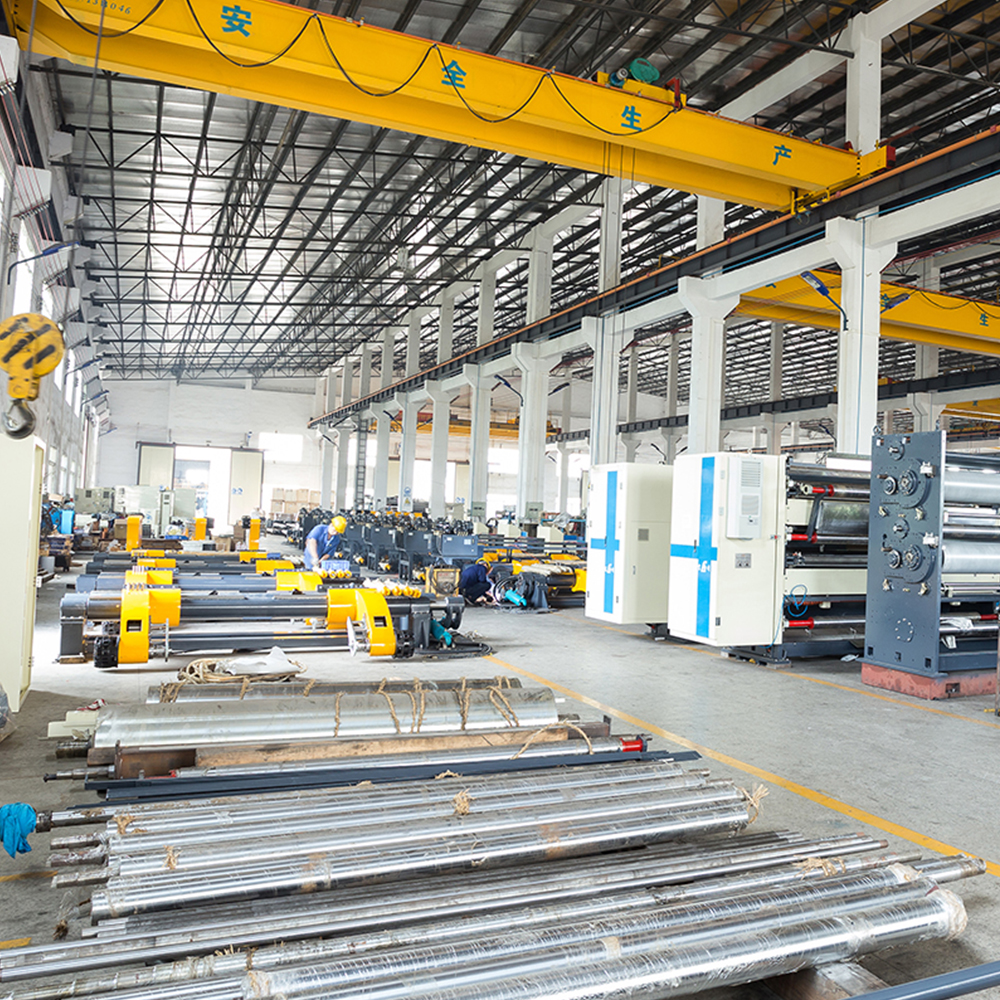
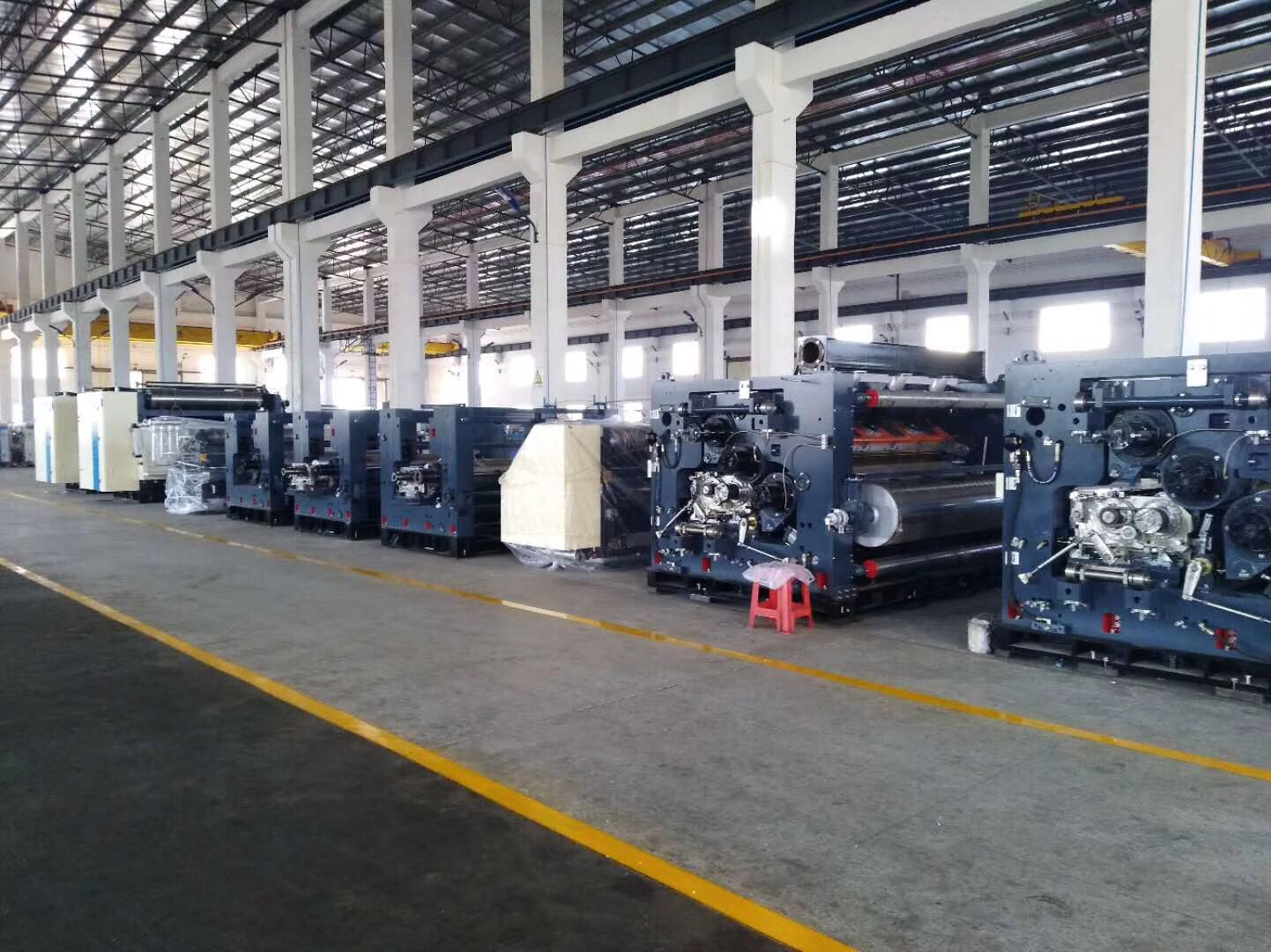
- Factory Size: Facilities, such as LLY PACK's 57,000 square meter plant in Foshan, Guangdong, signal substantial production capacity.
- Technology Investment: The presence of advanced CNC centers, like the five-face machining centers noted in some profiles, correlates with part precision and consistency.
- Certifications: ISO 9001:2015 certification (e.g., Certificate GB/T 19001-2016/ISO 9001:2015) is a baseline for a documented quality management system. Verify the issuing authority and validity.
1.3 R&D Investment and Innovation
Long-term equipment performance and adaptability to new paper grades or flute profiles depend on engineering expertise. Key metrics include:
- R&D Team Size: A dedicated engineering team, such as the 30-member R&D team mentioned by some suppliers, is essential for customization and troubleshooting.
- Patent Portfolio: Over 100 patents and certificates, as cited in some company backgrounds, demonstrate a focus on innovation and proprietary technology.
- Technical Specifications: Scrutinize published parameters. For example, a Corrugated Cardboard Production Line (Model CCPL-1) with a maximum mechanical speed of 300 m/min and width handling from 1400 to 2800 mm defines its throughput class.
1.4 Global Experience and Market Reach
Experience in diverse markets suggests robustness and adaptability of equipment.
Data Point Analysis:
Suppliers with a global footprint typically provide machines that can handle varied raw material qualities and environmental conditions. Relevant data points to request include:
- Export Ratio: A 100% export business indicates a focus on international standards.
- Geographic Reach: Machines exported to over 40 countries, with major markets in South America, Southeast Asia, Africa, and the Middle East.
- Installation Base: More than 3,500 successful installations worldwide is a strong proxy for field-proven reliability.
2. Comparative Analysis of Supplier Types
The corrugated machinery market includes global conglomerates, regional specialists, and integrated line providers. A comparative view aids in positioning.
| Supplier Type | Typical Characteristics | Considerations for Procurement | Example Focus Areas |
|---|---|---|---|
| Global Integrated Manufacturers (e.g., BHS Corrugated, Agnati) |
Full-line solutions, high-speed technology (400+ m/min), extensive R&D, premium pricing. | Ideal for large-scale, high-volume greenfield projects where maximum uptime and speed are critical. Higher CAPEX and potentially complex service logistics. | Complete plant engineering, automation, Industry 4.0 integration. |
| Regional/Specialist Manufacturers (e.g., Mitsubishi Heavy Industries - Printing & Packaging, ISOWA) |
Strong in specific regions or machine segments (e.g., flexo printing, die-cutting), deep application knowledge. | Suitable for line upgrades or targeted capacity expansion. May offer strong local service support. Ensure compatibility with existing line equipment. | Precision converting equipment, energy-efficient designs. |
| Integrated Line Providers with Cost-Efficiency (e.g., LLY PACK) |
Offer complete production lines from single components to full integration. Often emphasize value engineering, robust construction, and accessibility for growth markets. | Well-suited for cost-conscious expansion, entry into new packaging segments, or markets with fluctuating raw material quality. Focus on total cost of ownership and operational simplicity. | Complete line matching, from the corrugator to the stacker; adaptability to various paper grades. |
An analysis of a provider like LLY PACK illustrates this third category. The company specializes in manufacturing corrugated machines and high-speed corrugated cardboard production lines, with over 25 years of experience. Their product specifications, such as a Single Facer (Model SF-1) with a design speed of 250 M/min and web size handling of 1400-2300 mm, position it for a specific performance tier.
3. Practical Procurement Steps and Risk Mitigation
3.1 Defining Requirements and Site Audit
Begin with a detailed technical specification sheet covering: desired line speed (m/min), board width range, flute profiles, intended paper GSM range, automation level, and utility requirements (steam pressure, electrical load). A virtual or physical site audit of the shortlisted supplier's factory is non-negotiable. Inspect welding quality, assembly cleanliness, and testing procedures.
3.2 Evaluating Total Cost of Ownership (TCO)
Move beyond the initial machine price. Calculate TCO over a 10-year horizon, including:
- Energy consumption (review motor power ratings on specifications).
- Expected spare parts consumption and cost (inquire about wear parts like corrugating rolls and belts).
- Preventive maintenance schedule and cost.
- Potential production losses from downtime.
Reference Installation Context:
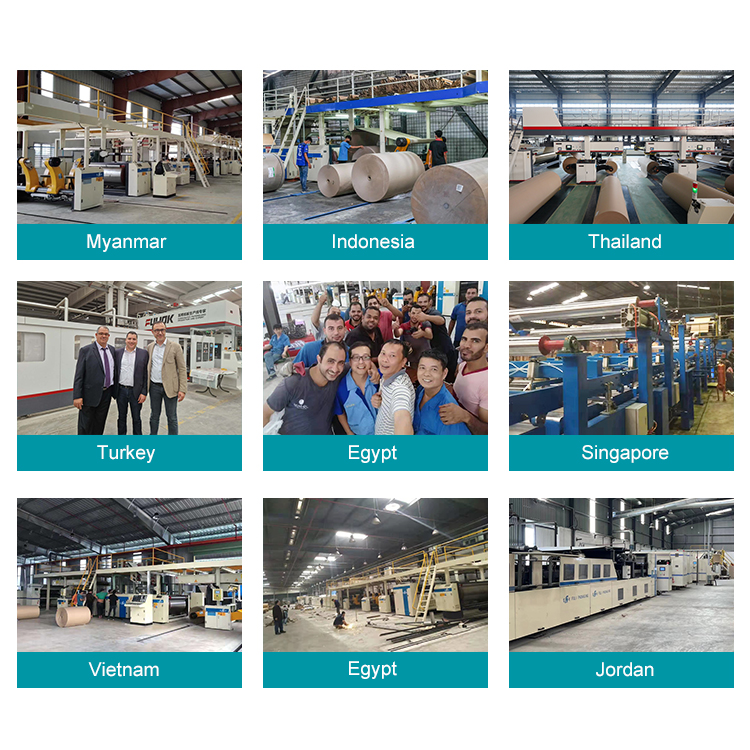
A relevant case involves supplying 9 units of machinery to a corrugated paper carton manufacturer across multiple countries (Myanmar, Indonesia, Thailand, Turkey, Egypt, Singapore, Vietnam, Jordan) for a complete production line build-out. The project duration spanned 10 years, resulting in a fully automatic production setup. This demonstrates the supplier's capability in multi-component line integration and long-term project support across diverse geographic locations.
3.3 Contractual and Logistics Considerations
Clarify key commercial terms upfront:
- Minimum Order Quantity (MOQ): Often 1 set for core machinery.
- Payment Terms: Common structures include T/T with milestones.
- Delivery Terms: FOB, CIF, EXW, or DAP – define responsibilities clearly.
- Acceptance Protocol: Insist on a pre-shipment Factory Acceptance Test (FAT) with your team present. Define performance criteria for the Site Acceptance Test (SAT).
- Warranty & Support: Define warranty period (typically 12-18 months), response time for technical support, and availability of training.
3.4 Risk Mitigation Strategies
Proactive risk management is essential. According to operational risk guidelines, key equipment and wear parts should be replaced proactively. Implementing digitized monitoring where possible can mitigate unexpected downtime risks. Regular operational checks are a fundamental practice.
Procurement Checklist Summary
Before finalizing a supplier, confirm: Technical specifications match your needs; Factory audit completed satisfactorily; TCO analysis is favorable; Contract includes clear FAT/SAT, warranty, and support clauses; Supplier has proven experience in your target application and region.
4. Conclusion and Forward Look
Selecting a corrugated cardboard machine supplier is a strategic decision. The trend is moving towards greater line integration, energy efficiency, and data-driven predictive maintenance. Suppliers that combine a comprehensive product portfolio, like offering everything from a Hydraulic Reel Stand (HRS-1) to a Cardboard Conveyor (CC-1), with proven global installations and a focus on operational reliability, provide a viable path for businesses aiming to balance performance with value.
For procurement teams, the due diligence process outlined here—centered on technical capability, manufacturing credibility, global track record, and thorough commercial/risk planning—will significantly de-risk the investment and lay the foundation for a productive, long-term supplier relationship.
For detailed technical specifications and company information, you can access the corporate brochure:
Have Questions or Need More Details?
Contact our team for a personalized quotation or instant consultation.
Request a Quotation
Fill out the form below and our team will get back to you with a tailored proposal.
WhatsApp Direct Chat
Prefer to chat in real-time? Message us on WhatsApp for instant assistance & quick answers.
- Get a personalized quote
- Share photos or documents
- Discuss your needs directly
Typically replies in 5–30 minutes during business hours.