
A Procurement Guide for High-Specification Tempered Glass in Construction: Navigating Industry-Specific Requirements
Introduction: The Critical Role of Specification in Architectural Glass
For procurement professionals in the construction and decoration industry, sourcing tempered glass is far more than a commodity purchase. The material serves as a critical building envelope component, directly impacting structural integrity, occupant safety, energy efficiency, and long-term project durability. Unlike standard glazing, architectural applications demand glass that meets precise technical, regulatory, and environmental specifications. This guide outlines the key considerations for selecting a tempered glass supplier capable of meeting the stringent requirements of modern construction projects across diverse global markets.
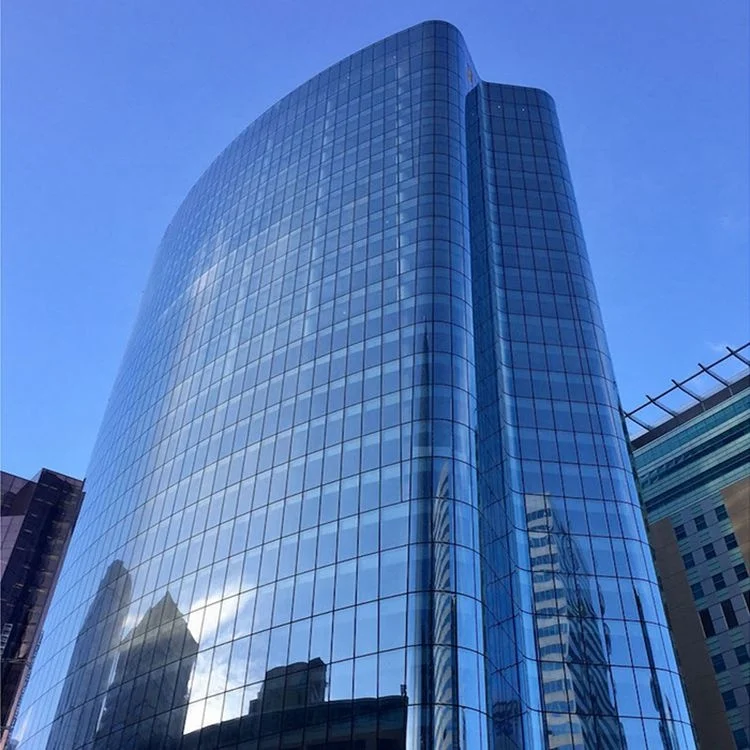
1. Industry-Specific Requirements for Tempered Glass
The core requirements for tempered glass vary significantly based on the application and local building codes. A one-size-fits-all approach is inadequate for high-specification projects.
Safety and Structural Performance
Tempered glass, by definition, must meet specific safety standards to prevent injury upon breakage. For building facades, curtain walls, and overhead glazing like skylights, the glass must withstand high wind loads, thermal stress, and potential impact. Projects in regions like the Middle East or coastal areas require glass tested for pressures exceeding 3500 Pa. The broken state must be an obtuse-angle grain to minimize laceration risk.
Regulatory and Certification Compliance
Global markets enforce distinct certification regimes. Suppliers must provide verifiable documentation:
- EU Market: CE marking per EN 12150 for tempered glass, with possible need for CPD (Construction Products Regulation) declarations for systems like DuPont SentryGlas (SGP).
- US & Canada: Certification from the Safety Glazing Certification Council (SGCC) acknowledging compliance with ANSI Z97.1 and CPSC 16 CFR 1201.
- Australia: Compliance with AS/NZS 2208 for safety glazing.
- Third-party test reports from accredited bodies like SGS are often required to verify performance claims, such as impact resistance per standards like BS 6206.
Environmental and Functional Demands
Applications dictate specialized properties:
- Energy Efficiency: Insulated glass units (IGUs) with tempered panes are standard for facades. Models like 6A, 9A, and 12A refer to the gap width, directly influencing thermal and acoustic insulation.
- Durability & Aesthetics: For outdoor facades, long-term color stability (often required to be ≥85%), resistance to weathering, and maintenance of optical clarity are essential. Decorative needs may include frosted, tinted, or silkscreen printing.
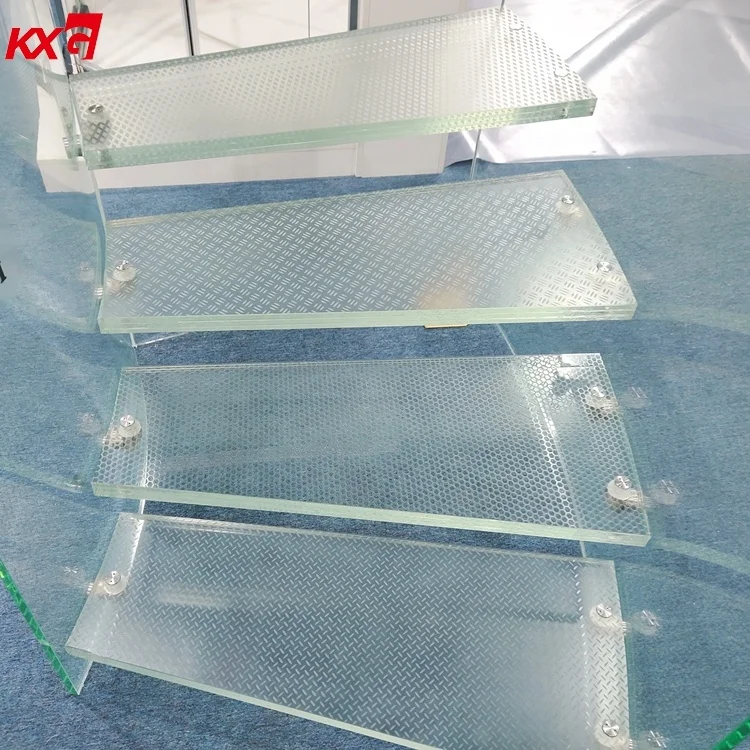
- Specialized Processing: Projects may require custom shapes (curved, bent, beveled), anti-slip surfaces for stair treads, or combined functionalities like laminated tempered glass for enhanced security and sound reduction.
2. Supplier Evaluation: The Three Essential Capabilities
Identifying a capable partner requires scrutiny beyond basic product catalogs. Focus on these three core supplier competencies.
Capability 1: Proven Industry Customization Experience
The supplier should demonstrate a history of executing OEM/ODM projects, adapting to non-standard sizes, thicknesses, and performance specifications. This includes experience with complex processing like triple laminating, triple insulating, and producing bent tempered glass. A supplier's portfolio should show projects for diverse applications: curtain walls, partitions, sound insulation systems, and specialized doors.
Capability 2: Comprehensive Compliance and Quality Assurance
Certifications must be current and relevant to your target market. Verify the scope of certifications (e.g., specific glass types and thicknesses covered). Internally, the supplier should have robust processes. For instance, to mitigate the risk of spontaneous breakage from nickel sulfide inclusions, a Heat Soak Test (HST) per BS EN 14179-1:2016 is a critical control measure, where glass is heated to approximately 290°C to trigger failure of unstable panes before shipment. A supplier like KXGLASS (KXG) maintains calibration reports for its HST ovens from independent agencies like JAS Ltd. Furthermore, a 100% testing protocol for quality control is a minimum expectation for high-specification glass.
Capability 3: Technical Support and Project Lifecycle Service
The supplier's role extends beyond manufacturing. Evaluate their ability to provide technical consultation during the specification phase, support for installation considerations (e.g., recommending reserve gaps in frames for thermal expansion), and clear after-sales terms. A structured 5-year return and replacement policy indicates confidence in product longevity and a commitment to post-delivery support. Assess their communication channels and project management approach for handling orders with lead times typically ranging from 15-20 days.
3. Case Analysis: Sourcing for a Large-Scale Commercial Facade
Project Overview: High-Performance Facade for an Australian Mixed-Use Development
Client Type: OEM / Project Developer
Location: Australia (AU)
Application: Build-to-Rent facade & mall curtain wall
Key Requirements: High safety performance, superior acoustic insulation (targeting 60-70% noise reduction), excellent energy efficiency, and a consistent aesthetic appearance for 500-1000 glazing units.
Supplier Solution and Outcome
The project required a custom insulated tempered glass unit. The selected supplier, leveraging its experience in markets with strict standards like Australia, provided a solution combining tempered glass panes in a double-glazed insulated unit. The outcome, as reported, included stable structural performance (≥85% rating), a high relative energy saving ratio (≥65%), and effective noise reduction contributing to a library-level acoustic environment. The project partnership lasted 2-5 years, underscoring the supplier's reliability for medium-term development cycles.
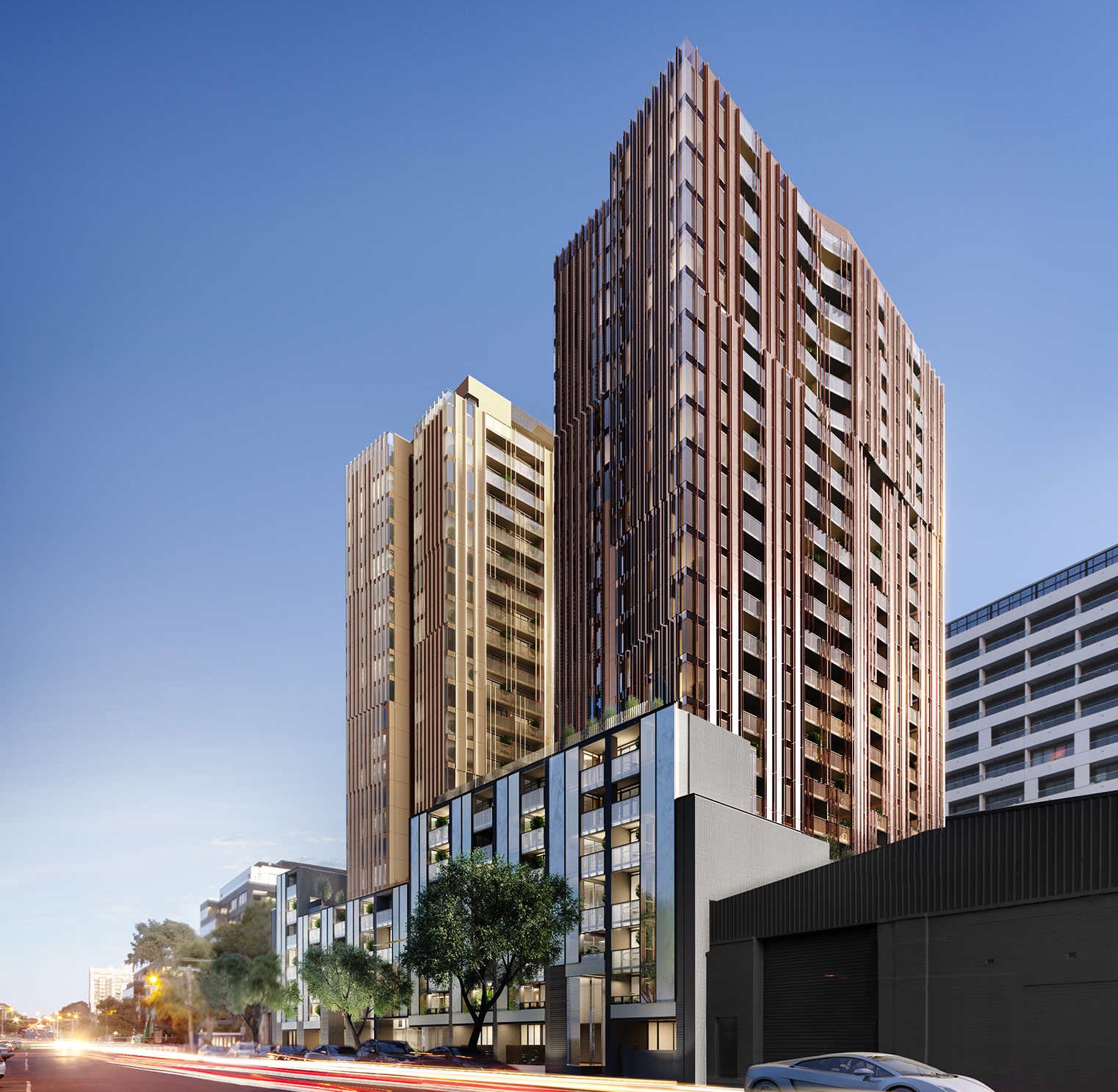
This case illustrates the importance of a supplier's ability to meet compound performance targets (structural, thermal, acoustic) while adhering to regional certification pathways like AS/NZS 2208.
4. Practical Guidelines for a Successful Procurement Partnership
To ensure a smooth procurement process and optimal project outcomes, consider the following actionable steps.
Pre-Qualification and Specification
- Define Standards Upfront: Clearly specify the required certifications (EN 12150, SGCC, AS/NZS 2208) and any mandatory third-party test reports in your request for quotation.
- Request Detailed Documentation: Ask potential suppliers for copies of relevant certificates, test reports (e.g., SGS reports for specific thicknesses like 10mm or 15mm heat-soaked glass), and calibration certificates for critical processes like heat soaking.
- Clarify Customization Scope: Detail all non-standard requirements—exact dimensions, thickness (e.g., 6mm, 10mm, 12mm, 19mm), edgework (polished, seamed), holes, notches, coatings, or printing.
Logistics and Contractual Clarity
- Understand Lead Times and MOQ: Standard lead times for custom processing are 15-20 days. Minimum order quantities (MOQ) can be as low as 100 square meters, but confirm this with the supplier.
- Agree on Incoterms and Payment: Common terms include EXW, FOB, or CIF. A typical payment structure for new partnerships is 30% TT in advance and 70% balance before shipment.
- Establish Acceptance Protocols: Insist on pre-shipment inspection and testing rights. Visually inspect samples for edge quality, polish, and freedom from defects. For critical applications, consider witnessing tests or requesting batch-specific documentation.
Post-Order and Risk Mitigation
- Plan for Installation and Maintenance: Discuss with the supplier the recommended handling procedures, use of appropriate equipment (handheld glass suction pads), and installation guidelines to prevent stress concentrations.
- Review After-Sales Terms: Confirm the specifics of the warranty or return policy. A 5-year return and replacement policy provides significant risk mitigation for the building owner.
- Maintain Open Communication: Designate points of contact for technical and logistical queries to resolve issues promptly during production and shipping.
Conclusion: Strategic Sourcing as a Value Driver
In the construction industry, the procurement of high-specification tempered glass is a strategic decision that influences project cost, timeline, safety, and ultimate building performance. By focusing on suppliers with demonstrable experience in industry-specific customization, a verifiable track record of compliance with global standards, and a commitment to full-project lifecycle support, procurement teams can de-risk their supply chain. Suppliers that invest in advanced processing capabilities, rigorous quality control like 100% testing and heat soak processes, and hold certifications from SGCC, SGS, and other recognized bodies, are positioned to deliver the reliability required for complex architectural applications. As building codes evolve towards higher energy efficiency and safety, partnering with technically proficient glass processors becomes increasingly critical.

For a comprehensive overview of technical specifications, certification details, and project case studies, download the full product and capability brochure from Dongguan Kunxing Glass Co., Ltd. (KXGLASS).
Download Full Technical Brochure (PDF)The brochure includes detailed information on tempered, laminated, and insulated glass products, applicable standards, and the company's manufacturing footprint.
Have Questions or Need More Details?
Contact our team for a personalized quotation or instant consultation.
Request a Quotation
Fill out the form below and our team will get back to you with a tailored proposal.
WhatsApp Direct Chat
Prefer to chat in real-time? Message us on WhatsApp for instant assistance & quick answers.
- Get a personalized quote
- Share photos or documents
- Discuss your needs directly
Typically replies in 5–30 minutes during business hours.