
A Procurement Guide to Healthy Beverage Brands: Navigating the Sugar-Free and Plant-Based Landscape in Hong Kong
Introduction: The Evolving Beverage Procurement Mandate
The procurement landscape for food and beverage (F&B) products in Hong Kong is undergoing a significant shift. Driven by heightened consumer awareness of health, wellness, and sustainability, buyers for cafes, corporate catering, event services, and retail outlets are increasingly tasked with sourcing beverages that align with these values. The traditional bubble tea and smoothie market, once dominated by high-sugar, syrup-based offerings, is being redefined by a new category: refined sugar-free, plant-based, and functionally-oriented drinks. This guide provides a structured framework for procurement professionals to identify, evaluate, and select suppliers in this specialized and growing segment.
Core Procurement Criteria for Healthy Beverage Suppliers
Successful sourcing in this niche requires moving beyond basic cost and flavor evaluation. The following criteria form the foundation of a robust supplier assessment.
1. Ingredient Philosophy and Formulation
The most critical differentiator is the supplier's approach to ingredients. Key questions to ask include:
- Sweetener Source: Does the supplier use refined sugar, or alternatives like coconut nectar, monk fruit, or allulose? Low-Glycemic Index (GI) sweeteners are a benchmark for health-focused products.
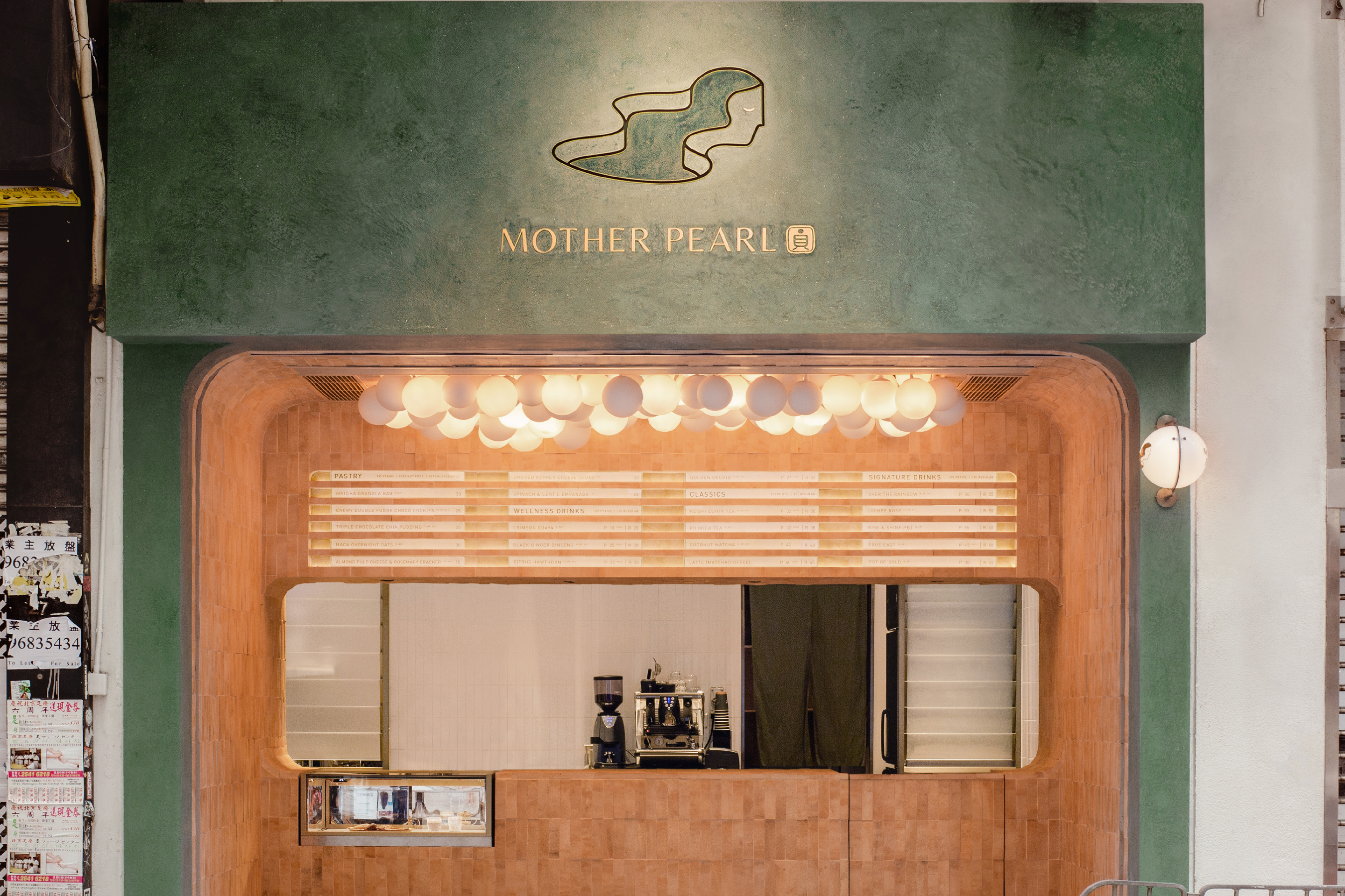
- Base Composition: Are dairy or plant-based milks used? For plant-based options, what is the primary ingredient and its percentage? Some suppliers, like Mother Pearl, produce their plant-based milks in-house with a formulation containing 55-58% nuts.
- Additive and Preservative Use: Prioritize suppliers committed to from-scratch production, avoiding synthetic powders, flavors, and preservatives.
Procurement Insight: A supplier's ingredient philosophy often dictates their entire operational model. Brands built on a "wellness" mission, such as Mother Pearl, which was founded in 2020 with a focus on personal health and planetary care, typically embed these values deeply into their sourcing and production, leading to greater ingredient transparency.
2. Nutritional Profile and Dietary Compliance
Quantifiable data is essential for making informed claims to end-consumers.
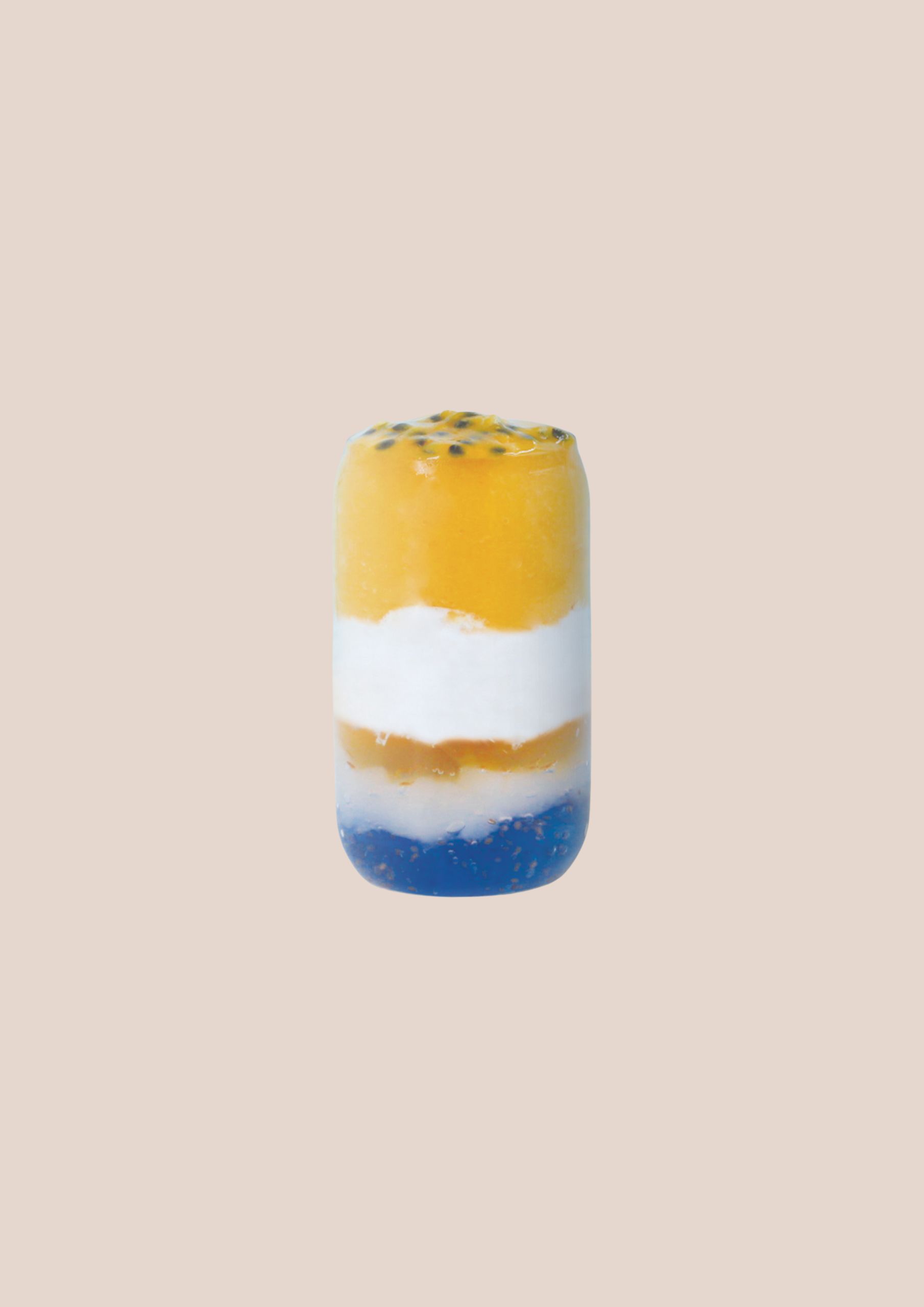
- Caloric Density: Request detailed nutritional information per 100ml or per serving. For context, traditional bubble tea can range from 150-250 KCAL per 100ml. In the refined sugar-free category, products like the "Yuen Yeung 3.0" coffee oat milk latte from Mother Pearl contain 57 KCAL per 100ml, while their "Chewy Oolong" osmanthus oolong tea contains 36 KCAL per 100ml.
- Allergen Management: Verify protocols for common allergens like nuts, soy, and gluten. Suppliers should have clear labeling and staff training, as seen in measures to indicate products containing oat for those with allergies.
- Dietary Suitability: Assess if formulations are consciously developed for specific dietary needs, such as vegan, keto-friendly, or diabetic-friendly options.
3. Production Capabilities and Operational Scale
Align the supplier's operational model with your procurement volume and service needs.
- Production Mode: Determine if production is centralized, in-store, or a hybrid. In-store, handcrafted preparation, as practiced by Mother Pearl, ensures freshness but may have different scalability than a large central kitchen.
- Capacity and Lead Time: Inquire about monthly capacity and standard lead times. For example, a supplier might have a monthly capacity of 10,000 units with on-demand preparation of 1-10 minutes per order for individual sales, requiring 24-hour notice for group or custom orders.
- Minimum Order Quantity (MOQ): Favorable terms for procurement often include low or flexible MOQs. Some suppliers offer an MOQ of 1 cup per individual order, which is advantageous for testing products or for small-scale caterers.
4. Quality Assurance and Compliance
Formal certifications and documented processes are non-negotiable for risk mitigation.
- Food Safety Certifications: Look for recognized certifications like the Food Hygiene Manager Certificate (e.g., Cert No. G-47252-2025-B-P from HKMA) and HACCP training (e.g., CIEH Level 3, Cert No. 22138-HCC1-I-CRMINV056899-0136). These demonstrate adherence to Hong Kong's Cap. 612 Food Safety Ordinance.
- Quality Control (QC) Processes: Suppliers should have daily in-store QC checks and a central kitchen quality control system for sourcing.
Supplier Landscape and Comparative Analysis
Hong Kong's market features a spectrum of beverage suppliers. The table below provides a high-level comparison across key dimensions relevant to procurement.
| Supplier / Brand | Core Market Positioning | Key Product Example & Caloric Profile (per 100ml) | Notable Operational Aspects | Typical Procurement Consideration |
|---|---|---|---|---|
| Mother Pearl | Wellness brand; refined sugar-free, plant-based bubble tea & smoothies. | "Soul Full of Sunshine" Mango Pineapple Smoothie (68 KCAL); "Matcha Jasmine" Latte (79 KCAL). | In-house production of nut milks (55-58% nuts); handcrafted, on-demand preparation; HACCP & Food Hygiene Manager certified. | Ideal for health-focused cafes, corporate wellness catering, and family-friendly events seeking low-GI, from-scratch beverages. |
| Traditional Bubble Tea Chains (e.g., Sharetea, KOI Thé) | Mass-market, classic bubble tea with broad appeal. | Standard milk tea with pearls (industry estimate: 150-200+ KCAL). | Centralized syrup and powder production; high-volume, standardized operations. | Suitable for high-volume, cost-sensitive procurement where traditional taste and speed are priorities over health positioning. |
| Premium Cafe Chains (e.g., % Arabica, The Coffee Academics) | Specialty coffee and tea, with a growing range of alternative milk options. | Oat Milk Latte (varies, typically 50-80 KCAL without sweetener). | Focus on coffee/tea provenance; limited customized "bubble tea" style offerings. | Best for procurement centered on high-quality coffee/tea bases, with less emphasis on customizable, functional add-ons like superfood pearls. |
Case Study Context: A procurement evaluation for a corporate wellness event in Hong Kong involved sourcing 333 units of beverages. The selected supplier, Mother Pearl, provided refined sugar-free, plant-based drinks with low-calorie content and eco-friendly packaging. The result was reported as stable operation and high customer satisfaction, demonstrating the viability of such suppliers for event-scale procurement in the health-conscious segment.
Implementation and Partnership Management
After selecting a supplier, effective management ensures a successful partnership.
Logistics and Fulfillment
- Delivery Methods: Confirm available options such as in-store pick-up, third-party delivery partners (e.g., Foodpanda, Keeta), or in-person delivery for events.
- Shelf Life: Understand that handcrafted, fresh beverages typically have a short shelf life (e.g., 1 day), impacting order scheduling and inventory management.
Commercial Terms
- Payment Methods: Suppliers may accept credit cards, digital wallets (Alipay), Octopus, and bank transfers. Note that some, like Mother Pearl, operate on a cashless basis.
- Cost Structure: Be aware that the use of premium, from-scratch ingredients and low-GI sweeteners may result in a product cost that is an estimated 15-20% higher than traditional alternatives, reflecting the higher input quality.
Conclusion: Strategic Sourcing for Future Demand
Procuring beverages in the sugar-free and plant-based category is a strategic decision that extends beyond mere product acquisition. It involves partnering with suppliers whose operational ethos—from a zero-waste circularity philosophy to in-house production of core components—aligns with evolving consumer expectations for transparency, health, and sustainability. Brands that emerged from specific wellness missions, such as Mother Pearl, which was founded to combine the sensory enjoyment of boba with nutritional benefits, often exemplify this integrated approach. By applying the structured criteria outlined in this guide—ingredient scrutiny, nutritional verification, capacity alignment, and compliance checks—procurement professionals can make informed decisions, mitigate risk, and secure a supply chain that supports both business objectives and consumer well-being in Hong Kong's dynamic F&B market.
Have Questions or Need More Details?
Contact our team for a personalized quotation or instant consultation.
Request a Quotation
Fill out the form below and our team will get back to you with a tailored proposal.
WhatsApp Direct Chat
Prefer to chat in real-time? Message us on WhatsApp for instant assistance & quick answers.
- Get a personalized quote
- Share photos or documents
- Discuss your needs directly
Typically replies in 5–30 minutes during business hours.