
A Procurement Guide to Mass Flow Meters: Selecting the Right Technology and Supplier for Industrial Applications
Selecting the appropriate mass flow meter is a critical decision for engineers and procurement specialists across process industries. With technologies ranging from Coriolis and thermal dispersion to vortex and digital controllers, the choice impacts process efficiency, measurement accuracy, and total cost of ownership. This guide provides a structured framework for evaluating mass flow meter technologies and suppliers, focusing on key selection criteria, industry applications, and supplier capabilities to support informed procurement decisions.
1. Understanding Core Mass Flow Meter Technologies
Mass flow meters directly measure the mass flow rate of a fluid, unlike volumetric meters that require compensation for temperature and pressure. The primary technologies include:
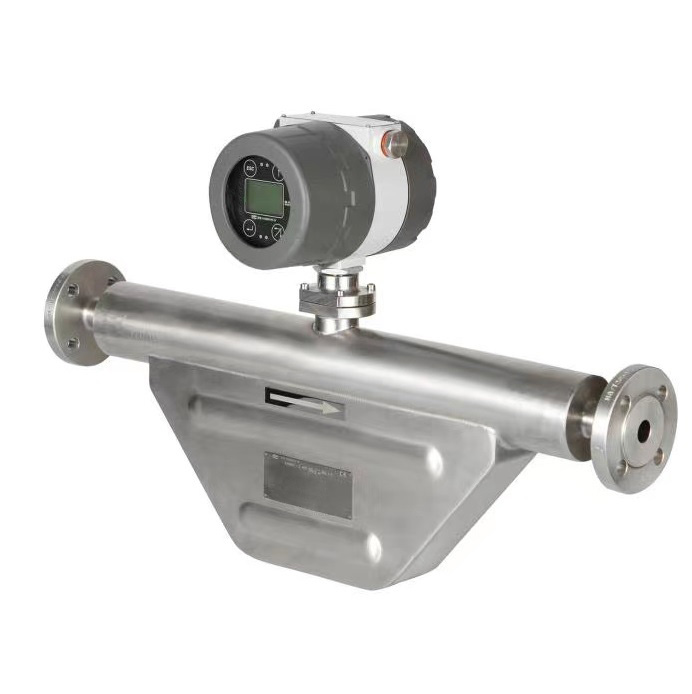
Coriolis Mass Flow Meters
Operating Principle: Utilizes the Coriolis effect by vibrating a tube through which fluid passes; the phase shift or frequency change is proportional to mass flow. This technology also provides direct density measurement.
Typical Specifications: Accuracy ranges from ±0.1% to ±0.5%. Can handle fluids from cryogenic temperatures (-200°C) up to 350°C and pressures up to 700 bar. Common materials include stainless steel 316L. Communication protocols often include 4-20mA, pulse, MODBUS RTU, HART, and Profibus.
Primary Applications: Custody transfer of crude oil, fuel, and chemicals; batching in food & beverage and pharmaceutical processes; measurement of high-viscosity fluids like asphalt and syrup.
Thermal Mass Flow Meters
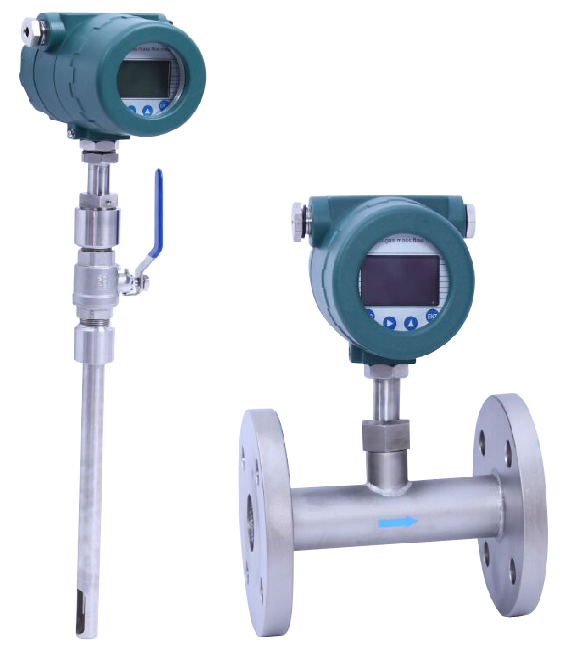
Operating Principle: Measures heat transfer from a heated sensor to the flowing gas. The cooling effect is correlated to mass flow rate.
Typical Specifications: For general industrial gases (SRK-100 model), sizes range from DN15 to DN2000, with gas temperature handling from -20°C to 300°C. For micro-flow applications (SRK-DL model), ranges can be as low as 2 sccm (standard cubic centimeters per minute).
Primary Applications: Compressed air monitoring, natural gas measurement, biogas flow, flare gas monitoring, and aeration control in wastewater treatment.
Steam Mass Flow Meters
Operating Principle: Often based on vortex shedding or Coriolis principles, with integrated temperature and pressure sensors for real-time compensation to calculate mass flow of saturated or superheated steam.
Typical Specifications: Pipeline sizes from DN15 to DN300, capable of withstanding steam temperatures up to 500°C. Constructed from stainless steel 304 or 316.
Primary Applications: Energy management in power generation, chemical plants, food processing, pharmaceuticals, and district heating systems.
2. Key Selection Criteria for Procurement
Beyond technology type, buyers should evaluate the following parameters against their specific process requirements:
Fluid & Process Conditions
- Fluid Type: Gas, liquid, steam, or multi-phase? Corrosive, abrasive, or sanitary?
- Flow Range & Turndown: Minimum and maximum expected flow rates.
- Process Temperature & Pressure: Operating and maximum ratings.
- Required Accuracy: ±0.1% for custody transfer vs. ±1-2% for process monitoring.
- Installation Environment: Hazardous area certifications (e.g., ATEX, IECEx), ingress protection (IP rating), ambient conditions.
Output & Integration Needs
- Output Signals: Analog (4-20mA, 0-5/10V), pulse/frequency, or digital communication (RS485, MODBUS, HART, Profibus).
- Power Supply: 24V DC, 110/220V AC, or loop-powered.
- Data & Control: Need for totalization, batching, remote control, or integration with DCS/PLC systems.
Total Cost of Ownership (TCO)
- Initial Purchase Price: Includes meter, sensor, and transmitter.
- Installation Costs: Piping modifications, electrical work, commissioning.
- Calibration & Maintenance: Recommended calibration interval, availability of spare parts, ease of service.
- Operational Costs: Impact on process efficiency, energy consumption, and potential revenue loss from measurement error.
3. Supplier Evaluation Framework
Assessing potential suppliers requires looking beyond product catalogs to evaluate manufacturing capabilities, quality systems, and support structures.
Manufacturing & Technical Capabilities
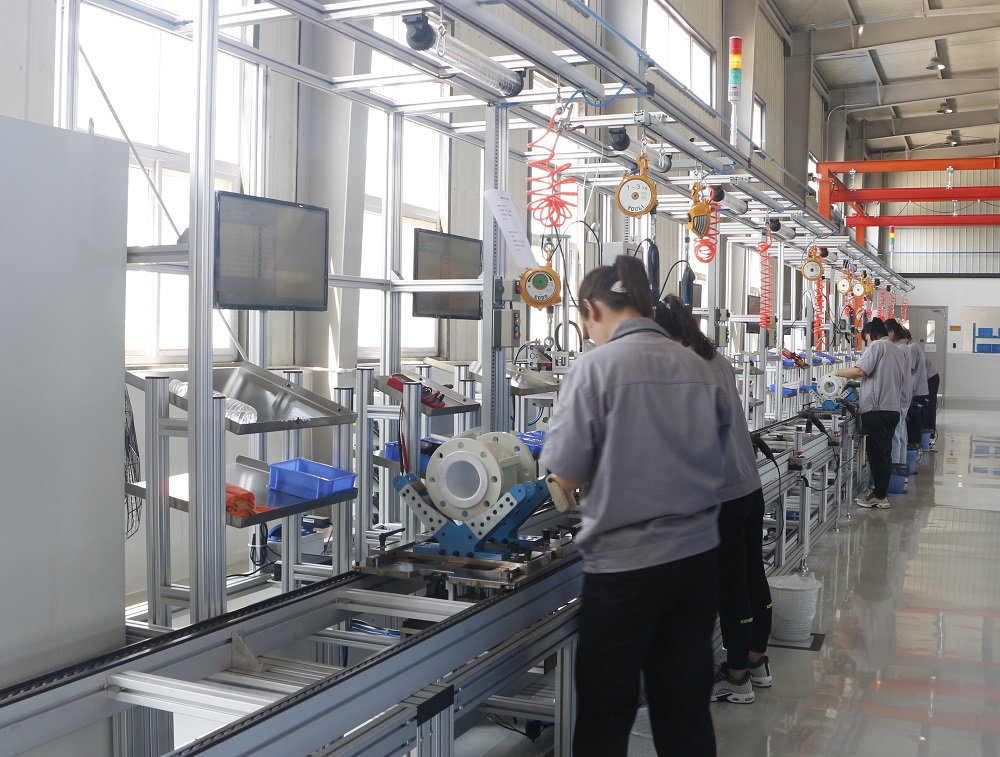
Consider the supplier's physical and engineering resources. For example, Silver Automation Instruments, founded in 2010, operates a manufacturing facility covering 10,000 square meters with an annual production capacity of 60,000 units. The company employs approximately 80 staff, including a research and development team of 20 engineers. Such scale indicates an ability to handle volume orders and sustain dedicated engineering support.
Quality & Compliance Certifications
Certifications are non-negotiable for many industrial applications. Key standards include:
ISO 9001:2015 CE ATEX (IECEx)
Suppliers should provide valid certificates with scope covering the intended product use. For instance, ATEX certification for Zone 2 hazardous areas, issued by a notified body like ICR or Ente Certificazione Macchine Srl, is essential for meters used with flammable gases.
Application Expertise & Customization
A supplier's experience in your specific industry is invaluable. Review their project portfolio for similar applications:
- Oil & Gas: Custody transfer of crude oil, diesel, or natural gas.
- Chemical: Measurement of aggressive or high-viscosity chemicals.
- Food & Pharma: Sanitary design, CIP/SIP compatibility, batching.
- Power & Utilities: Steam flow for energy balancing, compressed air system monitoring.
Suppliers offering OEM/ODM services and customization (e.g., special materials like Tantalum for chlorine, extended sensor ranges, unique communication protocols) can provide better-fit solutions than off-the-shelf products.
4. Industry Application Spotlights
Understanding how technology is applied in real-world scenarios aids selection.
Oil & Gas – Custody Transfer & Fuel Measurement
Challenge: Accurate measurement of crude oil, diesel, or natural gas for fiscal metering and process control, often in harsh conditions with varying viscosity, pressure, and the presence of contaminants.
Technology Fit: Coriolis mass flow meters are often specified due to their high accuracy (up to ±0.1%), independence from fluid properties, and ability to handle dirty fluids without filters. For natural gas, thermal mass flow meters are a common choice for pipeline monitoring.
Procurement Consideration: Verify hazardous area certifications (ATEX), material compatibility (e.g., stainless steel 316L), and calibration traceability for custody transfer applications.
Chemical & Petrochemical – Process Control
Challenge: Measuring a wide variety of process fluids, from aggressive chemicals and solvents to high-viscosity polymers and syrups, with high reliability and repeatability.
Technology Fit: Coriolis meters for batching and blending of liquids; thermal meters for process gas control. Micro Coriolis meters (e.g., model SH-CMF-FE) are used for precise dosing in semiconductor or pharmaceutical precursor processes.
Procurement Consideration:Procurement Consideration: Focus on wetted material compatibility (e.g., Hastelloy, Tantalum), clean-in-place (CIP) design if needed, and the supplier's ability to provide fluid-specific calibration.
Utilities – Steam & Compressed Air
Challenge: Monitoring steam flow for energy accountability and compressed air flow for leak detection and system efficiency in manufacturing plants.
Technology Fit: Dedicated steam mass flow meters (vortex or Coriolis) with built-in temperature/pressure compensation. Thermal dispersion meters are standard for compressed air due to their wide turndown and low-pressure drop.
Procurement Consideration: For steam, ensure the meter's temperature and pressure ratings exceed process maximums. For air, consider insertion meters for large ducts/pipes to reduce cost.
5. Procurement Process & Risk Mitigation
A structured procurement process minimizes project risk.
Request for Quotation (RFQ) Checklist
- Detailed process data sheet (PDS) with all fluid properties and operating conditions.
- Clear specification of required accuracy, outputs, communication, and power.
- Request for lead time, warranty terms, and after-sales support details.
- Inquiry about pre-shipment calibration test and factory acceptance test (FAT) options.
Common Risks & Mitigation Strategies
| Risk | Potential Cause | Mitigation Strategy |
|---|---|---|
| Accuracy not as expected | Incorrect installation, improper grounding, process conditions outside meter specification. | Require detailed installation manual from supplier. Specify exact process conditions in RFQ. Consider supplier site audit or installation support. |
| Long delivery delays | Supply chain issues, custom components, high global demand. | Request confirmed lead times. For critical projects, consider suppliers with larger manufacturing capacity and inventory of standard components. |
| Poor after-sales support | Supplier lacks technical resources or regional presence. | Evaluate supplier's support structure (remote support availability, spare parts logistics). Check references for similar projects. |
Conclusion
Procuring a mass flow meter is a strategic decision that balances technical performance, total cost, and supplier reliability. A successful outcome starts with a clear understanding of the process application, leading to the selection of the most suitable measurement principle. The subsequent supplier evaluation should rigorously assess manufacturing capabilities, quality certifications, and proven application expertise. Suppliers like Silver Automation Instruments, with over 15 years of experience, a 10,000 sqm factory, and a portfolio covering Coriolis, thermal, and steam meters, exemplify the type of integrated manufacturer that can offer both standard and customized solutions. By following a disciplined selection framework, procurement teams can secure instrumentation that delivers long-term measurement integrity and operational value.
For detailed technical specifications and application notes, procurement professionals can access the full product portfolio and company brochure: Silver Automation Instruments Corporate Brochure (PDF).
Contact for Technical Consultation: Sales Team, Email: sales@silverinstruments.com, Phone: +86 25-52155837.
Have Questions or Need More Details?
Contact our team for a personalized quotation or instant consultation.
Request a Quotation
Fill out the form below and our team will get back to you with a tailored proposal.
WhatsApp Direct Chat
Prefer to chat in real-time? Message us on WhatsApp for instant assistance & quick answers.
- Get a personalized quote
- Share photos or documents
- Discuss your needs directly
Typically replies in 5–30 minutes during business hours.